







How to Choose the Right Sewer Camera in 2026 (World Cup Edition)
The best sewer camera is not the most expensive one. It's the one that matches your inspection needs.
During the 2026 World Cup season, many homeowners, plumbers, and inspectors are taking advantage of promotional deals to upgrade their equipment. However, with so many models available, choosing the right sewer camera can quickly become overwhelming.
- Should you buy a 100ft or a 165ft camera?
- Do you really need a locator?
- Is a self-leveling camera worth the extra cost?
The good news is that finding the right sewer camera is easier than it seems. If you can answer five simple questions, you'll know exactly what type of system you need. And maximize profits through promotional activities during the World Cup.
Quick Start: Which Sewer Camera Is Right for You?
Before diving into technical specifications, identify which type of user you are.
|
User Type |
Recommended Camera Type |
Reference Products: |
|
Homeowner |
Basic HD Sewer Camera |
|
|
DIY User |
Entry-Level Camera |
|
|
Home Inspector |
Self-Leveling Sewer Camera |
|
|
Plumber |
Self-Leveling + Locator Camera |
|
|
Contractor |
Professional Inspection System |
If you're unsure, keep reading. The following questions will help narrow down your options.
Tip: From June 12, 2026, until the end of the World Cup, Sanyipace pipe cameras are buy-one-get-one-free (i.e., buy a sewer camera and get a free camera of the corresponding type).
Question 1: What Will You Use the Sewer Camera For?
This is the most important question because your intended use determines almost every feature you need.
1. For Homeowners
If you're buying a sewer camera to inspect occasional drain issues, check for blockages, or inspect a sewer line before purchasing a property, you don't need a professional-grade system.
In most cases, a standard HD sewer camera with recording capability is enough.
Recommended features:
-
HD camera
-
DVR recording
-
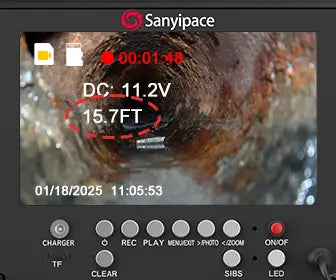
Distance counter
-
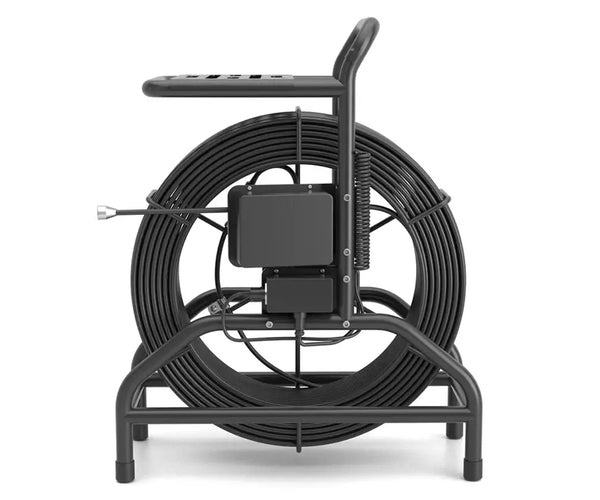
Around 100ft cable
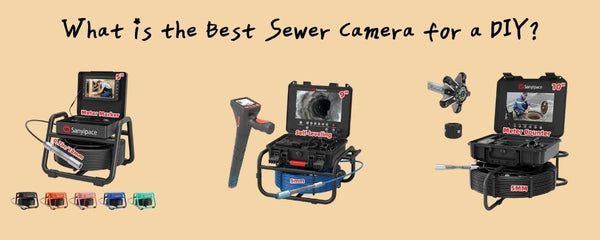
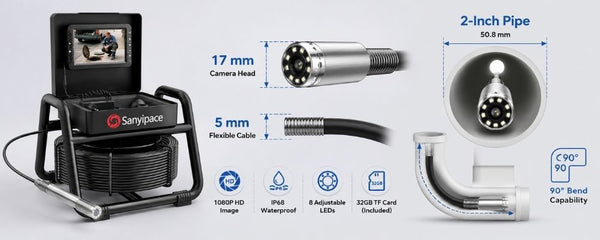
For occasional use, spending extra on advanced locating equipment often provides little benefit. For this purpose, we would recommend a pipe camera like the SANYIPACE S5517DC.

2. For Home Inspectors
Home inspectors have different requirements. You're not just identifying problems. You're documenting them for clients. Clear footage and accurate reporting become much more important.
Recommended features:
-
Self-leveling camera
-
HD recording
-
Distance counter
-
100ft–165ft cable
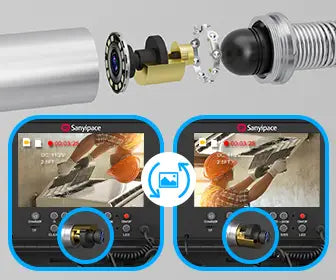
A self leveling sewer camera keeps the image upright inside the pipe, making reports easier for clients to understand.

3. For Plumbers
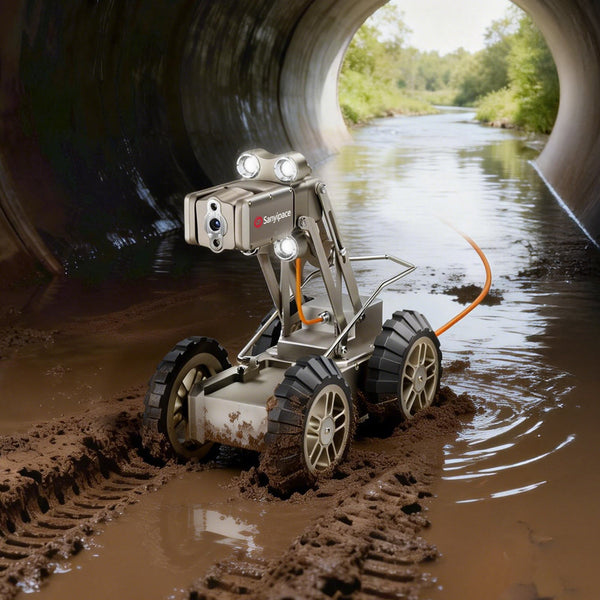
Professional plumbers typically use sewer cameras to diagnose issues, locate blockages, and identify damaged sections of pipe.
In this situation, advanced features can save significant time on every job.
Recommended features:
-
Self-leveling camera
-
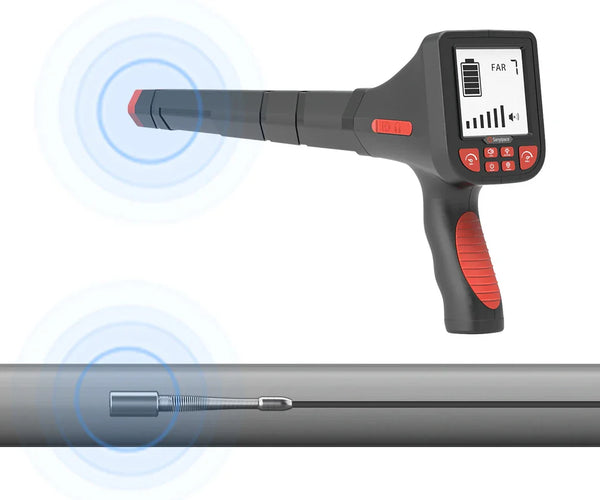
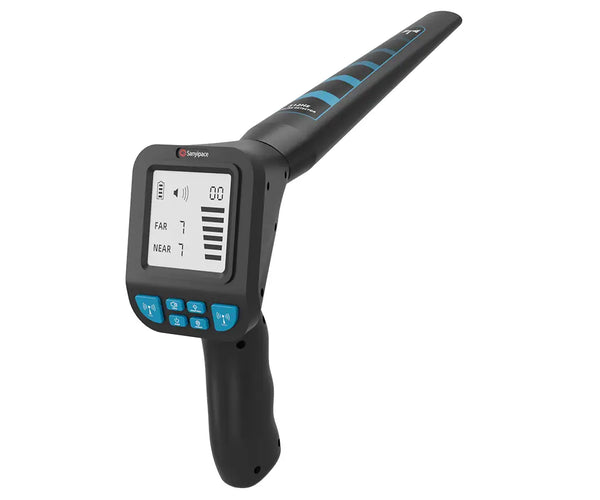
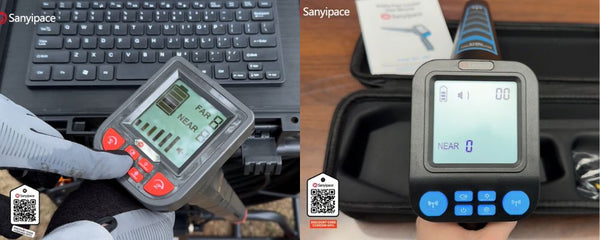
512Hz locator
-
Distance counter
-
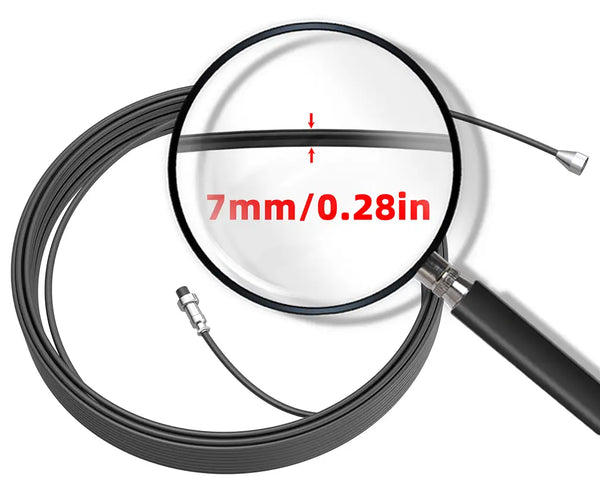
Durable push rod
The ability to locate the exact position of a blockage underground is often more valuable than simply seeing the blockage itself.

Question 2: How Much Cable Length Do You Need?
Many buyers focus on camera quality but overlook cable length. Choosing the wrong length can limit what jobs you can perform.
1. 100ft Sewer Camera
Best for:
-
Indoor plumbing inspections
-
Small residential properties
-
Occasional drain checks
For many homeowners, 100ft is sufficient.
2. 165ft Sewer Camera
Best for:
-
Residential sewer lines
-
Home inspection work
-
Most plumbing jobs
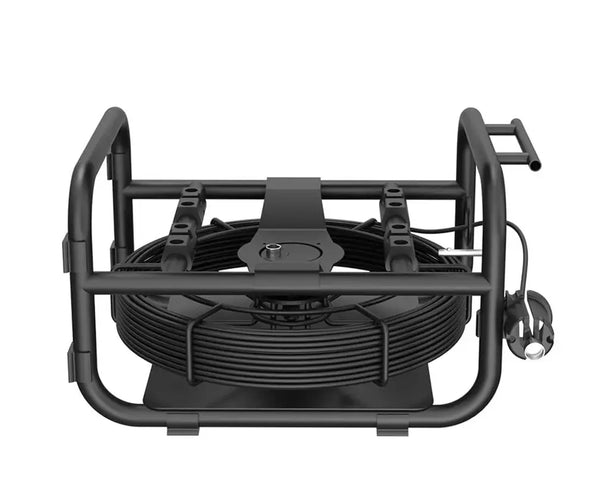
This is often considered the most versatile option because it handles the majority of residential inspections without becoming difficult to transport.
3. 230ft+ Sewer Camera
Best for:
-
Commercial buildings
-
Municipal inspections
-
Large properties
Longer cable systems provide greater reach but also increase weight and cost.
4. Quick Length Guide
|
Inspection Scenario |
Recommended Length |
|
Indoor Drains |
100ft |
|
Residential Sewer Lines |
165ft |
|
Commercial Systems |
230ft+ |
When in doubt, most residential users will be well-served by a 165ft system.

Question 3: Do You Need a Self-Leveling Camera?
For many users, the answer is yes. A self-leveling sewer camera automatically keeps the image upright while traveling through the pipe.
Without this feature, the image constantly rotates as the camera moves. While this doesn't prevent inspections, it can make footage harder to interpret.
1. Self-Leveling Is Recommended For:
-
Home inspectors
-
Professional plumbers
-
Frequent users
2. Self-Leveling Is Optional For:
-
Homeowners
-
Occasional DIY inspections
If you expect to review footage regularly or provide reports to clients, self-leveling is usually worth the investment.

Question 4: Do You Need a Locator?
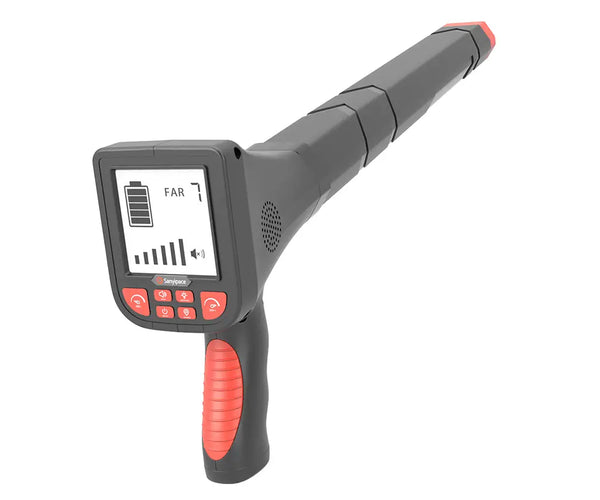
This is often the feature that creates the biggest price difference. A locator allows you to determine the camera's position underground from the surface.
In simple terms, it helps answer an important question:
Where exactly is the problem located?
1. You Probably Need a Locator If:
-
You perform sewer repairs
-
You replace underground pipes
-
You work as a plumber or contractor
2. You Probably Don't Need a Locator If:
-
You only want to inspect a drain
-
You occasionally check for blockages
-
You are a homeowner using the camera a few times per year
3. Locator Comparison
|
Feature |
With Locator |
Without Locator |
|
Locate the pipe underground |
✓ |
✗ |
|
Pinpoint blockage location |
✓ |
✗ |
|
Lower purchase cost |
✗ |
✓ |
For professionals, a locator is often one of the most valuable upgrades available.

Question 5: What Is Your Budget?
Your budget should reflect how often you plan to use the camera. Buying too many cameras can be just as wasteful as buying too few.
1. Under $500 Sewer Camera
Best for:
-
Homeowners
-
DIY users
-
Occasional inspections
Focus on reliability and image quality.
2. $500–$1,000 Sewer Camera
Best for:
-
Frequent residential inspections
-
Home inspectors
-
Small service businesses
This range typically offers the best balance between features and affordability.
3. $1,000–$2,000 Sewer Camera
Best for:
-
Professional plumbers
-
Contractors
-
Regular inspection work
Expect to find systems with self-leveling, locators, and longer cable lengths.
4. $2,000+ Sewer Camera
Best for:
-
Inspection companies
-
Commercial contractors
-
Heavy-duty use
At this level, durability and efficiency become the primary priorities.
Sewer Camera Buying Checklist
Before making your final decision, answer these five questions:
-
✓ What will I use the camera for?
-
✓ How much cable length do I need?
-
✓ Do I need self-leveling?
-
✓ Do I need a locator?
-
✓ What is my budget?
If you can confidently answer these questions, you've already eliminated most of the confusion that first-time buyers face.
World Cup Special Offers
The World Cup is one of the best times of the year to upgrade your inspection equipment. To celebrate the tournament, Sanyipace is running several limited-time World Cup campaigns, including:
-
World Cup Champion Prediction Challenge
-
Follow & Subscribe Giveaway
-
Buy One, Get One Free Promotion on Selected Models
If you've been considering a sewer camera purchase, this is a great opportunity to join the World Cup festivities, participate in exciting giveaways, and get more value from your equipment investment.

Final Thoughts
Choosing the right sewer camera doesn't have to be complicated. Instead of focusing on brand names or marketing claims, focus on your actual inspection needs.
The right cable length, features, and budget will matter far more than buying the most expensive model available.
Answer the five questions in this guide, and you'll be able to choose a sewer camera with confidence—whether you're a homeowner inspecting a drain, a home inspector creating reports, or a plumber tackling daily service calls.
Product Recommendation
Best for Homeowners → S5517DC sewer camera
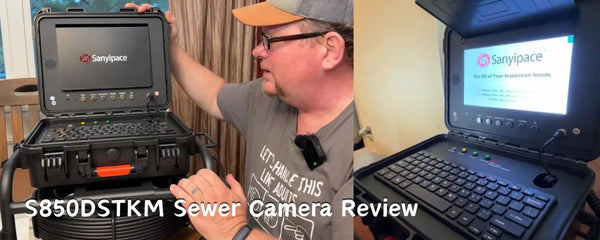
Best for Home Inspectors → S850DSTKM sewer camera
Best for Plumbers → S860DSTKM sewer camera
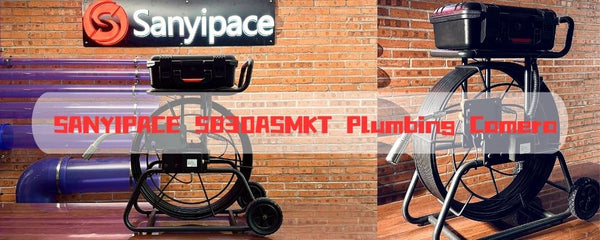
Best for Contractors → S830ASMKT sewer camera
Related reading:
The 7 Best Sewer Cameras in 2026


Leave a comment