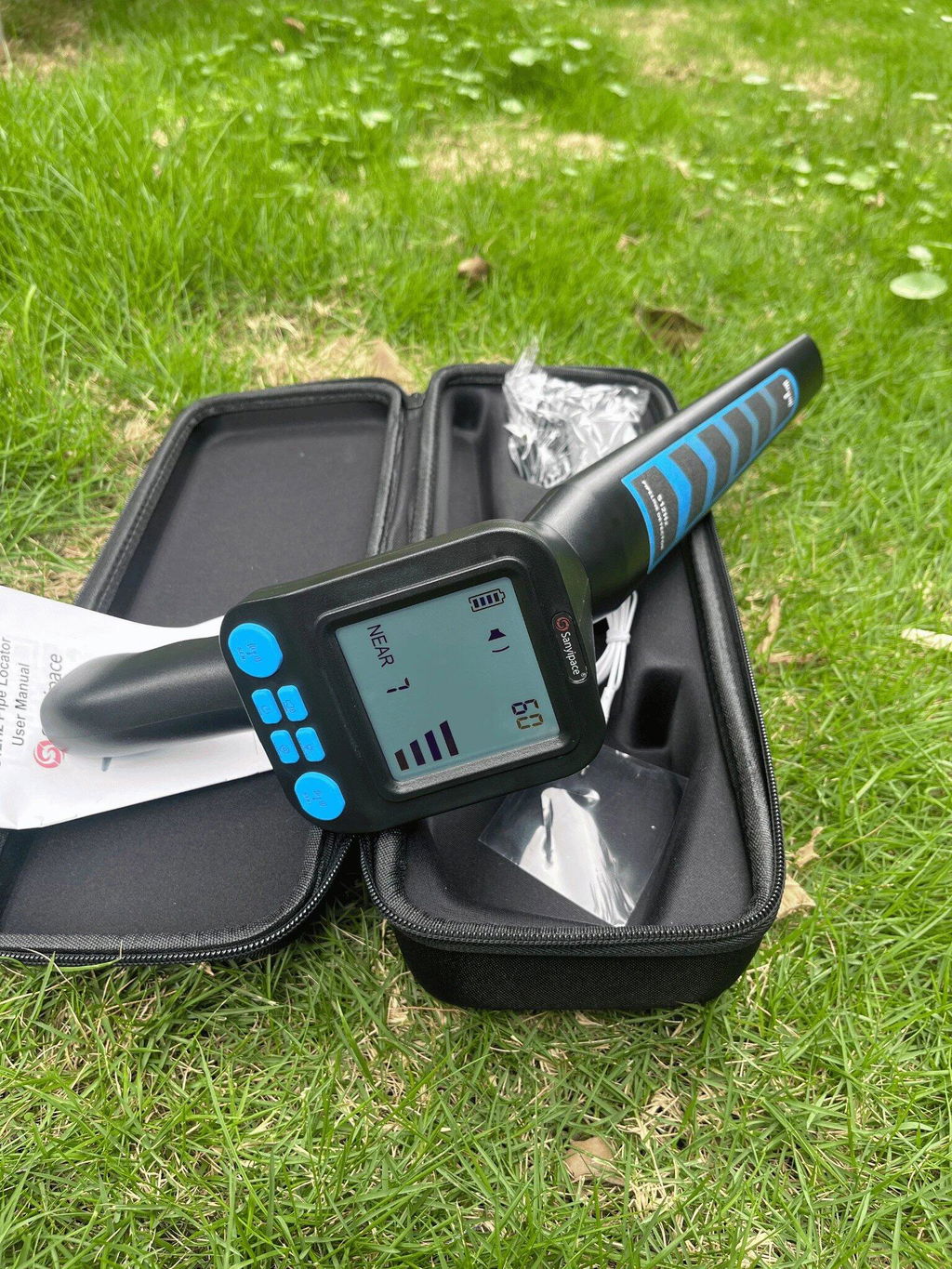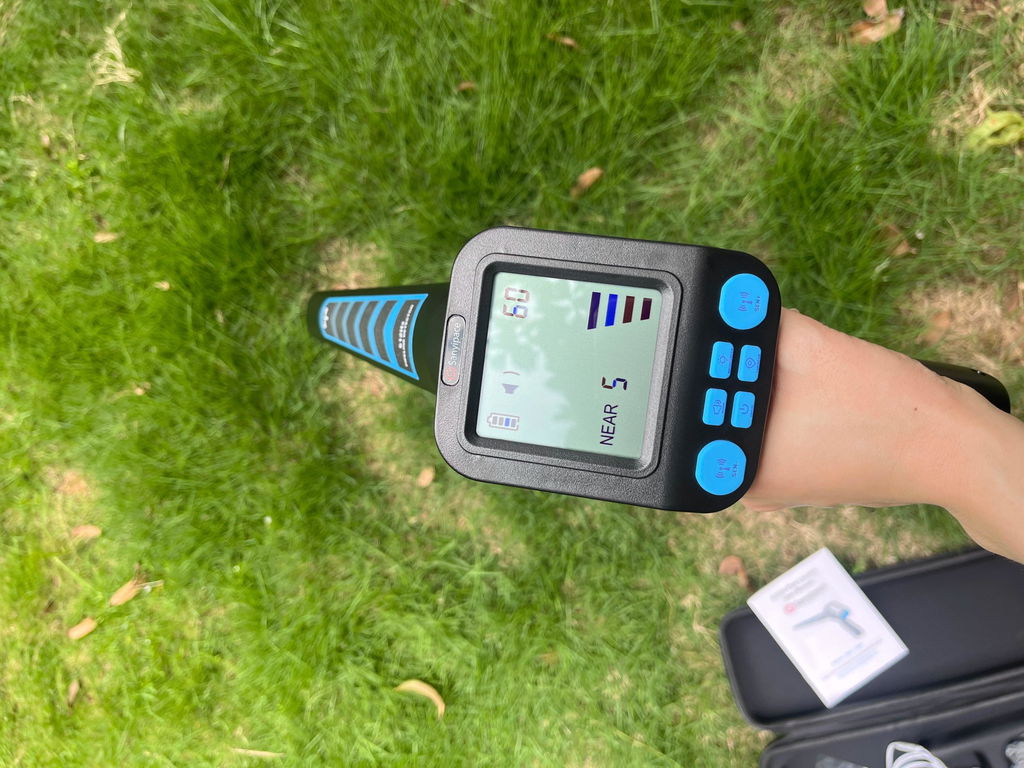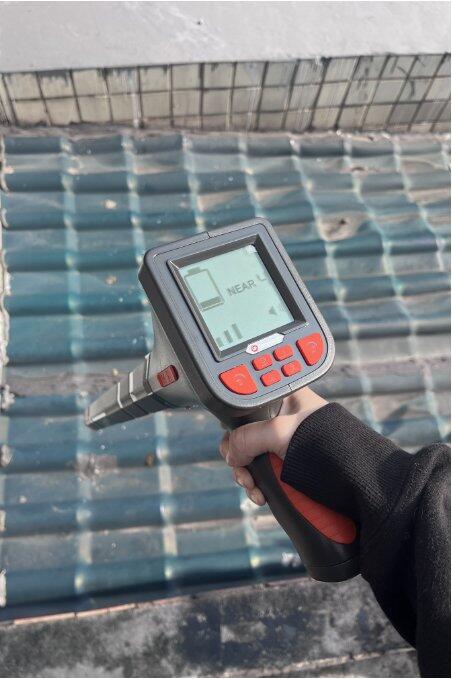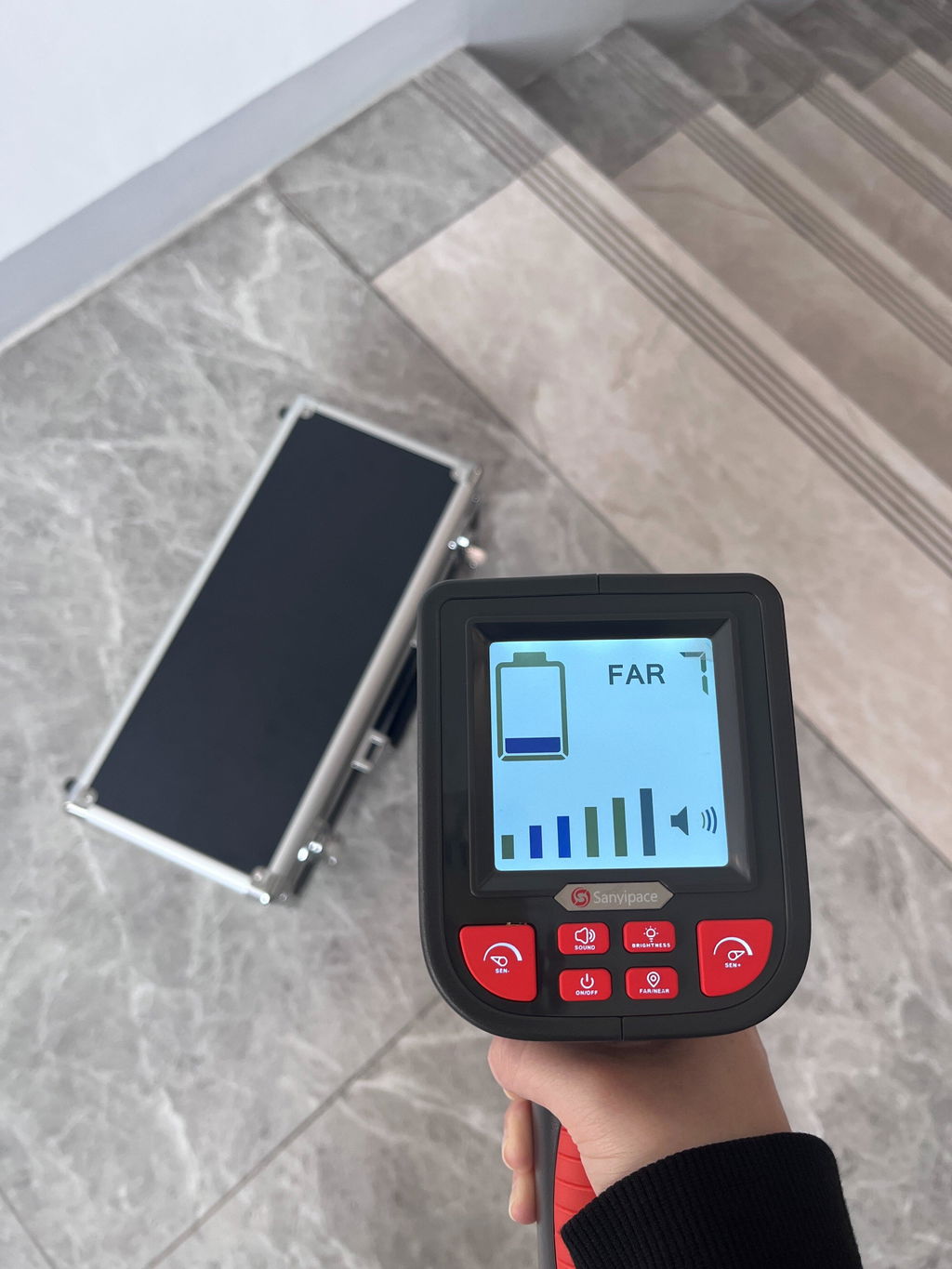
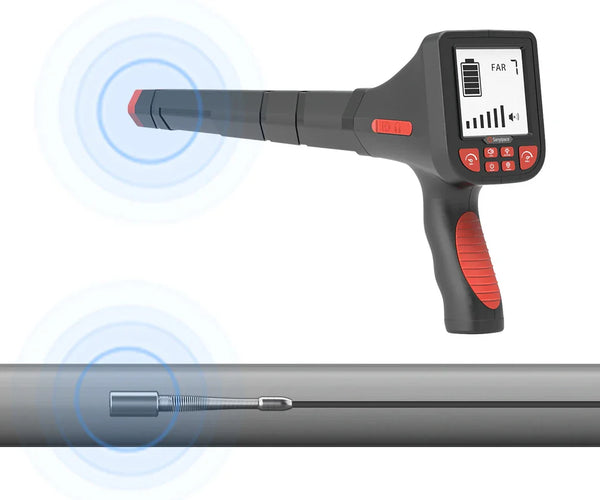
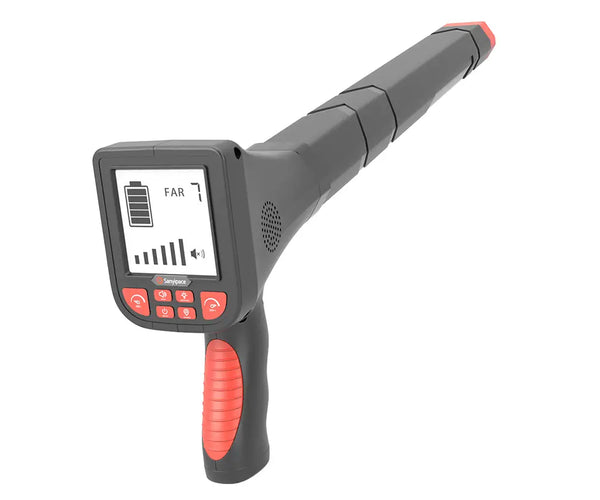




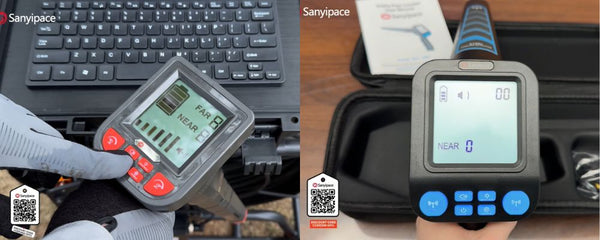
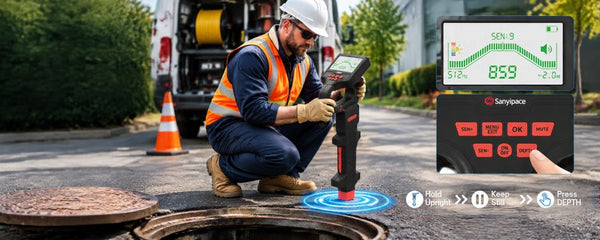






①Sensitivity reduction adjustment
②Sensitivity enhancement adjustment
③4-level volume adjustment (including mute)
④2-level screen brightness adjustment
⑤Switch on/off
⑥Far/Near mode switching
Screen Size: 3 inch
Screen Operation: Press buttons
Receiver Frequency: 512Hz
Power Consumption: <3W
Detect Mode: Far/ Near
Maximum Detection Range: Far Mode: Approx. 6 m (19.7 ft);
Near Mode: Approx. 3 m (9.8 ft)
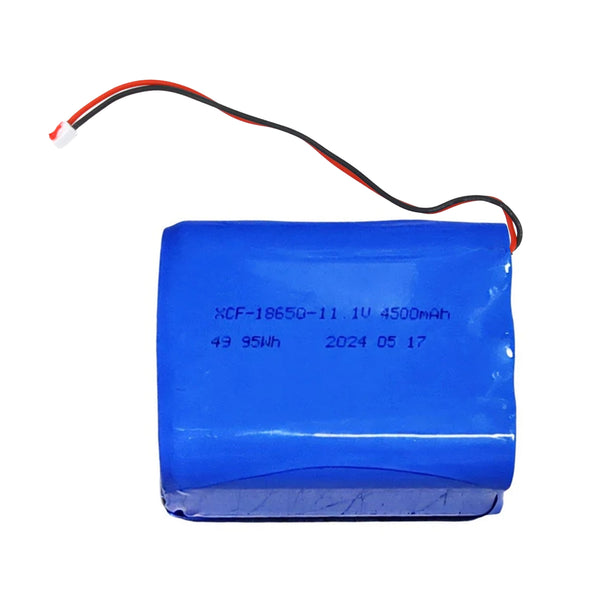
Battery: 3.7V 3000mAh built-in lithium battery
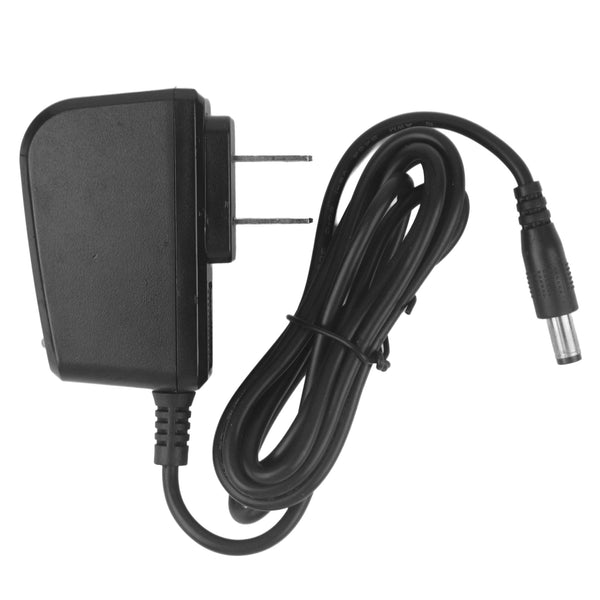
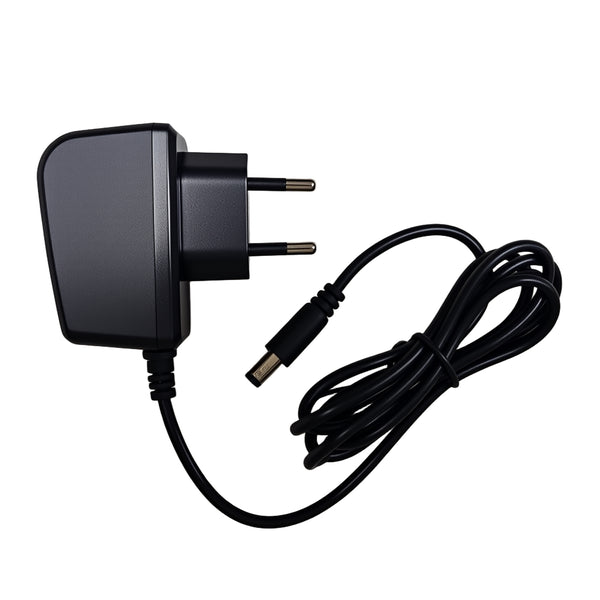
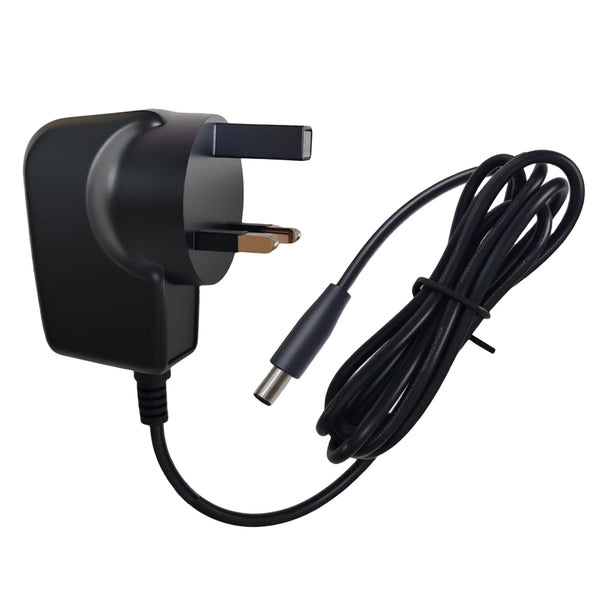
Charger: 5V 2A
Charger Time: About 4-5 hours
Battery Indicator: 4bar
Battery Working Time: About 10 hours
Signal Strength: 7gear
Sensitivity Adjustable: Support
Speaker: Support
① Press and hold to turn on the locator.
② Set the mode to “Far.” Press the “SEN+” button to adjust the sensitivity to the maximum value (7). You will hear noise from the speaker. (You can adjust or turn off the volume by pressing the “SOUND” button.)
③ Hold the receiver and walk around the area where you want to estimate the location, slowly sweeping it back and forth.
④ When the correct direction of the transmitter is detected, the signal will become stronger; otherwise, it will become weaker.
⑤When the signal display is full, slowly reduce the sensitivity by pressing the “SEN‑ ” button.
⑥ Keep the receiver parallel to the ground and slowly move closer to the transmitter. When the sensitivity is adjusted to the minimum value (1) and the signal display remains full, switch the mode to “Near.”
① Use the steps above to find the approximate location of the transmitter and switch the mode to “Near.”
② Press the “SEN+” button to adjust the sensitivity to the maximum value (7). Hold the receiver and slowly sweep it back and forth within the approximate transmitter location. The closer you are to the exact transmitter location, the stronger the signal will be; otherwise, it will become weaker.
③ When the signal is displayed at its strongest, slowly lower the sensitivity by pressing the “SEN‑ ” button.
④ When the sensitivity is adjusted to the minimum value (1) and the signal display is still at its strongest, pinpoint the transmitter as follows: find the spot where the signal is strongest, then hold the locator with its handle
vertical to the ground. The transmitter will then be located within about 0.8 m (2.6 ft) of that spot.
1. Loosen the locking knob.
2. Adjust the handle to the desired angle.
3. Firmly tighten the knob to secure the angle of the handle.
Note:
1. If you need to readjust the handle angle, always loosen the locking knob first.
2. After tightening the knob fully, loosen it by a half turn to prevent overtightening.
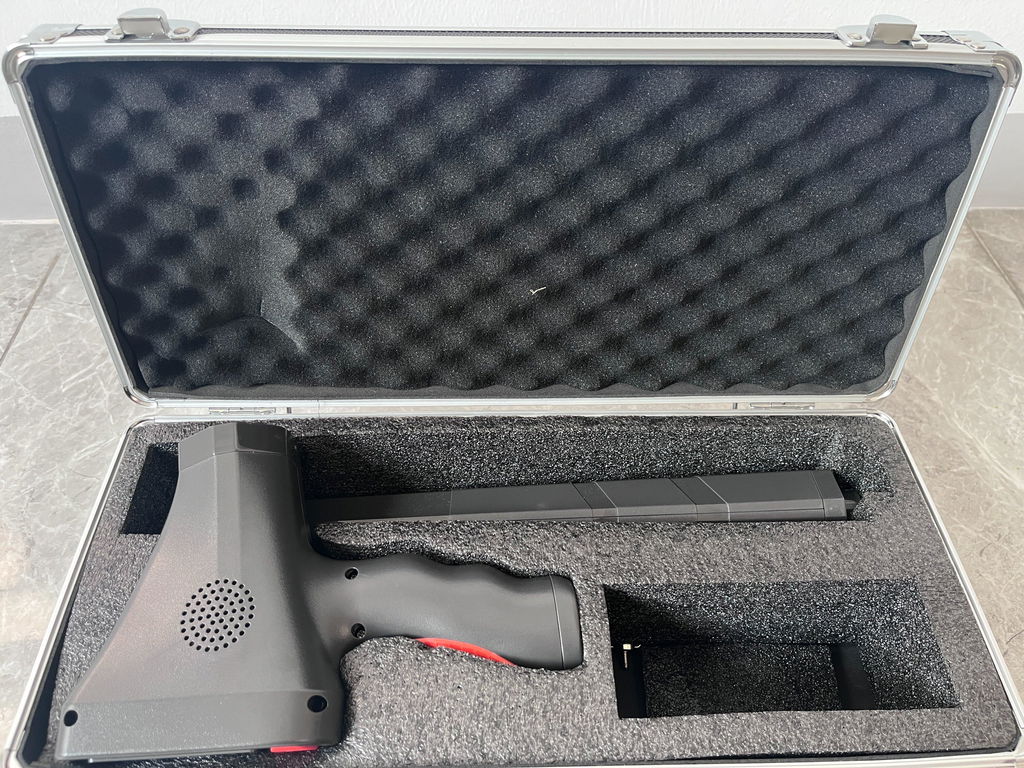
1 *Zippered Carrying Case
1 *Locator
1 *Instruction Manual
1 *Charger
1 *Earphones
Customers praised this drain/sewer camera locator for its effectiveness in finding buried pipes. It "worked great" for downspout detection and pairs well with sewer cameras. While one reviewer noted the transmitter battery died quickly and location precision could be better, customer service was "very kind and client oriented." Overall valued for durability and reliability.
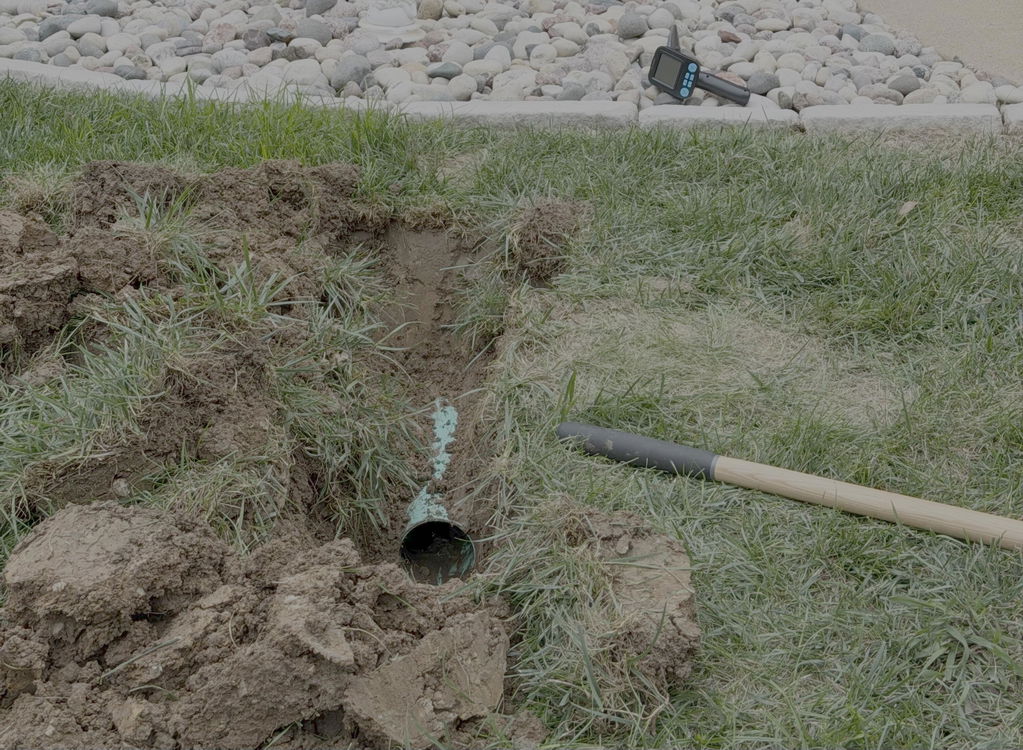
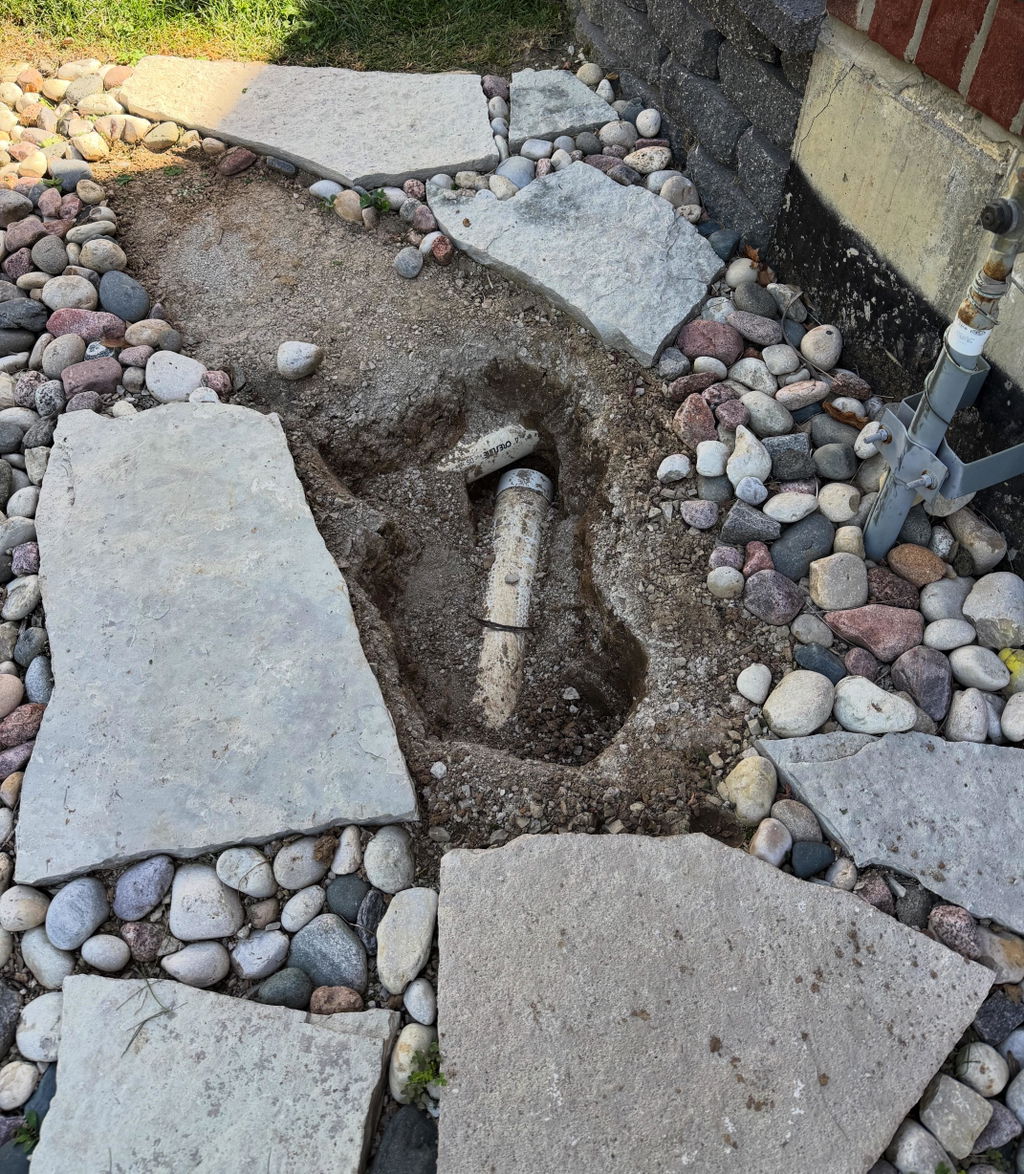
I dug up 2 buried downspouts with this, worked great. Note that the camera transmitter points the opposite direction of the camera, so when you feed the camera all the way to the blockage, the locator is going to signal a location that is about a foot behind the blockage.
Easy to use right out of the case. Great tool for plumbers and drain inspection work.
I bought the Sanyipace locator to pair with my sewer camera, and it works flawlessly. The sensitivity adjustment is super responsive, and I was able to find my buried drain lines in just a few passes. Very reliable device for professional locating.
do not show exact location, battery on transmiter died in 30min, I did contacted the customers service and they were very kind and client oriented and worked with me to solve the isse,
Came very quick
As a plumbing contractor, I appreciate how rugged and durable the locator is. Excellent value for a 512 Hz locator.
I can't find my septic tank; will this system help me find it? Will the receiver work with any of the other 512 hz transmitters? How deep underground will the receiver detect the transmitter?
HI Stan.Thank you for your questions.
This locator is compatible with any 512 Hz transmitters. Please note this unit does not feature depth‑measuring capability.
Its maximum detection range is as follows:
Far Mode: Approx. 6 m (19.7 ft)
Near Mode: Approx. 3 m (9.8 ft)
It can help you locate your septic tank if the connected 512 Hz transmitter is placed inside the tank pipeline.
If you have any further questions, feel free to let me know.
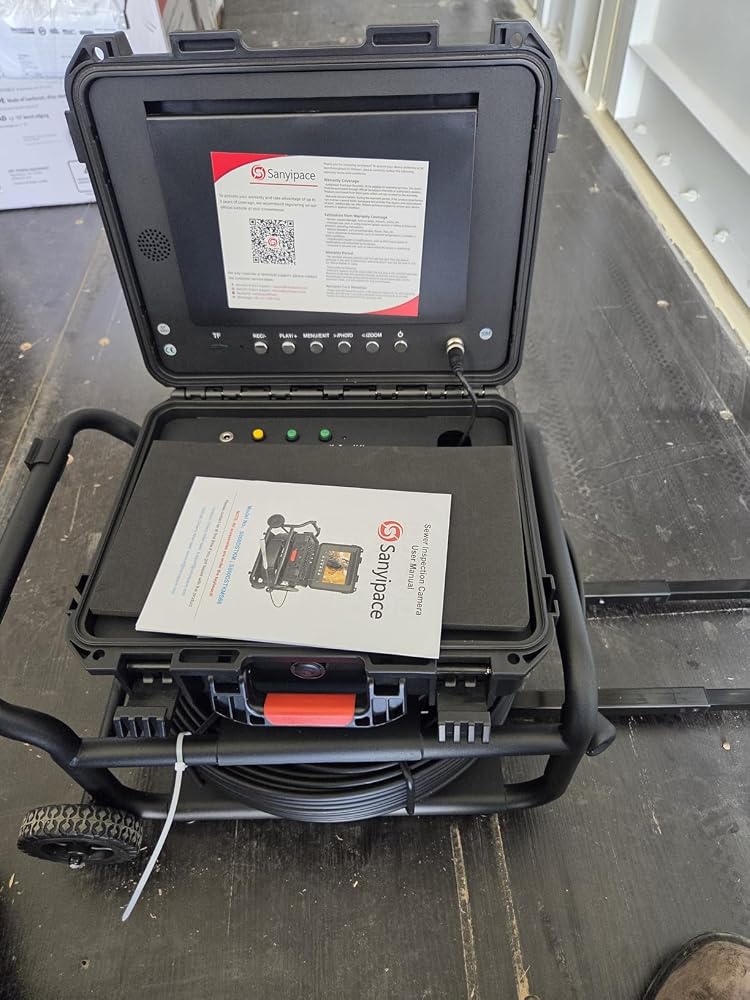
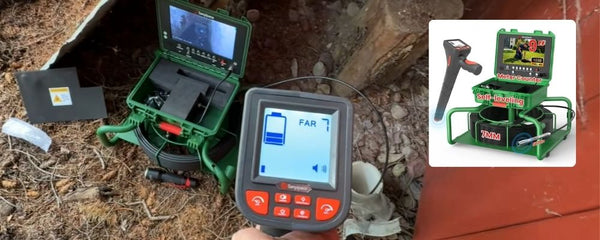
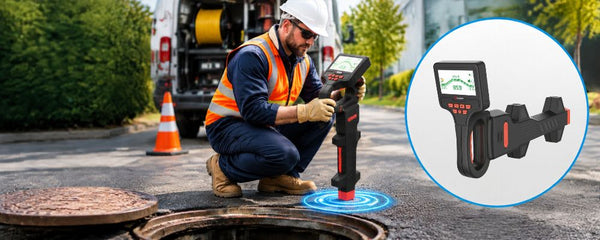
The S58R is a handheld 512Hz receiver designed to detect compatible underground transmitters, including those built into sewer inspection camera heads. It helps plumbers and contractors locate underground camera heads and narrow down inspection points from above ground.
No. The S58R helps locate the underground position of a compatible 512Hz transmitter but does not display a numerical depth measurement. For depth measurement, consider the SANYIPACE S88R locator.
The built-in 3.7V 3000mAh rechargeable battery provides approximately 10 hours of operation. Charging takes about 4–5 hours using the specified 5V 2A charger.
The S58R is designed for professional plumbers, sewer inspection contractors, drain repair technicians, and property maintenance teams who regularly use compatible 512Hz transmitters to locate underground pipe inspection points.
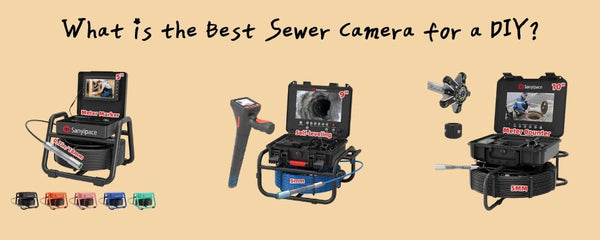
SANYIPACE offers three 512Hz pipe locators with different features to meet various underground locating needs:
Whether you need basic underground locating or additional depth measurement, you can choose the model that best suits your inspection and repair needs.