



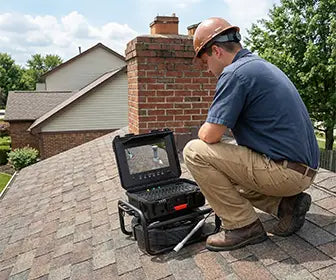
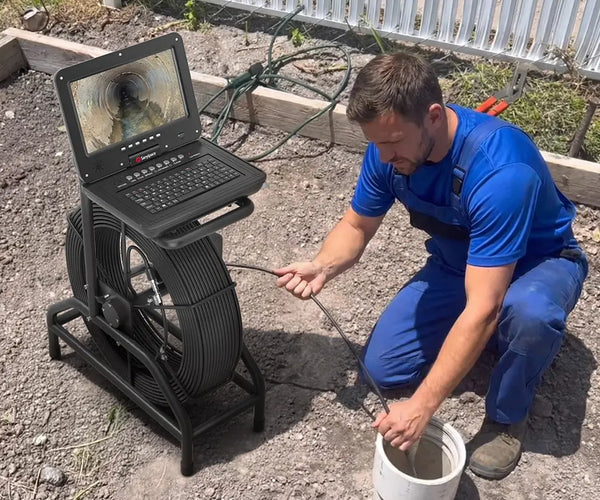
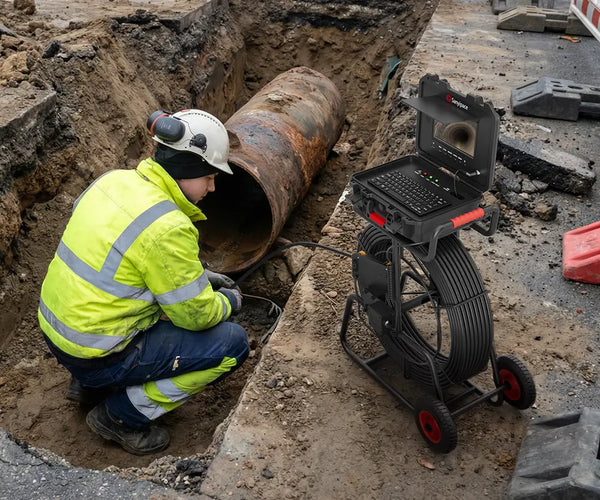
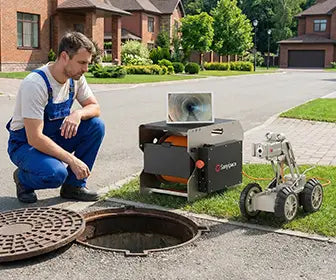




How Does the Sanyipace Sewer Camera Compare to Other Brands?
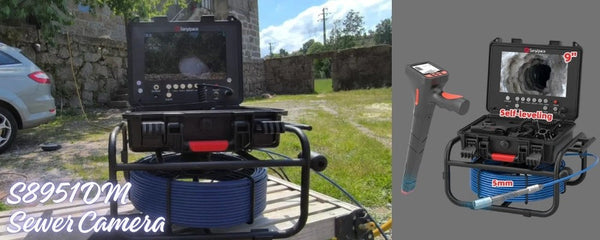
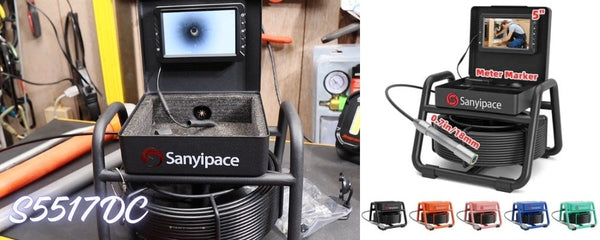
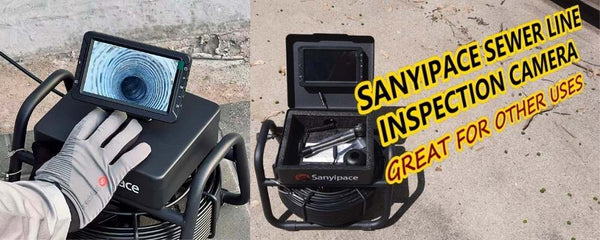
Sanyipace is a sewer inspection camera brand founded in 2018, built around one simple idea: make pipe inspections easier and less stressful. Instead of guessing what’s going on underground—or tearing things apart and digging just to find the problem—you can quickly spot clogs, cracks, or root intrusion and avoid expensive repair bills.
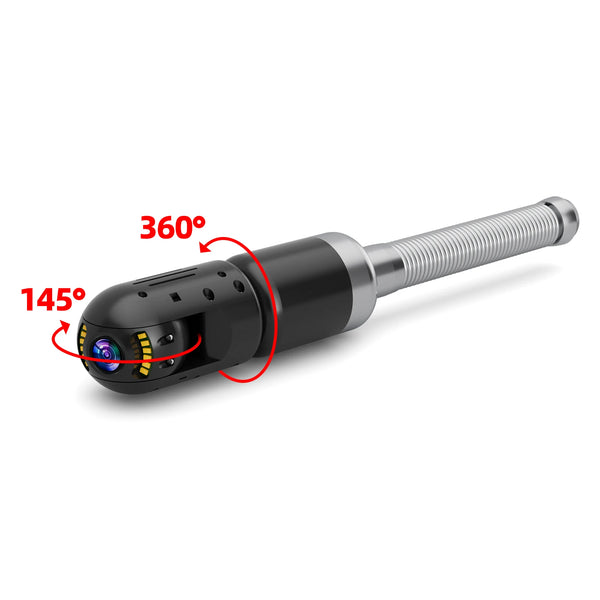
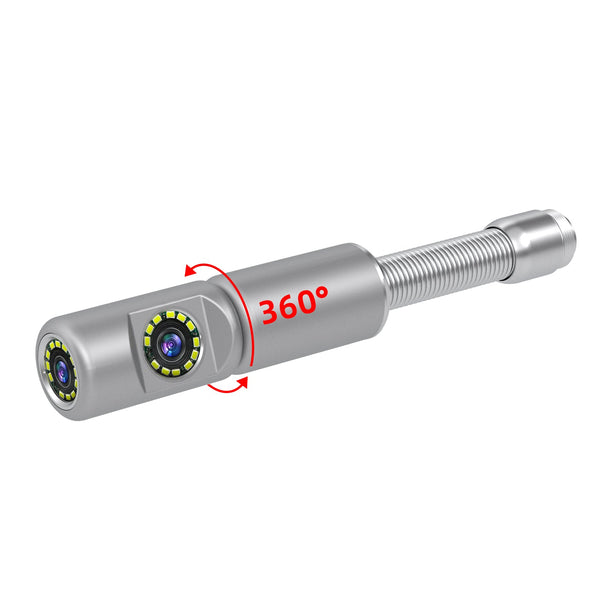
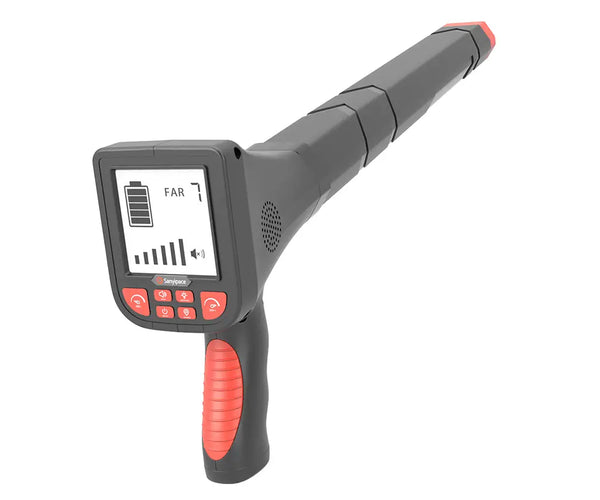
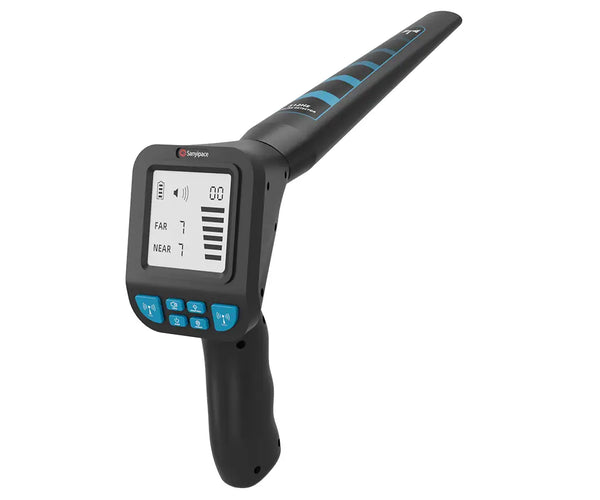
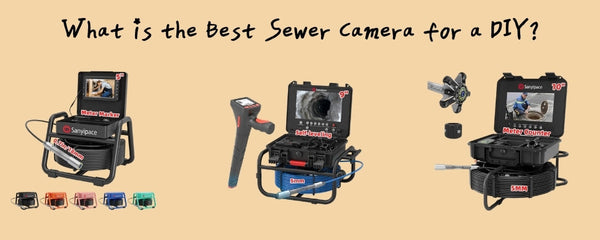
Their lineup is also straightforward. Sanyipace focuses on keeping things beginner-friendly and budget-conscious, while offering the features people actually care about—clear video, solid build quality, and upgrades like 512Hz locating and self-leveling on higher-end kits. That makes it a realistic option for everyone, from homeowners conducting DIY checks to professionals who need a dependable inspection camera for everyday tasks.
So how does it really stack up against the big names on the market? In this article, we’ll compare Sanyipace to other popular brands feature by feature, so you can see what it does better, where it falls short, and whether it’s worth buying for your needs.
1. Sanyipace vs Ridgid Sewer Camera

If you want 90% of the pro-level features but only want to pay around 20% of the price, you can confidently go with a Sanyipace sewer camera.
If you need maximum reliability, TruSense HDR image performance, and you have a budget with no real ceiling, RIDGID is worth considering.
|
Category |
Sanyipace (Best Value Pick) |
RIDGID (Pro-Grade First Choice) |
|
Typical price range |
Mid-range ($200–$3,000) |
Premium ($2,500–$8,000+) |
|
Image quality |
1080p HD (IPS display) |
TruSense HDR (High Dynamic Range) |
|
Key features |
Self-leveling, 512Hz locating, distance counter, adjustable lighting, and DVR recording |
Wi-Fi sharing, cloud-based reporting, and HDR imaging technology |
|
Durability |
High (stainless steel/sapphire lens) |
Top-tier (rugged, industrial-grade build) |
|
Battery life |
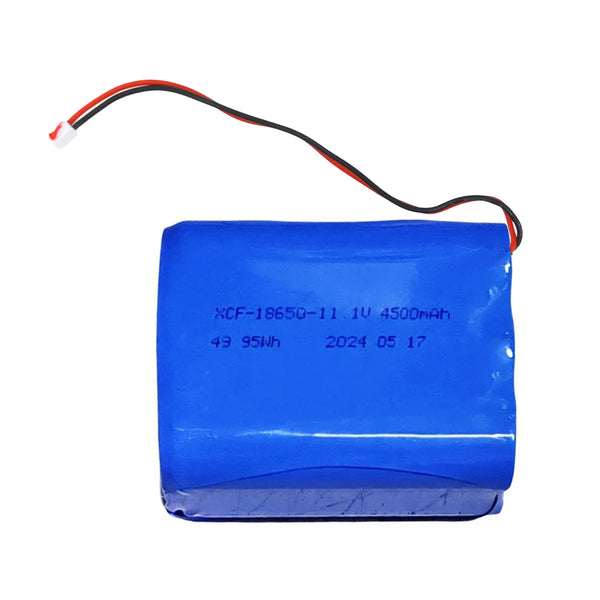
6–8 hours (built-in 4500mAh) |
Often external power or a dedicated battery system |
|
Parts & repairs |
Official replacement parts available |
Global service/repair network |
|
Warranty |
1 year (upgradeable to 3 years) |
Lifetime warranty (manufacturing defects) |
Sanyipace’s biggest advantage is simple: for less than half the cost of RIDGID, it delivers most of the core functions you need for professional diagnosis—like self-leveling, 512Hz locating, and distance counting. For buyers who want real efficiency but need to stay within budget, it’s a high-ROI option.
For more details, click to view this article: RIDGID VS SANYIPACE: Which One is Right for You?
2. Sanyipace vs. Vevor Sewer Camera

Sanyipace is built like a tool you can actually work with. Vevor, on the other hand, often feels more like a gadget you use once just to “take a quick look.”
|
Comparison Category |
Sanyipace (Upgraded Value Pick) |
Vevor (Budget Entry Option) |
|
Typical price range |
$200–$3,000 |
$300–$1,500 |
|
Display type |
IPS wide-view screen (better outdoor visibility) |
Basic TFT screen (narrow viewing angles, washes out easily) |
|
Cable quality |
Stiffer fiberglass push cable (less kinking/tangling over longer runs) |
Softer cable (more likely to bend/kink/tangle past ~50 ft) |
|
Repairability |
High — replacement parts like the camera head, battery, and cable are typically available |
Low — parts are hard to find; if it breaks, it’s often a write-off |
|
Best for |
Home inspectors, solo plumbers, frequent DIY users |
Homeowners who need it once, or those on an extremely tight budget |
Compared with Vevor, what you’re paying extra for with Sanyipace is practical usability: an IPS screen that’s actually readable in daylight, plus the ability to replace parts and keep the system running long-term—so you’re not stuck with a “one-and-done” tool that gets tossed the moment something fails.
3. Sanyipace vs. Milwaukee Sewer Camera

This is a cross-class comparison—consumer-grade value vs. industrial-grade ecosystem. Milwaukee is an expensive productivity platform built around a tool ecosystem, while Sanyipace is a standalone, budget-friendly solution.
|
Comparison Category |
Sanyipace (Standalone Value Option) |
Milwaukee (Industrial Ecosystem Option) |
|
Typical price range |
$200–$3,000+ |
$6,000–$10,000+ (M18 modular system) |
|
Power system |
Built-in 4500mAh dedicated lithium battery |
M18 battery platform (shared with other Milwaukee tools) |
|
Key strengths |
High ROI, faster payback, all-in-one design |
Modular setup (swappable hubs), ONE-KEY™ tracking & anti-theft features |
|
Imaging & storage |
1080p recording to SD card |
HD imaging + app connectivity + digital report generation |
|
Best for |
Budget-conscious small contractors, startups, and frequent DIY users |
Larger crews, municipal teams, or pros already invested in the M18 ecosystem |
Sanyipace delivers about 90% of the core inspection functions most users need, but at roughly one-tenth the cost of Milwaukee. For small to mid-size users who don’t need smart connectivity or a shared battery platform, Sanyipace usually pays for itself much faster.
4. Sanyipace vs. Anysun Sewer Camera

A true head-to-head match. Specs are very similar, but Sanyipace tends to win on screen experience and a more complete parts/support ecosystem.
|
Comparison Category |
Sanyipace (Experience-Optimized) |
Anysun (Direct Competitor) |
|
Typical price range |
$200–$2,000 |
$350–$1,550 |
|
Screen size |
Main models upgraded to 9" / 10" IPS larger displays |
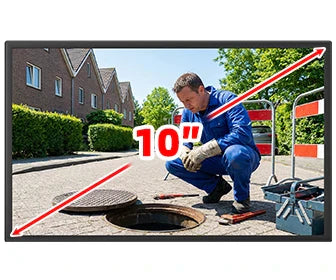
Commonly 7" or 9" (some older models are non-IPS) |
|
Parts & accessories ecosystem |
Strong — dedicated online parts store, easier to buy replacements |
Average — parts channels are scattered; some models have limited/no parts availability |
|
Feature overlap |
Both typically offer self-leveling, 512Hz locating, distance counter |
Both typically offer self-leveling, 512Hz locating, distance counter |
|
Best for |
Users who care about comfortable viewing and easier long-term repairs |
Buyers who are extremely price-sensitive and can find a specific discounted model |
When pricing and core specs are nearly the same, Sanyipace usually comes out ahead for two practical reasons: a larger IPS display that’s easier to view, and a more complete official parts catalog, which makes repairs and long-term ownership simpler than with many Anysun kits.
5. Sanyipace vs. USA Borescopes Sewer Camera

This is really a choice between overseas direct pricing and U.S.-based service. USA Borescopes sells American support, tighter QC, and local repair options. Sanyipace sells aggressive factory-direct value.
|
Comparison Category |
Sanyipace (Factory-Direct Value) |
USA Borescopes (U.S. Service Advantage) |
|
Core features |
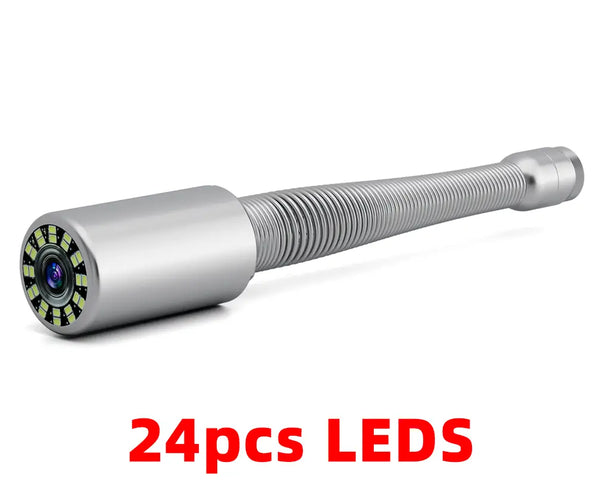
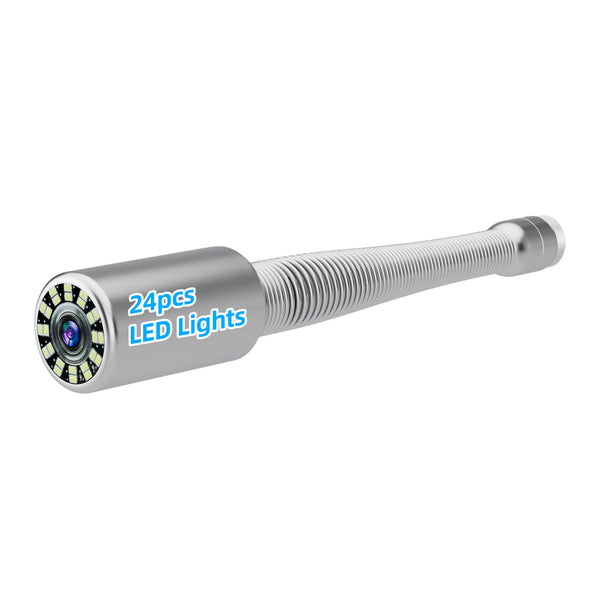
Self-leveling, locating, distance counter, upgraded 24 adjustable LEDs |
Locating, distance counter, adjustable settings/features (varies by model) |
|
Typical price range |
Low to high ($200–$2,000) |
Mid to premium ($2,000–$7,000+) |
|
After-sales support |
Email/online support, parts shipped as needed |
U.S.-based phone support + domestic repair/service center |
|
Product positioning |
DIY home inspections, property maintenance, and plumbing troubleshooting |
Range from value units to specialized industrial systems (ultra-small pipes, explosion-proof, etc.) |
|
Best for |
Hands-on users who can swap parts and want maximum value |
Government/enterprise buyers who need purchasing support (business accounts), compliance, and guaranteed local service |
If you’re comfortable doing basic maintenance—like replacing a camera head or cable—Sanyipace can often get you similar specs for half the price (or less) compared to USA Borescopes, mainly because you’re skipping the “middleman” cost baked into U.S.-based service and support.
Why Choose the Sanyipace Sewer Camera?

Based on a comprehensive analysis of the sewer camera market, here are the key reasons to choose a Sanyipace sewer camera:
High Return on Investment: Sanyipace offers near-professional features, such as self-leveling camera heads and 512Hz locators, at a price point significantly lower than industry leaders like Ridgid. It provides approximately 90% of the core functionality for about 20-30% of the cost.
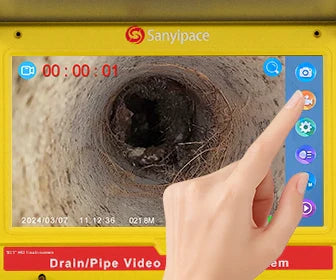
Superior Visual Experience: Unlike many budget competitors that use standard TFT screens, Sanyipace utilizes IPS screen technology. This provides a wider 178° viewing angle and better brightness, ensuring clear visibility even in outdoor sunlight.
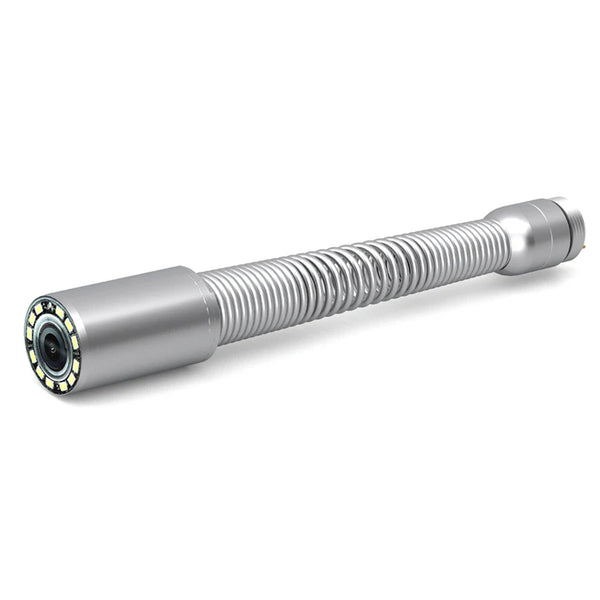
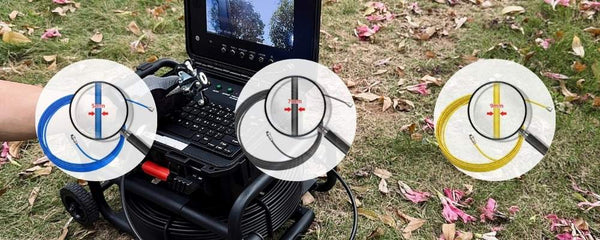
Enhanced Durability and Usability: The cameras feature robust components like stainless steel heads and sapphire lens covers. The push cables are made of stiffened fiberglass, making them easier to push over long distances (100ft+) without kinking, a common issue with cheaper alternatives.
Long-Lasting Battery Life: Equipped with a 4500mAh battery, Sanyipace cameras offer a continuous working time of 6-8 hours, sufficient for a full day's work without needing to recharge.
Excellent Serviceability: Sanyipace maintains a complete online store for replacement parts, including pipe camera heads, batteries, and cables. This high degree of repairability extends the lifespan of the tool and lowers the long-term cost of ownership, a significant advantage over brands where a broken part means replacing the entire unit.
Who is Sanyipace For?

|
Don't Buy Sanyipace If... |
Do Buy Sanyipace If... |
|
You inspect municipal main lines 8 hours a day, every day. (Buy Ridgid) |
You are a plumber doing 3-5 residential inspections a week. |
|
You need a tool for a single, one-time use. (Buy Vevor) |
You are a home inspector or flipper who needs reliable proof for clients. |
|
You need extreme HDR clarity for highly reflective water. |
You want professional features (Leveling/512Hz) but want to keep $2,000 in your pocket. |
Fnally
Finally, to sum it up: Sanyipace sewer cameras offer excellent value for the money. Since the brand was founded, Sanyipace has focused on delivering sewer camera kits that are easy to use, practical, and budget-friendly.
In recent years, Sanyipace has continued to innovate by combining the core features most users want in one system—512Hz locating, self-leveling, distance counting, DVR recording, adjustable lighting, and a 1080p HD camera—in a setup that’s portable and simple to operate.
Price-wise, Sanyipace typically falls in the $200–$3,000 range, and in many cases, you can get a kit with all the key features for around $1,000+.
Ready to choose yours? Click now to browse the sewer inspection camera that fits your needs!
FAQ

Is Sanyipace Good for Homeowners and DIY use?
Yes. Most Sanyipace kits are designed to be beginner-friendly and “plug-and-go,” so homeowners can locate common issues like clogs or root intrusion without guessing.
How Does Sanyipace Compare to RIDGID (SeeSnake)?
Sanyipace delivers most of the core inspection features many users need (clear video, lighting, 512Hz locating, self-leveling, distance counting, DVR) at a much lower cost. RIDGID is typically the better fit for crews who need maximum durability, HDR-style imaging advantages, robust workflows, and premium support.
What Is 512Hz Locating, and Do I Really Need It?
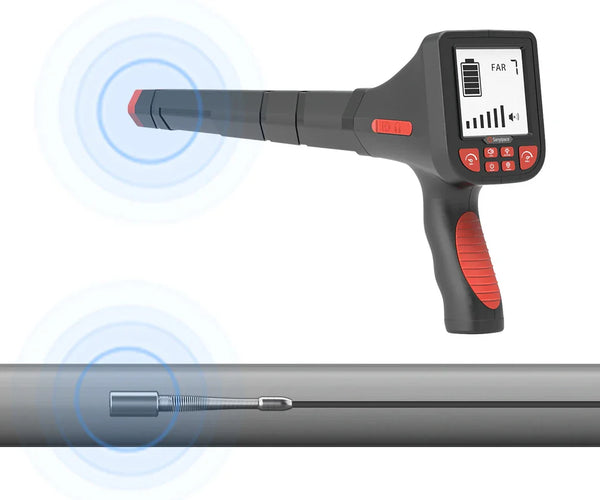
512Hz is a transmitter frequency used with a locator to pinpoint the camera head underground. If you need to find the exact spot to dig or repair, it’s extremely helpful. If you’re only checking short indoor runs, it may be less important.
Is Self-Leveling Worth Paying Extra For?
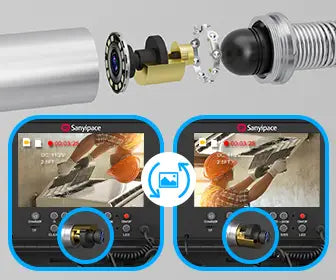
Usually, yes. Self-leveling keeps the image upright, making cracks, offsets, and root intrusion easier to interpret—especially when you’re showing footage to a customer or homeowner.
Is 1080p Enough, or Do I Need HDR?
For most everyday diagnoses (clogs, cracks, roots, buildup), 1080p is more than enough. HDR can help in difficult lighting conditions and may show more detail in high-contrast scenes, but it typically comes at a premium price.
What Cable Length Should I Choose?
For many homes, 100–165 ft (30–50 m) is a practical starting point. If you often inspect longer outdoor main lines, consider 230–328 ft (70–100 m). Longer cables cover more distance but are heavier and can be harder to push through bends.
What Pipe Sizes Work Best with a Push Camera? Can it Pass 90-Degree Bends?
Push cameras commonly work best in 2–8-inch pipes. Passing bends depends on camera head size, cable stiffness, pipe condition, and bend style (tight bends are harder). Slower pushing and a smaller head generally help.
Can I See the Screen Clearly Outdoors?
An IPS screen typically gives better daylight visibility and wider viewing angles than a basic TFT screen. If you work outside often, IPS is a big plus.
Why Does Recording (DVR) Matter?
Recording helps you document evidence, compare “before vs. after,” and share proof with customers or family. It also supports better quoting and reduces disputes.
This list compiles the best sewer cameras for 2026. Click to find your favorite sewer equipment!


Leave a comment