







Inspection Camera: What Is It & Types?
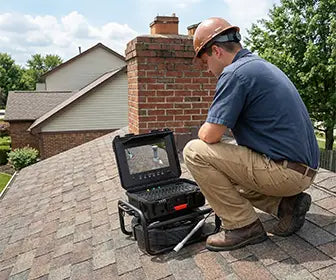
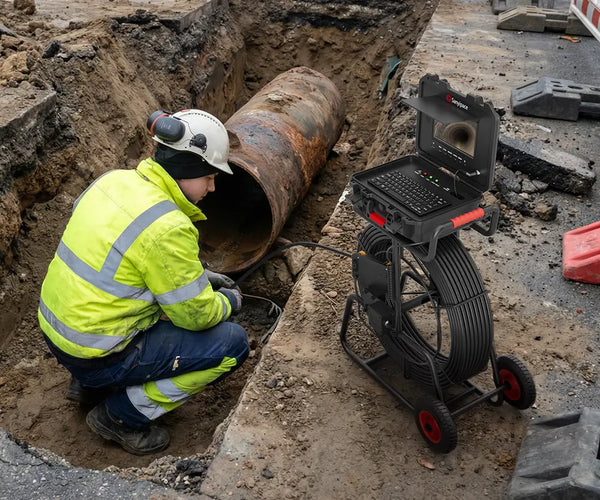
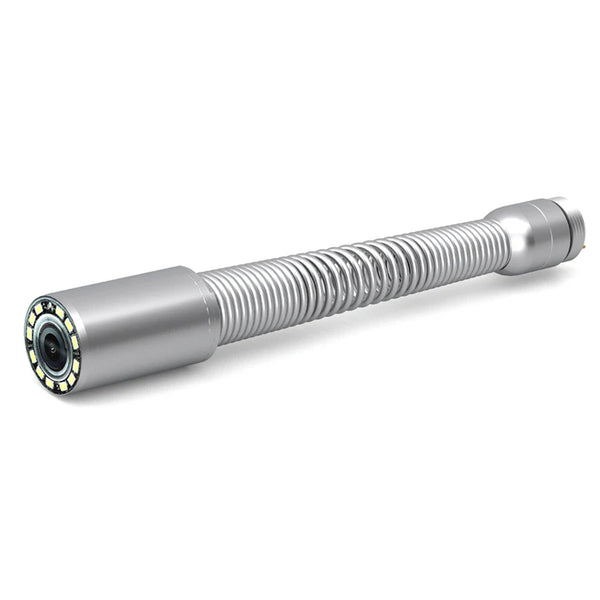
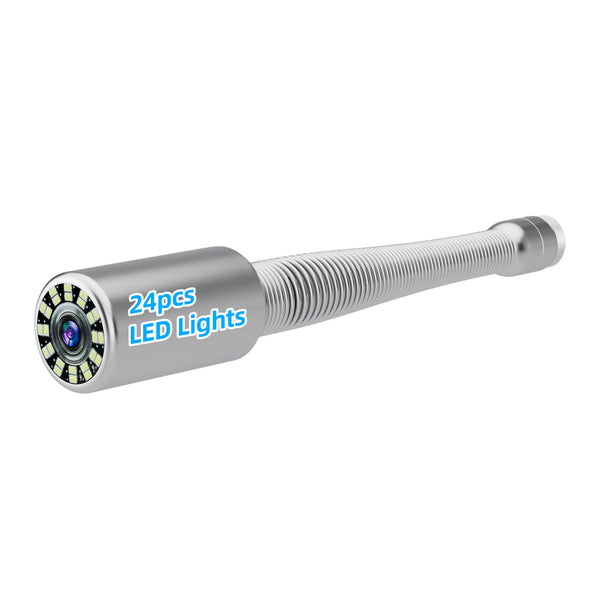
An inspection camera is a professional diagnostic tool equipped with a flexible cable and a miniature high-definition camera. It is specifically designed to access hidden spaces that are invisible to the naked eye—such as underground pipes, wall crevices, or the interiors of machinery—to accurately locate blockages, leaks, or structural damage.
There is a wide variety of inspection cameras available, and they are widely used in different settings and fields. Understanding the different types can help you select the most suitable inspection camera for your specific application.
What Exactly is an Inspection Camera?

Think of it as an “X-ray machine” for industrial and residential maintenance. This inspection camera combines a high-intensity light source with a miniature camera, allowing you to see inside dark, hard-to-reach pipes or structural voids without having to tear down walls.
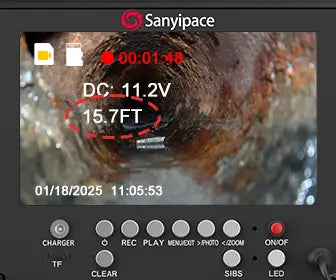
Its greatest advantage lies in its ability to detect various pipe conditions, such as leaks, tree root intrusion, blockages caused by foreign objects, or cracks. Compared to traditional troubleshooting methods, it saves time, effort, and money. It allows you to clearly identify the problem first, then decide how to fix it.
5 Main Types of Inspection Cameras
No single device handles every job. A lens built for a bathroom sink won't survive a car engine, and an automotive borescope lacks the rigidity to navigate a municipal sewer. Based on real-world applications, the industry relies on five main categories:
1. Push-Rod Sewer Cameras
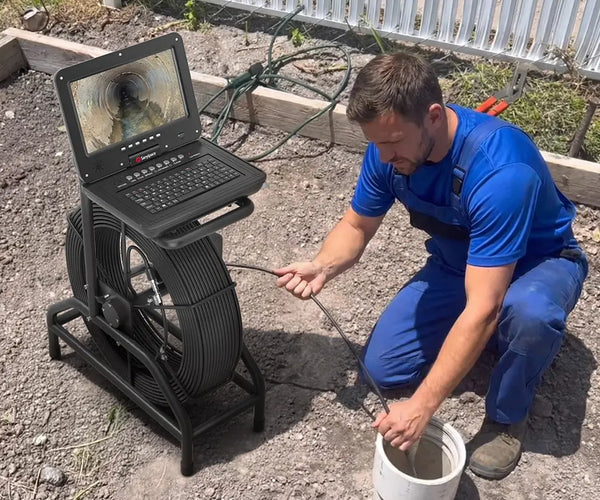
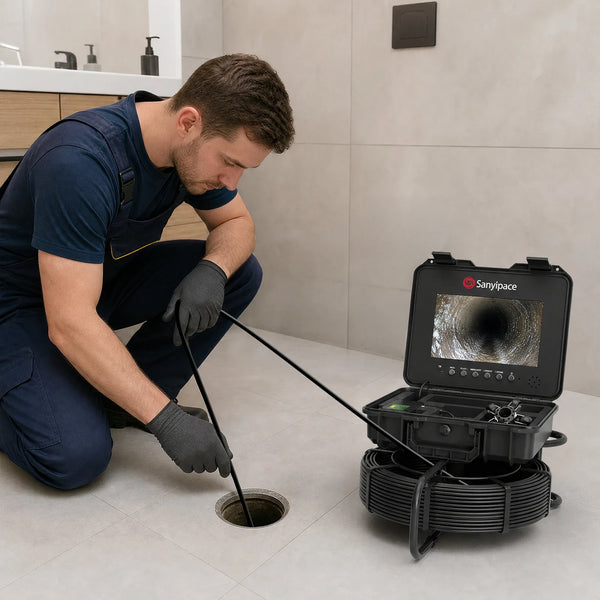
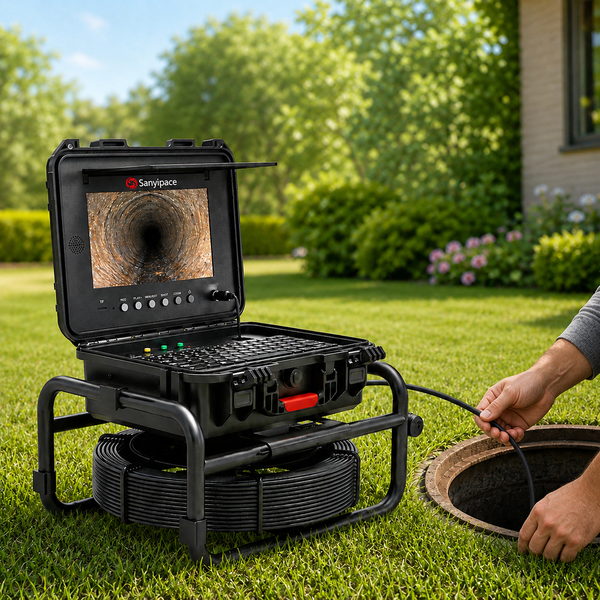
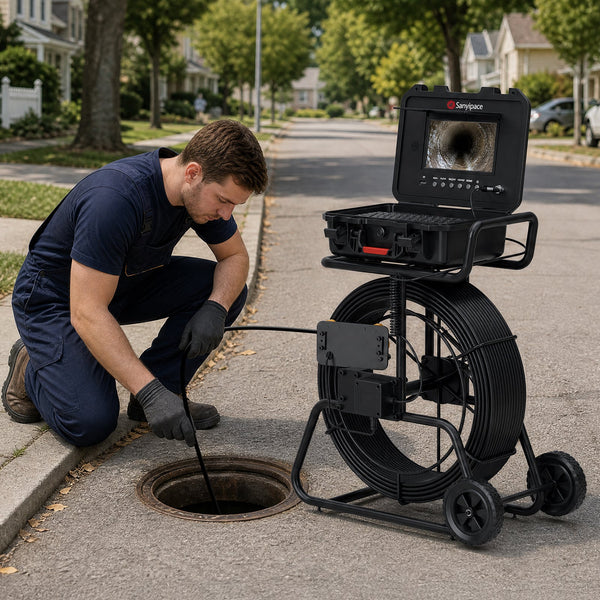
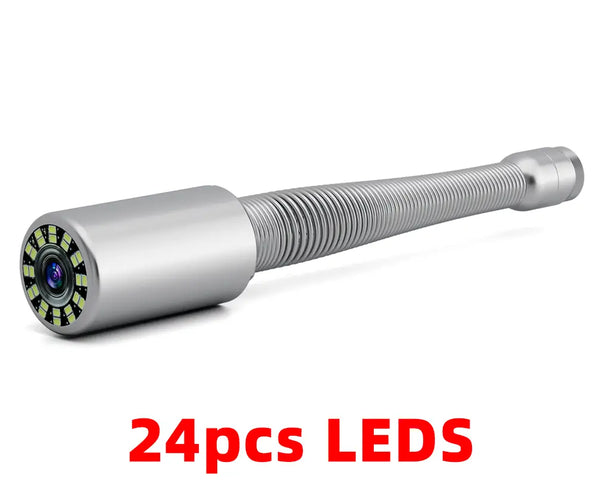
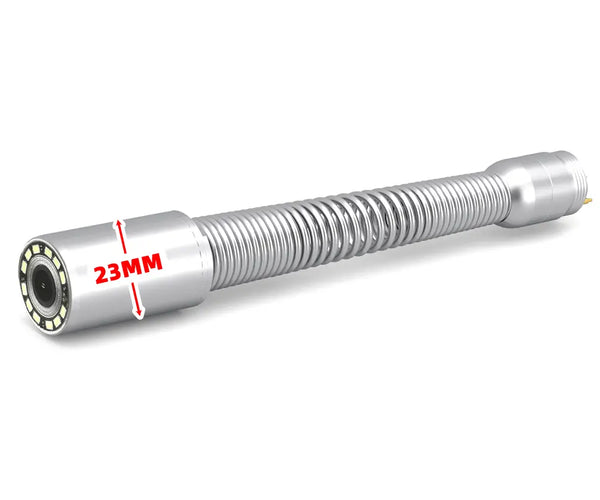
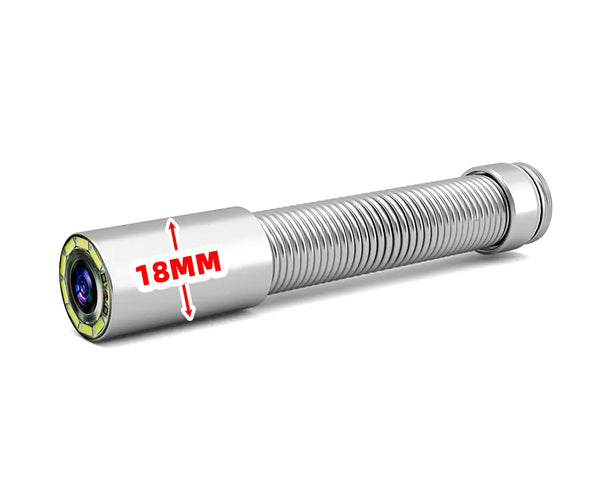
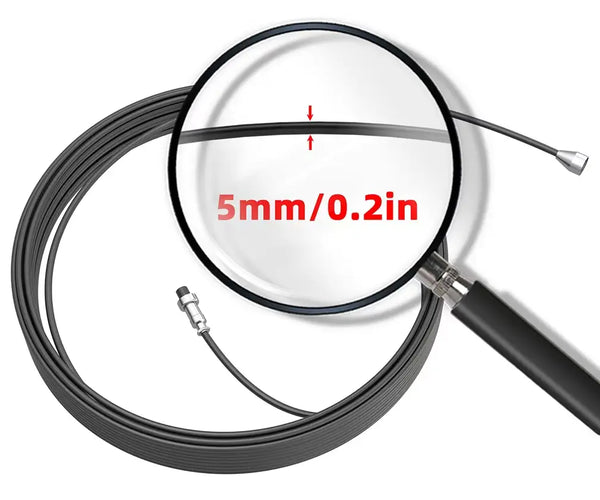
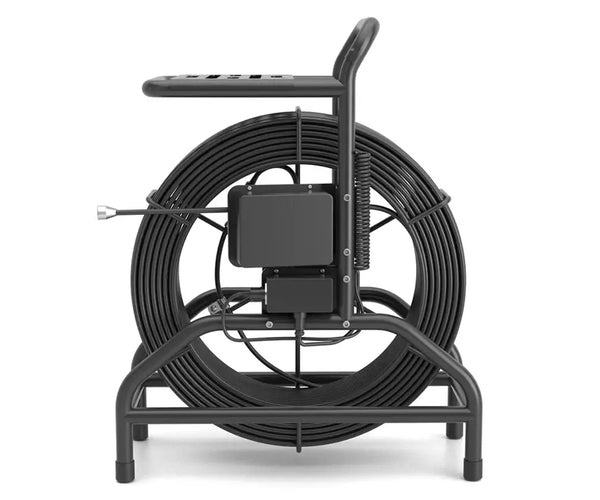
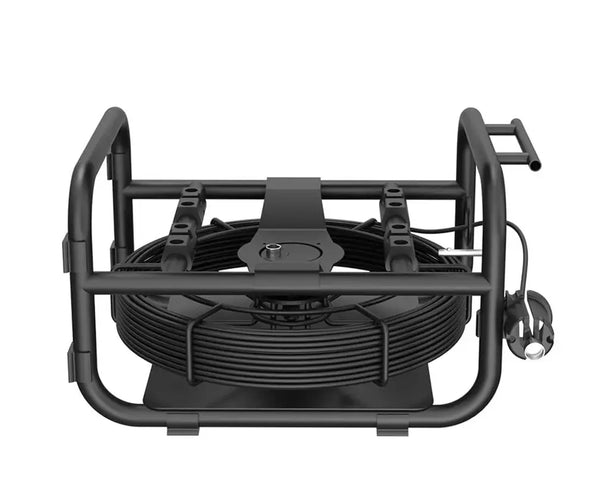
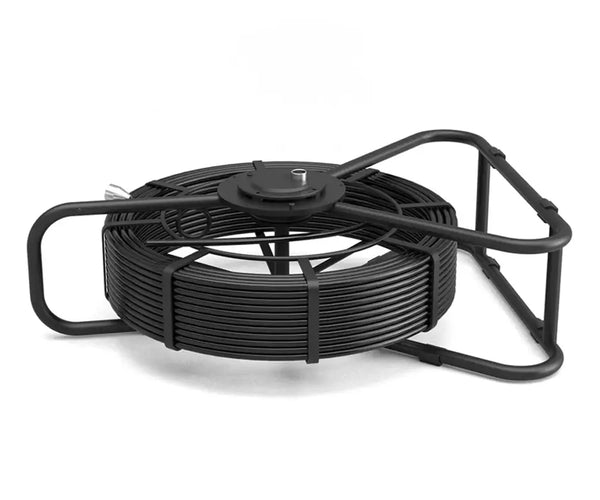
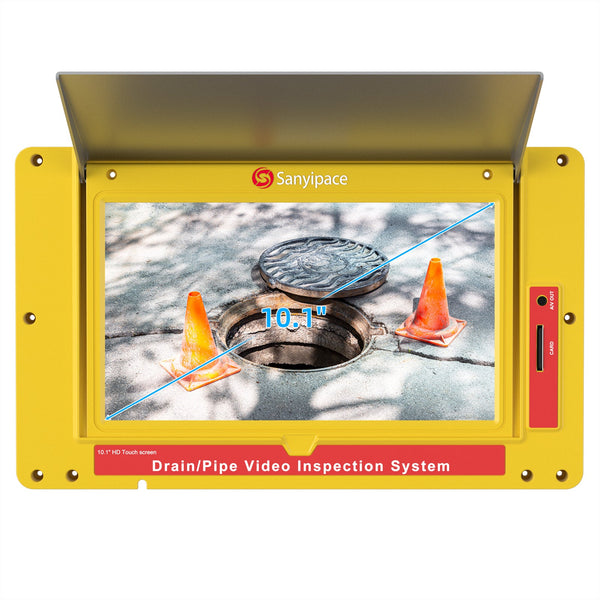
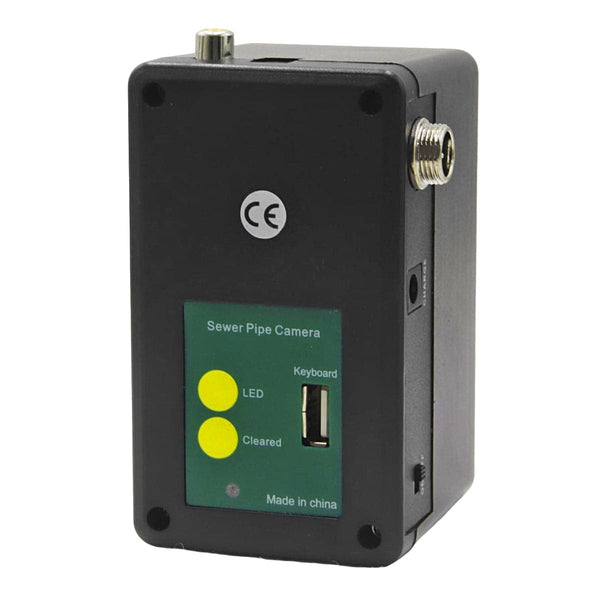
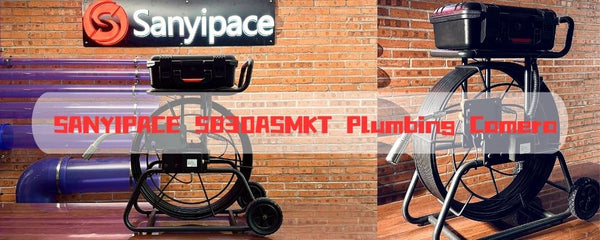
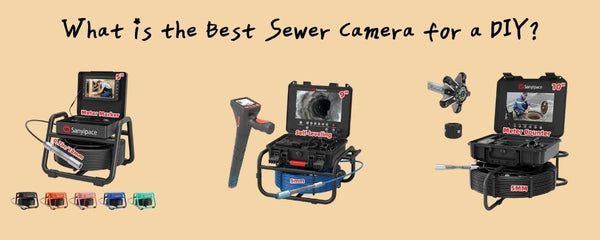
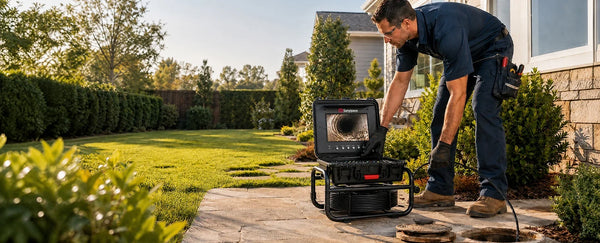
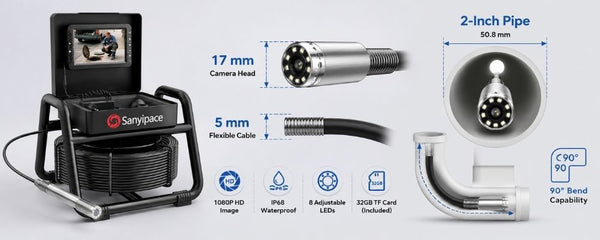
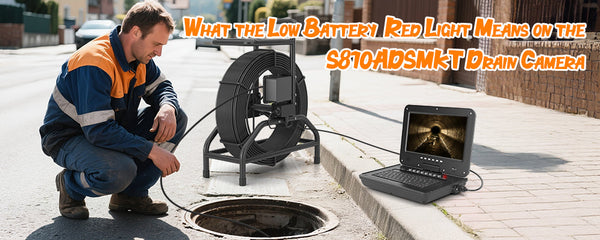
This push-rod sewer camera dominates the residential and light commercial markets and is your primary plumbing diagnostic tool. Built with a tough fiberglass cable and a waterproof lens, it balances the rigidity needed to push through blockages with the flexibility to navigate pipe bends. Plumbers and smart homeowners use it to tackle everything from 1-inch bathtub drains to 8-inch outdoor main sewer lines.

2. Rigid & Flexible Borescopes
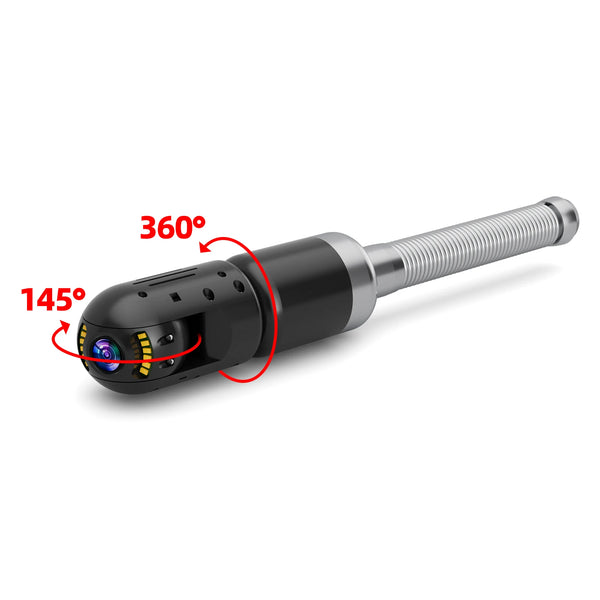
Designed for microscopic inspections via extremely thin probes. Rigid borescopes (straight metal tubes) deliver ultimate optical clarity, while articulating flexible models use joystick controls to look back 360 degrees inside impossibly tight spaces. They are essential for checking engine carbon buildup, inspecting aviation turbines, and probing HVAC crevices.
3. Crawler Inspection Systems

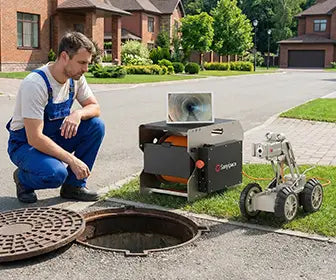
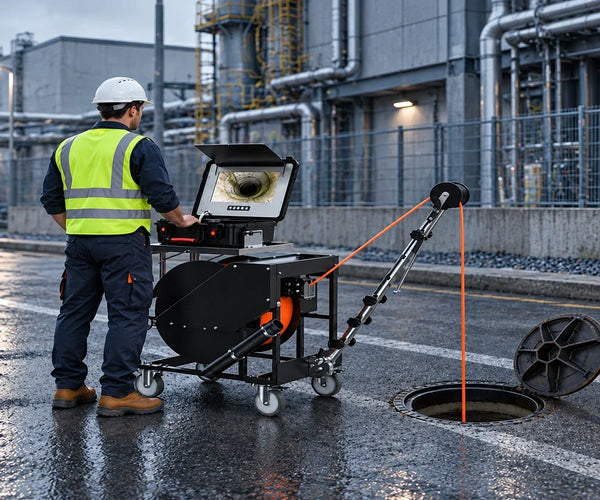
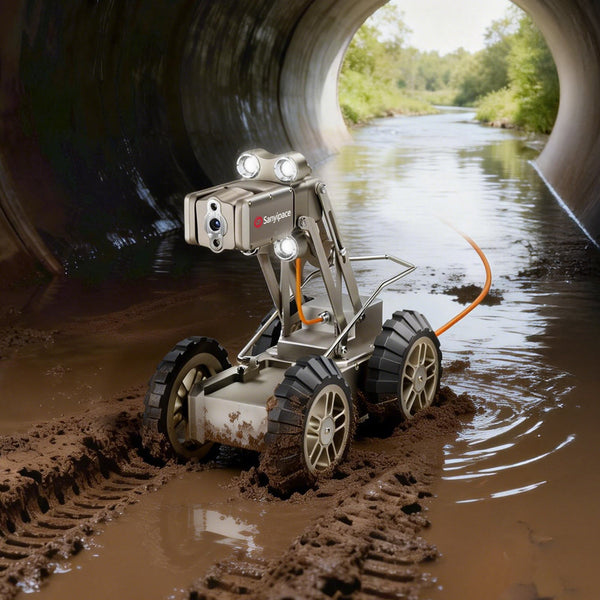
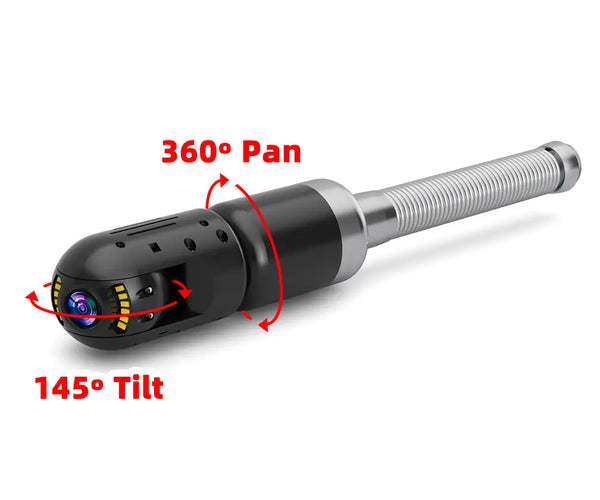
Operating completely detached from manual pushing, these are high-end, remote-controlled vehicles. Equipped with power steering and pan-tilt cameras, they cruise hundreds of meters underground to assess municipal sewer networks and heavy industrial mainlines. Given their complexity, they typically cost tens of thousands of dollars.
4. Deep Well / Drop Cameras
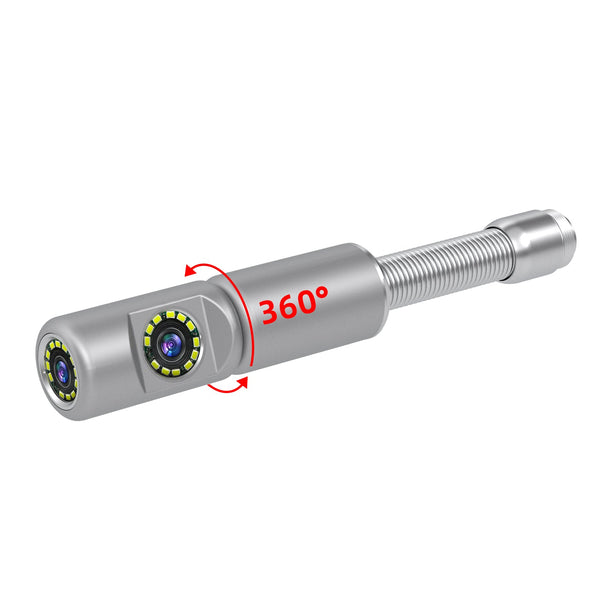
Engineered specifically for extreme water pressure and vertical drops. Instead of being pushed, they rely on gravity and high-strength Kevlar cables to lower into depths. Usually equipped with dual lenses (downward and side-view), they are the only tools capable of inspecting deep water wells, mining boreholes, and massive silos.
5. Thermal & Acoustic Imagers
Functioning entirely beyond the visible light spectrum. Thermal imagers translate subtle temperature shifts into color maps, while acoustic imagers use microphone arrays to visualize the exact source of abnormal sounds. These are your go-to tools for spotting wall insulation drafts, hidden hot water leaks, or dangerous high-pressure gas leaks.
How to Choose the Right Inspection Camera?
Buying the wrong camera is worse than not buying one at all. Skip the urge to just pay for maximum specs. Instead, filter your choice using these core metrics based on your actual pain points:
|
Core Metric |
Buying Logic |
Why Does This Matter? |
|
Cable Flexibility |
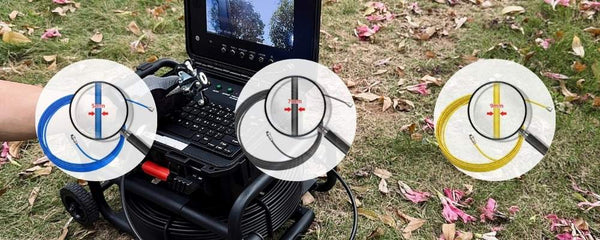
Thin/soft for small bends; thick/rigid for mainlines. |
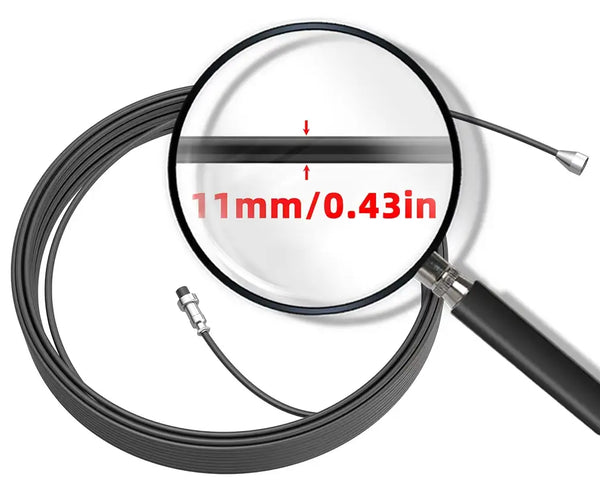
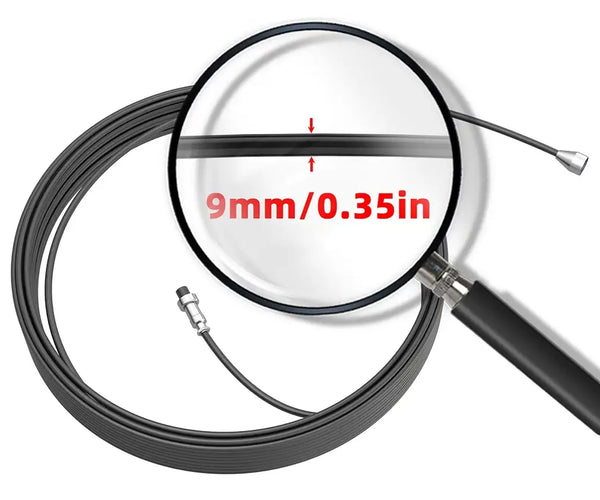
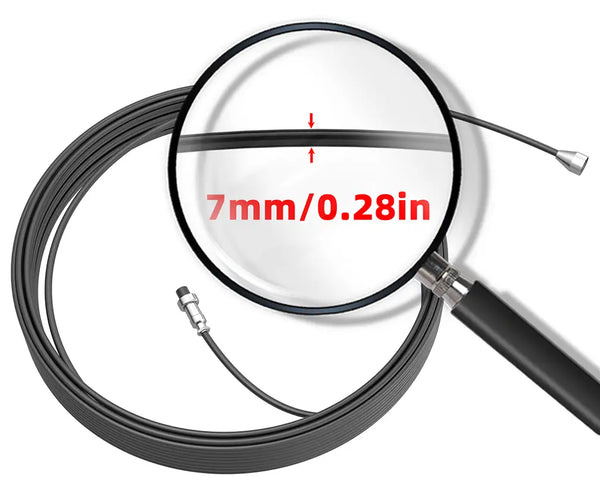
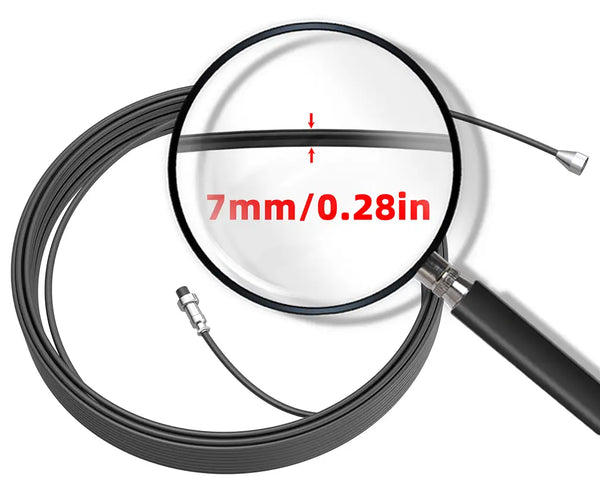
You cannot defy physics. A soft cable collapses in a large pipe, and a rigid cable won't clear a tight trap. Measure your pipe’s inner diameter first. |
|
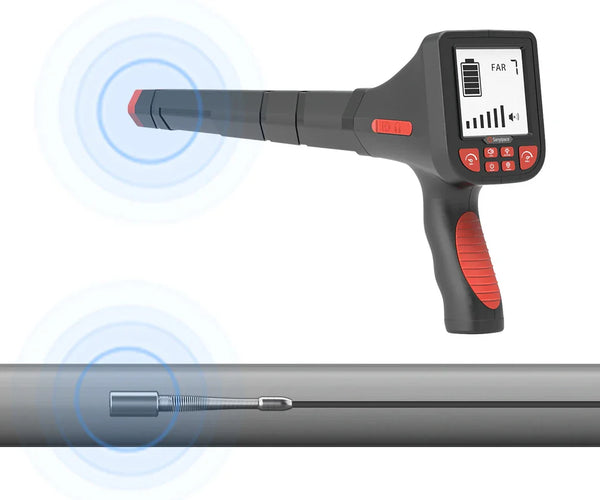
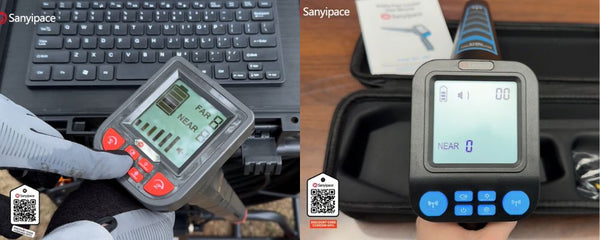
512Hz Sonde (Locator) |
Mandatory for underground pipes. |
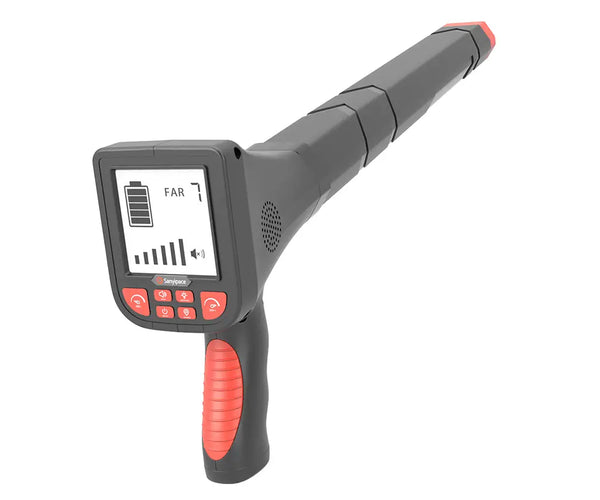
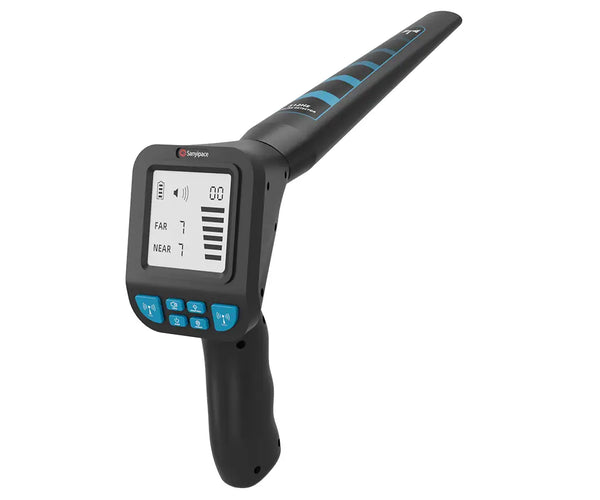
Seeing a blockage on a screen is useless if you don't know its coordinates above ground. Without a sonde, you won't know where to dig. |
|
Resolution |
1080p is the current professional baseline. |
Blurry 480p pixels make a hairline pipe crack look like a strand of hair. Crisp resolution prevents catastrophic misdiagnoses. |
|
DVR Recording |
Prioritize models with video recording and a meter counter. |
Video files are more than just notes for a repair team—they are your ironclad proof for filing property insurance claims. |
Conclusion
Inspection cameras make it easier to see inside dark, narrow, and hard-to-reach spaces without unnecessary disassembly or guesswork. Whether used for plumbing, home maintenance, automotive repair, or industrial inspection, different types of inspection cameras are designed to help users quickly locate hidden problems and improve inspection efficiency.
As the technology becomes more affordable and user-friendly, inspection cameras are gradually becoming a practical tool for both professionals and everyday homeowners.
FAQ

Q1: What is the Difference Between a Sewer Camera, Plumbing Camera, and Drain Camera?
Essentially, they are all Push-Rod Cameras. The market uses these colloquial terms based on pipe sizes. A Drain Camera typically features a small probe for narrow indoor pipes (1-2 inches). Plumbing Camera is an umbrella term for medium lines. A Sewer Camera specifically means a heavy-duty unit with a thick, rigid cable designed to punch through outdoor main lines (3-8 inches).
Q2: Is It Actually Cost-Effective for a Normal Homeowner to Buy One?
Yes. In the US, hiring a professional for a single sewer camera inspection costs between $250 and $500. A highly capable prosumer camera costs roughly $300 to $600. The moment you face your second plumbing issue, the device has paid for itself, effectively giving you free lifetime diagnostics.
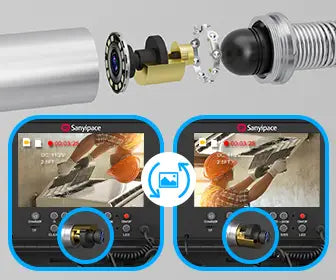
Q3: Do I Really Need the Self-Leveling Feature?
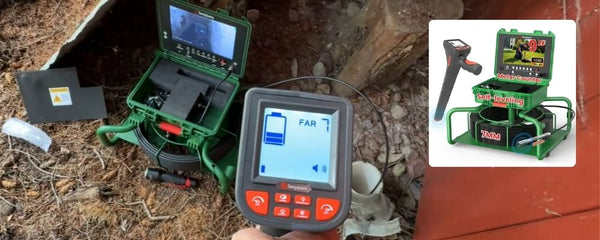
If it fits your budget, absolutely. As a camera navigates a pipe, it twists and flips. A self-leveling lens ensures your screen always shows the image upright. This dramatically reduces the risk of misjudging whether a crack or standing water is on the ceiling or the floor of the pipe.


Leave a comment