














Why Spring Is the Best Time to Check Your Sewer Line?
Why is spring the best time to check your sewer line? During the winter, freezing temperatures can crack pipes, shifting soil can misalign lines, and melting snow or seasonal rains can put extra strain on your system.
To ensure your pipes remain clear for everyday use, conducting a comprehensive inspection in the spring will help you save significant time, effort, and money.
Why Spring Is the Best Time to Check Your Sewer Line?
When spring arrives, most homeowners focus on cleaning out the garage or prepping the garden. But the most critical seasonal maintenance actually happens underground. Spring is the ideal time to check your sewer line because it’s the window when hidden winter wear and tear reveals itself.

Your pipes have just endured months of freezing temperatures that make materials brittle, while thawing soil naturally shifts and misaligns joints. As the ground warms up, tree roots wake up thirsty and actively seek out these fresh winter cracks for moisture. This isn't just a minor nuisance—research shows that about 50% of all sewer backups and overflows are caused by tree roots.
On top of root intrusion, spring brings heavy rains and melting snow. Industry studies indicate that inflow and infiltration (I&I) can account for up to 45% of the annual water flow moving through a compromised system. If your pipes are already cracked from the winter cold, this sudden increase in water volume can quickly turn a small leak into a total blockage. Unfortunately, this is becoming a more common reality: the U.S. EPA estimates that approximately 23,000 to 75,000 sanitary sewer overflows occur in the United States each year, and industry data indicate that sewer backups affect about 3% more homes each year.
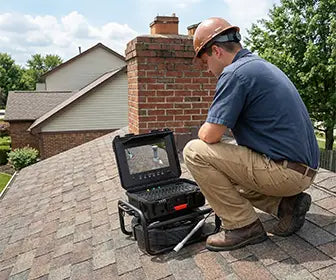
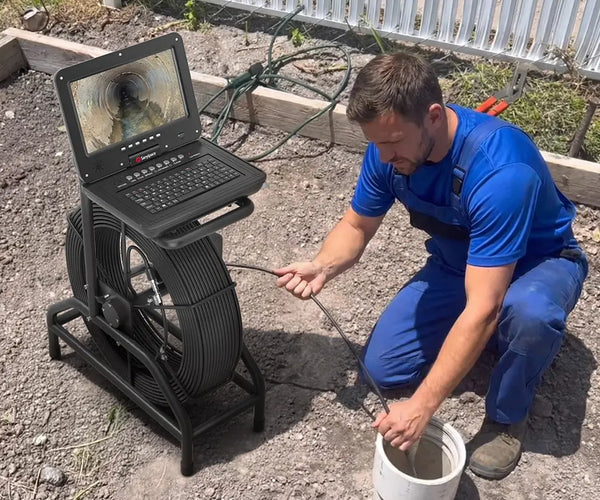
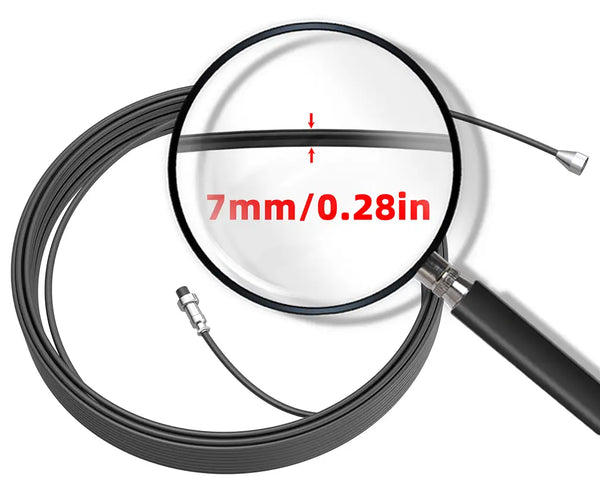
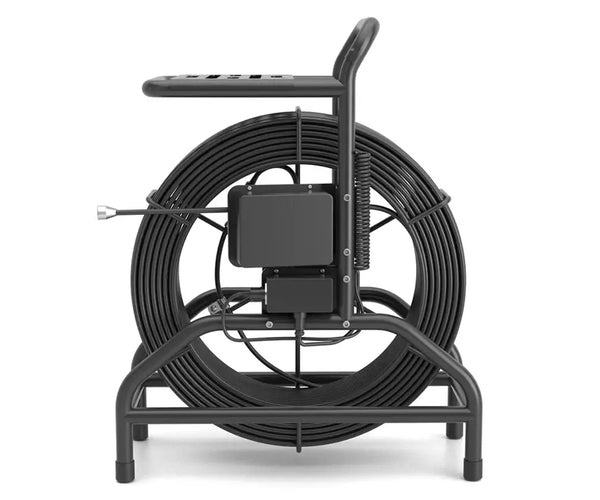
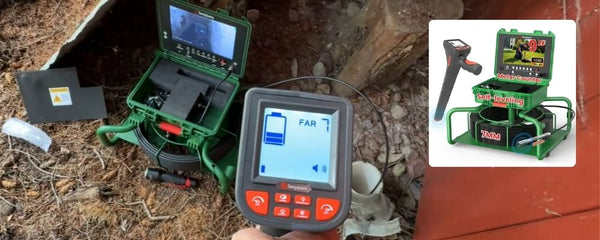
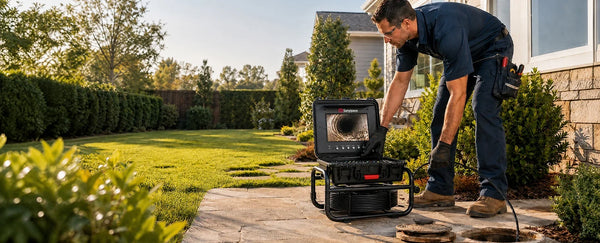
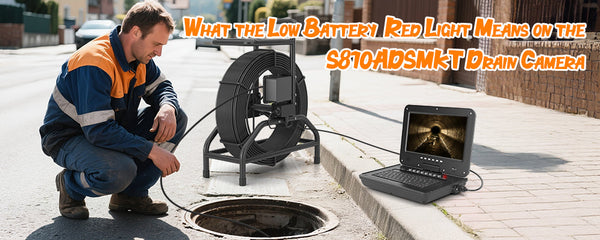
Catching these hidden issues now isn't about panicking—it's about being practical. A quick pipeline camera inspection in the spring helps you spot minor damage and prevent messy, expensive repairs before your household water usage peaks.
Common Warning Signs to Watch For

Even if you haven't experienced a full sewage backup yet, your plumbing system will usually drop a few hints that trouble is brewing underground. Catching these red flags early can be the difference between a simple clearing and a major, expensive excavation. Keep an eye (and ear) out for these common warning signs this spring:
1. Multiple Slow Drains
A single slow sink might just be a localized hair clog. However, if your bathtub, bathroom sink, and toilet are all draining sluggishly at the same time, the blockage is almost certainly deep within your main sewer line.
2. Gurgling Noises
If your toilet gurgles when you run the bathroom sink, or your shower drain makes a bubbling sound when the washing machine empties, pay attention. This means trapped air is struggling to escape past a growing blockage in your pipes.
3. Foul Odors in or Around Your Home
Your sewer system is designed to be airtight. If you start noticing the distinct smell of raw sewage around your drains, in your basement, or lingering anywhere in your yard, there is a crack or leak that needs immediate attention.
4. Unusually Lush Patches in the Yard
This is a classic, yet often overlooked, sign of a cracked pipe. Sewage acts as a highly effective (albeit unsanitary) fertilizer. If you notice a specific patch of grass in your yard that is inexplicably greener, taller, or softer than the rest of the lawn, your sewer line is likely leaking directly into the surrounding soil.
5. Water Backing Up in Unexpected Places
This is the ultimate red flag. If flushing the toilet causes water to come up in the shower drain, or running the washing machine causes the downstairs toilet to overflow, your main line is severely compromised and requires an immediate professional inspection.
Im Frühling sollten Sie in Ihrer Nachbarschaft auf die oben genannten Probleme achten. Falls Sie Anzeichen bemerken, können Sie eine Kanalinspektion mit einer Kamera selbst durchführen lassen, um das Problem zu beheben, bevor es sich verschlimmert.
Summary
Scheduling a comprehensive sewer line inspection in the spring can help us determine whether there are any cracks, collapses, tree-root intrusions, or blockages in the pipes. To ensure your pipes remain clear for everyday use, conducting a comprehensive inspection in the spring will help you save significant time, effort, and money.
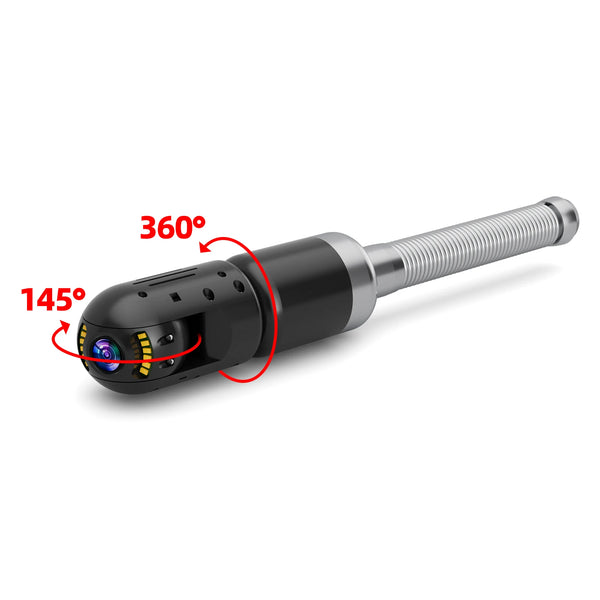
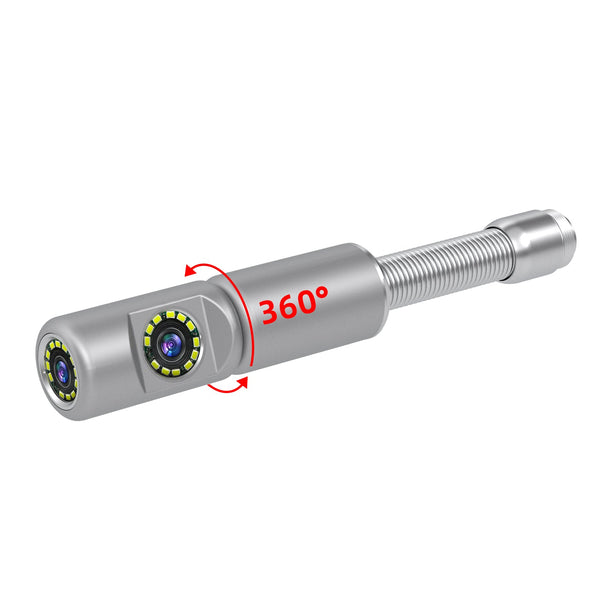
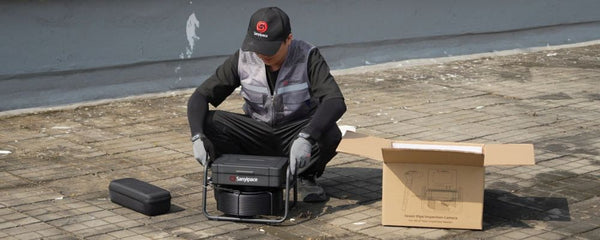
Finally, hiring a professional plumber to come out for an inspection every time costs a lot of extra money; instead, it is better to purchase your own dedicated drain camera now, allowing you to use it with peace of mind anytime, anywhere.

FAQ
1. How Often Should I Check My Sewer Line?
While spring is the absolute best time for an inspection, it is generally recommended to check your main sewer line 1 to 3 times a year. If you live in an older home or have large trees in your yard, checking more frequently is a smart way to stay ahead of aggressive root growth before it blocks your system.
2. Can I Inspect the Sewer Line Myself, or Do I Need to Hire a Professional?
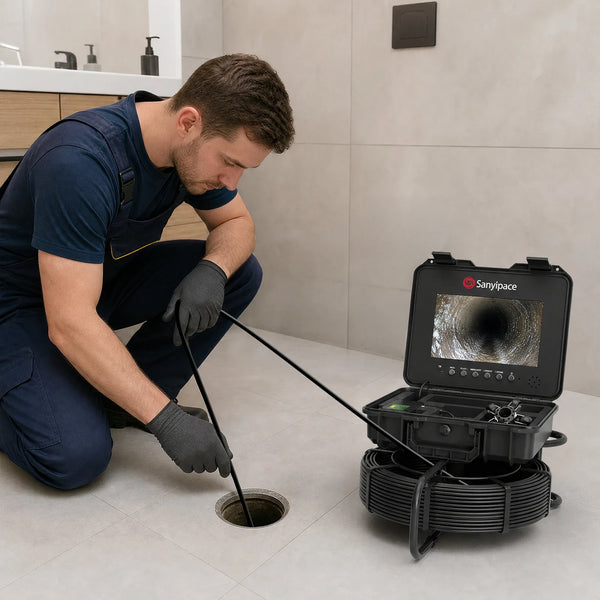
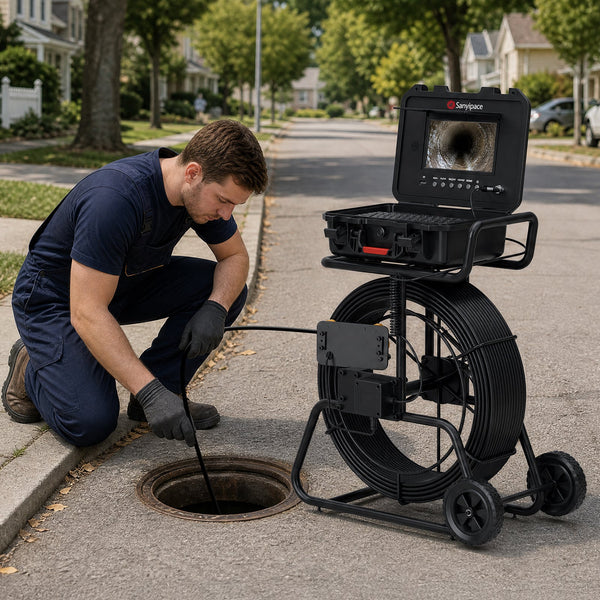
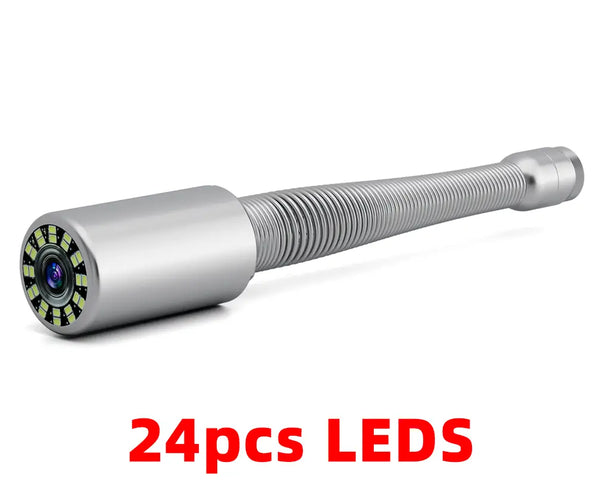
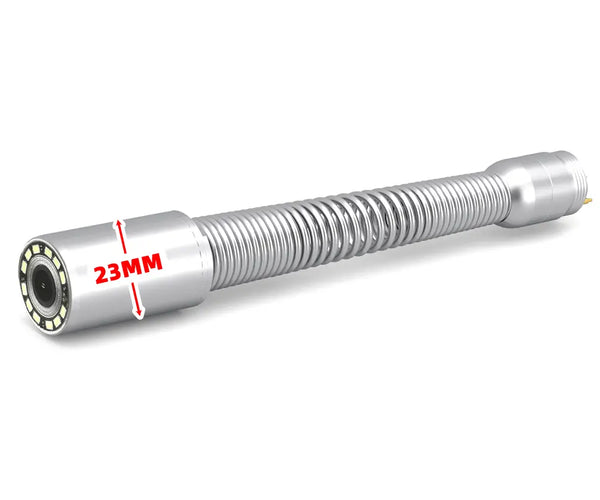
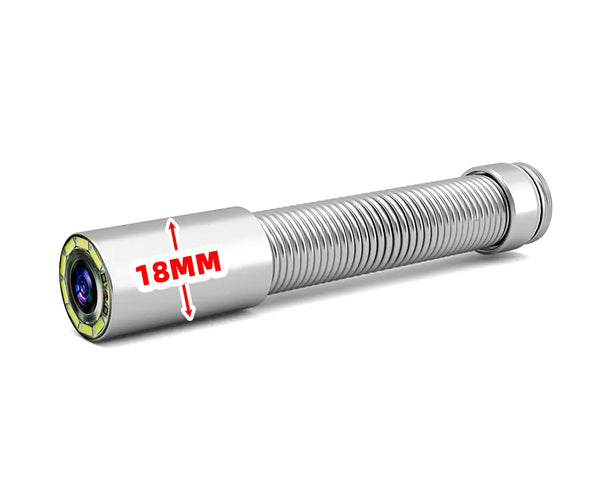
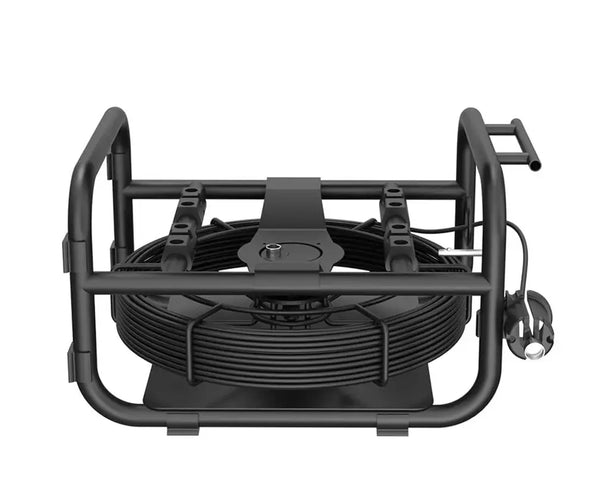
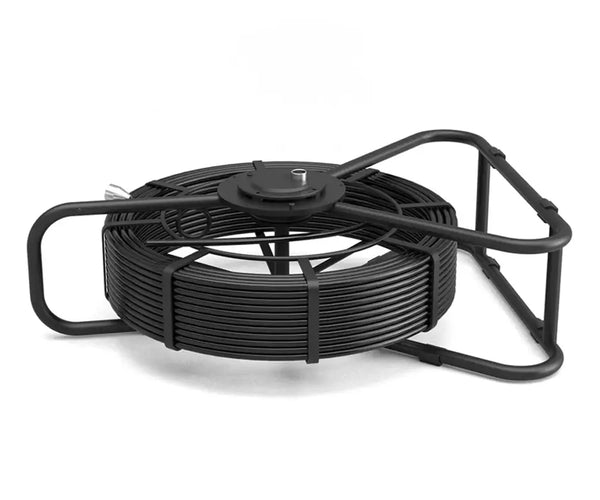
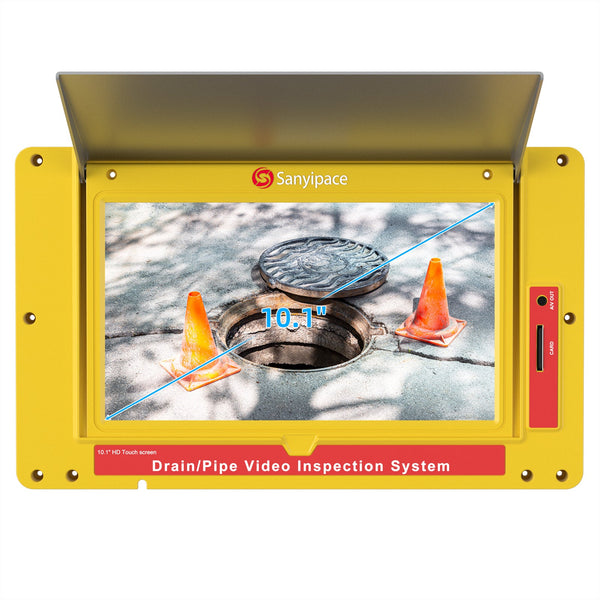
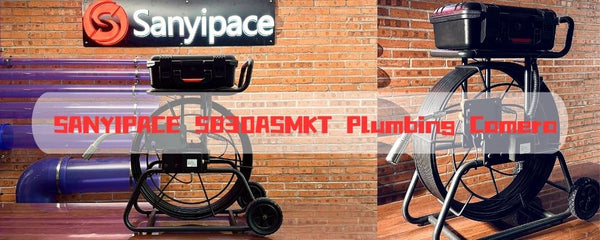
Yes, you can absolutely do it yourself! Many models sold online by Sanyipace are perfect for homeowners to use for DIY inspections. After all, hiring a professional plumber to come out for an inspection every time costs a lot of extra money; instead, it is better to purchase your own dedicated sewer camera now, allowing you to use it with peace of mind anytime, anywhere.
3. What Can the Camera Inspect?
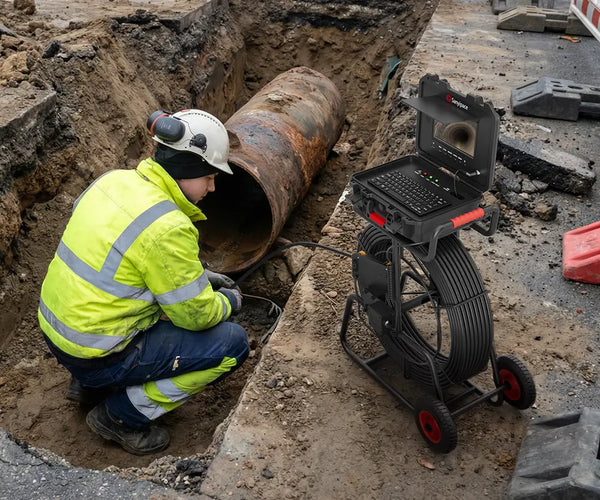
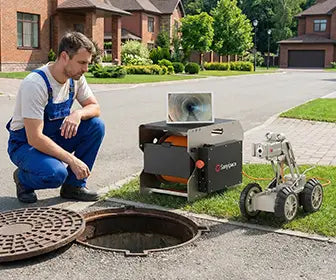
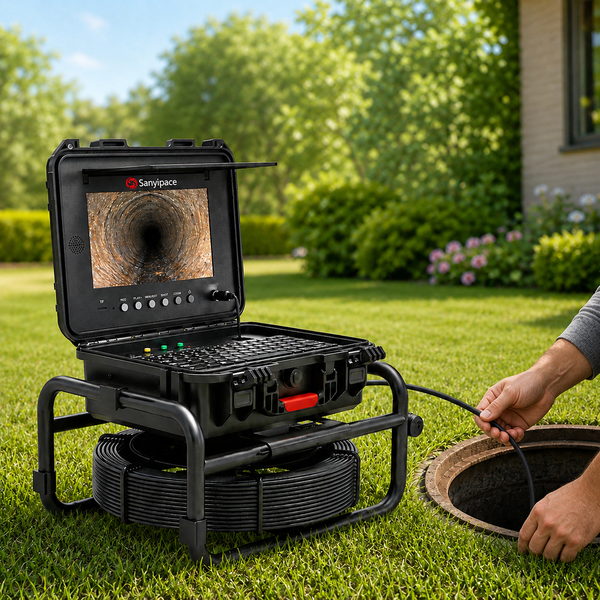
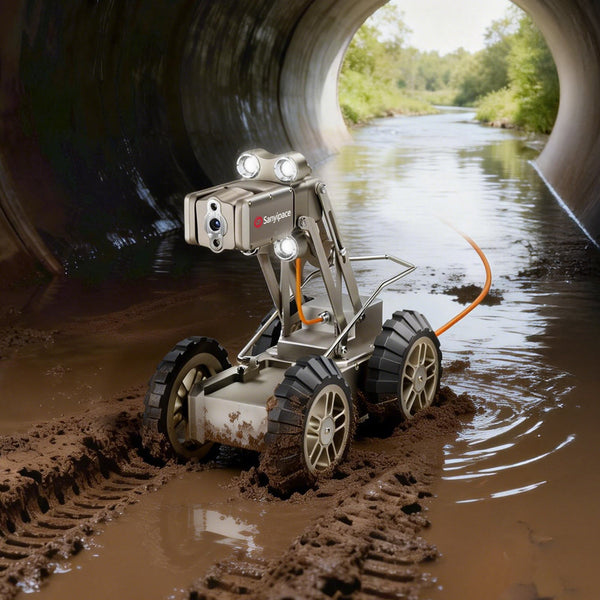
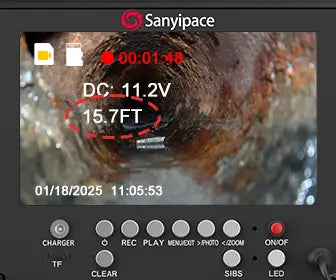
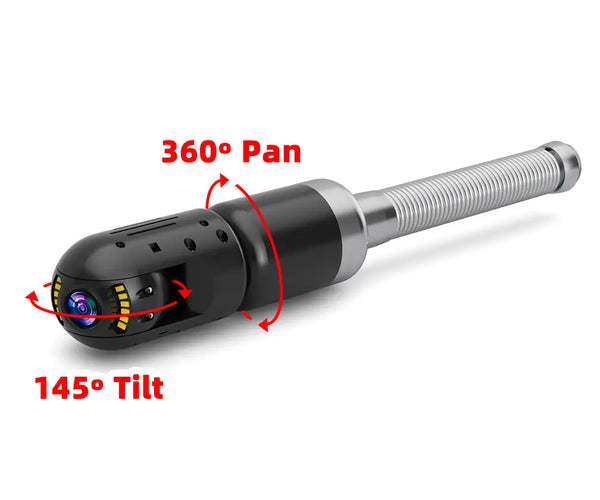
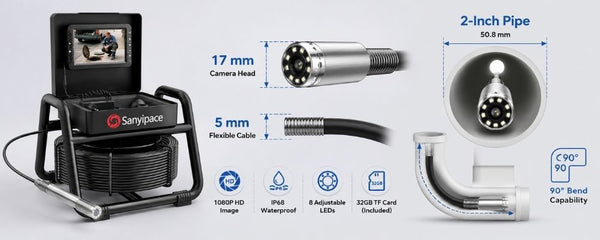
A pipe camera can help check for blockages in tight spaces caused by cracks, collapses, tree root intrusions, animal intrusions, or lost items. The sewer inspection camera acts like an X-ray for your plumbing, giving you a crystal-clear visual of any hidden wear and tear.
4. What Happens If I Actually Find a Problem During the Inspection?
Finding an issue early is exactly why you inspect! Catching a minor root intrusion or a small crack now means you can clear or repair it proactively.
To ensure your pipes remain clear for everyday use, conducting a comprehensive inspection in the spring will help you save a significant amount of extra money, time, and effort compared to waiting for a massive sewage backup to flood your home.
Related reading: Don’t Call the Plumber Yet! A DIY Sewer Camera Can Solve 90% of Your Drain Problems


Leave a comment