











How Tree Roots Actually Get Into Your Sewer Line (And How to Check Early)?
Why Do Tree Roots Target Your Sewer Pipes? Roots naturally grow toward moisture, oxygen, and nutrients—and your sewer line is a never-ending supply of all three. Over time, natural soil settling and temperature changes cause underground pipes to loosen at the joints or develop microscopic hairline cracks. Even if the gap is as small as a pinhole, hair-thin feeder roots will squeeze right through.
Once inside, they feed on the constant water supply and rapidly expand into a massive root net. This net catches all passing debris, eventually causing a complete blockage or even shattering the pipe entirely.
How Exactly Do Roots Break Into Solid Pipes?

Roots do not need a large hole to infiltrate your plumbing; they only need a microscopic entry point.
-
The Breach: Over time, freezing temperatures can crack pipes, and shifting soil can naturally misalign older pipes (especially clay or cast iron) at the joints.
-
The Intrusion: Even if a crack is only the size of a pinhole, tiny "feeder roots" will find their way through.
-
The Expansion: Once inside the moisture-rich pipe, they multiply rapidly into a dense, impenetrable "root net". This net catches every piece of toilet paper and solid waste flowing down the line, eventually causing a complete blockage and snapping the pipe under pressure.
What Are the Early Warning Signs of Root Intrusion?

Your plumbing system will usually drop hints before a full sewage backup occurs. Catching these early prevents minor blockages from becoming major excavations.
1. Multiple Slow Drains
A single slow sink is usually a local hair clog. However, if your bathtub, bathroom sink, and toilet are all draining sluggishly at the same time, the blockage is deep within your main sewer line.
2. Gurgling Noises
If your toilet gurgles when you run the bathroom sink, or your shower drain bubbles when the washing machine empties, trapped air is struggling to escape past a growing root blockage in your pipes.
3. Foul Sewage Odors
Your sewer system is designed to be completely airtight. If you notice the smell of raw sewage around your drains or in your yard, the airtight seal has been compromised by root damage.
4. Unusually Lush Patches in the Yard

Sewage acts as a highly effective fertilizer. If a specific patch of grass in your yard is inexplicably greener, taller, or softer than the rest of the lawn, your sewer line is likely leaking directly into the surrounding soil.
5. Water Backing Up in Unexpected Places
If flushing the toilet causes water to come up in the shower drain, your main line is severely compromised and requires immediate attention.
How Can You Detect Root Damage Before It Ruins Your Yard?
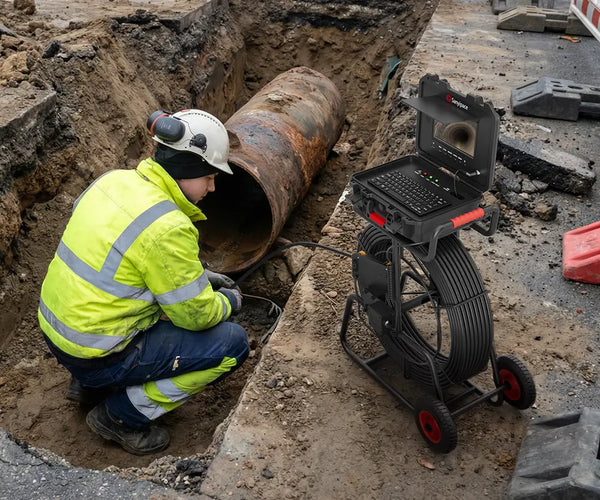
You cannot fix a plumbing issue you cannot see. Blindly pouring corrosive chemical drain cleaners down the sink fails to destroy thick root systems and eats away at the integrity of older pipes. The only definitive way to diagnose root intrusion is by looking inside the pipe.
The Financial Sense of a Personal Sewer Camera
Calling a professional plumber for a camera inspection typically costs between $200 to $400 for a single visit.
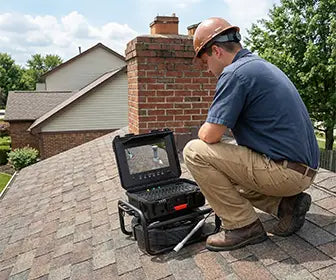
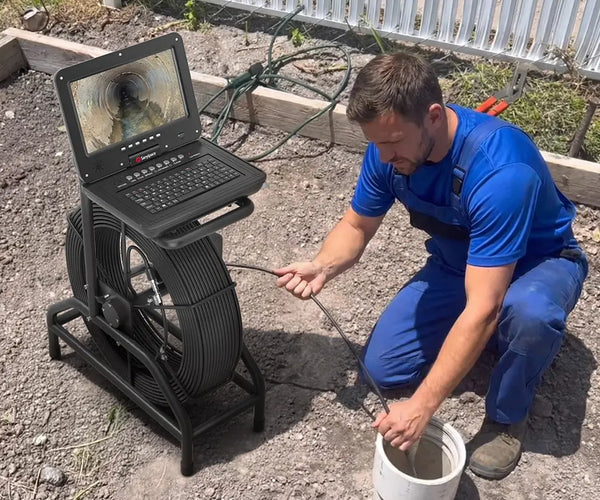
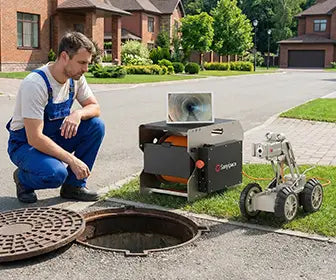
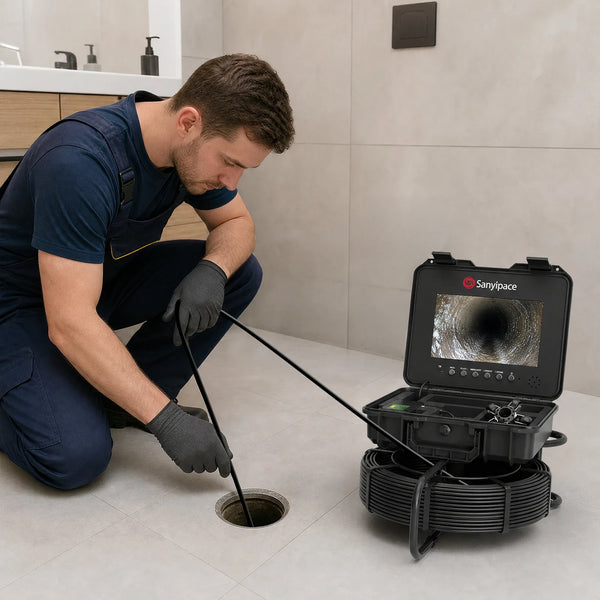
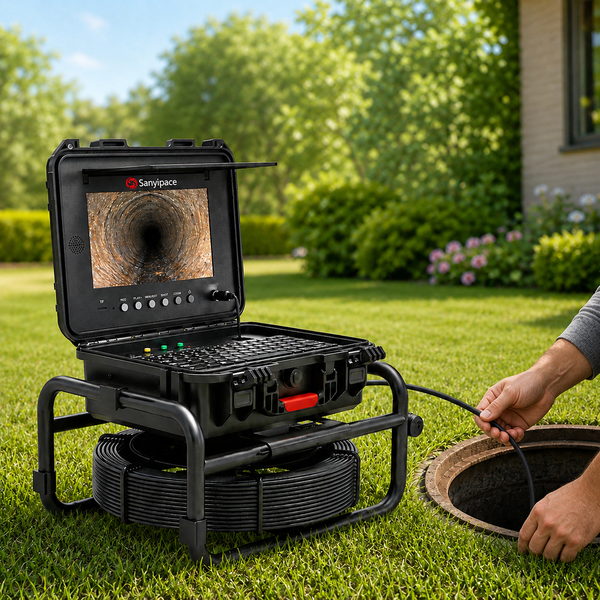
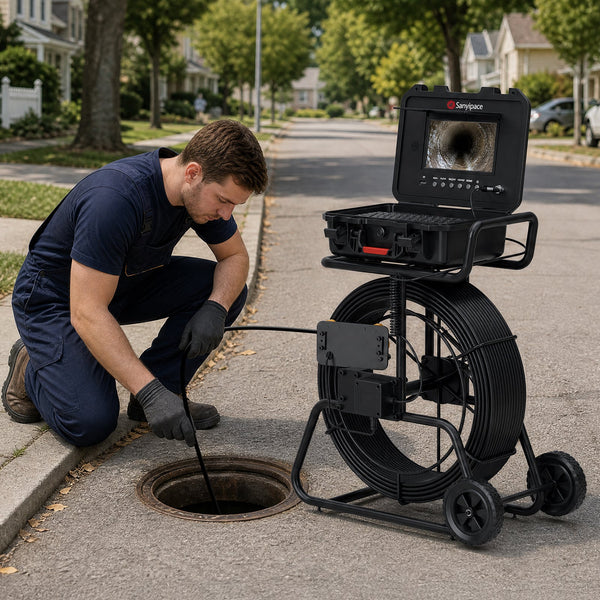
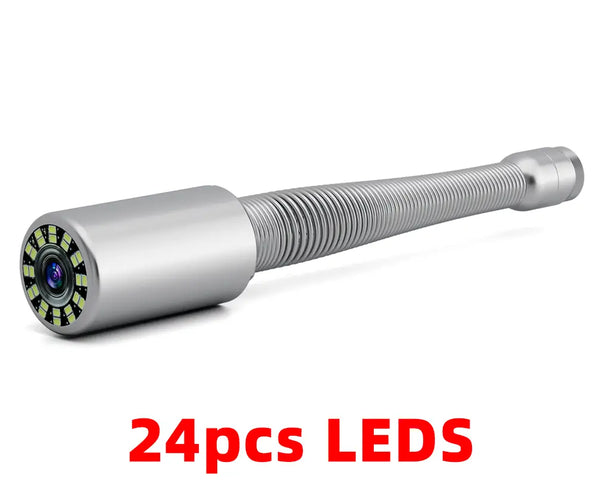
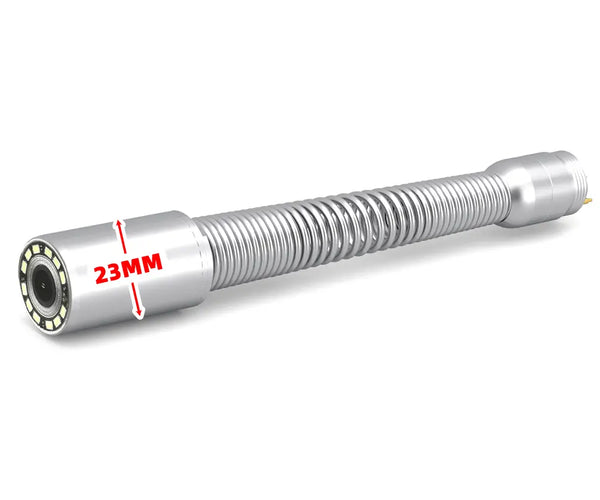
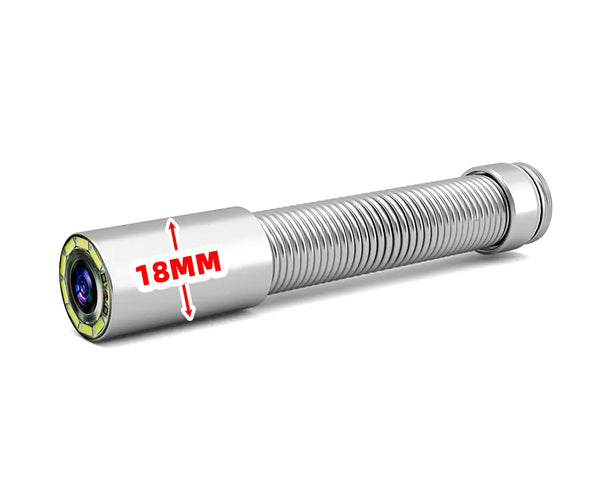
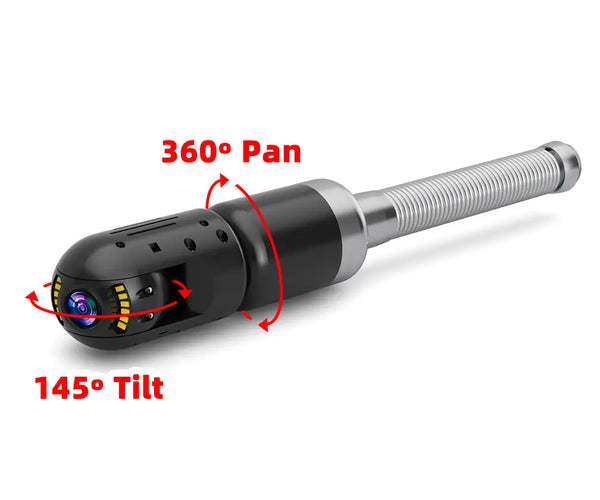
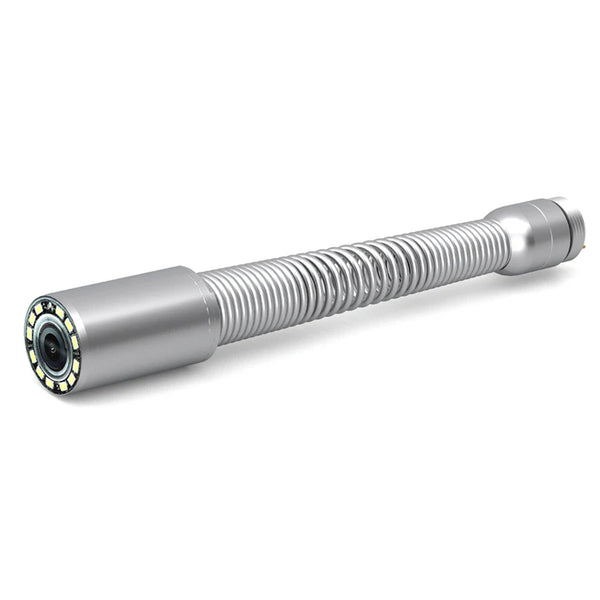
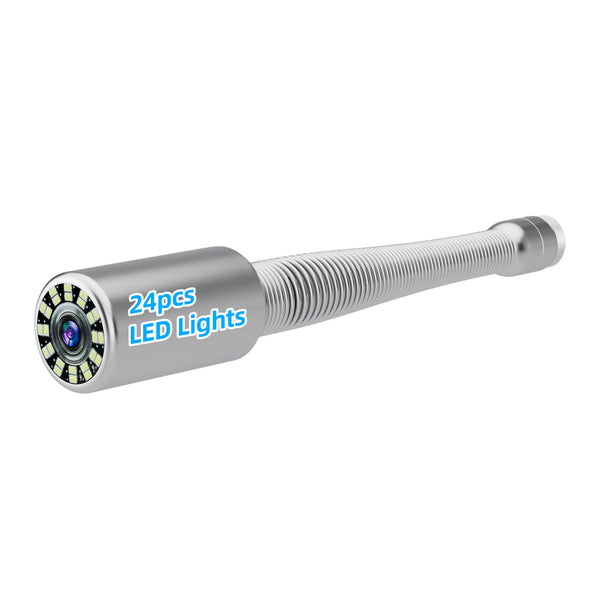
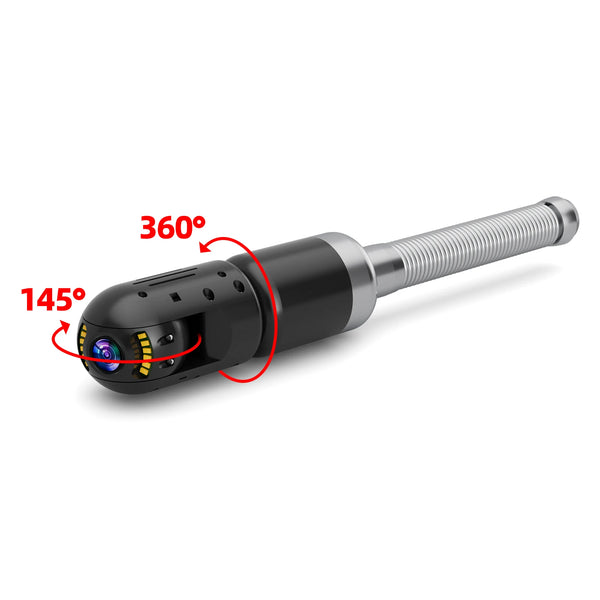
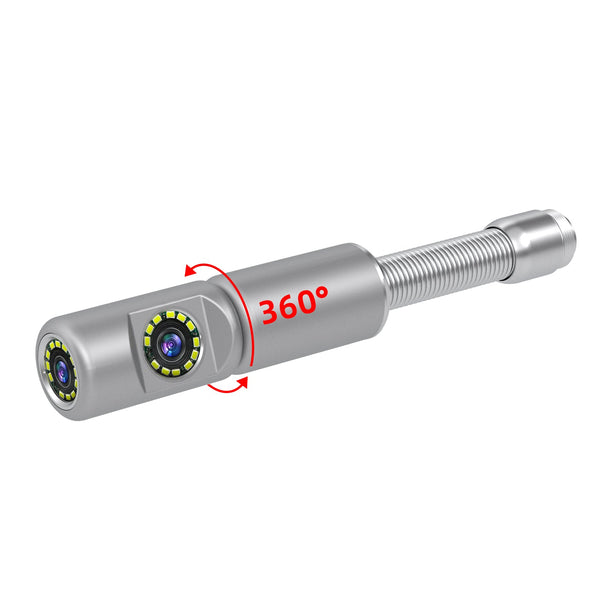
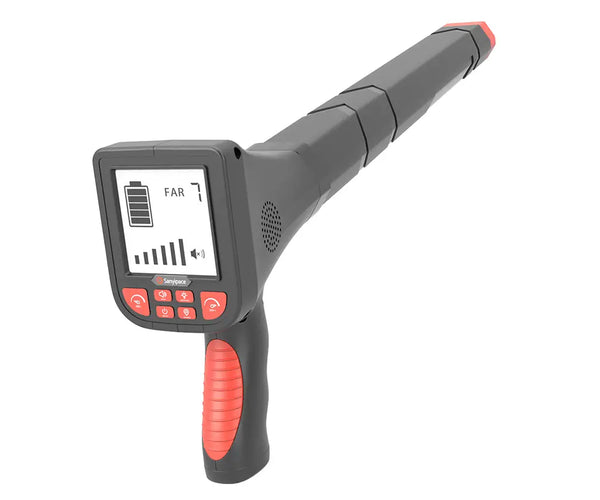
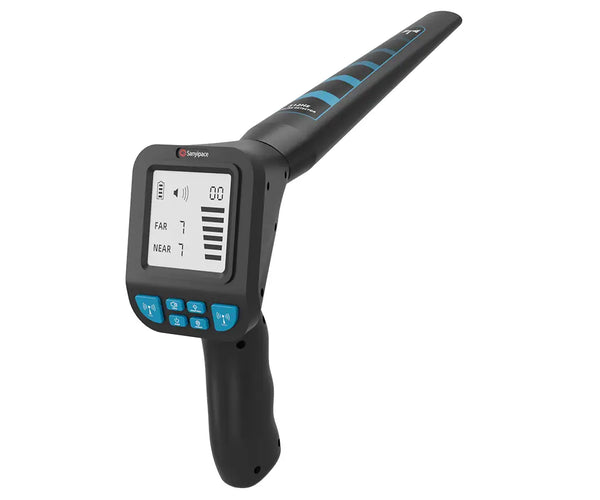
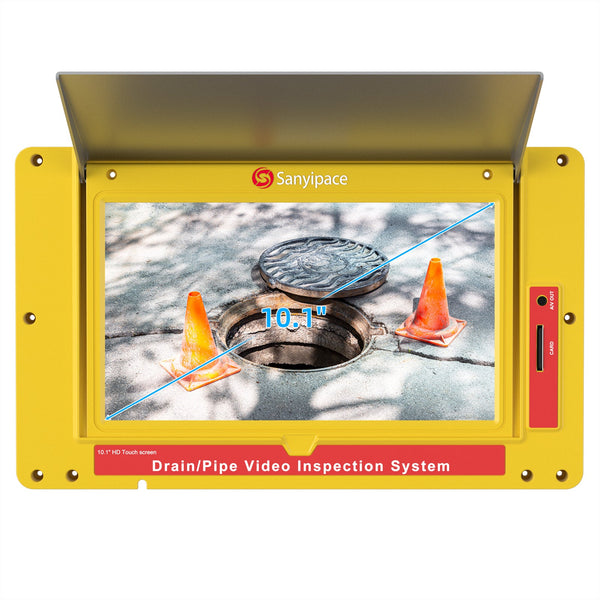
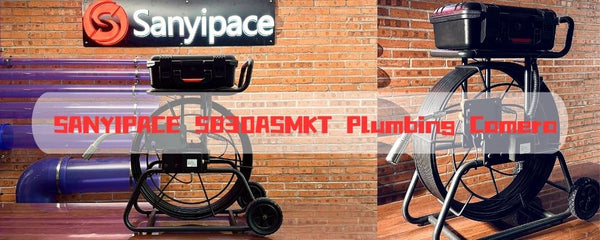
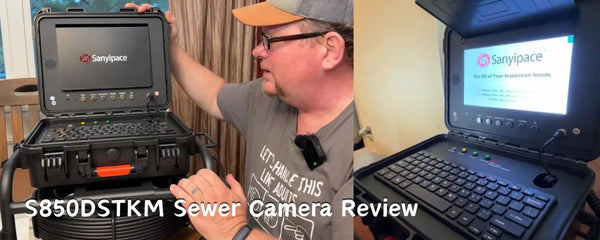
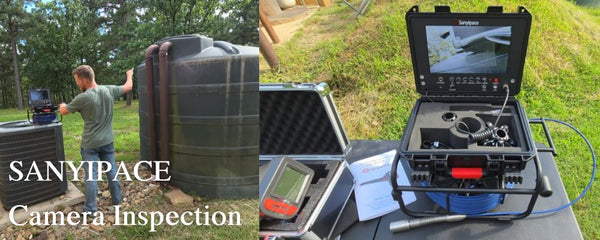
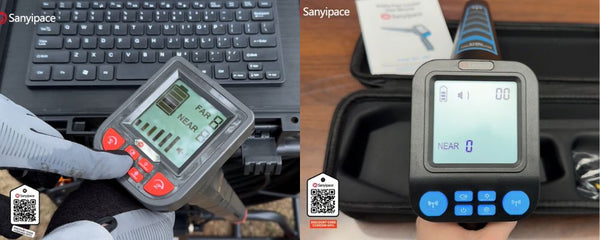
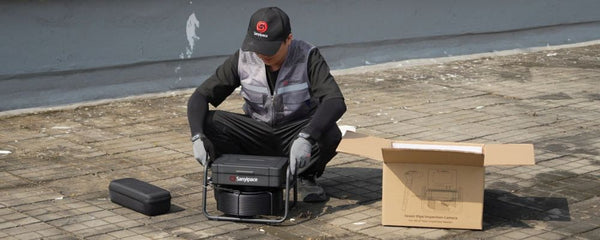
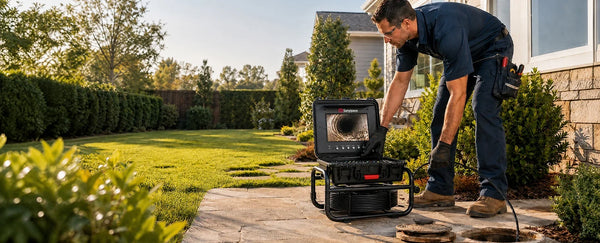
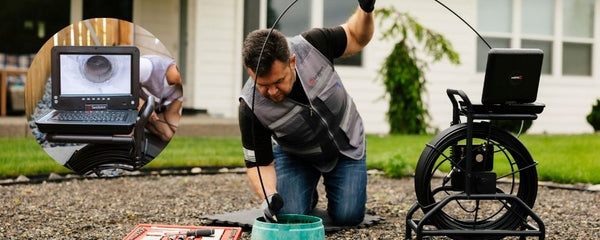
Instead of paying massive fees repeatedly, purchasing a professional-grade, personal sewer camera (like those from Sanyipace) is a smarter financial move. It grants you permanent "X-ray" vision for your plumbing. Having dedicated equipment allows you to run routine checks on your own schedule, spotting silent root invaders early and preventing plumbers from upselling you on unnecessary excavation work.

What Are the Solutions to Fix Root Intrusion?
If your camera inspection reveals a root mass, you have a few practical options to clear the line.
1. Short-Term Fixes: Cutting and Jetting
Plumbers can use a mechanical auger with a rotating blade to chop up the roots, or utilize hydro jetting to blast the root mass away with high-pressure water. However, the crack in the pipe remains, meaning the roots will inevitably grow back.
2. Long-Term Fixes: Sealing the Pipe
To permanently solve the issue, the pipe must be sealed. This is done via trenchless pipelining (inserting an epoxy-coated sleeve to seal cracks from the inside) or excavating and replacing that specific section of the pipe.
3. Smart Prevention
Avoid planting deep-rooted trees directly above your sewer lines. Make it a habit to perform a routine check with your sewer camera every spring to catch new cracks before roots enter their aggressive growth phase.
related reading: Why Spring Is the Best Time to Check Your Sewer Line?
What Else Should You Know About Root Intrusion?
1. Can Chemical Root Killers Permanently Solve the Problem?
No. While foaming root killers suppress growth temporarily, they do not repair the cracked pipe that allowed the roots inside. Physical removal and pipe sealing are the only permanent fixes.
2. Does Homeowners Insurance Cover Root Damage?
Typically, no. Standard homeowners' insurance policies generally do not cover damage resulting from gradual wear and tear, neglected maintenance, or tree root intrusion. This makes proactive, self-managed inspections critical.
3. Can I Really Use a Sewer Camera Myself?
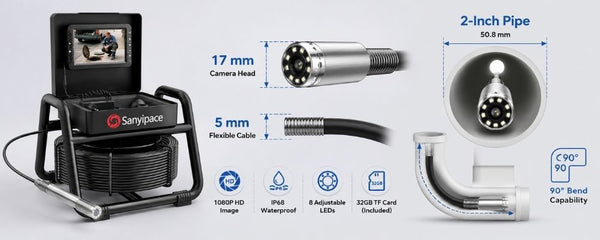
Yes. Modern sewer cameras from brands like Sanyipace are built specifically to be DIY-friendly. They feature intuitive controls and flexible push rods that navigate pipe bends easily, empowering you to take charge of your property's health without relying on expensive professionals.
Conlusion
Tree roots can penetrate even the tiniest crack in a pipe and gradually grow, eventually causing sewage to back up and the pipe to become blocked. Many plumbers also advise that homeowners with older properties or those with large trees nearby should have their pipes inspected regularly to avoid spending more money, time, and effort on repairs later due to neglect.
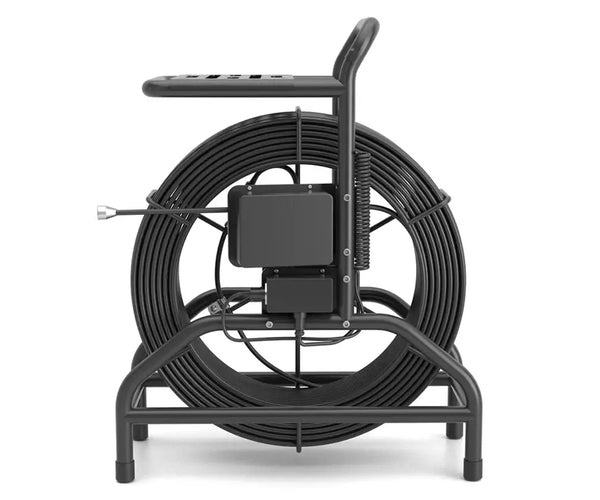
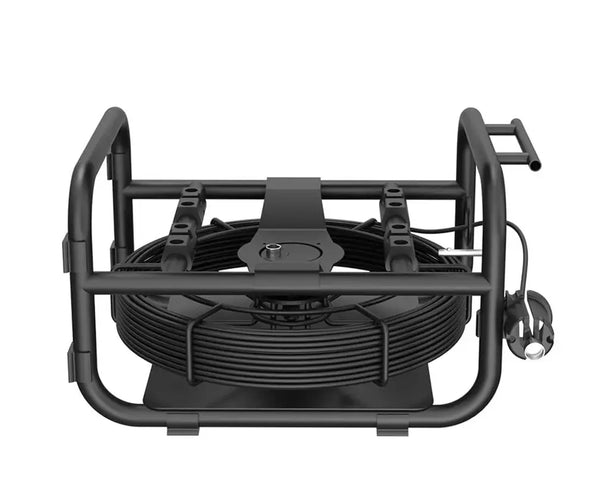
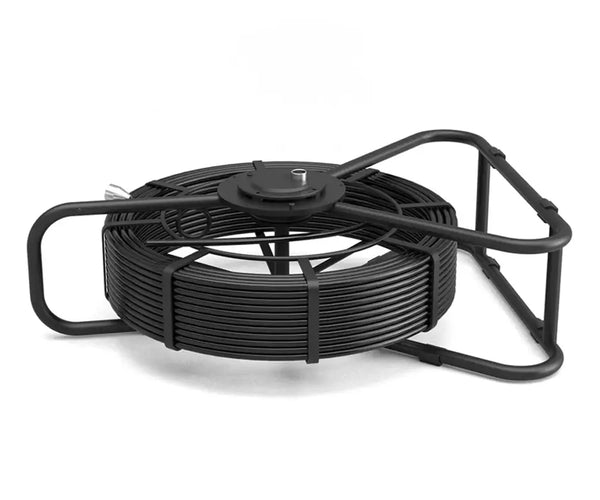
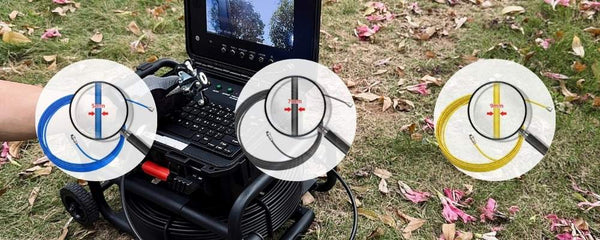
Since calling a professional plumber for every inspection can lead to a lot of unnecessary expenses, you can simply purchase a DIY sewer camera yourself—it is both highly affordable and practical. We highly recommend the Sanyipace S5517DC sewer camera. Starting at just $199.99, it is available in five different colors.

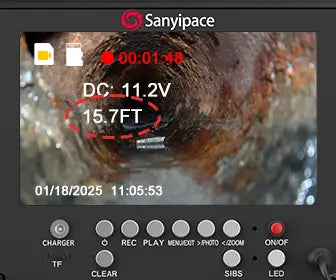
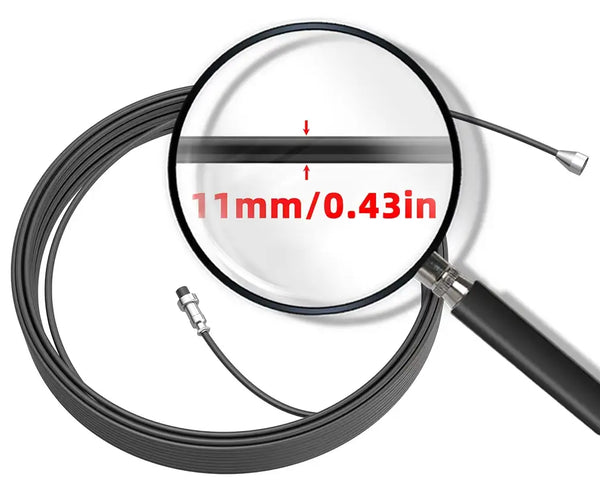
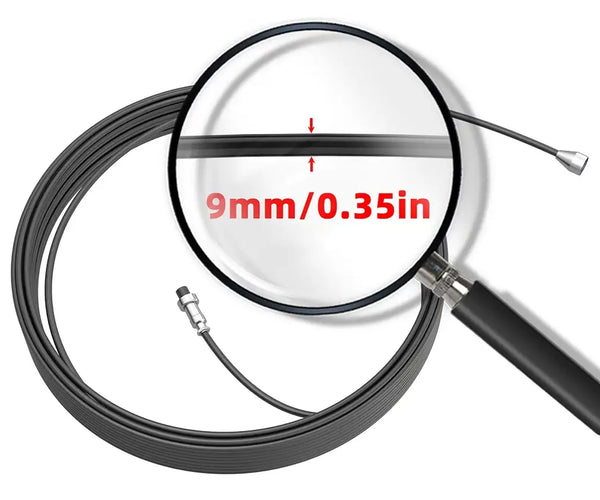
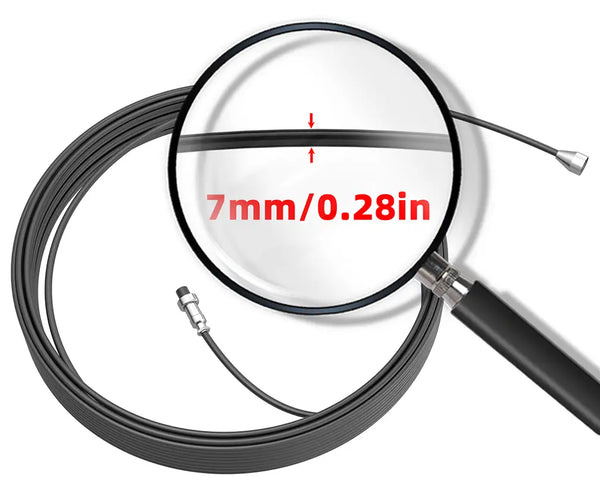
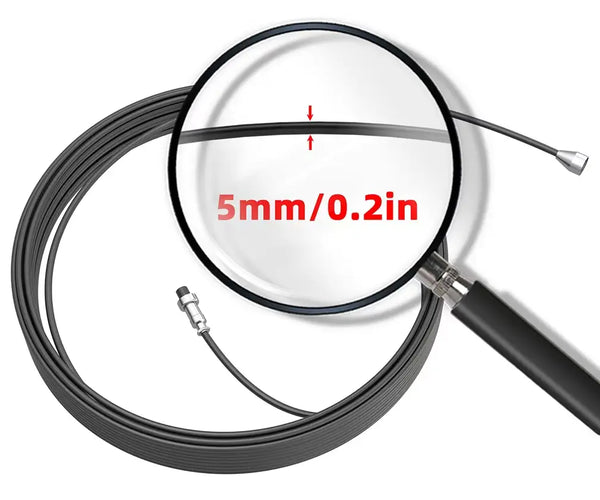
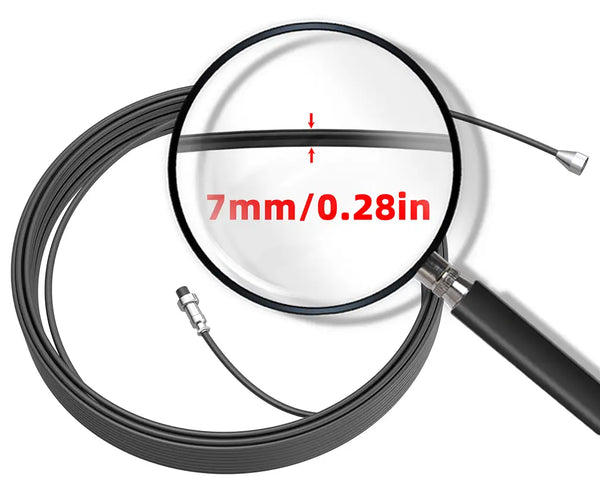
It perfectly integrates a clear 5-inch display screen, a flexible 5mm cable, audio recording, and a meter marker function into a compact and lightweight body, making it incredibly suitable for home DIY use.
Related reading: Best Sewer Cameras, Best Sewer Camera Brands


Leave a comment