





Applications of a Pipe Inspection Camera: Where These Cameras Are Actually Used
Most people first hear about pipe inspection cameras after a drain backs up or a sewer line starts causing problems. By that point, the real issue is usually hidden underground, behind walls, or deep inside a pipe where nobody can see it directly.
That’s exactly why these cameras have become standard equipment for plumbers, contractors, municipalities, and maintenance teams. Instead of digging blindly or guessing where the problem might be, a pipe inspection camera shows the inside of the line in real time.
Today, these systems are used for far more than unclogging drains. They help locate cracked pipes, inspect city sewer systems, verify new construction work, and monitor industrial pipelines before small issues turn into expensive failures.
What Is a Pipe Inspection Camera?

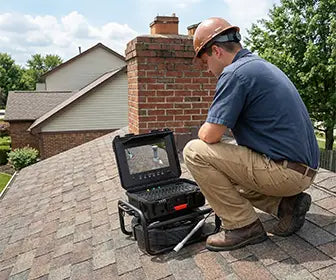
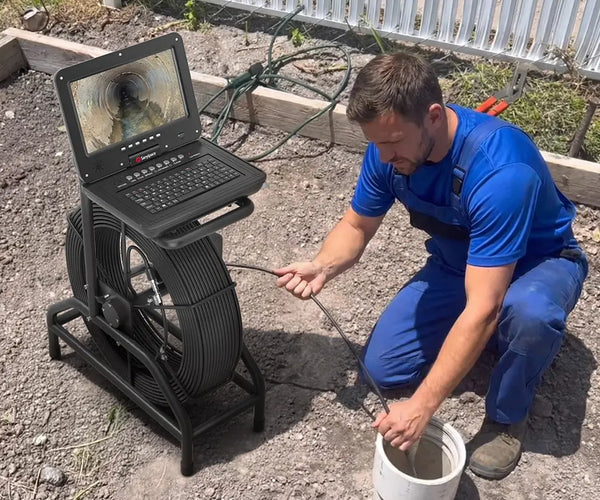
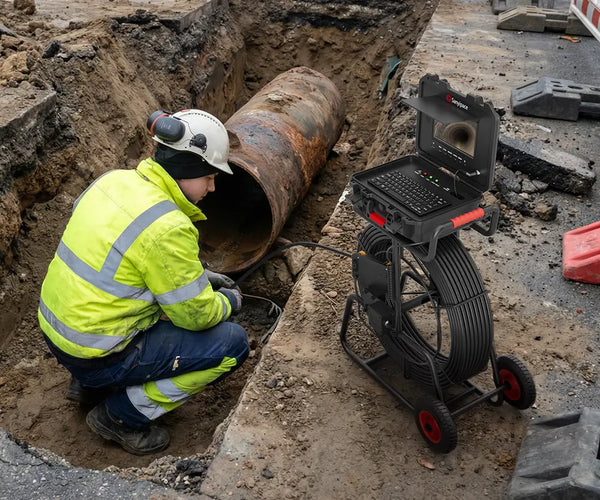
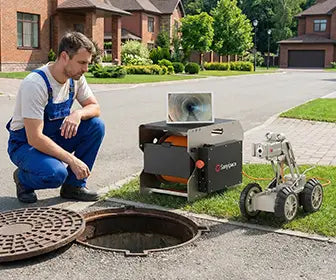
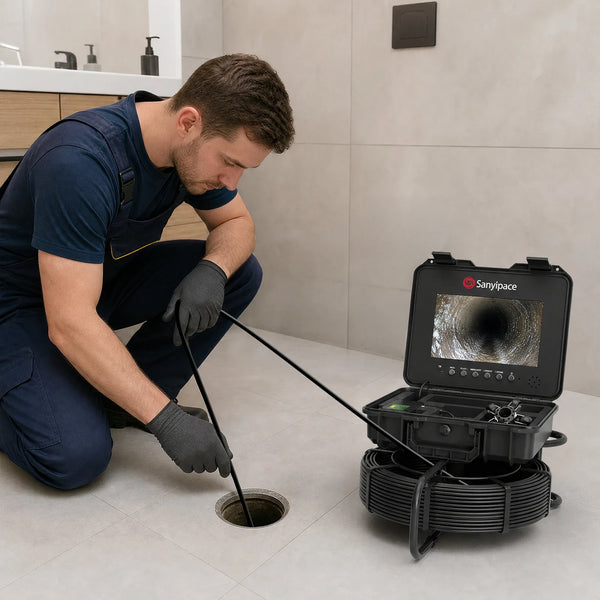
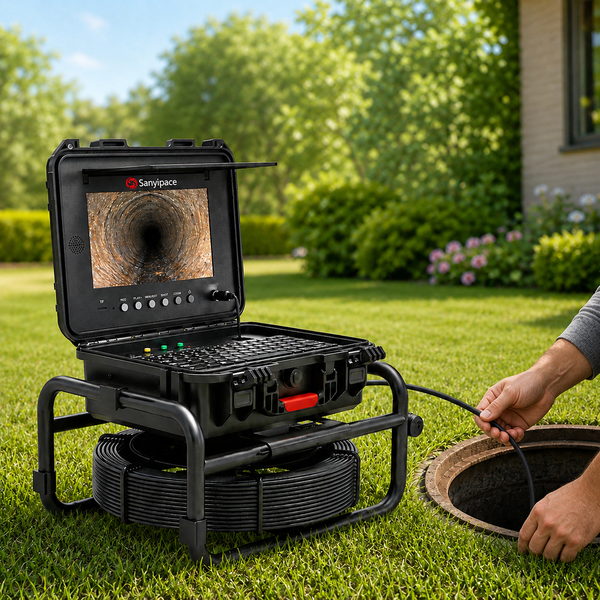
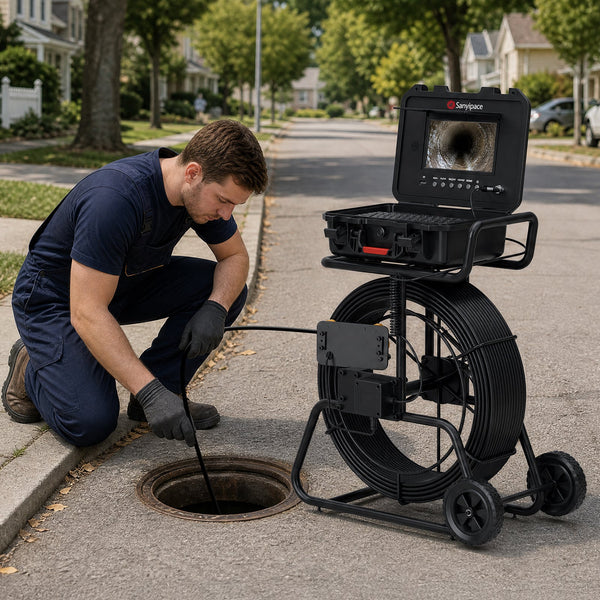
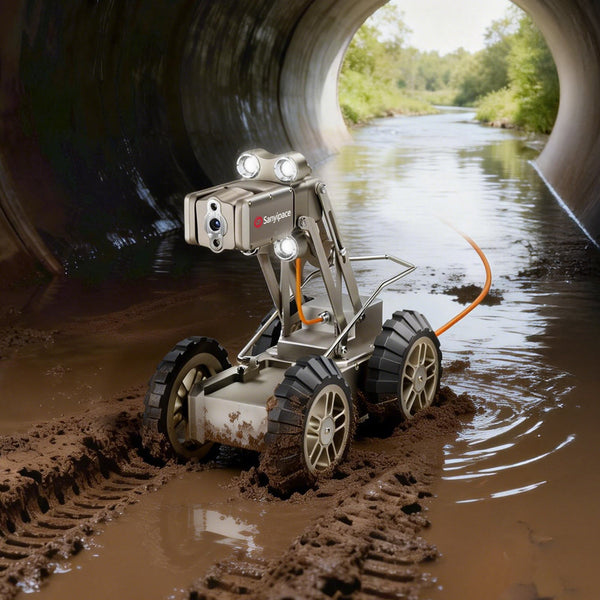
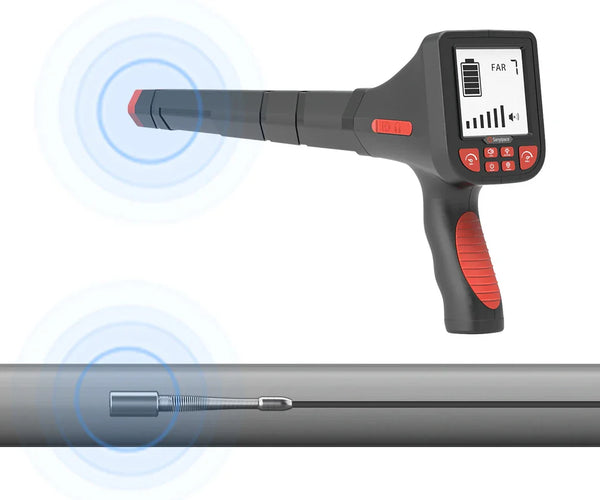
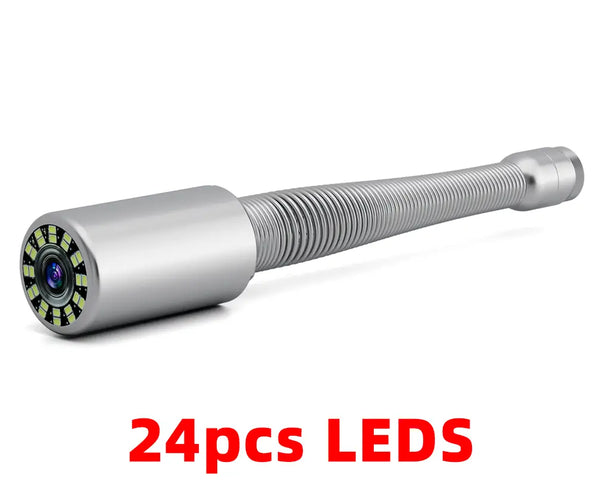
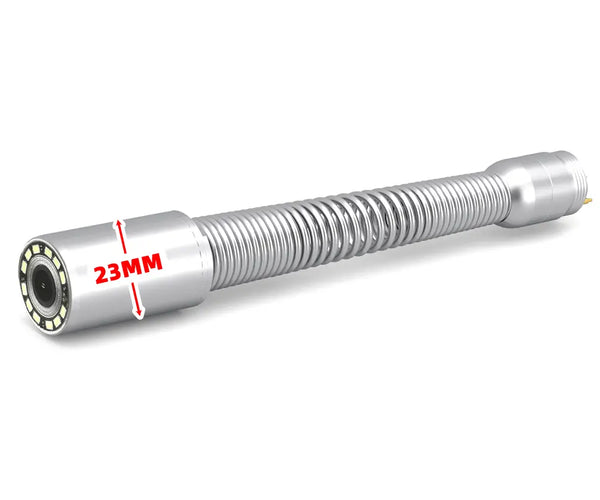
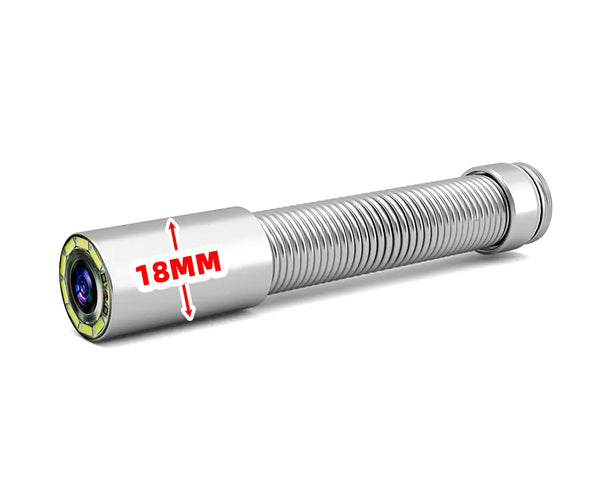
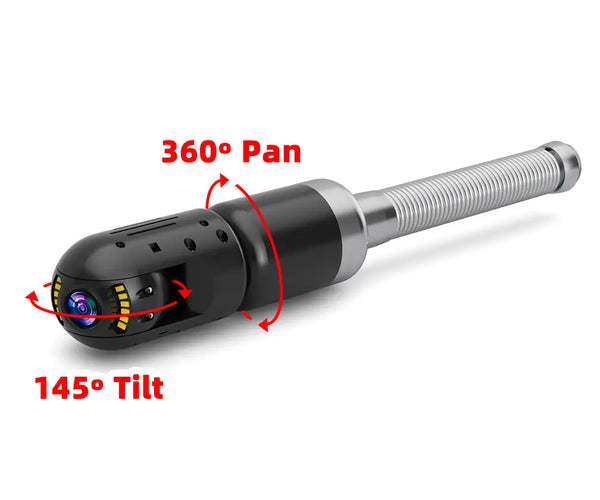
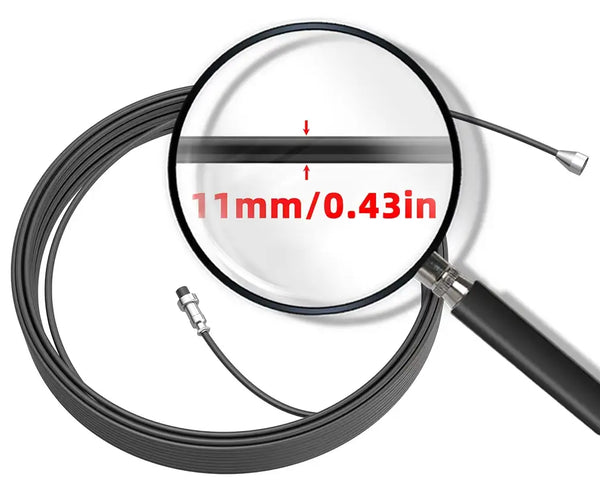
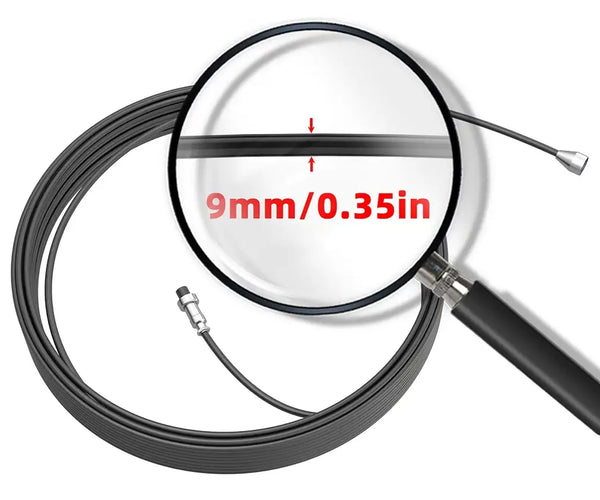
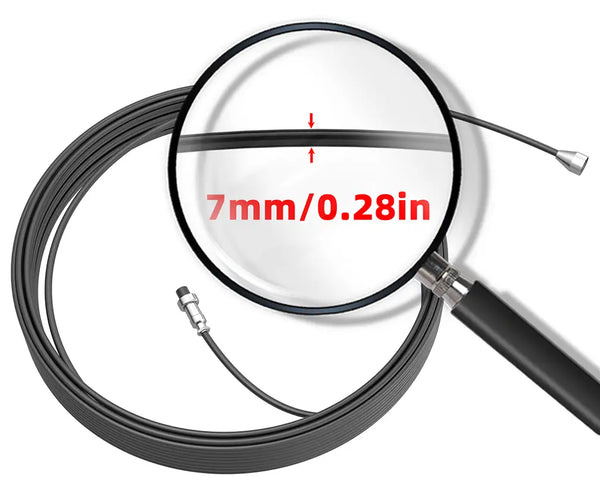
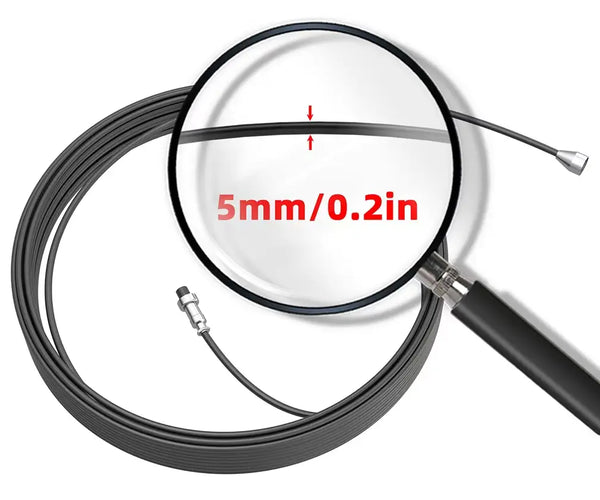
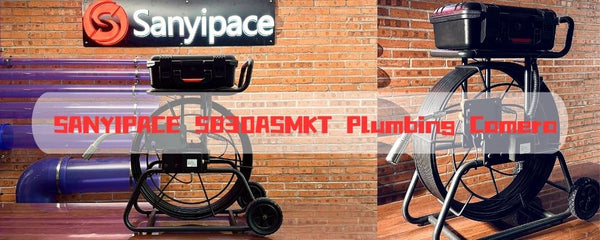
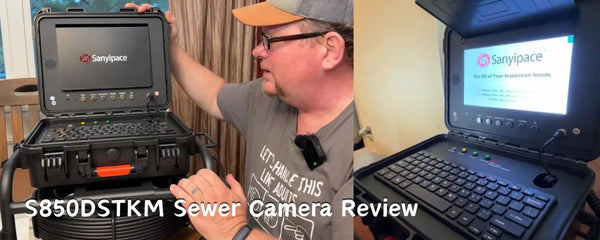
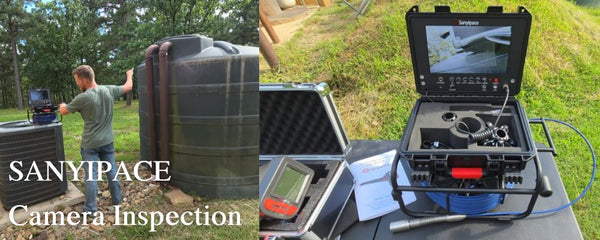
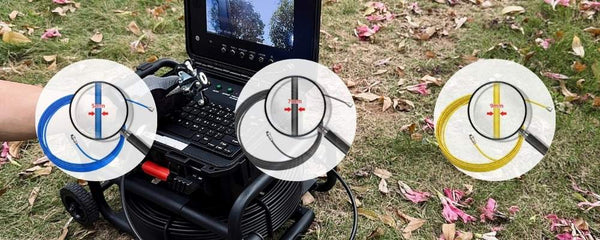
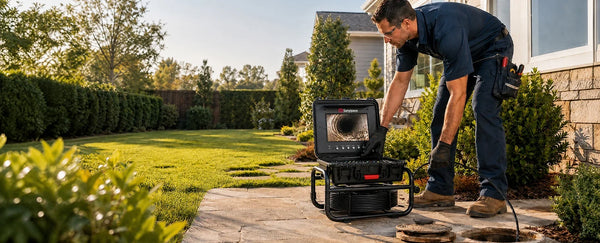
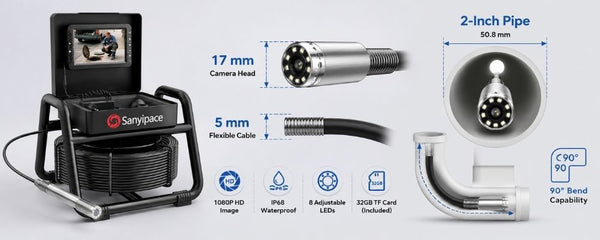
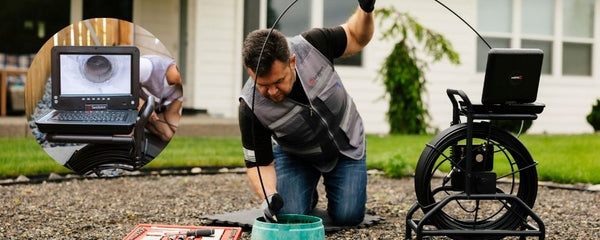
A pipe inspection camera is a waterproof camera attached to a flexible push rod or robotic crawler. The camera travels through pipes while sending live video back to a monitor above ground.
Most modern systems include:
-
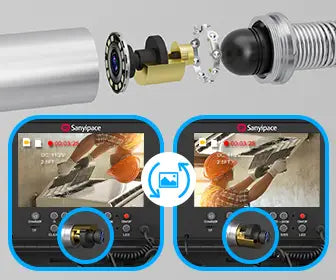
LED lighting for dark environments
-
Video recording capability
-
Flexible cables for bends and turns
-
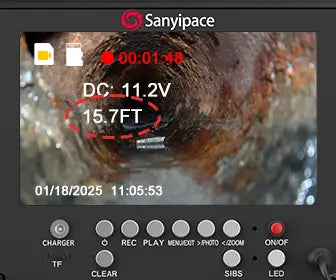
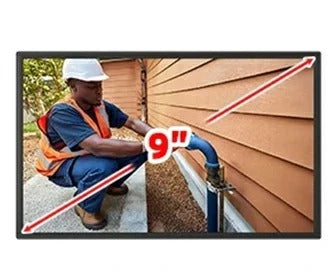
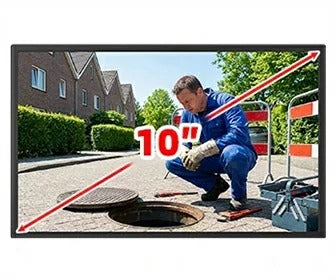
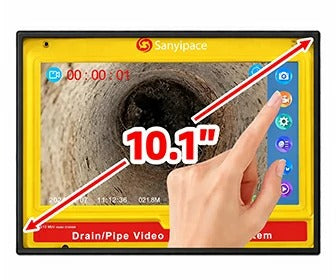
Large monitors for real-time diagnosis
Some inspection systems are compact enough for residential drains, while others are designed for large municipal sewer mains or industrial pipelines.
The technology itself is straightforward. The real value comes from avoiding unnecessary excavation and identifying problems before repair work begins.
Residential Plumbing and Drain Inspections
Residential plumbing is still the most common application for pipe inspection cameras in the U.S.
Homeowners usually call for an inspection after recurring drainage issues, sewer odors, or backups that keep returning even after cleaning.
a. Finding Drain Clogs
A slow drain does not automatically mean a simple blockage near the sink.
Grease buildup, collapsed sections, debris, or foreign objects can sit much deeper inside the system. A sewer camera inspection helps plumbers pinpoint the exact location instead of clearing the line blindly.
This becomes especially useful when:
-
kitchen drains clog repeatedly
-
The basement drains back up during heavy water use
-
Toilets bubble or drain slowly
-
Multiple fixtures start backing up together
Without a camera, technicians often waste time treating symptoms instead of identifying the actual cause.

b. Detecting Tree Root Intrusion
Tree roots are one of the most common sewer line problems in older American neighborhoods.
Roots naturally seek moisture. Tiny cracks or loose joints in underground sewer lines create entry points, and over time, roots expand inside the pipe until flow becomes restricted.
A recurring sewer clog every few months often points to root intrusion rather than ordinary buildup.
Inspection footage makes this problem obvious immediately. Plumbers can then decide whether the line needs hydro jetting, spot repair, or full replacement.

c. Locating Cracked or Collapsed Pipes
Not every sewer problem starts with a blockage.
Older clay, cast iron, or Orangeburg pipes can crack, sag, separate, or partially collapse underground. Some homeowners spend years paying for repeated drain cleaning before discovering the pipe itself has failed.
A camera inspection helps identify:
-
cracked pipe walls
-
offset joints
-
bellied pipe sections
-
corrosion damage
-
partial collapses
This matters because repair costs change dramatically depending on the actual condition of the line.

d. Investigating Recurring Sewer Backups
Repeated backups usually mean the original issue was never fully diagnosed.
This is where inspection cameras save homeowners from unnecessary digging and guesswork. Instead of excavating an entire yard, technicians can locate the damaged section with much greater precision.
For many homeowners, the biggest benefit of camera inspection is avoiding unnecessary excavation.
Sewer and Municipal Infrastructure Inspection
Pipe inspection cameras are heavily used in public infrastructure maintenance across the United States.
Many sewer systems in older cities are decades old, and municipalities constantly monitor underground lines for deterioration before major failures occur.
a. City Sewer Maintenance
Municipal crews use crawler camera systems to inspect:
-
sanitary sewer mains
-
stormwater drains
-
underground utility tunnels
-
culverts
-
large-diameter pipelines
Routine inspections help cities locate:
-
corrosion
-
structural damage
-
debris accumulation
-
infiltration
-
root intrusion
This allows maintenance teams to prioritize repairs before roads collapse or sewage overflows occur.

b. Stormwater Drain Inspection
Storm drains often collect:
-
mud
-
trash
-
sediment
-
roots
-
construction debris
A blocked stormwater system can quickly lead to street flooding during heavy rain.
Camera inspections help crews determine whether a drain simply needs cleaning or requires structural repairs.
c. Preventive Maintenance for Aging Infrastructure
American infrastructure is aging, especially in older urban areas.
Instead of waiting for emergency failures, many municipalities now schedule regular inspection programs to monitor pipe conditions over time.
This shift toward preventive maintenance is one reason demand for inspection cameras continues to grow across the industry.
Construction and Pipe Installation Projects

Construction companies use pipe inspection cameras long before a system is placed into service.
In many projects, inspections happen before concrete pours, backfilling, or final approval.
a. Verifying New Pipe Installations
Even new installations can contain problems:
-
improper slope
-
joint separation
-
crushed sections
-
debris left inside the line
-
alignment issues
A quick inspection before project completion helps contractors catch mistakes early while repairs are still manageable.
That is significantly cheaper than reopening finished concrete or excavating completed landscaping later.
b. Pre-Pour and Pre-Backfill Inspections
Once a slab is poured or trenches are backfilled, access becomes much more difficult.
Because of that, many contractors inspect drainage systems immediately before final closure.
This step helps confirm that:
-
No pipes shifted during installation
-
connectors remain secure
-
The line is flowing properly
-
construction debris is not trapped inside
c. Reducing Costly Rework
One overlooked advantage of inspection cameras is documentation.
Video footage creates a visual record of pipe condition at the time of installation. Contractors can use this documentation for:
-
project verification
-
municipal approval
-
client reporting
-
warranty disputes
That matters more today because commercial clients increasingly expect proof, not just verbal confirmation.
Industrial Applications of Pipe Inspection Cameras

Industrial facilities rely heavily on pipeline systems, and shutdowns can become extremely expensive.
Because of that, inspections are often scheduled before visible failures happen.
a. Oil and Gas Pipelines
Inspection cameras help monitor pipeline interiors for:
-
corrosion
-
cracks
-
buildup
-
flow restrictions
-
weld defects
In large systems, robotic crawlers may travel long distances through pipelines while recording detailed footage.
b. Manufacturing Facilities
Factories often contain process lines that cannot easily be dismantled for manual inspection.
Camera systems allow maintenance teams to inspect internal conditions while minimizing downtime.
This is especially valuable in facilities where interruptions affect production schedules directly.
c. Food Processing and Chemical Plants
Sanitation and compliance standards are strict in these industries.
Inspection cameras help maintenance teams verify cleanliness, identify residue buildup, and inspect hard-to-access piping without major disassembly.
d. HVAC and Ventilation Duct Inspection
Some inspection systems are also used in ductwork and ventilation systems.
Facilities use them to identify:
-
dust accumulation
-
moisture damage
-
internal obstructions
-
deterioration inside inaccessible sections
Why Pipe Inspection Cameras Are Replacing Traditional Inspection Methods?

Traditional pipe diagnosis often involved trial and error.
Crews would excavate suspected areas, remove sections of pipe, or attempt repeated cleaning without knowing the exact cause of the problem.
Camera inspections changed that process completely.
Instead of guessing, technicians can now see:
-
where the issue starts
-
how severe the damage is
-
whether the pipe can be repaired
-
whether replacement is necessary
The biggest difference is not convenience. It is accuracy.
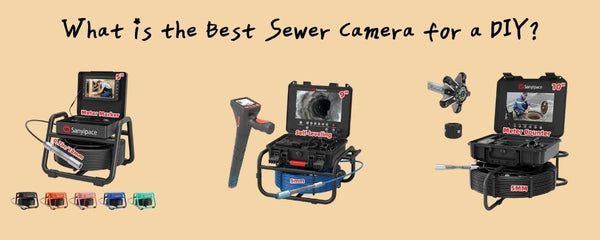
For homeowners, this often means avoiding unnecessary property damage. You can view plumbing cameras suitable for home DIY projects.
For contractors and municipalities, it reduces labor hours, repeat visits, and repair uncertainty. Click to view plumbing cameras suitable for professional plumbers.
When Should You Use a Pipe Inspection Camera?

Many people wait too long before scheduling an inspection.
A camera inspection makes sense whenever drainage problems become repetitive or difficult to explain.
Common Warning Signs
You may need a pipe inspection if you notice:
-
Repeated drain clogs
-
Slow drainage throughout the house
-
Foul sewer odors
-
Sewage backups
-
Wet spots in the yard
-
Unexplained increases in water bills
-
Gurgling toilets or drains
These symptoms often point to deeper pipe issues rather than simple surface blockages.
What Professionals Look for During a Pipe Inspection
During an inspection, technicians are usually checking for more than a single blockage.
Common findings include:
|
Problem |
Why It Matters |
|
Root intrusion |
Restricts flow and damages pipe walls |
|
Cracks or fractures |
Leads to leaks and soil movement |
|
Corrosion |
Weakens older metal pipes |
|
Offset joints |
Interrupts proper drainage |
|
Grease buildup |
Causes recurring clogs |
|
Bellied pipe sections |
Creates standing water inside the line |
The inspection process also helps determine whether cleaning, spot repair, trenchless repair, or full replacement makes the most sense.
Final Thoughts
Pipe inspection cameras have moved far beyond being specialty tools for large contractors.
Today, they are used everywhere from residential drain diagnosis to city sewer maintenance and industrial pipeline monitoring.
The biggest advantage is simple: they remove guesswork.
Instead of digging blindly or replacing pipes without confirmation, technicians can see the actual condition of the line before major decisions are made. That leads to faster diagnosis, more accurate repairs, and far less unnecessary disruption.
Related reading: Best 5 Sewer Camera Brands


Laat een reactie achter