





What Is a Borehole Camera and How Does It Work?
Inspecting a well or underground borehole from the surface reveals little about the condition of its interior. A borehole camera brings those hidden areas into view, helping contractors and geologists examine internal structures, document visible problems, and determine whether further investigation or maintenance is needed.
What Is a Borehole Camera?
A borehole camera, also known as a borehole inspection camera or downhole video camera, is a specialized device used to capture images and video inside wells and underground openings. It is commonly used to inspect water wells, monitoring wells, open boreholes, and other subsurface structures.
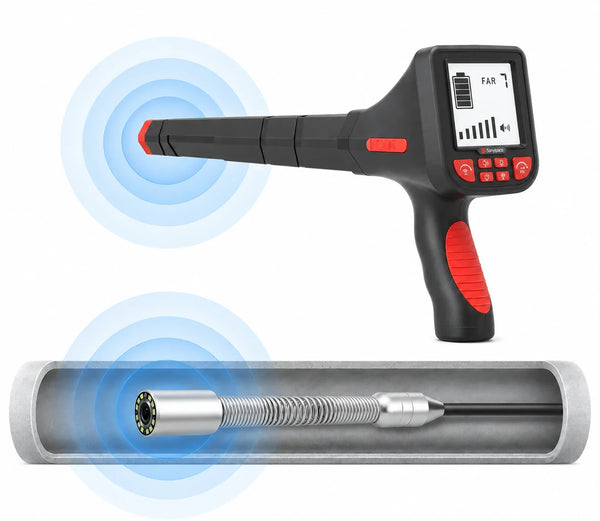
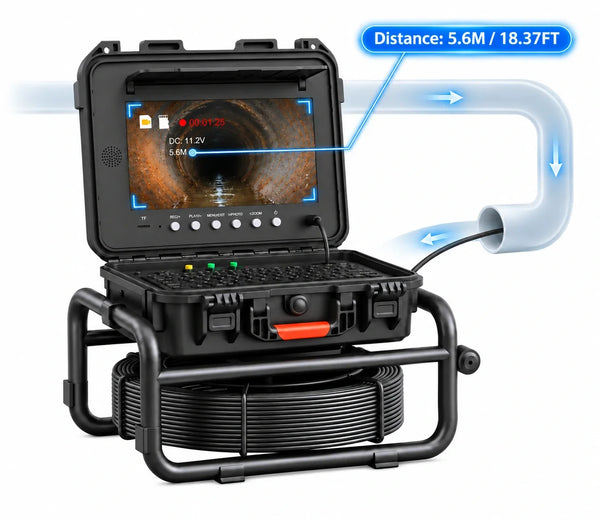
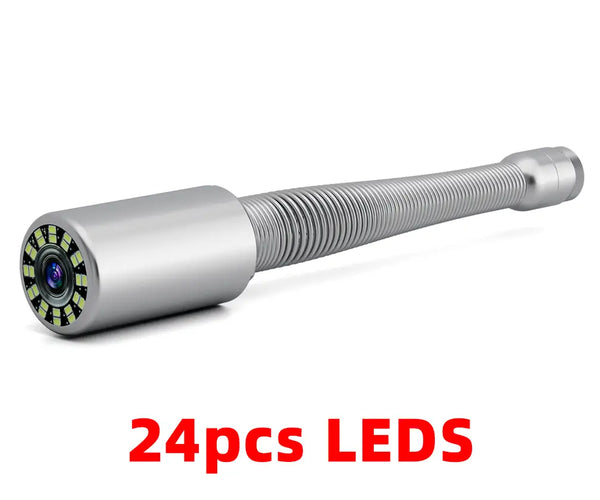
The system consists of a compact camera probe, a light source, an inspection cable, and surface monitoring equipment. The probe is lowered into the borehole, where it captures images of the surrounding casing or rock walls. Live footage travels through the cable to a surface monitor, allowing the operator to examine conditions at different depths.
Borehole cameras are particularly useful when well construction records are incomplete, drilling samples are missing, or an existing well needs a closer inspection before repair or maintenance. They provide a direct visual record without requiring additional excavation.
How Does a Borehole Camera Work?
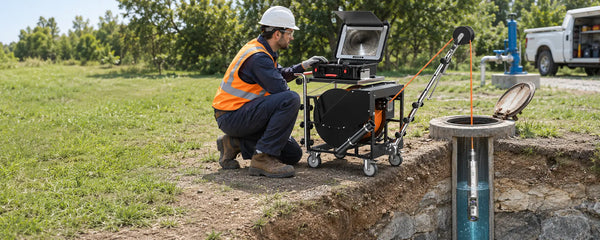
A borehole camera is lowered into a well using an inspection cable and winch system. As the probe moves through the borehole, its camera and LED lighting capture images of the surrounding area. Live footage is transmitted to a surface monitor, where the operator can examine the well interior, adjust the camera view, and record inspection results.
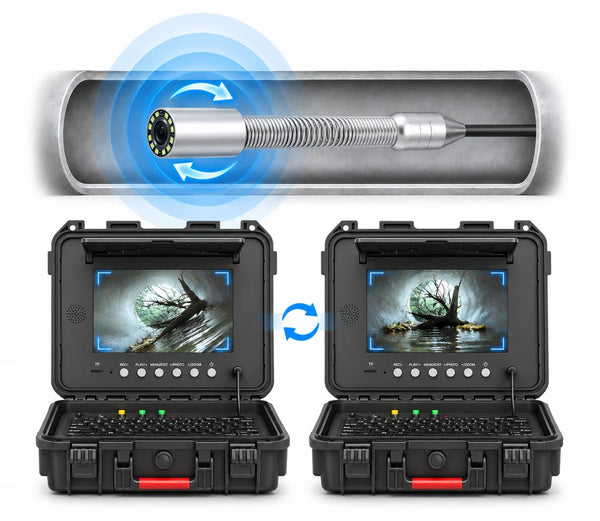
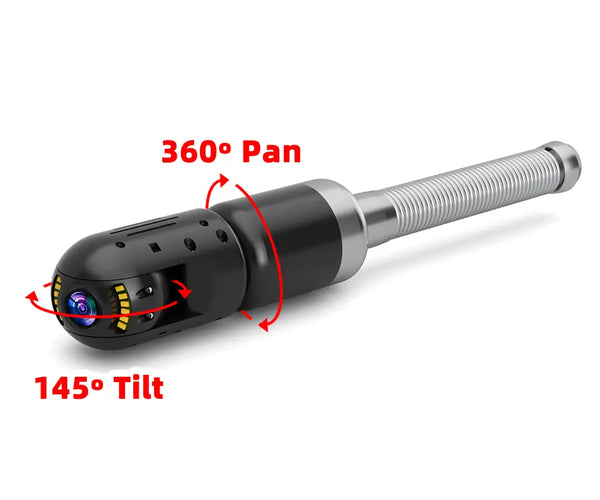
Professional systems such as the SANYIPACE S666 use an electric winch and dual-camera design to simplify deep-well inspections. Its front and side cameras provide different viewing perspectives, while the rotating camera system allows operators to examine the borehole without repeatedly repositioning the probe.

What Are the Main Components of a Borehole Camera System?
A professional borehole camera system combines several components to lower the camera, capture underground images, and document inspection findings.
-
Camera Probe: Houses the imaging components inside a waterproof protective enclosure. The SANYIPACE S666 uses front and side cameras, with a rotating dual-camera system for inspecting different areas of the borehole. Its side camera also features adjustable focus and a 120° viewing angle.
-
LED Lighting: Illuminates the borehole interior, where natural light is unavailable. The S666 uses high-brightness LED lighting to help capture details on casing surfaces and surrounding structures.
-
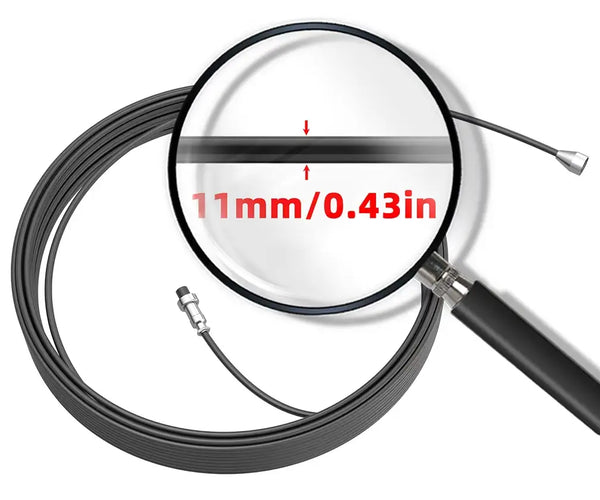
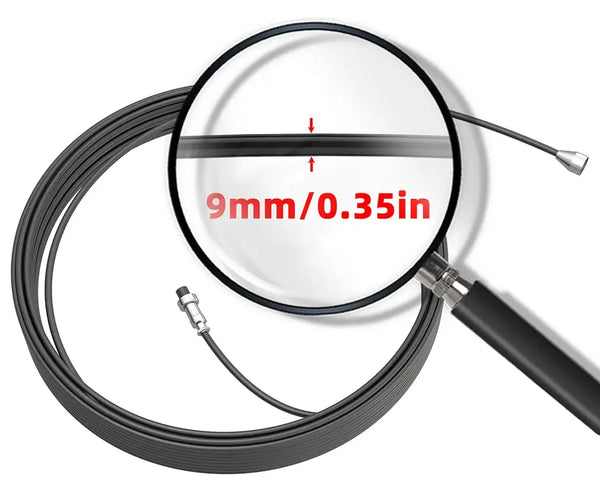
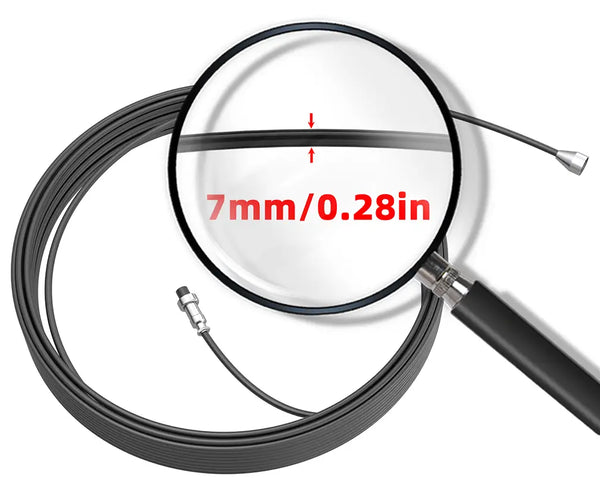
Inspection Cable: Connects the camera probe to the surface system and supports its movement through the well. The S666 uses an 8.5 mm Kevlar cable, available in 200 m (656 ft) and 500 m (1,640 ft) configurations for different inspection requirements.
-
Electric Winch: Controls cable deployment and retrieval. The S666 features an adjustable-speed electric winch with automatic cable management, reducing manual handling during long-distance inspections.
-
Monitor and Control Unit: Displays live camera footage and provides access to inspection controls. The S666 features a 13.3-inch Full HD monitor with 1920 × 1080 resolution, allowing operators to examine recorded images and live footage in detail.
-
Recording and Distance Measurement: Photo, video, and audio recording preserve inspection findings for later review. The S666 also supports image zoom and digital distance measurement, helping operators document observations during inspection.
Together, these components allow the operator to control the camera's movement, observe different areas of the borehole, and save visual records without repeatedly removing the equipment.
How Is a Borehole Camera Inspection Performed?

A typical borehole inspection follows a controlled process, from equipment preparation to reviewing the recorded footage.
1. Prepare the Equipment and Borehole
Before inspection, the operator checks the borehole diameter, estimated depth, and any internal obstructions that could restrict camera movement. The camera, cable, winch, and monitor should also be checked before deployment.
2. Lower the Camera into the Borehole
The camera probe is attached to the inspection cable and lowered using the winch. On the SANYIPACE S666, the electric winch provides adjustable deployment speed and automatic cable management, making it easier to handle its long Kevlar cable during deep-well inspections.
3. Capture Front and Side Views
As the probe moves through the well, the front camera captures the area ahead, while the side camera examines the surrounding borehole walls. The S666's rotating dual-camera system provides 360° viewing coverage, with a 120° wide viewing angle and adjustable side-camera focus to help examine different areas.
4. Monitor and Record the Inspection
Live footage appears on the 13.3-inch FHD monitor. The operator can zoom in on visible details, use digital distance measurement, and capture photos, videos, and audio notes to document the inspection.
5. Retrieve the Camera and Review the Footage
After the inspection reaches its target depth, the electric winch retrieves the camera and manages the cable as it returns to the surface. The saved footage can then be reviewed to identify visible casing damage, sediment, fractures, or other conditions that may require further investigation.
The exact inspection procedure depends on borehole conditions and equipment configuration. Cable length, camera pressure rating, and probe dimensions must all match the requirements of the inspection site.
What Can a Borehole Camera Reveal?

A borehole camera provides a visual record of conditions inside a well or underground opening. Its main value lies in showing the location and appearance of visible problems, helping inspectors determine whether cleaning, repairs, or additional testing may be necessary.
Can It Identify Casing Damage, Corrosion, and Screen Blockages?
Yes. Borehole cameras can help inspect the condition of well casing and screen sections, particularly when visible damage or deposits are affecting the well.
Common findings include:
-
Cracks and Holes: Visible damage in casing that may affect the well's structural integrity or allow unwanted material to enter.
-
Corrosion and Rust: Deterioration on exposed metal casing, joints, and other internal components.
-
Damaged Screen Openings: Enlarged, distorted, or damaged screen sections that may interfere with water entering the well.
-
Mineral Deposits and Biofilm: Accumulated material on casing or screen surfaces that can restrict openings.
-
Foreign Objects: Dropped tools, broken components, pipes, or other obstructions inside the well.
These observations help contractors assess the condition of an existing well and determine whether cleaning, rehabilitation, component replacement, or further structural evaluation is needed.
Can It Show Borehole Fractures, Sediment, and Water Inflow?
In open boreholes, a camera can reveal geological features that may not be fully represented by recovered drilling samples.
Rock layers, fractures, joints, cavities, and changes in formation appearance can be observed as the probe moves through the borehole. These features are particularly relevant in fractured-rock aquifers, where groundwater may enter through specific openings in the surrounding formation.
Video inspection can also show:
-
Sediment and loose material accumulating near the bottom of a well.
-
Visible water levels and changes in water appearance.
-
Cascading water entering from higher sections.
-
Visible seepage or water entering through fractures.
-
Changes in rock texture, color, and formation boundaries.
Seeing water enter a borehole does not establish how much water the aquifer can sustainably produce. Flowmeter logging and other hydrogeological tests are needed to measure water movement and evaluate water-bearing zones.
Where Are Borehole Cameras Used?

Borehole cameras are used in several industries where underground conditions need to be examined without relying solely on drilling samples or excavation.
How Are They Used in Water Well Inspections?
Water well contractors use borehole cameras when a well's output declines, construction records are incomplete, or repairs and rehabilitation are being considered.
The footage helps assess casing and screen conditions, identify visible obstructions, and document the interior before and after maintenance. For example, when a well experiences reduced output, an inspection may reveal screen deposits or accumulated sediment that warrant further investigation.
These visual findings help contractors decide whether cleaning, repair, or additional testing is appropriate.
How Are They Used in Geological and Geotechnical Surveys?
Geologists and geotechnical engineers use borehole video to supplement incomplete core samples, examine underground formations, and document visible structural features.
The footage can help identify bedding, joints, fractures, cavities, and changes in rock structure. These observations support geological mapping, groundwater investigations, and engineering assessments.
For detailed fracture orientation and continuous borehole-wall imaging, specialized optical or acoustic televiewer surveys may provide more useful data than conventional video footage.
What Borehole Camera Viewing Configurations Are Available?
Borehole cameras come in different viewing configurations. The main differences involve the direction of the camera lens and its ability to examine the surrounding borehole wall.
How Do Down-View and Side-View Cameras Differ?
Down-View Cameras point toward the bottom of the borehole. They show the path beneath the probe and help operators inspect the well bottom, identify obstructions, and observe changes as the camera descends.
Side-View Cameras point toward the surrounding borehole wall. They are useful for examining casing surfaces, screen openings, rock formations, and other features along the sides of the well.
Some systems combine both viewing directions in one probe. This allows operators to inspect the downward path and examine surrounding walls during the same survey.
When Are 360° and Dual-View Systems Useful?

A 360-degree side-view system can examine the full circumference of a borehole wall by rotating the lens or using a specialized imaging arrangement.
This configuration is useful when checking casing joints, examining screen conditions, or documenting geological features that may not appear within a single viewing angle.
Dual-view systems combine downward and side-view inspection capabilities. They are particularly useful when the operator needs to examine both the bottom of the borehole and its surrounding walls.
Specialized imaging systems require a separate distinction. An Optical Televiewer (OTV) uses light and optical sensors to produce high-resolution, oriented images of the borehole wall. An Acoustic Televiewer (ATV), by contrast, uses ultrasonic signals to create images based on sound-wave reflections. These are specialized borehole imaging technologies, not simply conventional cameras with rotating lenses.
For deep well inspections that require multiple viewing angles and extended cable reach, the SANYIPACE S666 Borehole Camera is one example of a dual-view inspection system. It combines front and side cameras with a rotating 360° viewing system, allowing operators to examine different areas without repeatedly repositioning the probe.
The S666 comes with an 8.5 mm Kevlar cable in a 200 m (656 ft) configuration, with a 500 m (1,640 ft) option for longer inspections. Its electric winch helps control cable deployment and retrieval, while the 13.3-inch Full HD monitor displays inspection footage. Photo, video, and audio recording, along with image zoom and digital distance measurement, support inspection documentation.
This type of setup is particularly relevant to professionals who regularly inspect deep water wells and need to examine both the area ahead of the camera and the surrounding borehole walls. Actual operating depth must remain within the system's rated pressure limits.
What Are the Limitations of a Borehole Camera?

Borehole cameras provide valuable visual information, but they cannot reveal every underground condition. Image quality, borehole accessibility, and the type of inspection system all affect what an operator can observe.
How Do Water Clarity and Borehole Conditions Affect Image Quality?
Water clarity is one of the biggest factors affecting borehole video quality. Suspended sediment, drilling mud, mineral particles, and biological material can scatter light and obscure the camera's view.
A powerful LED system cannot always overcome poor visibility. In heavily turbid water, the camera may capture only a short distance around the probe, making it difficult to identify cracks, screen damage, or geological features.
Other conditions can also affect inspection results:
-
Narrow Casing: A probe that exceeds the available internal diameter cannot pass through safely.
-
Loose Sediment: Camera movement can disturb settled material and temporarily reduce visibility.
-
Well Obstructions: Pumps, drop pipes, cables, and fallen objects may prevent the probe from reaching the intended depth.
-
Deviated Boreholes: An off-center camera may favor one side of the wall, leaving other areas less visible.
-
Poor Lighting or Reflections: Incorrect brightness settings can make surface details difficult to distinguish.
Where site conditions permit, cleaning the well, allowing disturbed material to settle, or using appropriate pumping procedures may improve visibility. These steps should be planned carefully because disturbing a well can affect subsequent inspection and sampling.
What Can a Borehole Camera Not Detect?
A standard borehole video camera records only features visible within its field of view. It cannot see through intact metal casing or directly examine the surrounding formation beyond the borehole wall.
It also cannot independently determine:
-
Chemical or bacterial contamination in groundwater.
-
The exact flow rate of water entering the borehole.
-
The sustainable yield of an aquifer.
-
Precise fracture orientation without suitable orientation sensors and supporting measurements.
-
The complete structure of underground formations beyond the camera's visible range.
Different inspection methods provide different information. Optical Televiewers create oriented images of the borehole wall but require sufficient optical visibility. Acoustic Televiewers use ultrasonic reflections and can operate in fluid-filled boreholes where optical imaging is difficult.
Flowmeters measure water movement, while laboratory sampling is needed to assess chemical and microbiological water quality.
A borehole camera is best treated as a visual inspection tool that supports a broader investigation, not a replacement for every form of underground testing.
How Do You Choose the Right Borehole Camera?

The right camera depends on the borehole's physical dimensions, inspection depth, viewing requirements, and the information you need to collect. A system designed for a shallow monitoring well may not be suitable for a deep production well.
How Do Borehole Diameter and Inspection Depth Affect Camera Selection?
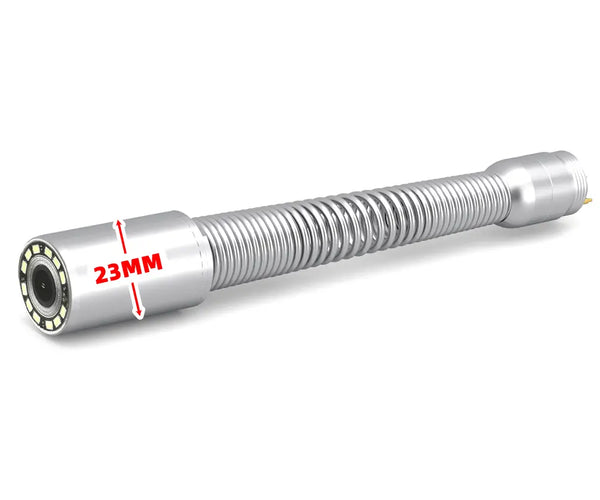
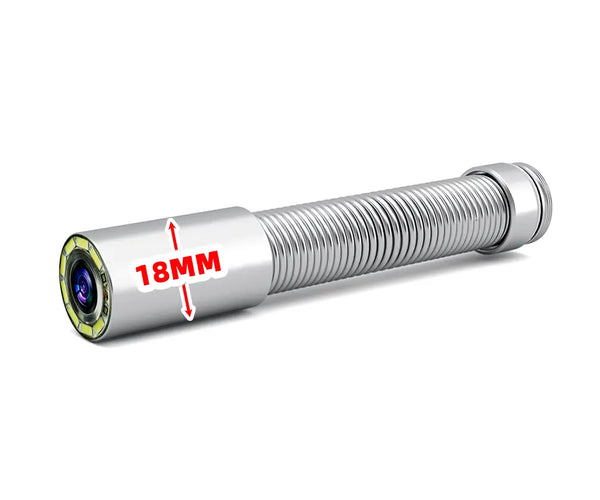
Start with the internal diameter of the well casing or open borehole. The camera probe must fit through the narrowest section, including any centralizers or protective attachments.
A smaller probe may be necessary for narrow monitoring wells, while larger systems can accommodate wider water wells and open boreholes.
Inspection depth matters just as much. Check the cable length, winch capacity, and maximum operating depth specified by the manufacturer. For submerged inspections, the probe housing, connectors, and cable system must be rated for the expected water pressure.
Do not judge a camera's maximum working depth by cable length alone. Its pressure rating, cable strength, and mechanical limits also determine how deep it can safely operate.
For deviated boreholes, consider whether the system can maintain a stable viewing position and whether it needs additional deviation measurements. An off-center probe or an uncorrected depth reading can affect how accurately features are located and interpreted.
Which Viewing, Lighting, and Recording Features Matter?
Choose the camera configuration according to the inspection task. Compare the following features before purchasing.
| Feature | What to Check | Why It Matters |
|---|---|---|
| Probe Diameter | Compatibility with the well's internal diameter | Prevents the camera from becoming stuck |
| Cable Length | Sufficient reach for the target depth | Allows inspection of the full well |
| Cable Strength | Rated tensile load and compatibility with the winch | Supports safe probe deployment and retrieval |
| Pressure Rating | Maximum operating pressure or depth | Protects the camera during submerged inspections |
| Camera View | Down-view, side-view, or dual-view | Determines which areas can be examined |
| Viewing Control | Rotation, pan, or tilt | Helps inspect different parts of the borehole wall |
| LED Lighting | Adjustable brightness | Improves visibility in dark conditions |
| Centralizers | Compatibility with the probe and borehole diameter | Help maintain a more consistent viewing position |
| Depth Encoder | Calibrated cable-based depth measurement | Helps locate and document visible features |
| Recording | Digital video and image storage | Supports inspection records and later review |
For routine water well inspections, clear imaging, reliable depth measurement, and digital recording may be sufficient. Geological surveys often require additional capabilities, such as 360-degree side viewing, camera orientation, and deviation measurements.
Also check whether the system allows recorded footage to be exported with depth information. This can make it easier to compare inspection results over time and share findings with contractors or project engineers.
Borehole Camera vs. Sewer Inspection Camera: What's the Difference?

Borehole cameras and sewer inspection cameras both use video technology to examine areas that are difficult to access from the surface. Their designs, however, reflect very different working environments.
| Comparison | Borehole Camera | Sewer Inspection Camera |
|---|---|---|
| Inspection Area | Vertical wells and underground boreholes | Drainage pipes and sewer lines |
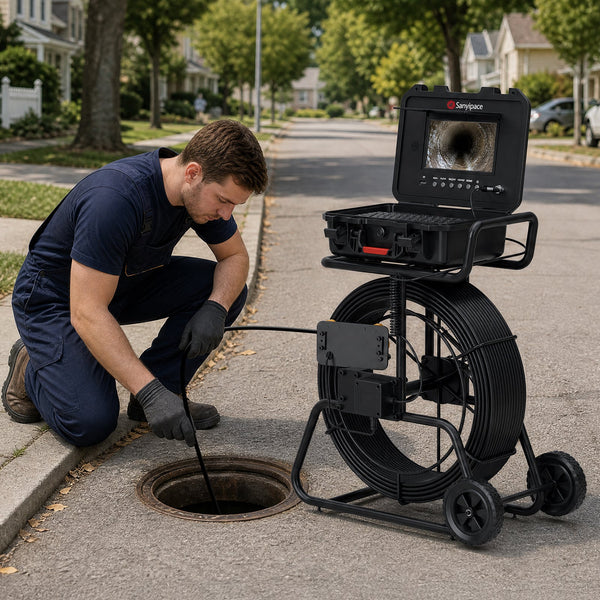
| Deployment | Lowered vertically using a cable and winch | Usually pushed horizontally using a semi-rigid push rod |
| Camera Design | Compact downhole probe with pressure-rated housing | Compact pipe camera head, often self-leveling |
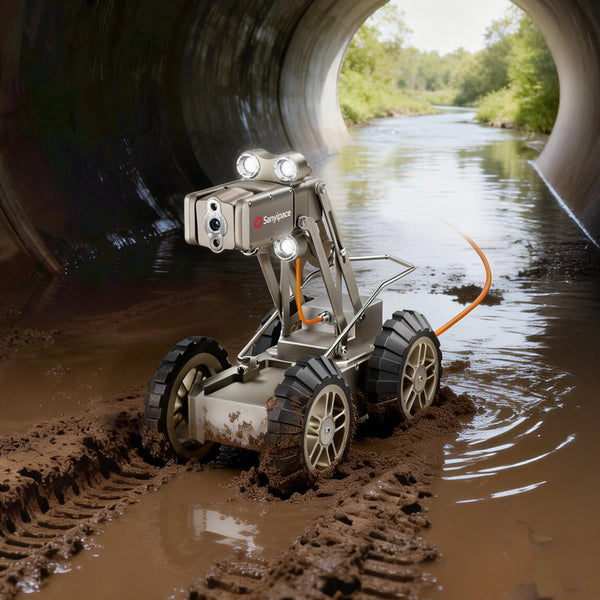
| Cable System | Wireline or armored cable | Flexible push rod or crawler system |
| Main Inspection Targets | Casing damage, screen conditions, fractures, sediment, and visible water inflow | Blockages, cracks, root intrusion, pipe offsets, and corrosion |
| Typical Users | Water well contractors, geologists, and groundwater professionals | Plumbers, drain contractors, and sewer inspection technicians |
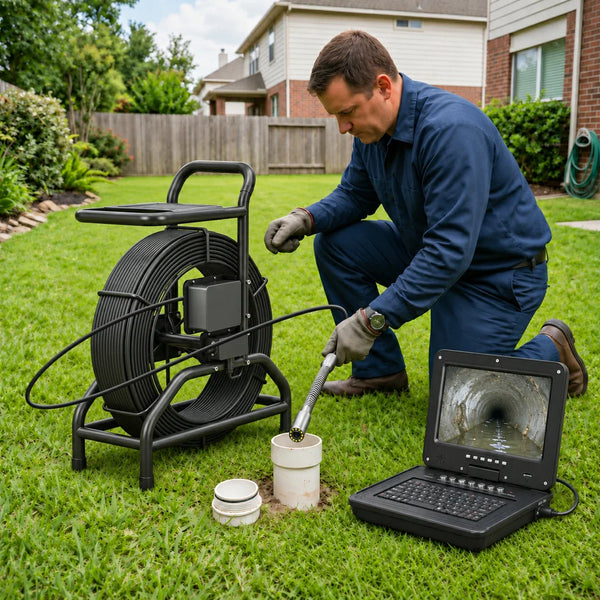
The main difference is how the equipment enters and moves through the inspection area. A borehole camera is suspended inside a vertical opening, while a typical sewer push camera travels through a pipe using a semi-rigid cable. Larger sewer lines may instead require a remotely operated crawler.
A sewer camera should not automatically be used as a substitute for a borehole camera. Its probe, cable, pressure rating, and deployment system must match the inspection environment.
Frequently Asked Questions

Is a Borehole Camera the Same as a Downhole Camera?
The terms often overlap. A borehole camera generally refers to a video system used to inspect wells and underground boreholes. A downhole camera is broader and can also describe equipment used in oil and gas wells, mining operations, and other subsurface applications.
Can a Borehole Camera Be Used Underwater?
Yes. Many borehole camera systems are designed for submerged inspections. However, the probe housing, connectors, and cable must meet the required pressure rating. Water clarity also affects how much detail the camera can capture.
What Happens When Borehole Water Is Cloudy or Muddy?
Suspended particles scatter the camera's light and reduce visibility. Heavy turbidity can make cracks, screen damage, and geological features difficult to identify. Cleaning or flushing may improve conditions when permitted by the inspection plan.
Can Video Inspection Show Where Groundwater Enters a Borehole?
A camera can show visible seepage, cascading water, and apparent entry points along the borehole wall. However, it cannot independently measure groundwater flow rates or determine the sustainable yield of the aquifer. Flowmeter logging may be needed for those measurements.
How Deep Can a Borehole Camera Inspect?
Maximum inspection depth depends on the camera's pressure rating, cable length, winch capacity, and electrical system. Portable systems and professional downhole logging equipment have very different operating limits. Always check the manufacturer's specifications before use.
Is a Sewer Camera Suitable for Borehole Inspection?
A standard sewer push camera is generally not designed for deep vertical well inspections. Its push rod, cable system, and camera housing may not be suitable for suspended loads or the water pressure involved. Use equipment specifically rated for borehole applications.
Conclusion
A borehole camera gives contractors and geologists a direct view of underground conditions, helping them inspect casing, identify visible fractures, locate obstructions, and document changes inside a well. The right system depends on borehole dimensions, inspection depth, water clarity, viewing requirements, and recording capabilities. Used alongside other testing methods when necessary, video inspection provides valuable evidence for well maintenance, geological investigation, and underground assessments.
Related reading: What is an Inspection Camera?


Lascia un commento