









What Is the Purpose of a Drain Cleanout?
Most homeowners never think about their drain cleanout—until a sewer line problem appears.
The simple answer is this:
A drain cleanout provides direct access to your home's main drain or sewer line, making inspections, maintenance, and clog removal much easier.
Without it, diagnosing and fixing plumbing issues often becomes slower, more expensive, and more disruptive.
In this guide, we'll explain what a drain cleanout does, why it matters, and how it can save homeowners significant time and money when drainage problems occur.
What Is a Drain Cleanout?

A drain cleanout is an access point connected to the main drain or sewer line of a property.
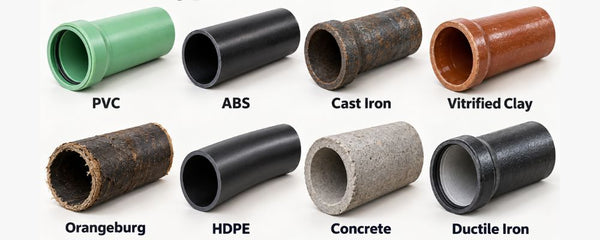
It is usually a capped pipe made from PVC, ABS, or cast iron. Removing the cap allows plumbers—or homeowners—to access the pipe directly without dismantling fixtures inside the home.
Think of it as a service entrance for your plumbing system.
When a blockage, backup, or inspection is needed, the cleanout provides the fastest route to the problem area.
What Is the Purpose of a Drain Cleanout?

The primary purpose of a drain cleanout is to provide direct access to the sewer line.
This access allows plumbers and homeowners to inspect, diagnose, maintain, and clear drainage systems without dismantling plumbing fixtures or cutting into pipes. Although a drain cleanout is a relatively simple component, it can significantly reduce the time, effort, and cost involved in resolving sewer line problems.
Some of the most common benefits of having a drain cleanout include:
| Purpose | Benefit |
|---|---|
| Clearing blockages | Faster drain cleaning |
| Camera inspections | Accurate problem diagnosis |
| Preventive maintenance | Detect issues before failure |
| Hydro jetting | Easier pipe cleaning |
| Emergency repairs | Reduced labor time and costs |
1. Clear Clogs Faster
When a kitchen sink clogs, the issue is often limited to a single fixture. However, when multiple drains begin backing up simultaneously, the problem is usually located in the main sewer line.
A drain cleanout provides direct access to that line, allowing plumbers to insert drain snakes, augers, or hydro jetting equipment without removing a toilet or working through a roof vent. This typically speeds up the repair process and can help reduce service costs.
2. Make Sewer Camera Inspections Easier
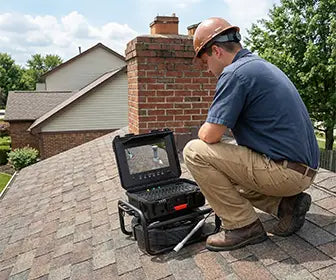
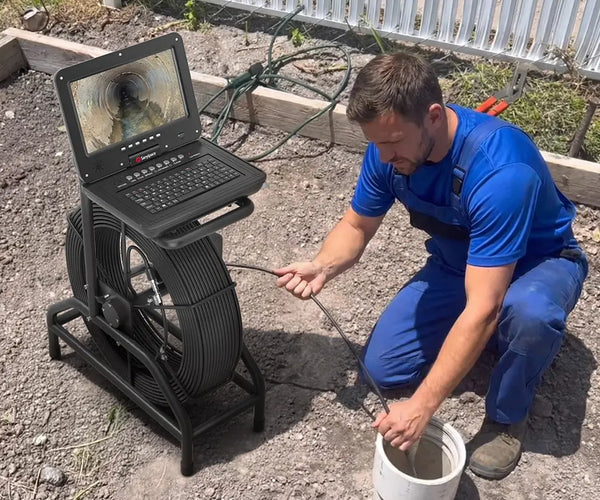
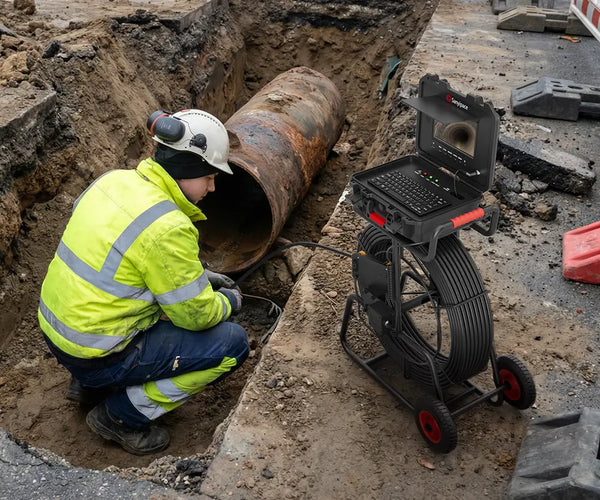
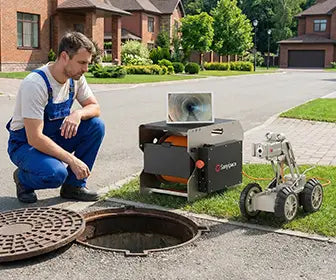
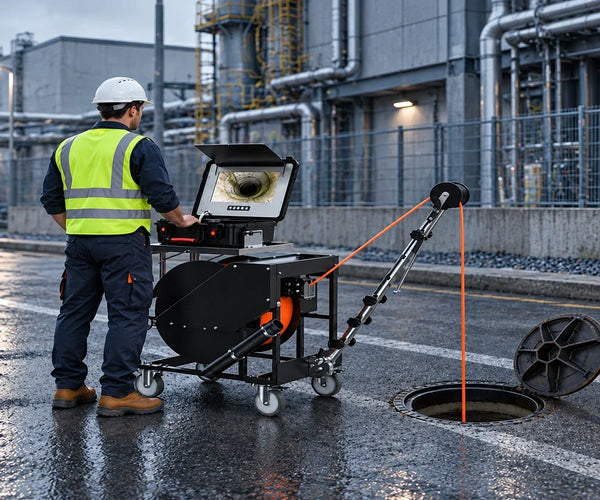
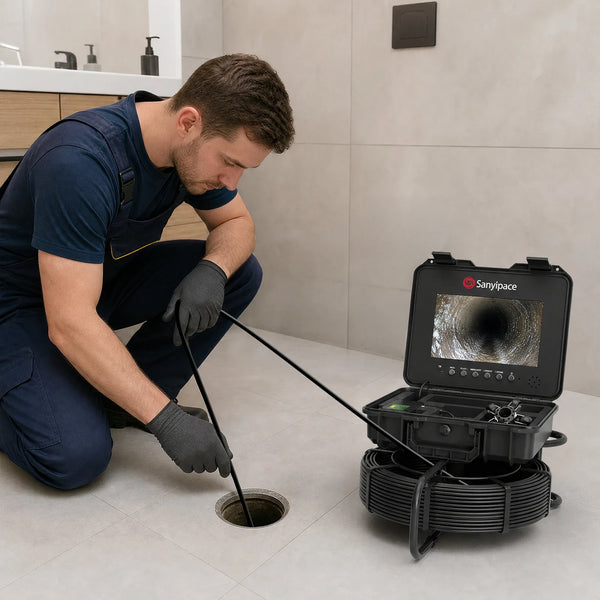
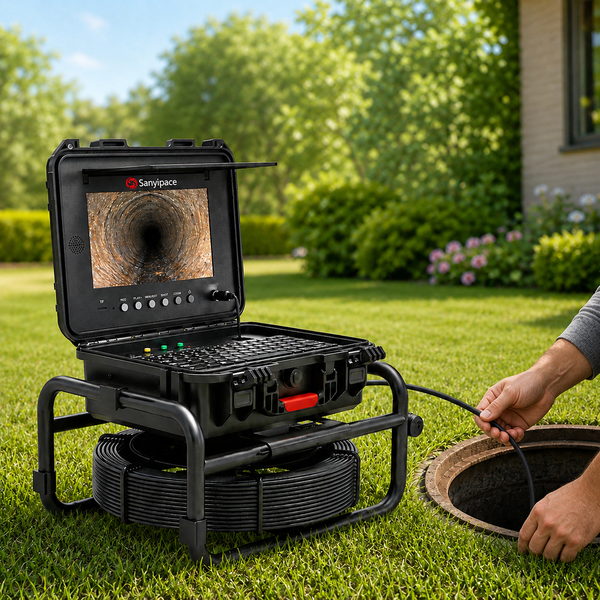
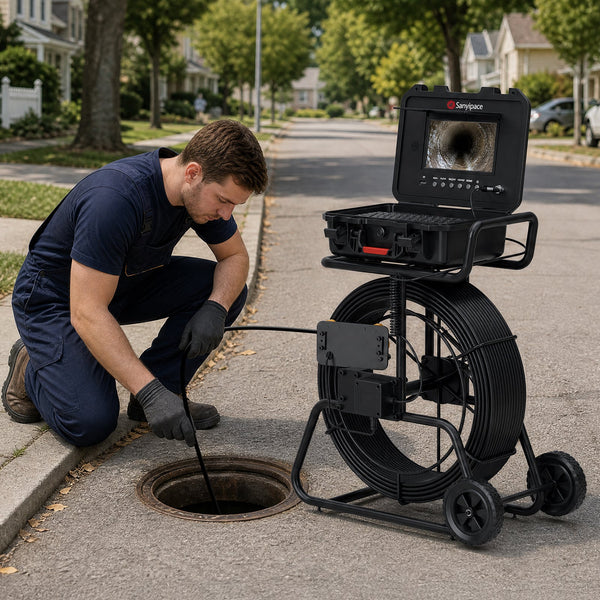
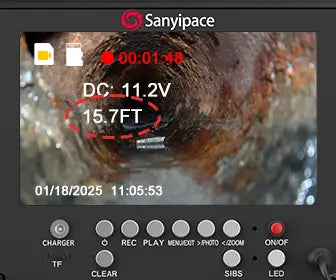
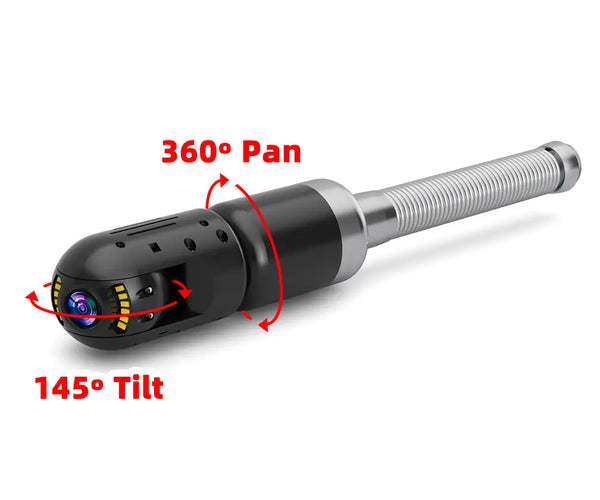
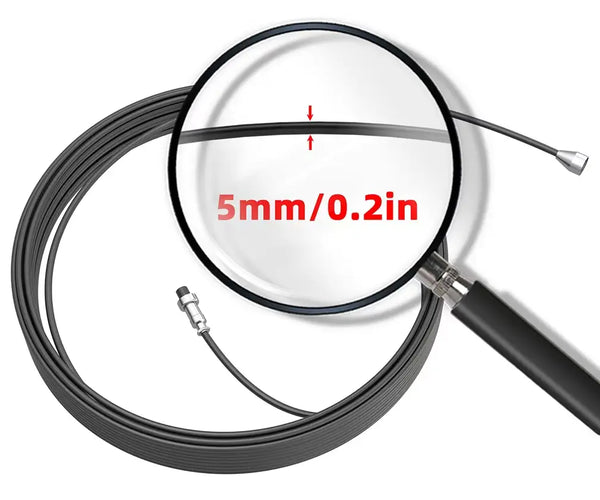
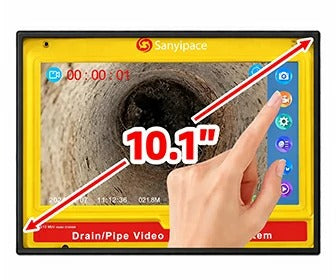
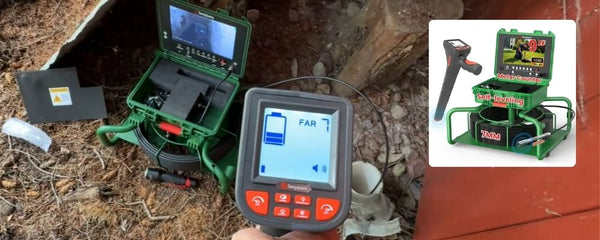
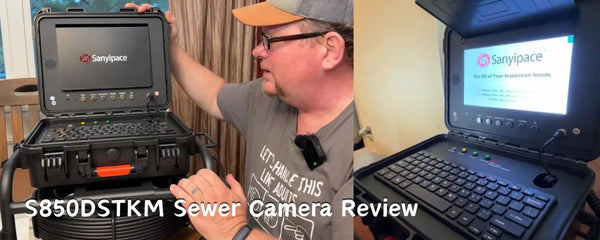
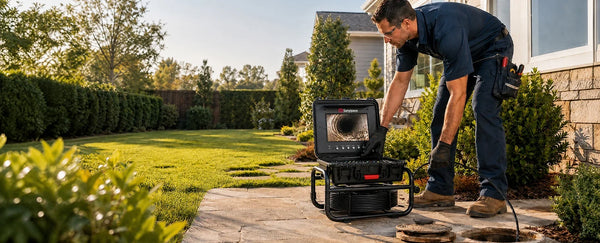
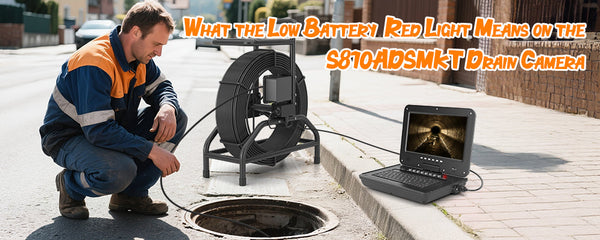
Modern plumbing diagnostics rely heavily on sewer cameras. A sewer camera can be inserted through the drain cleanout to inspect the pipe's interior in real time.
This allows homeowners and plumbers to identify:
-
Grease buildup
-
Pipe corrosion
-
Cracked pipes
-
Pipe offsets
-
Foreign object blockages
Rather than guessing what is causing the issue, the camera provides visual confirmation.
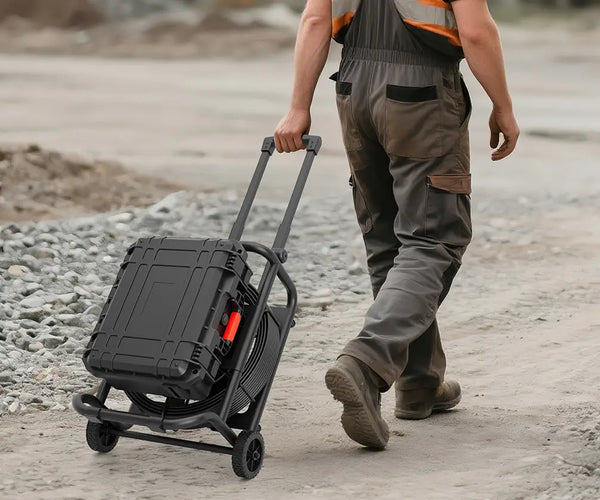
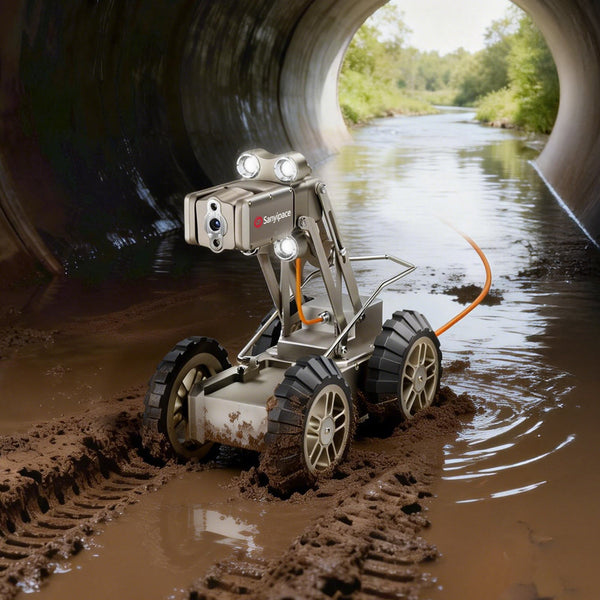
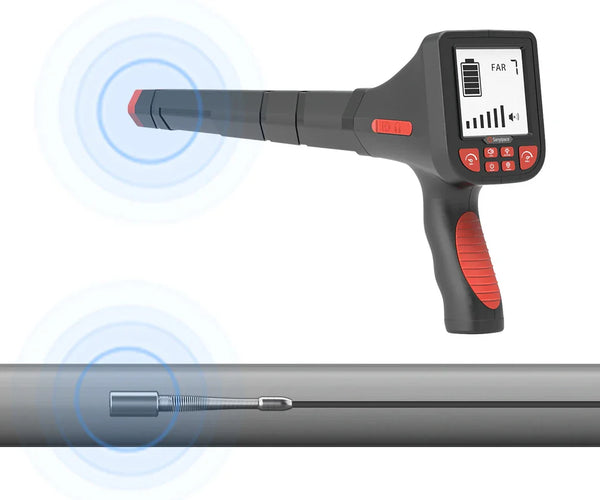
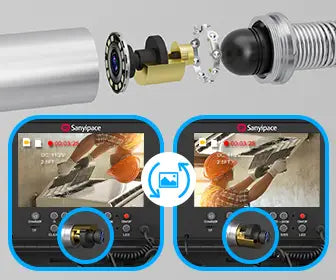
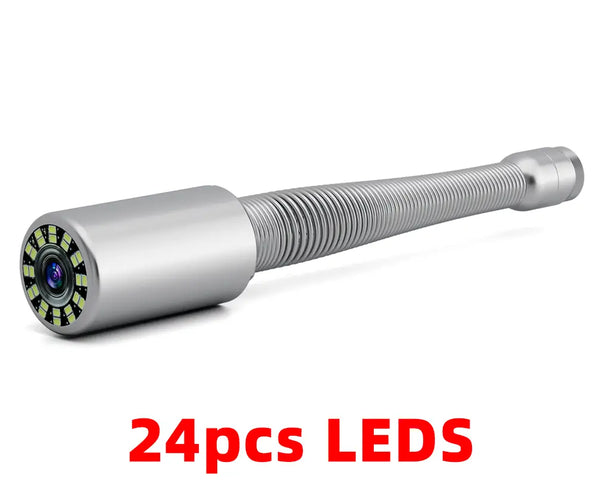
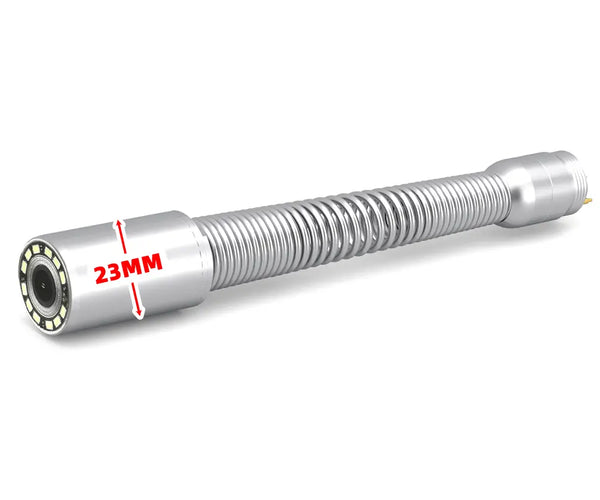
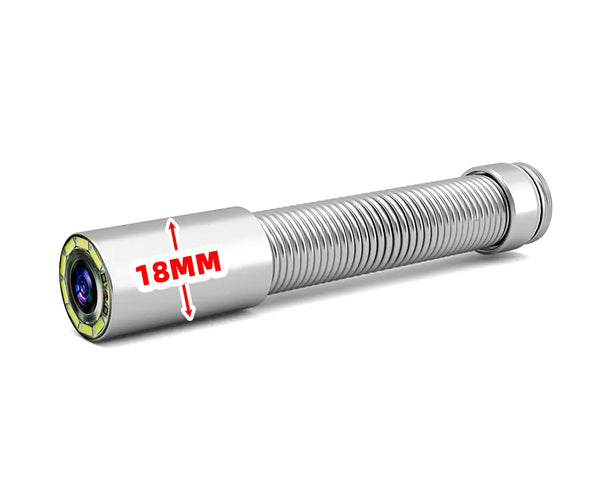
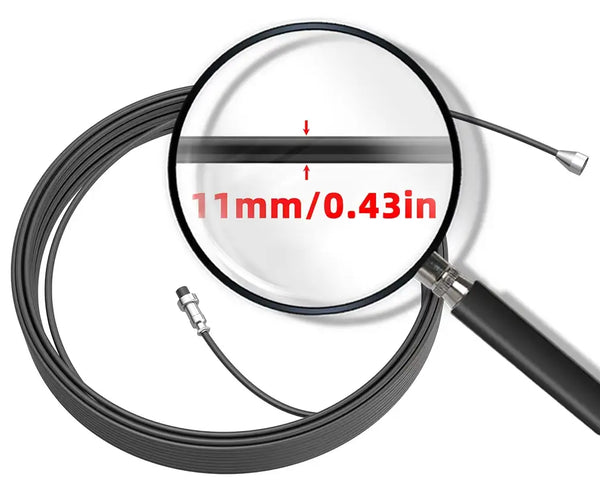
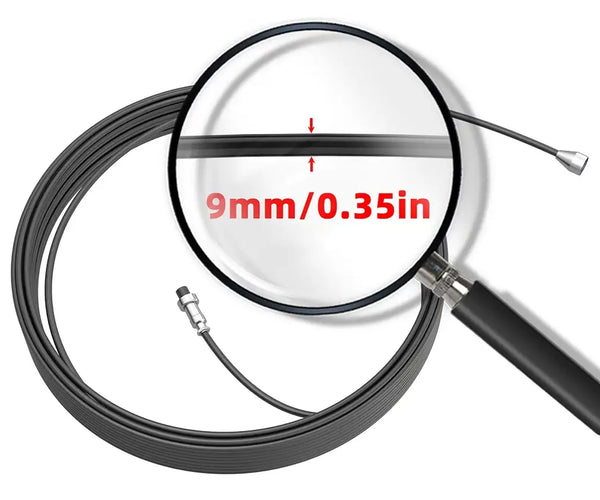
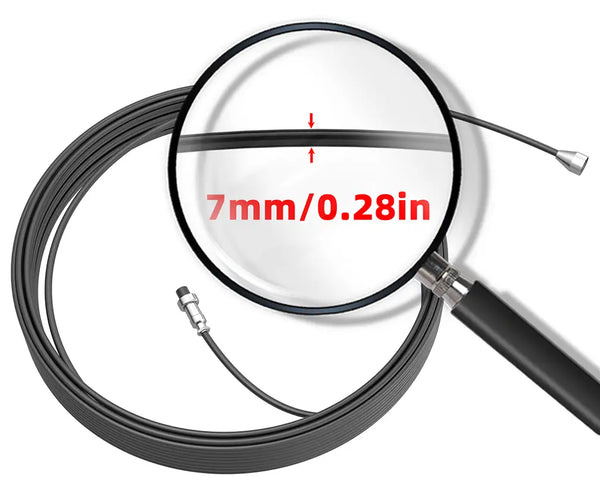
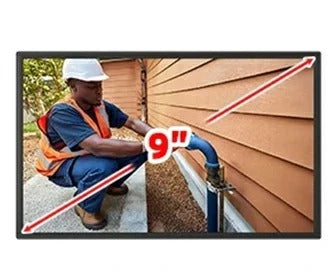
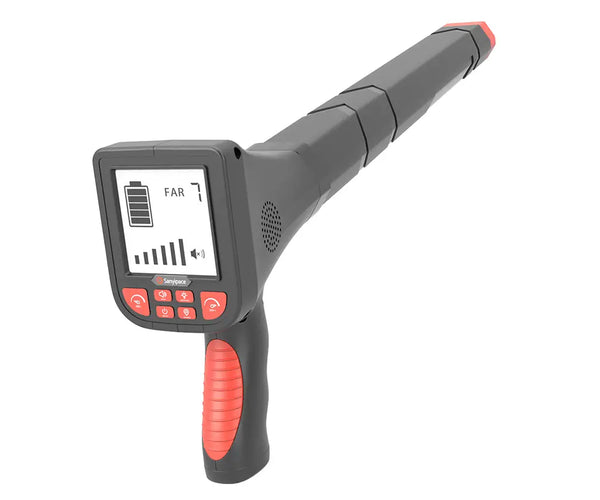
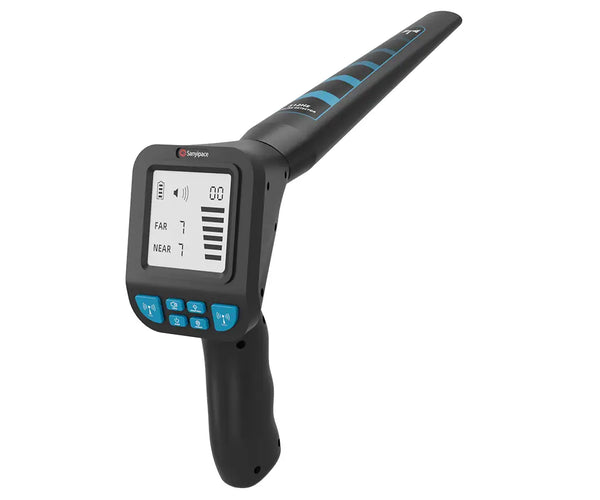
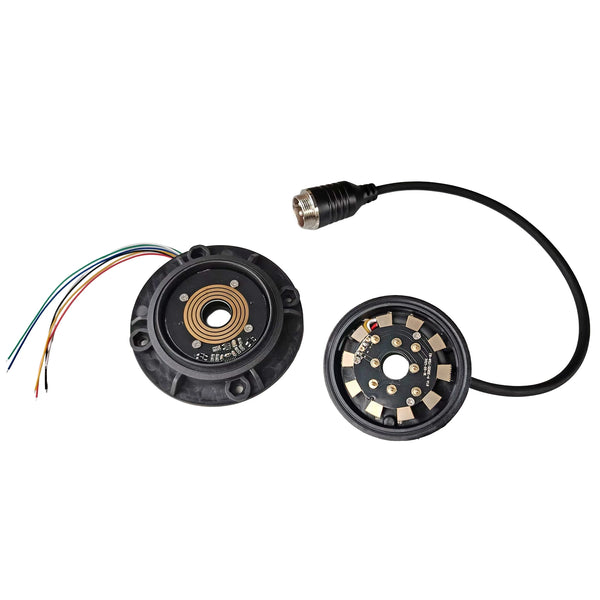
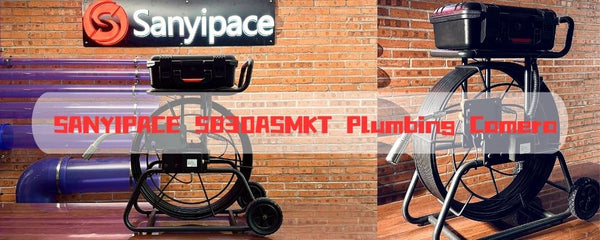
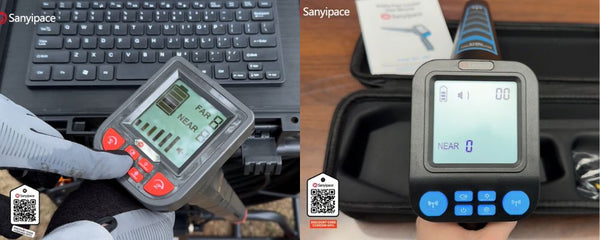
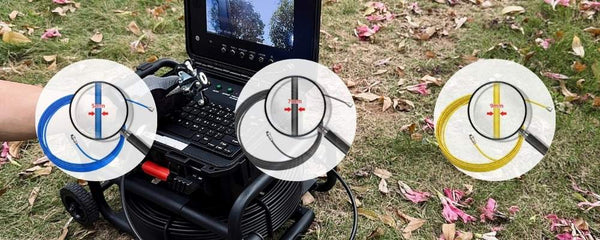
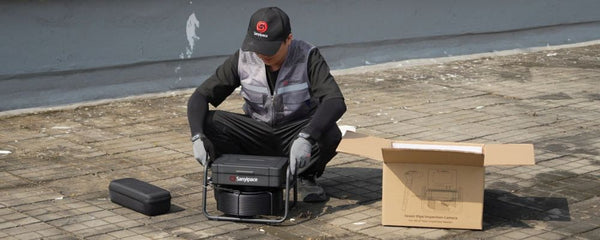
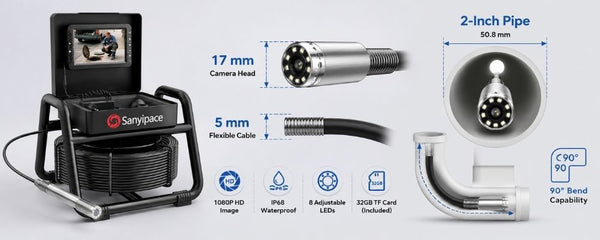
For homeowners who prefer to diagnose drain issues before scheduling a plumbing service, a sewer camera such as the Sanyipace sewer camera can provide a clear view inside the line through an existing drain cleanout.
3. Help Prevent Sewer Backups
Sewer backups are among the most disruptive plumbing issues a homeowner can experience. Water may begin backing up into showers, tubs, toilets, or floor drains, creating both sanitation and property damage concerns.
Because a drain cleanout provides convenient access to the sewer line, developing blockages can often be identified and removed before a complete backup occurs. Routine inspections through the cleanout can also reveal early warning signs of larger problems.
4. Reduce Plumbing Repair Costs
One of the most overlooked advantages of a drain cleanout is the potential cost savings it provides.
Without a cleanout, plumbers may need to:
-
Remove a toilet
-
Access the system through a roof vent
-
Cut into plumbing lines
-
Spend additional time locating the blockage
Each of these steps increases labor requirements and service costs. A properly installed drain cleanout streamlines access to the sewer system, allowing many inspections and repairs to be completed more efficiently.
Where Is a Drain Cleanout Usually Located?

Most residential cleanouts are located in one of the following areas:
1. Outside the House
This is the most common location. Look for a capped pipe near:
-
The foundation wall
-
The front yard
-
The side of the home
-
Landscaping near the sewer connection
2. Basement or Utility Room
In colder regions, cleanouts are often installed indoors to protect them from freezing temperatures.
3. Near a Septic Tank
Homes using septic systems may have cleanouts located between the house and the tank.
If you're unsure where yours is located, checking your home's plumbing plans or having a quick plumbing camera inspection performed can help identify the access point.
Signs You May Need to Access Your Drain Cleanout
Several warning signs suggest that the main drain line may need inspection.
Watch for:
-
Multiple drains are backing up at once
-
Slow drainage throughout the house
-
Sewage odors indoors or outdoors
-
Water is pooling near the cleanout cap
These symptoms often indicate a blockage or restriction somewhere in the main line. The sooner the issue is investigated, the less likely it is to develop into a costly repair.

What Happens If Your Home Doesn't Have a Drain Cleanout?
Older homes sometimes lack a dedicated cleanout. The plumbing system can still function normally, but maintenance becomes more difficult.
Without a cleanout:
-
Sewer inspections take longer
-
Drain cleaning is less convenient
-
Service costs may increase
-
Emergency access becomes limited
For homeowners planning major plumbing upgrades, installing a cleanout can be a worthwhile long-term improvement.
How to Maintain a Drain Cleanout?

Drain cleanouts require very little maintenance. A few simple habits are usually enough:
-
Keep the cleanout visible and accessible
-
Avoid covering it with landscaping or concrete
-
Check the cap for damage or leaks
-
Monitor nearby tree roots
-
Schedule periodic sewer inspections if your home is older
Preventive maintenance is generally much cheaper than emergency repairs.
Final Thoughts
The purpose of a drain cleanout is straightforward: it provides direct access to your home's main drain line. That single access point makes sewer inspections easier, clog removal faster, and repairs more efficient.
Whether you're dealing with a current blockage or simply trying to protect your plumbing system, knowing where your drain cleanout is—and how to use it—can save both time and money.
For homeowners who want a clearer picture of what's happening inside their pipes, combining a drain cleanout with a sewer camera inspection is often the fastest way to identify problems before they become expensive repairs.


Hinterlassen Sie einen Kommentar