










Why Is My Toilet Gurgling? Causes and Fixes
A gurgling toilet usually means air is trapped in your plumbing system and is being forced back through the water in the bowl. That typically happens when the drain line can’t “breathe” properly—most often due to a partial clog or a venting issue.
If the gurgling is accompanied by multiple slow drains, a sewage odor, or water backing up, treat it as a potential main sewer line problem and stop running water until you’ve confirmed the issue.
Safety note: If you see sewage backup, smell strong sewer gas, or multiple fixtures are acting up at the same time, don’t keep flushing—that’s how small problems turn into messy (and expensive) ones.
What Does a Gurgling Toilet Mean?
Smart toilets/toilets aren’t supposed to “talk.” When it gurgles, it’s usually your plumbing telling you one thing: pressure isn’t balancing the way it should.
Here’s what’s happening in plain terms:
-
When water drains, it needs air to replace it so the flow stays smooth.
-
Your plumbing vent system supplies that air and prevents negative pressure.
-
If a drain line is partially blocked (or a vent is blocked), air can’t move freely.
-
That trapped air looks for an exit—often bubbling up through the toilet bowl, creating the gurgling sound.
A gurgling toilet is often paired with other clues, like:
-
Slow flushes or incomplete clears
-
Bubbling in the bowl when another fixture drains
-
Sewer odors (sometimes mild, sometimes strong)
-
Water movement in the bowl that seems “off” after a flush
60-Second Diagnosis Checklist

Use this quick checklist to narrow down the likely cause before attempting fixes. The goal is to figure out whether you’re dealing with a fixture-side issue (toilet/trap), a branch line issue, or a main line/venting issue.
Check the pattern
- ☐ Only one toilet gurgles, and everything else drains normally
- ☐ The toilet gurgles when you run the sink/tub in the same bathroom
- ☐ The toilet gurgles when another toilet is flushed
- ☐ You have multiple slow drains (bathroom + kitchen, or several fixtures)
- ☐ Gurgling is worse on the lowest level (basement/first floor)
- ☐ There’s a sewage smell, or you see water backing up anywhere
- ☐ The issue started after flushing wipes / heavy paper / “non-flushables.”
- ☐ Symptoms are worse after heavy rain (optional but telling)
How to read the results (fast)
- One toilet only → usually a partial toilet clog or trap restriction.
- Same bathroom fixtures involved → likely a branch line clog or venting imbalance.
- Multiple fixtures across the home / lowest-level issues → possible main sewer line problem (treat seriously).
Why Is My Toilet Gurgling? Common Causes

Below are the most likely reasons a toilet gurgles, ordered from common/easier to resolve to more serious.
1) Partial Toilet Clog (Near the Bowl)
What you’ll notice:
- The toilet flushes slowly, bubbles occasionally, or needs repeated flushes
- The water level may rise a bit and then drop
Why it causes gurgling: A partial clog restricts flow, so air can’t move smoothly with the water. The trapped air “burps” back through the bowl.
2) Toilet Trap / Outlet Restriction (Soft buildup or a foreign object)
What you’ll notice:
- Plunging helps temporarily, but the problem returns quickly
- You suspect something “not flushable” went down
Why it causes gurgling: Restriction at or just past the trapway creates turbulence and pressure swings that push air back up.
3) Blocked or Improper Venting (Vent Stack Issue)
What you’ll notice:
- Gurgling increases when other fixtures drain
- Drains may feel “gluggy,” and odors can show up
- Symptoms may appear across more than one fixture
Why it causes gurgling: If the vent can’t supply air, draining water creates negative pressure. The system pulls air from the easiest path—often through the toilet’s water seal—causing bubbles and noise.
4) Branch Line Clog (Bathroom Drain Line)
What you’ll notice:
- Toilet + tub/shower/sink in the same area drains slowly or gurgles
- One bathroom acts up while the rest of the house seems fine (at first)
Why it causes gurgling: A clog in the branch line restricts flow and disrupts airflow, making fixtures “talk” to each other.
5) Main Sewer Line Clog (Most Important to Catch Early)
What you’ll notice:
-
Multiple fixtures across the home are slow or bubbling
-
Problems show up first on the lowest level
-
Sewer odor or backups in tubs/showers/floor drains
Why does it cause gurgling? When the main line is restricted, air and wastewater have nowhere to go. The pressure looks for relief at the lowest, easiest openings.
6) Septic System Issues (If applicable)
What you’ll notice:
-
Gradual whole-home drainage decline
-
Outdoor odors or wet spots near the drain field (sometimes)
Why it causes gurgling: When the system can’t accept flow, drainage slows and pressure behavior becomes unstable inside the house.
7) Municipal Sewer Problems (Less common, but possible)
What you’ll notice:
-
Neighbors report similar drain issues
-
Symptoms worsen after storms or local sewer work
Why it causes gurgling: If the municipal line is surcharged or restricted, it can affect multiple homes and cause pressure fluctuations.
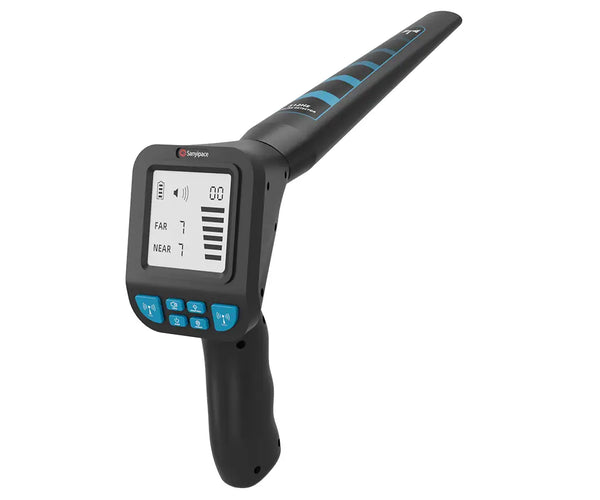
Need to Find Where the Blockage Is?
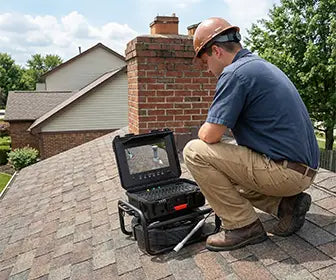
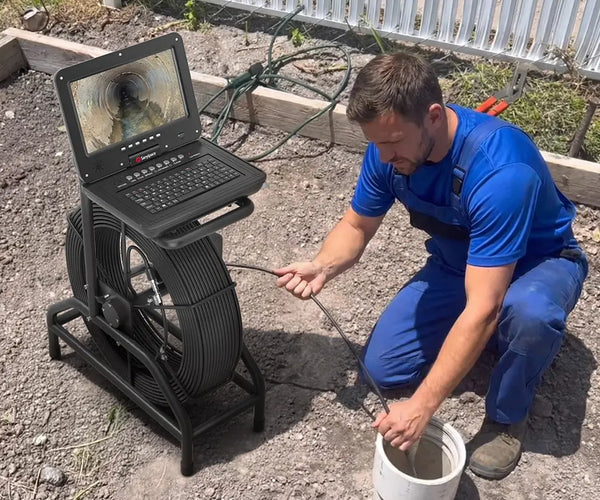
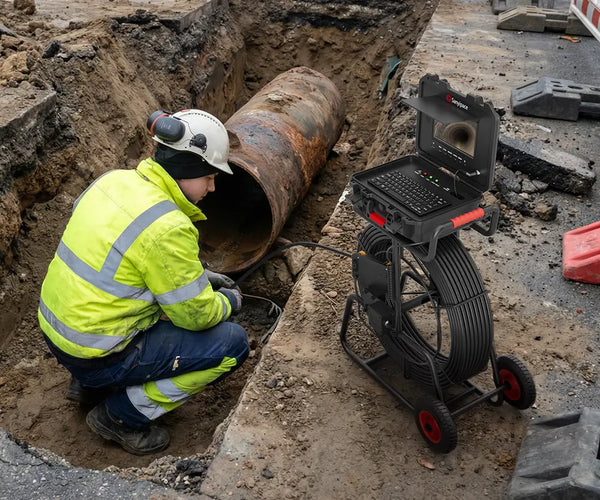
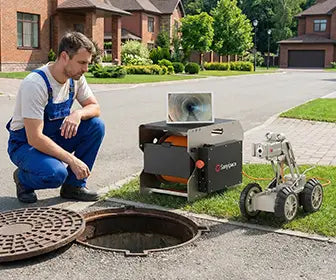
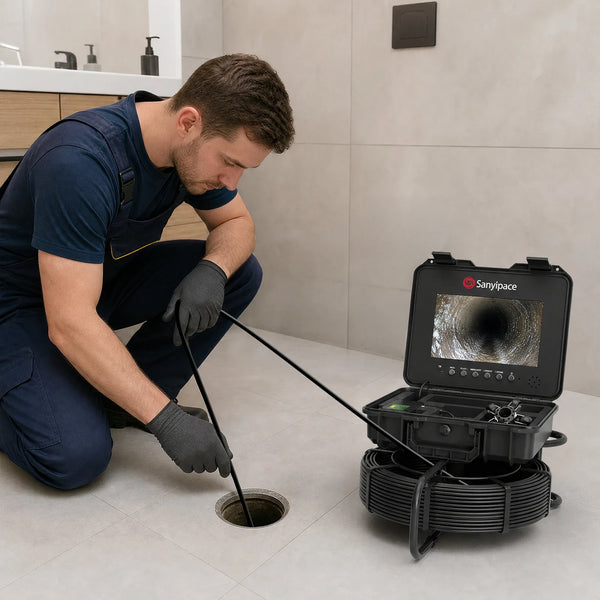
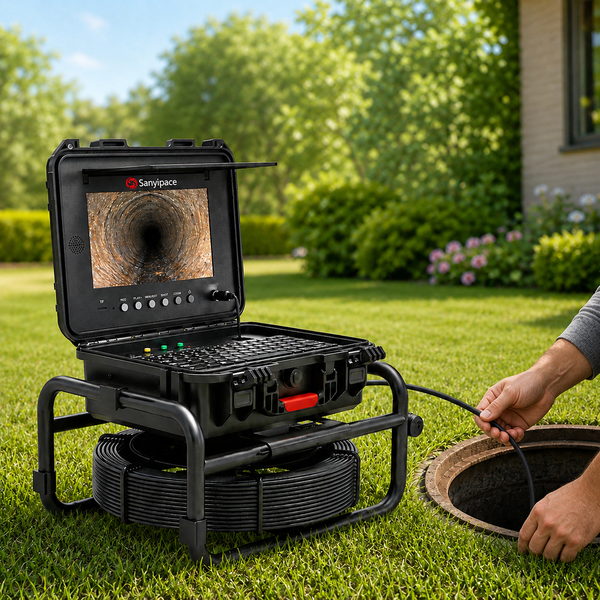
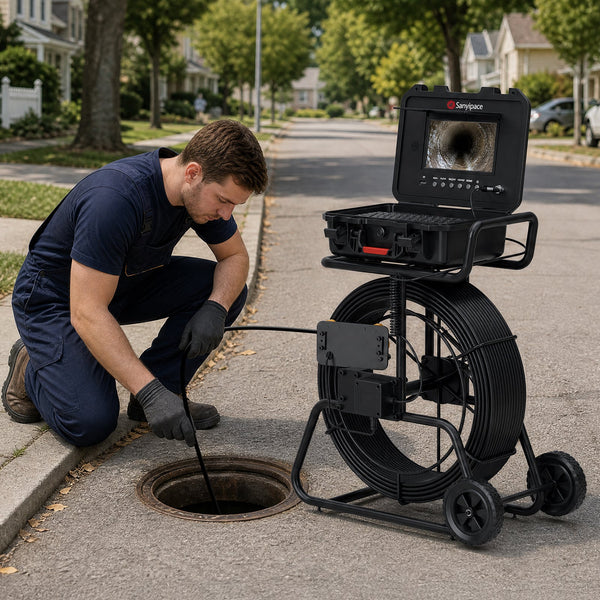
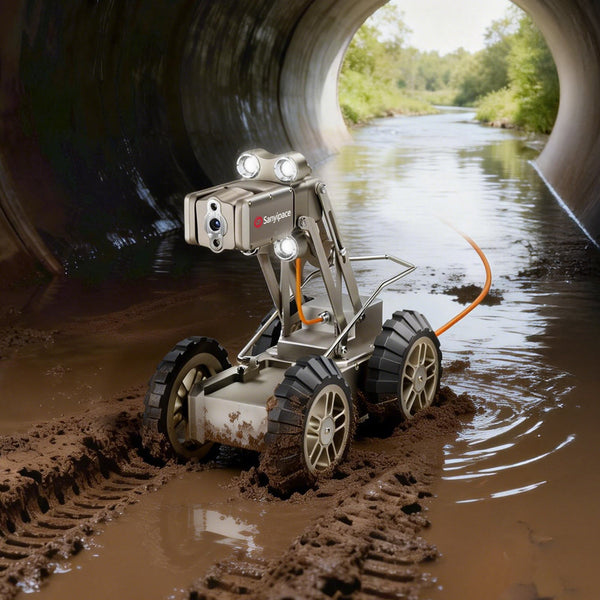
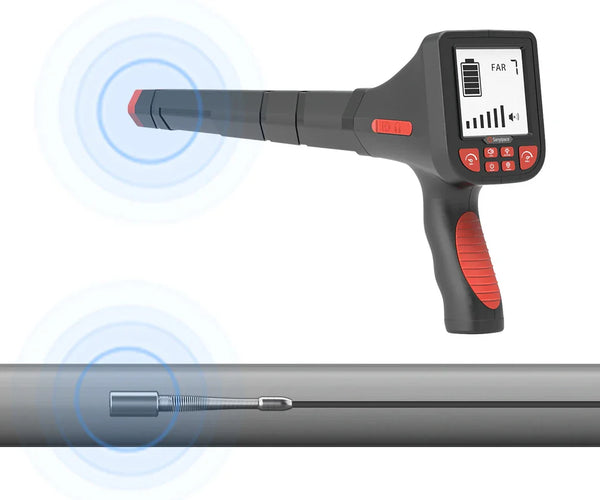
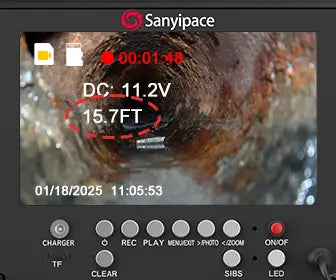
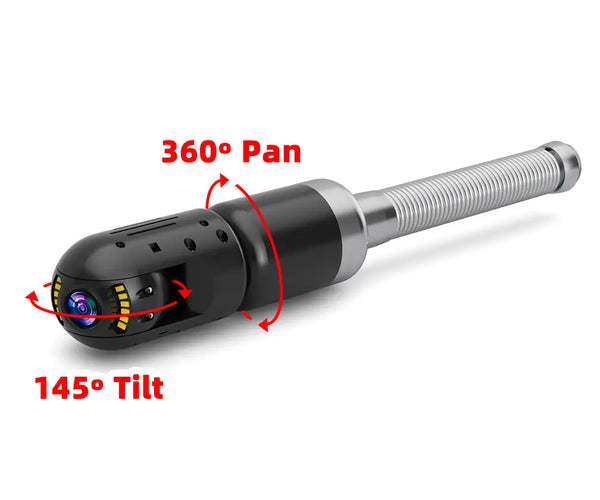
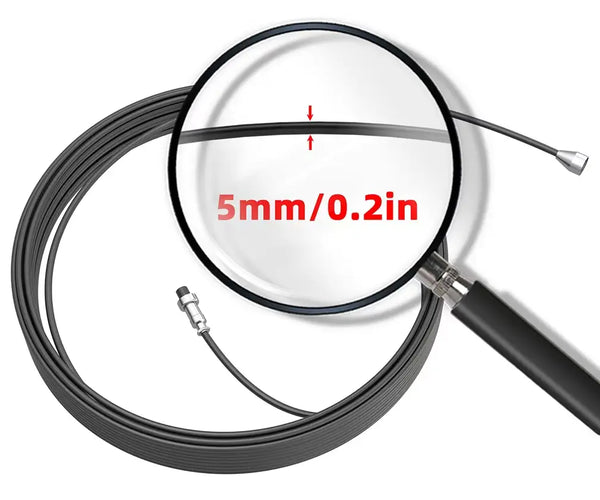
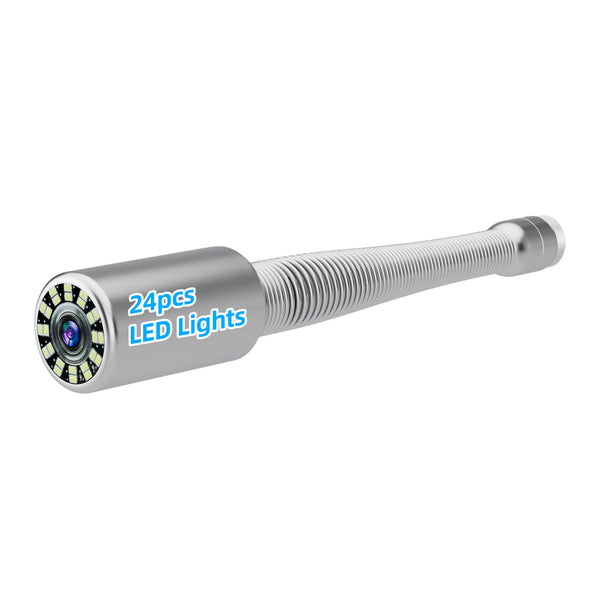
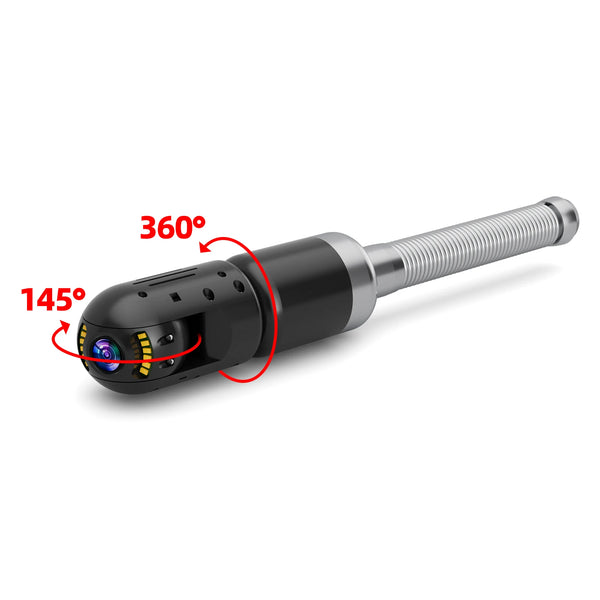
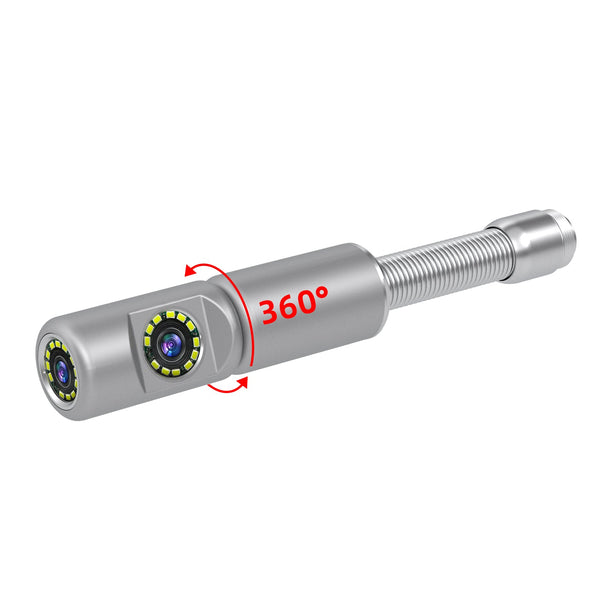
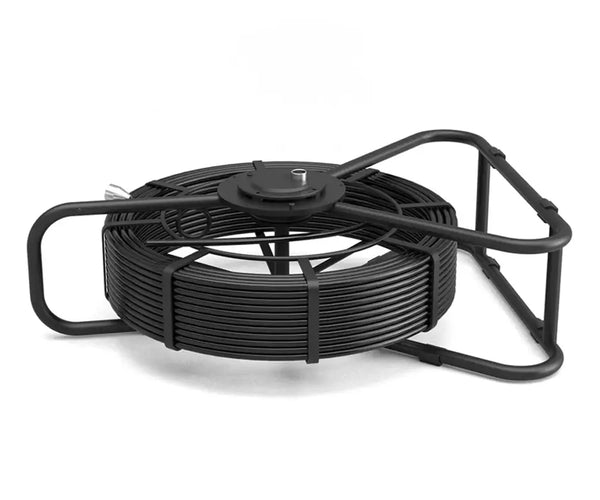
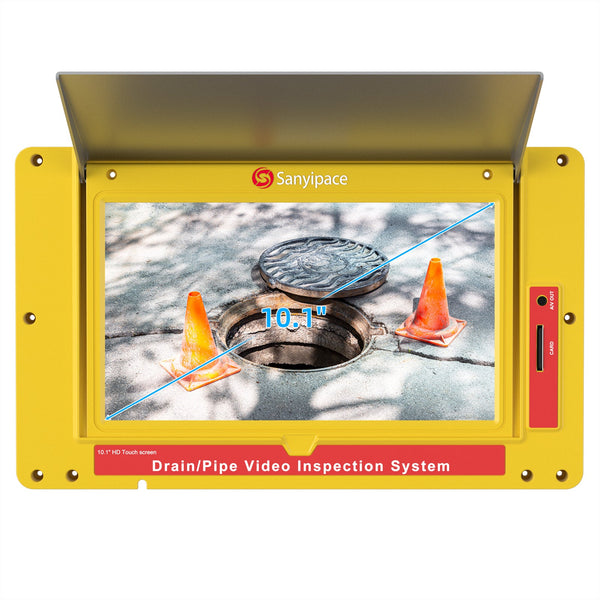
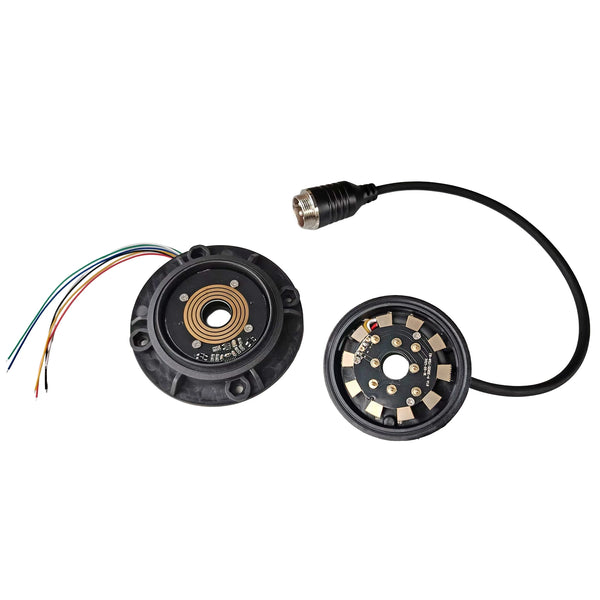
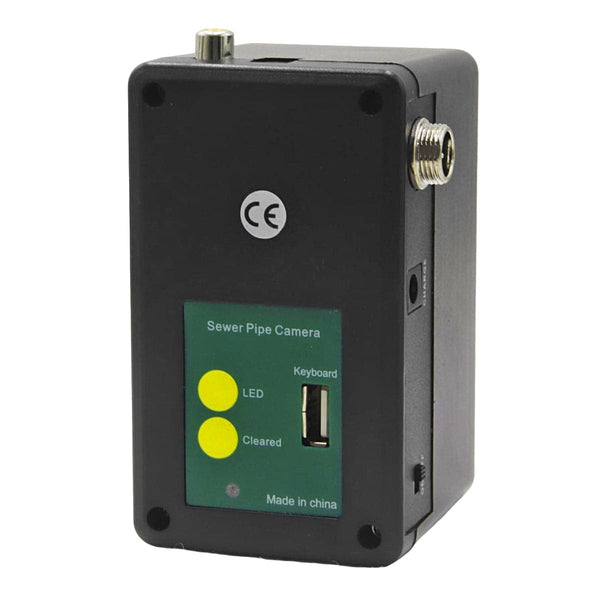
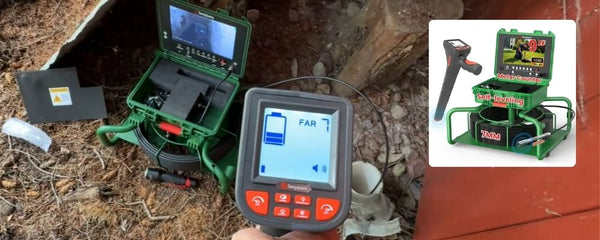
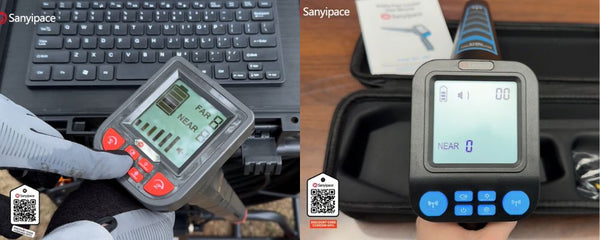
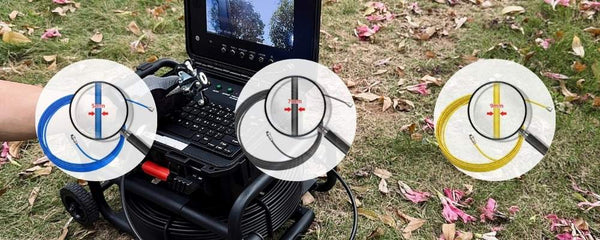
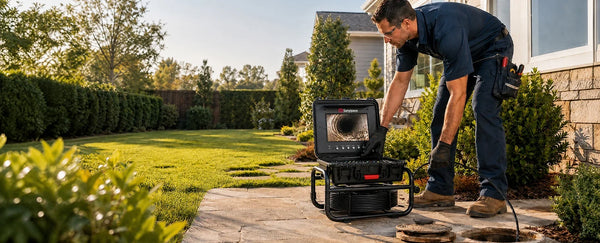
A gurgling toilet is often a sign that air or water is struggling to move through your plumbing system. While simple issues like minor clogs can sometimes be fixed with a plunger or drain cleaner, deeper blockages inside the drain line are harder to identify without seeing inside the pipe.
A sewer camera inspection allows you to locate the exact cause of the problem, such as:
- Partial pipe blockages
- Tree root intrusion
- Cracked or damaged pipes
- Buildup inside the sewer line
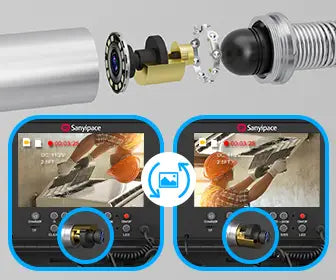
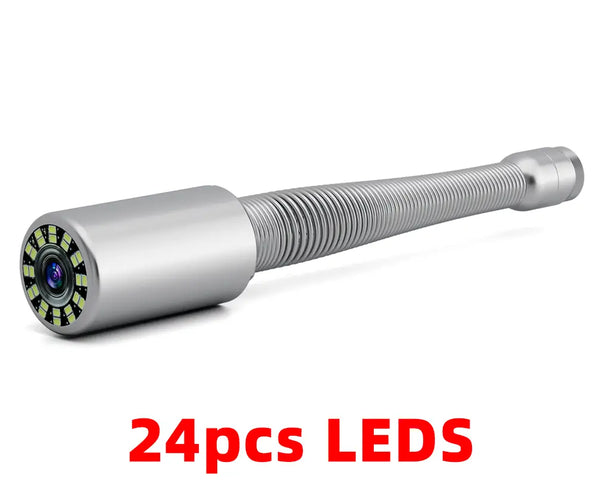
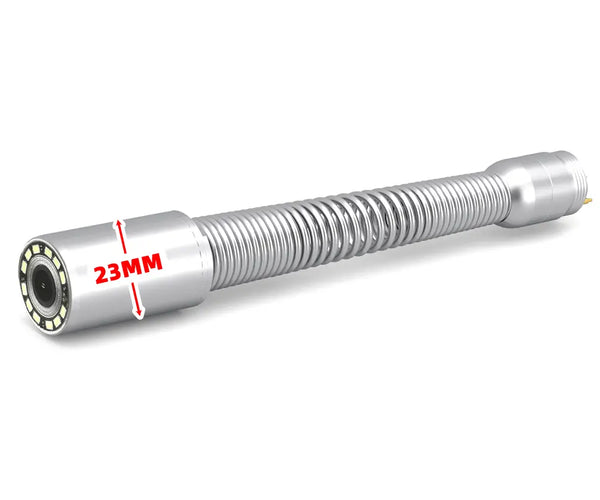
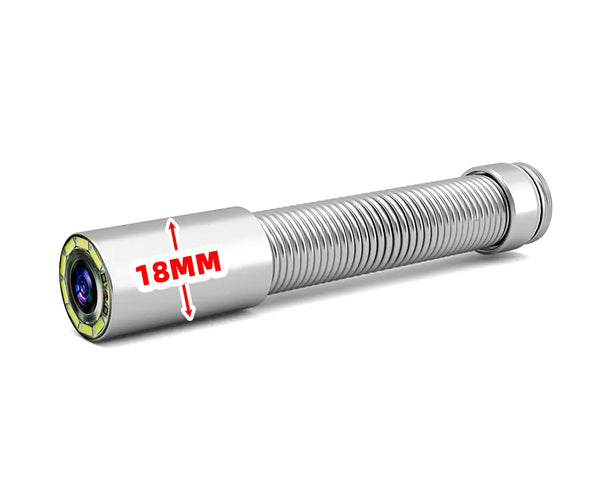
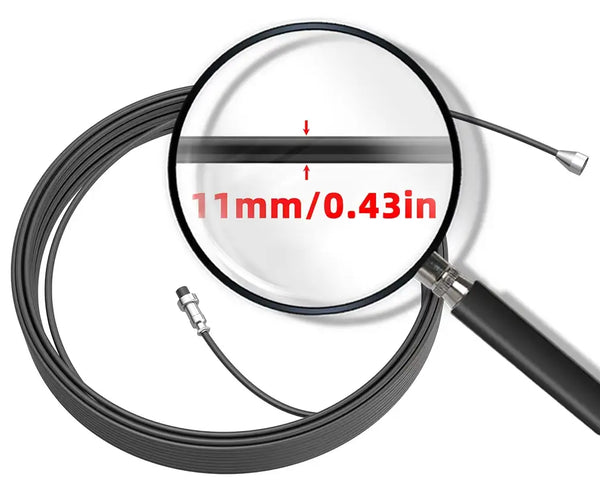
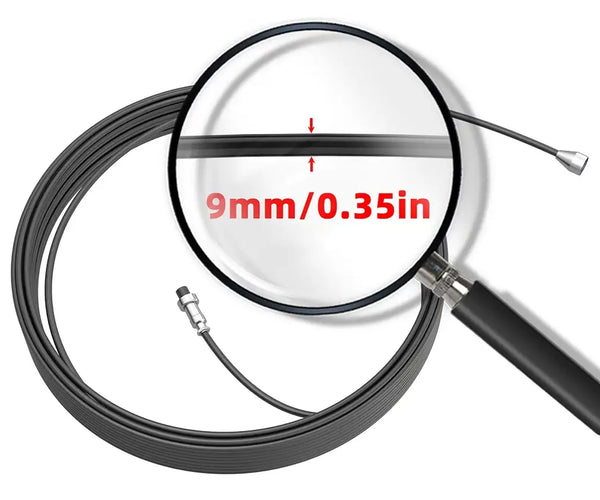
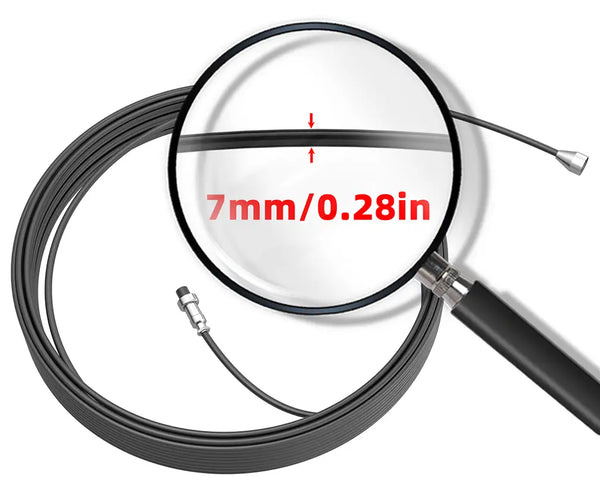
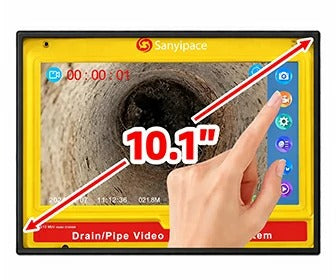
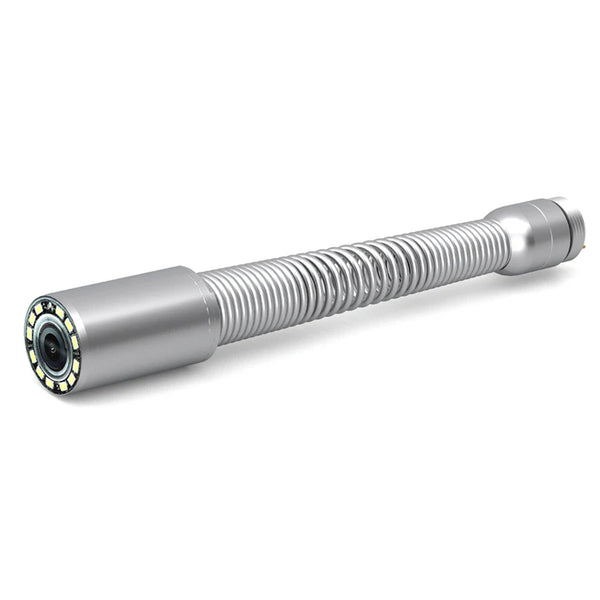
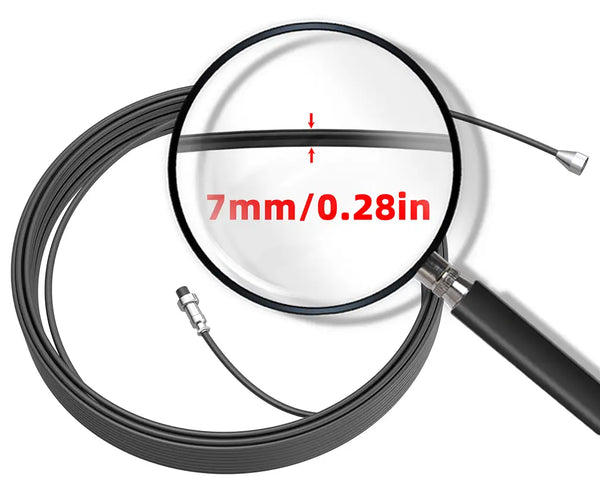
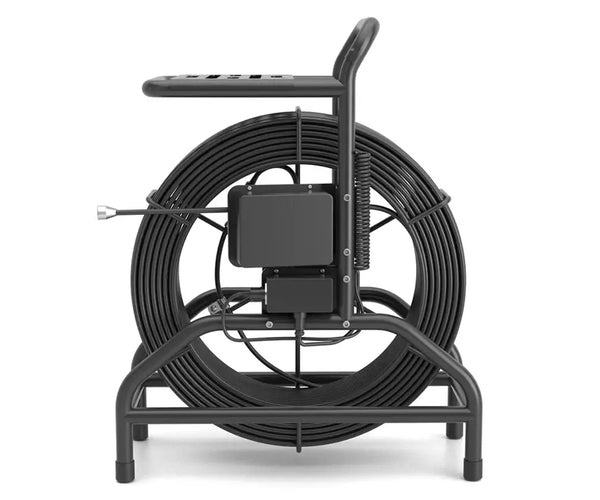
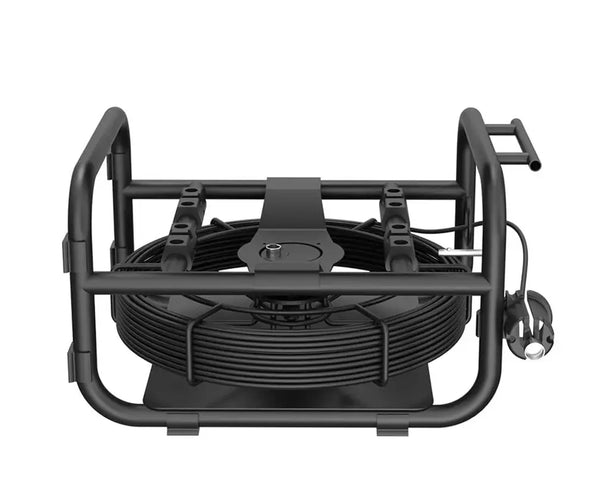
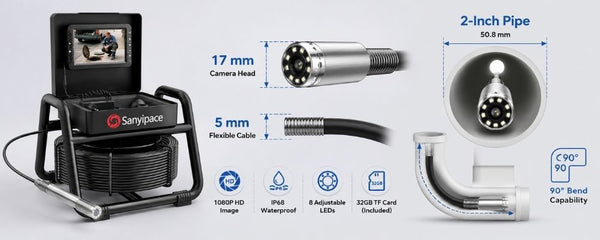
Instead of guessing where the issue is located, a drain inspection camera provides a clear view of what is happening inside your pipes.
For homeowners and plumbers who want a more accurate diagnosis, a sewer camera can help identify hidden pipe problems before costly repairs are needed.
→ Internal link: Sewer Camera Collection
How to Fix Gurgling Pipes? Step-by-Step
Step 1 — Confirm the pattern (before you start “fixing”)
You’ll save time (and avoid making a mess) by running two quick tests:
-
Flush test: Flush once and watch: Does the bowl bubble, does the water rise, does it drain slowly, or does it stall?
-
Cross-fixture test: Run the bathroom sink for 15–20 seconds (or drain the tub) and listen:
- Does the toilet gurgle when another fixture drains?
- If yes, you’re more likely dealing with venting or a branch/mainline restriction, not just a “toilet-only” clog.
Rule of thumb: One fixture = usually local. Multiple fixtures = think branch line, venting, or main line.

Step 2 — Start with low-risk fixes (local toilet issues)
If it’s only one toilet and there are no other slow drains, start here.
A) Plunge the right way (it matters)
-
Use a flange plunger (toilet plunger), not a flat sink plunger.
-
Make sure the rubber seals the opening; add a little water if the bowl is low.
-
Use short, forceful strokes for 20–30 seconds, pause, then repeat.
-
Flush once to test.
B) If plunging doesn’t hold, use a closet auger
A closet auger is often the most efficient next step for toilet-side restrictions.
-
Feed gently, rotate steadily, don’t force it.
-
Pull back slowly to avoid splashing.
-
Flush to confirm.
Stop and reassess immediately if:
-
The water level keeps rising with each attempt
-
You smell sewage or see water backing up elsewhere
-
The toilet gurgles more when other fixtures run
Step 3 — Use the right tool for the right job (branch line vs. main line)
If the toilet gurgles and the tub/sink in that bathroom is slow, you’re likely beyond the bowl.
A) Think access first
-
Best case: Work from a cleanout (safer, faster, better results).
-
Avoid pushing cables through the toilet as your default—tight bends and porcelain are not your friend.
B) Match the method to the suspected clog type
-
Soft buildup/paper / organic sludge: cable machine can work; follow with hot water and retest.
-
Grease or heavy buildup: snaking may poke a hole, but not restore the full diameter.
-
Roots / heavy scale / recurring stoppages: plan for a more thorough approach.
C) Retest after each step
After clearing, rerun the cross-fixture test. If gurgling returns quickly, you’re likely dealing with an underlying cause (not just “a clog”).
Step 4 — If it keeps coming back, switch to diagnostic mode

When symptoms are recurring or involve multiple fixtures, don’t guess. A fast way to stop wasting trips is to confirm what you’re actually dealing with before choosing your next method.
A short, natural pro note (no hard sell): For recurring gurgling or multi-fixture symptoms, a quick sewer camera check from a cleanout can confirm whether you’re dealing with soft obstruction, roots, heavy scale, or a structural defect—before you pick between snaking, jetting, root cutting, or repair.
From there, your next step becomes obvious:
- Obstruction confirmed → clear it with the right head/method, then verify flow
- Structural defect confirmed → move to repair options instead of repeated cleaning
- No obstruction + pressure symptoms → shift attention to venting/air balance
Before Calling a Plumber, Inspect the Pipe Yourself
If the toilet continues to gurgle after basic troubleshooting, the problem may be deeper in your plumbing system.
A sewer inspection camera can help reveal whether the issue is caused by:
- A blockage further down the drain line
- Pipe damage
- Root intrusion
- Sewer line buildup
For recurring toilet gurgling problems, identifying the exact location of the issue can save time and prevent unnecessary repairs.
When to Call a Plumber (Red Flags)

Some gurgling is “annoying.” Some gurgling is a warning sign. Call a plumber (or escalate to a mainline workflow) if you see any of these:
- Sewage backup anywhere (tub, shower, floor drain, cleanout)
- Multiple fixtures gurgling or draining slowly at the same time
- Strong sewage odor indoors
- Water comes up in the tub/shower when you flush
- The issue returns within days after clearing
- Problems show up first on the lowest level of the home
- You can’t access a cleanout, or the layout makes DIY attempts risky
Pros often confirm cause + location first (sometimes with a pipe camera) so the fix matches the problem—clearing, jetting, root removal, or repair—rather than repeating the same attempt.
Prevention Tips (Keep It From Coming Back)
Once the gurgling is gone, a few habits reduce repeat calls.
1) Don’t flush these (even if the label says “flushable”)
-
Wipes (including “flushable” wipes)
-
Paper towels, tissues in bulk, cleaning pads
-
Feminine products
-
Dental floss, cotton swabs
-
Cat litter, grease, food scraps
2) Control grease and sludge buildup
-
Don’t pour grease down the sink—collect and trash it.
-
In kitchens, regular hot-water flushes help, but they don’t replace proper grease handling.
3) Watch for early signals
-
“New” slow drains, intermittent gurgling, or faint sewer odor are early warnings.
-
Addressing it early is almost always cheaper than waiting for a backup.
4) For older homes or root-heavy areas
If a property has a history of roots or recurring mainline issues, preventive maintenance and periodic verification can prevent surprise backups—especially before heavy-rain seasons.
FAQ

1) Why does my toilet gurgle when I run the sink?
That usually means the toilet and sink share the same drain path (or vent path). When the sink drains, it can create a pressure change in the line. If airflow is restricted—by a partial clog or venting issue—air may push back through the toilet bowl and you’ll hear gurgling.
2) Why is only one toilet gurgling?
If everything else in the home drains normally, the most common cause is a partial toilet clog or a restriction in the toilet trapway/outlet. Start with a proper plunge, then move to a closet auger if plunging doesn’t hold.
3) Why does one toilet gurgle when another toilet is flushed?
This is a classic sign that the fixtures are “talking” through a shared drain/vent system. It often points to a branch line restriction or a venting imbalance. If you also notice slow drainage in other fixtures, take the mainline possibility seriously.
4) Can a gurgling toilet mean a clogged vent pipe?
Yes. A blocked vent can prevent air from entering the system, which creates negative pressure when water drains. That pressure can pull air through the toilet’s water seal, causing bubbling and gurgling—especially when other fixtures run.
5) Will a gurgling toilet fix itself?
Sometimes a minor restriction shifts and symptoms seem to disappear—but that’s not the same as being resolved. If gurgling returns, worsens, or appears with other slow-draining issues, treat it as an underlying problem that requires proper clearing or diagnosis.
6) Is it safe to keep flushing a gurgling toilet?
If it’s a single-toilet issue with no other symptoms, you can usually test with a cautious flush after plunging. However, if you notice multiple slow drains, a sewage odor, or any backup, stop using water immediately. Repeated flushing can trigger an overflow or push a mainline restriction into a full backup.
7) How do I know if it’s the main sewer line?
Mainline issues usually show at least one of these patterns:
- Multiple fixtures across the home are slow or gurgling
- Symptoms appear first on the lowest level (basement/first floor)
- Water backs up in tubs/showers/floor drains
- Sewer odor is present.
If you see that pattern, switch from “toilet fix” to “mainline workflow” immediately.
8) What’s the best first tool: plunger or auger?
Start with a toilet plunger if the issue seems local and mild. If plunging doesn’t hold—or you suspect a trapped object—move to a closet auger. When multiple fixtures are involved, stop treating it as a bowl/trap problem and use branch/mainline methods instead.
9)Can a sewer camera find the cause of a gurgling toilet?
Yes. A sewer camera can help identify whether the problem is caused by:
- blockage
- pipe damage
- roots
- buildup
This is especially useful when plunging or cleaning does not solve the issue.
Closing Thoughts
A gurgling toilet is almost always a sign of airflow and drainage not working together—most commonly from a partial clog, a branch-line restriction, or a venting issue. The key is recognizing the pattern early: if it’s one toilet only, you can often solve it with the right plunging technique or a closet auger.
But if gurgling shows up with multiple slow drains, sewage odor, or low-level backups, treat it as a possible main sewer line issue and avoid “trial-and-error” flushing. A structured approach—confirm the pattern, apply the correct clearing method, and escalate to diagnostic mode when symptoms recur—will solve the problem faster and prevent surprise backups.
Related reading: Can a Sewer Camera Go Down the Toilet?


Leave a comment