



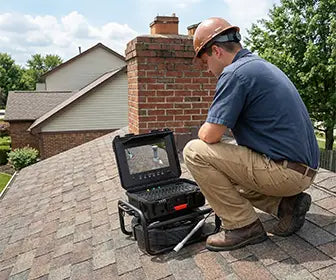
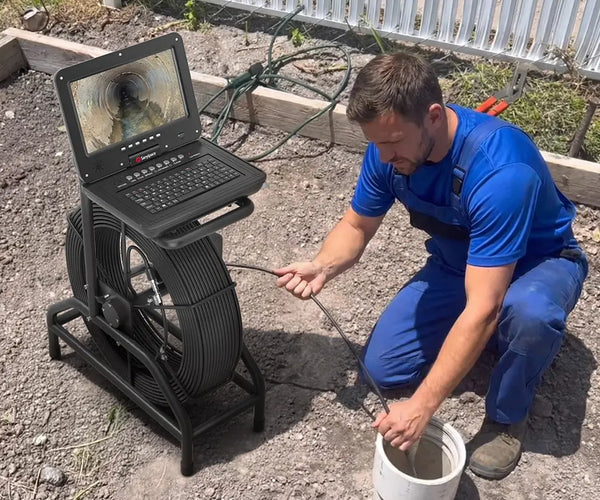
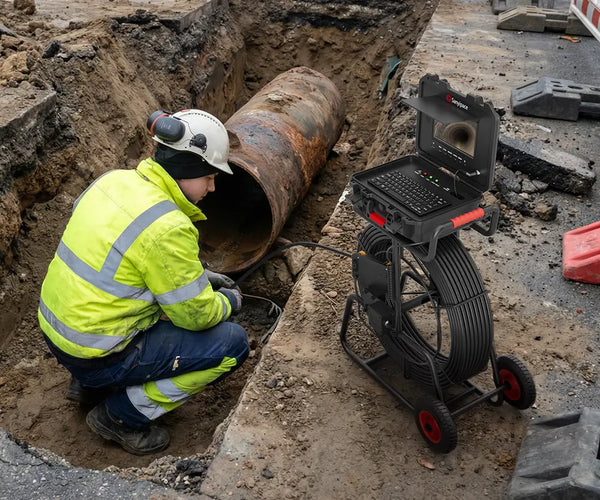
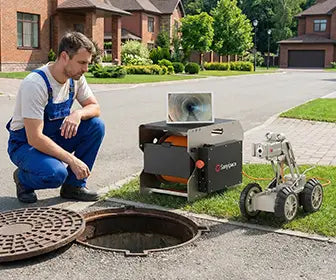

What Is the Best Sewer Line Camera?
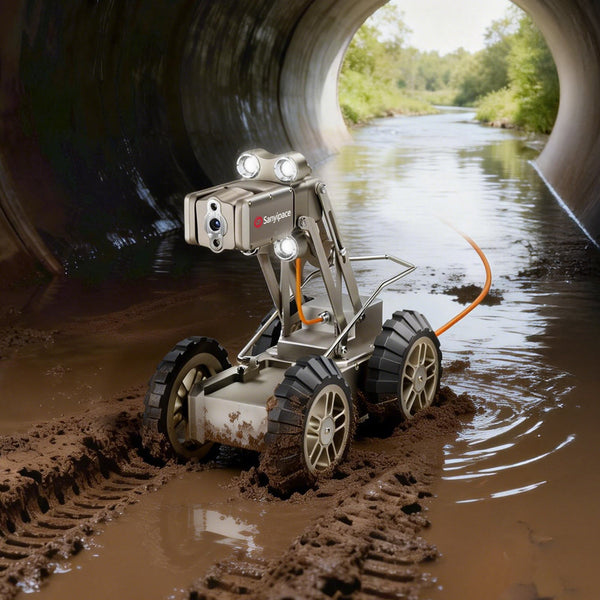
The best sewer camera depends on your specific needs.
-
Professional-grade top brands include RIDGID, HATHORN, and Milwaukee, renowned for durability and advanced features.
-
while brands like SANYIPACE, VEVOR, and SKYSHALO offer reliable, budget-friendly options for DIY enthusiasts or startups, typically featuring auto-leveling lenses, LED lighting, and extended push rods for pipe navigation.
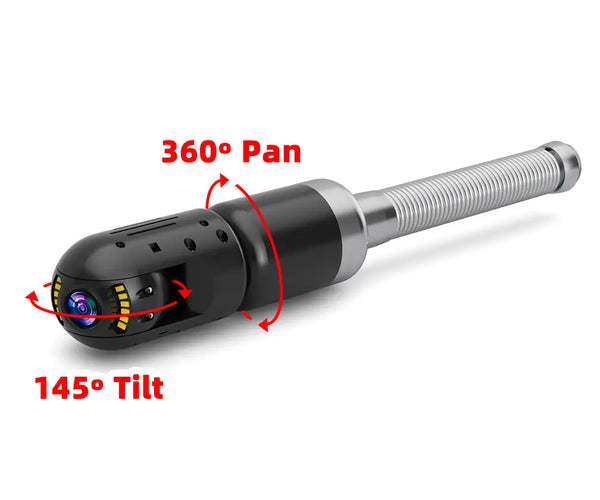
For challenging jobs, systems with tilt-and-swivel heads are recommended; for everyday use, a quality push rod camera with a clear display and durable rod is essential.
Top Brands & Models

-
RIDGID & Milwaukee: Industry professional standards, renowned for rugged durability, advanced imaging technology, and high-quality push rod cables.
-
HATHORN: Famous for robust modular systems, with the DuraSCOPE series being a popular high-quality choice.
-
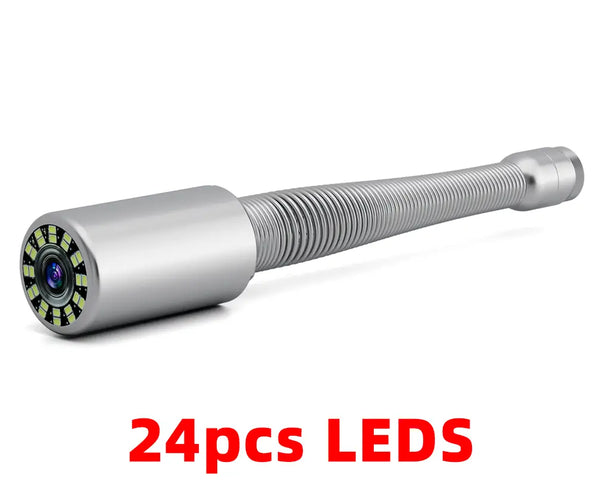
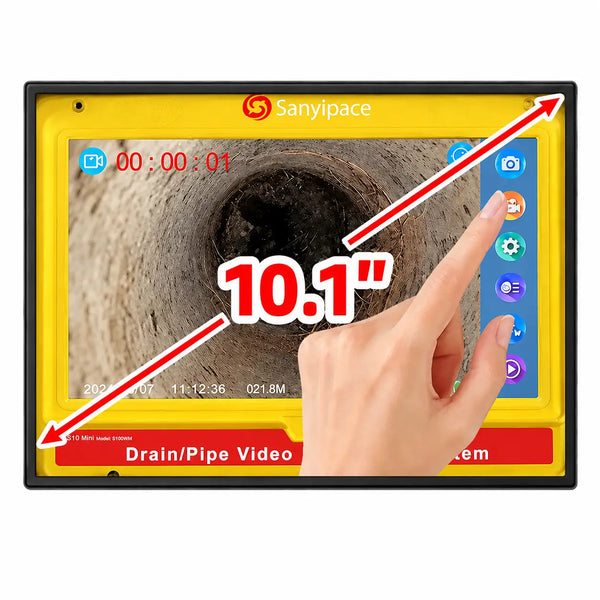
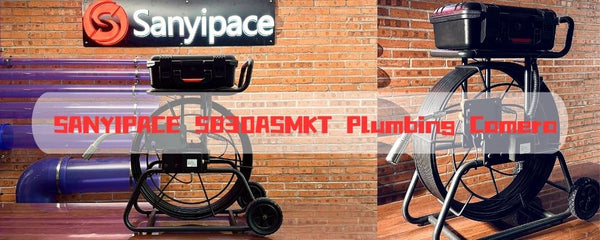
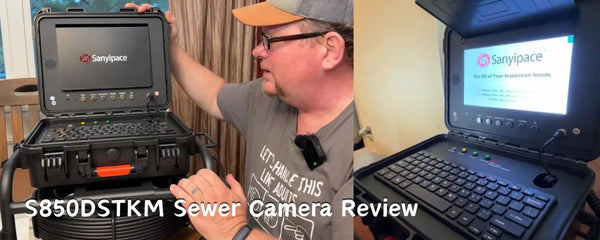
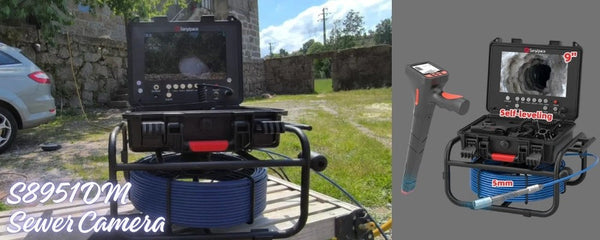
SANYIPACE: Users who purchased the Sanyipace sewer camera report it offers excellent value for money (e.g., 24 LEDs, large screen, dual-camera configuration), balancing cost and functionality.
-
MINIFLEX: Users on Fiberscope.net and Reddit note its flexible design excels at navigating multiple bends and pipe traps.
-
VEVOR & SKYSHALO: These two models serve as excellent entry-level options for budget-conscious buyers or beginners.
Regarding brand selection, if you would like to learn more about brand and product information, please see this blog post: Best Sewer Camera Brands.
Key Features to Look For?

Don’t get distracted by flashy specs. Focus on these core components to ensure your investment pays off:
-
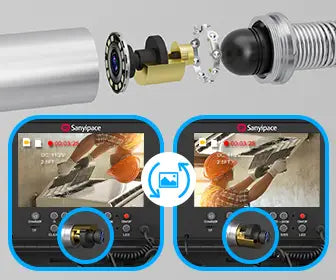
Self-Leveling Camera Head: Essential for keeping the image upright so you don't get disoriented inside the pipe.
-
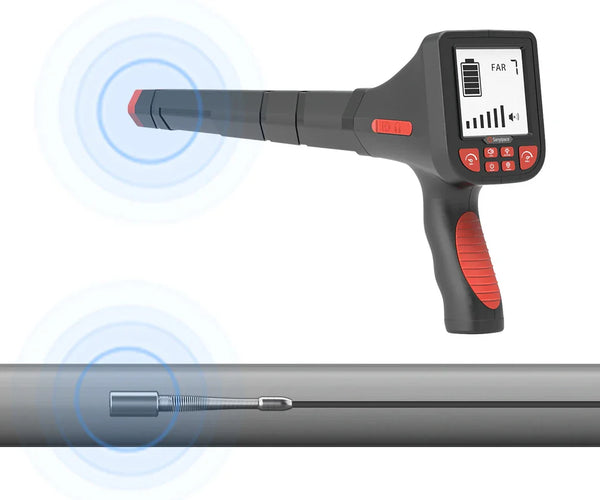
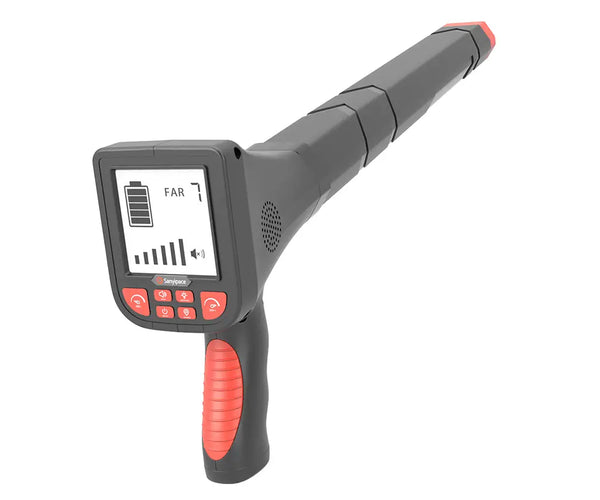
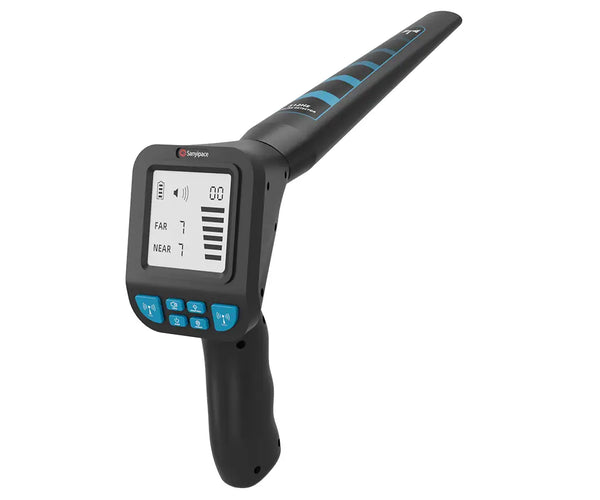
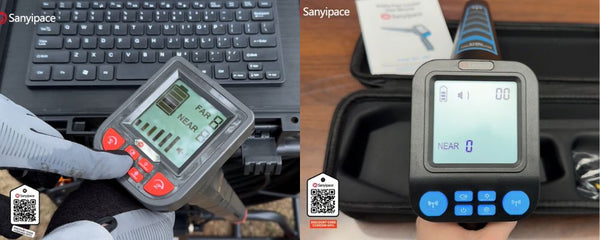
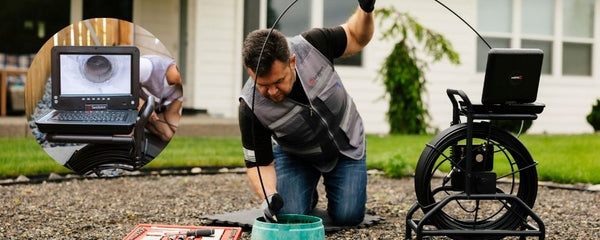
Sonde (Locator Transmitter): A "must-have" for pros. This allows you to use a locator wand above ground to pinpoint exactly where the pipe is broken.
-
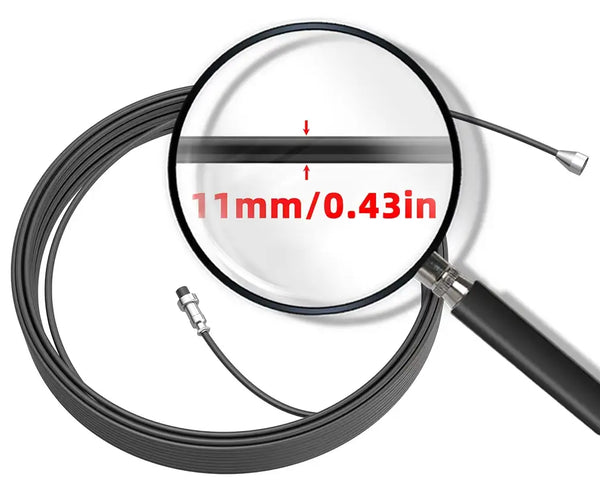
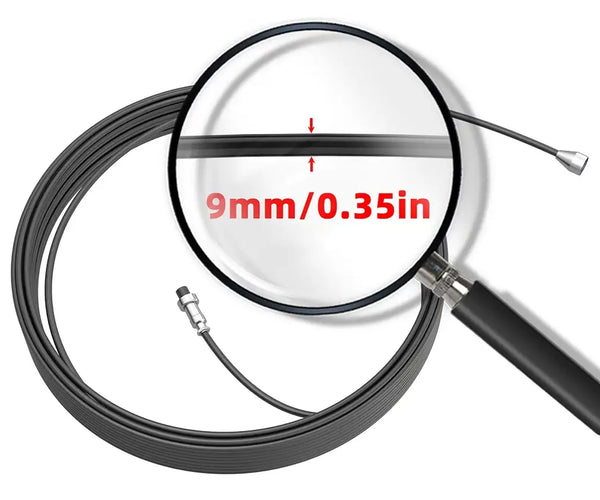
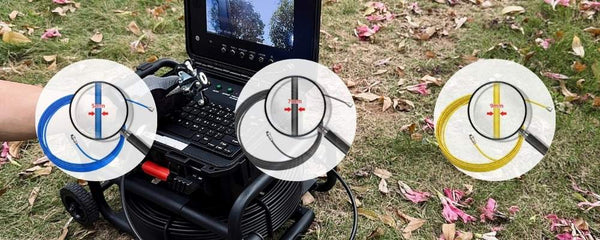
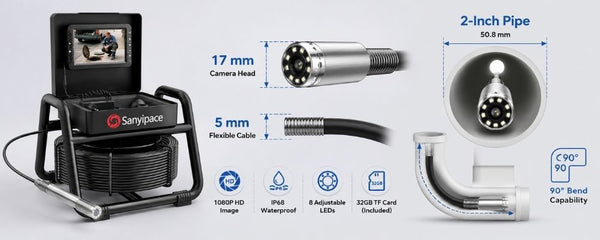
Reinforced Push Rod: Look for a 9mm (or similar) semi-rigid fiberglass cable that balances "pushability" with the flexibility to clear corners.
-
High-Output Lighting: 12 to 24 adjustable LEDs are necessary to pierce the darkness of cast iron or clay pipes.
-
IP68 Waterproofing: Non-negotiable. Your gear needs to survive full submersion in pressurized environments.
-
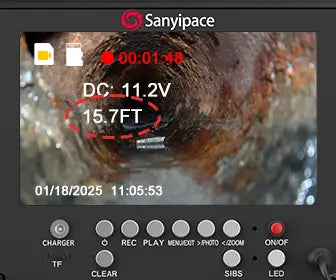
All-in-One Device: Integrates distance logging, self-leveling, locator transmitter, waterproofing, and a high-definition screen into a single unit for convenient portability and operation.
How to Choose the Right Sewer Camera?

Before making a purchase, it is important to clearly define your specific needs—whether the camera will be used for home DIY inspections or professional plumbing applications. Different use cases require different levels of performance, durability, and budget.
🔧 For Professional Plumbers & Commercial Use
If you are a professional plumber or need a sewer camera for frequent, heavy-duty use, prioritize reliability, durability, and advanced features.
-
Premium brands (higher budget): Well-known industry leaders such as RIDGID, Milwaukee, and HATHORN are excellent choices, offering top-tier performance and long-term reliability for demanding job sites.
-
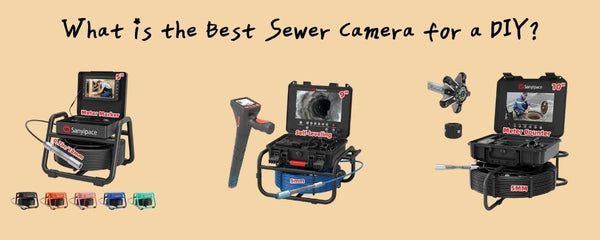
Cost-effective professional options: If you need a fully featured system but want better value for money, consider the following models available on the Sanyipace website: S830ASMKT, S870DSTKM, S820TSMKTR, S810ASMKT Sewer Camera.
These models provide a strong balance between professional-grade functionality and reasonable pricing.
🏠 For DIY Users, Beginners & Budget-Conscious Buyers
For homeowners, DIY enthusiasts, or first-time users who only need occasional inspections, affordability and ease of use are usually the top priorities.
-
Recommended entry-level options include: SANYIPACE S5517DC and S8951DSRTM68R Sewer Camera
-
Recommended Models: The SANYIPACE S5517DC and S8951DSRTM68R are solid entry-level choices.
-
Additionally, several models from the VEVOR brand are worth considering, as they prioritize value and competitive pricing while still meeting basic inspection needs.
Conclusion
Choosing the right sewer line camera is a balance between image precision and job site durability. If you are building a long-term plumbing empire, investing in RIDGID or Milwaukee is a wise move. However, if you are looking for professional-grade features—like 512Hz Sondes and dual-lens tech—without the "big brand" markup, Sanyipace offers a compelling alternative that gets the job done efficiently.
FAQ

1. Is a Self-Leveling Camera Really Necessary?
Yes, especially for professional inspections. A self-leveling head ensures the image on your screen stays upright as the camera rotates through the pipe. Without it, you’ll often find yourself looking at an upside-down image, making it difficult to determine if a crack is on the "floor" or "ceiling" of the pipe.
2. What Is a "Sonde" and Why do I Need One?
A Sonde is a small transmitter located inside the camera head. When paired with an above-ground locator (receiver), it allows you to pinpoint the exact location and depth of the camera.
3. Can These Cameras Go Around 90-Degree Bends?
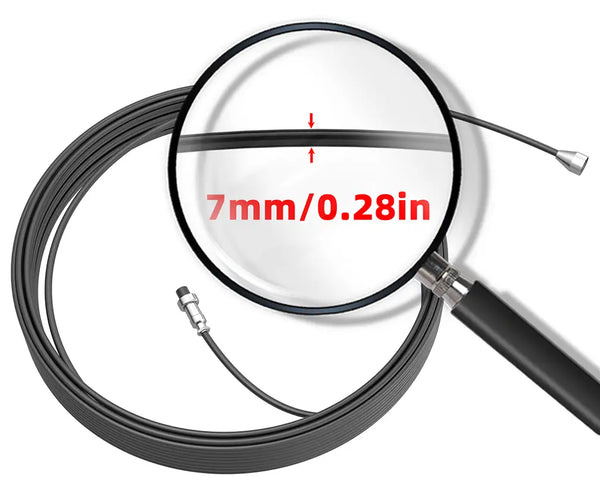
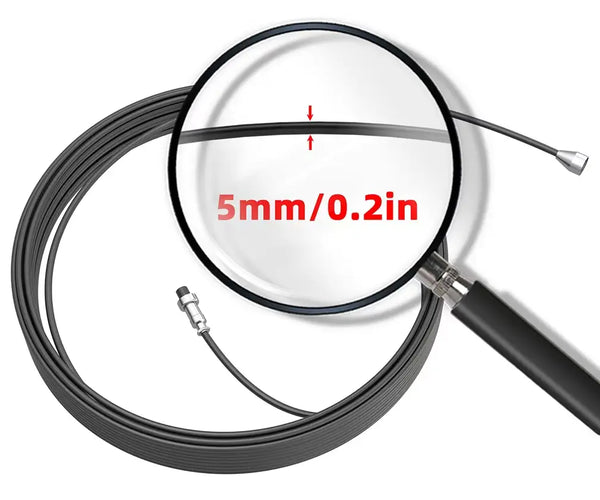
Most professional 7mm cables can handle 90-degree bends in 4-inch or larger pipes. For 2-inch pipes with tight P-traps, you may need a specialized flexible head like the Miniflex or a thinner, more flexible push rod.


Hinterlassen Sie einen Kommentar