







Gully Camera: What It Is and What It’s Used For?
If your home has slow drains, recurring clogs, sewer odors, or occasional backups, the problem may be deeper than a sink trap or a single branch line. Many serious issues happen inside the main sewer line—the pipe that carries wastewater away from your home.
A gully camera helps you see what’s happening inside that hidden pipe, so you can stop guessing and start making informed decisions.
What Is a Gully Camera?

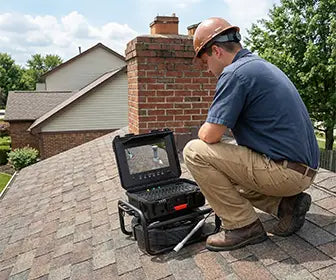
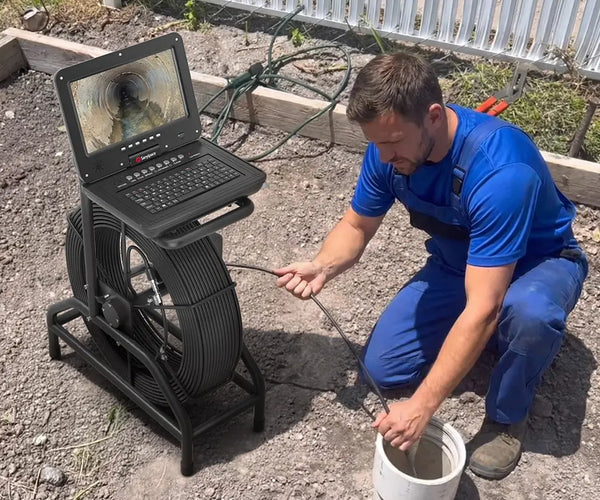
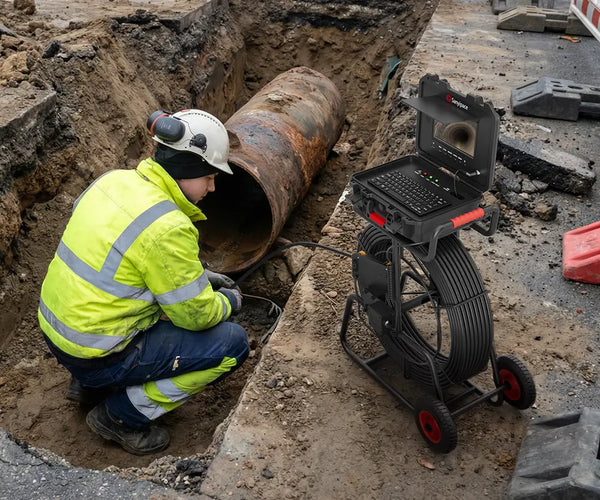
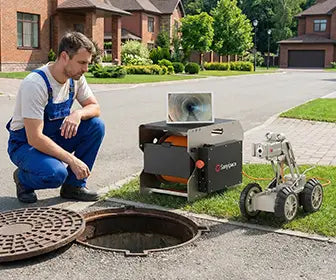
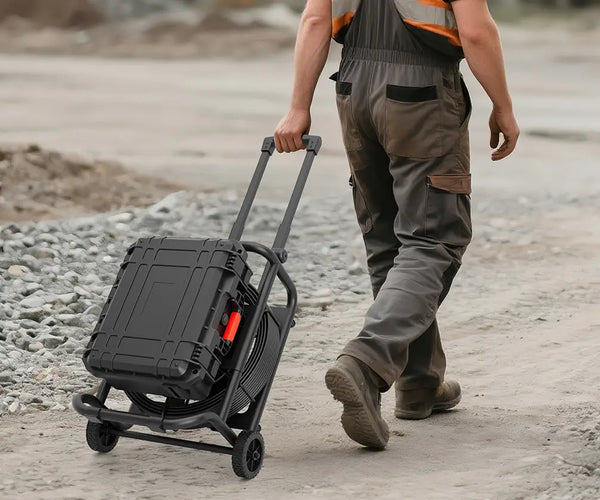
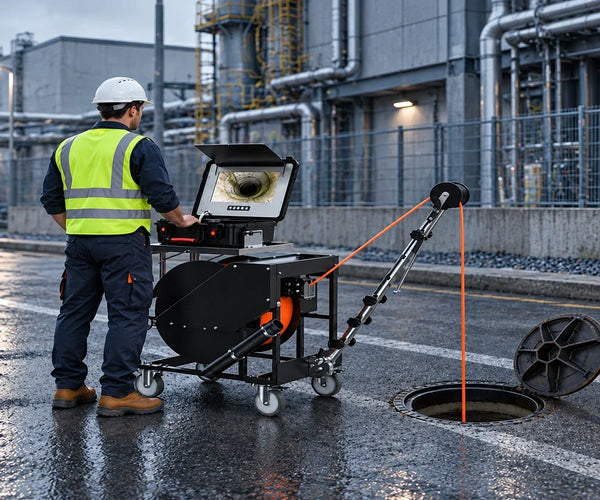
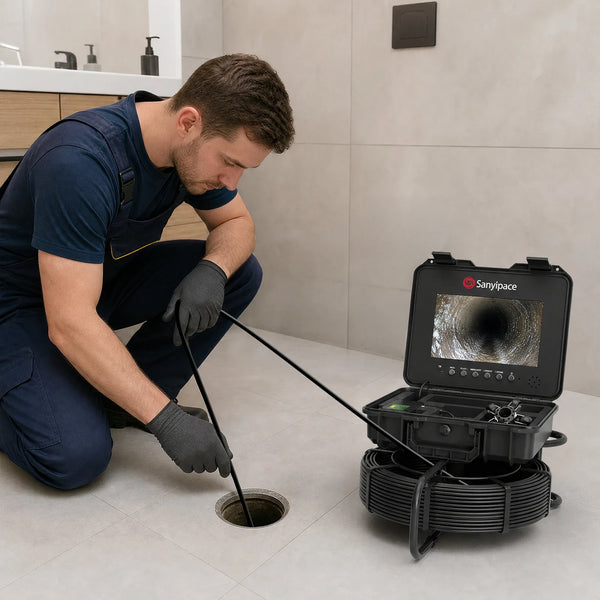
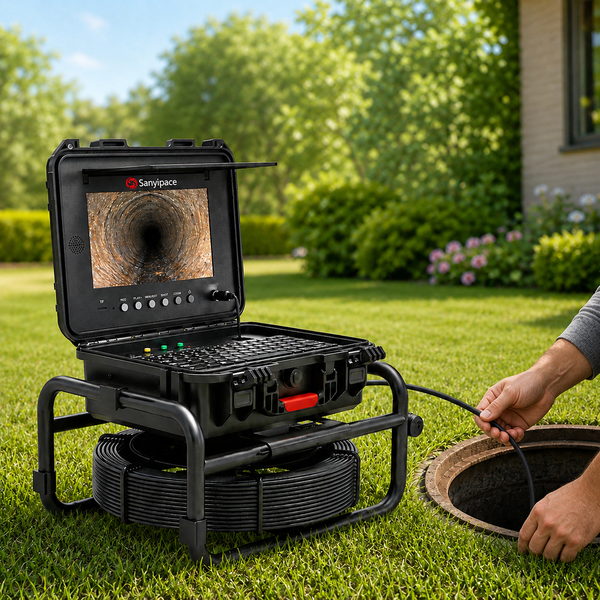
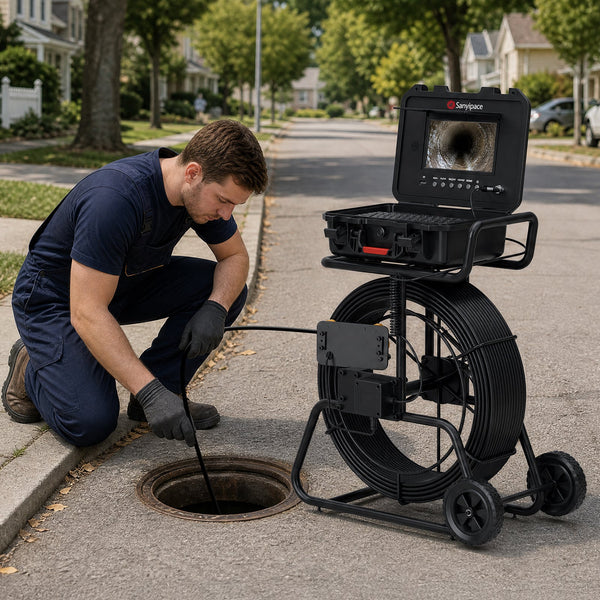
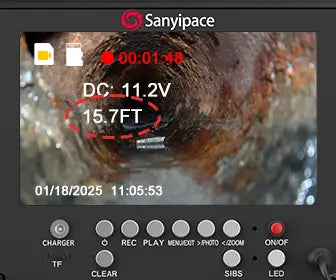
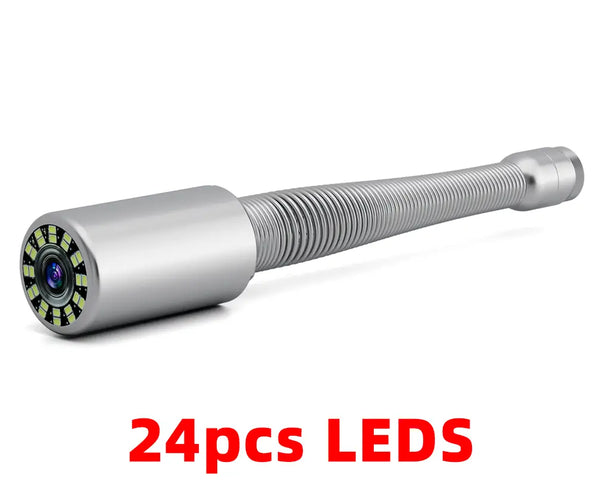
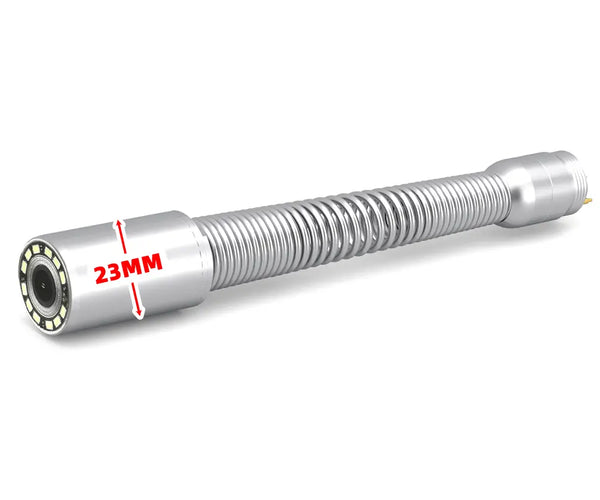
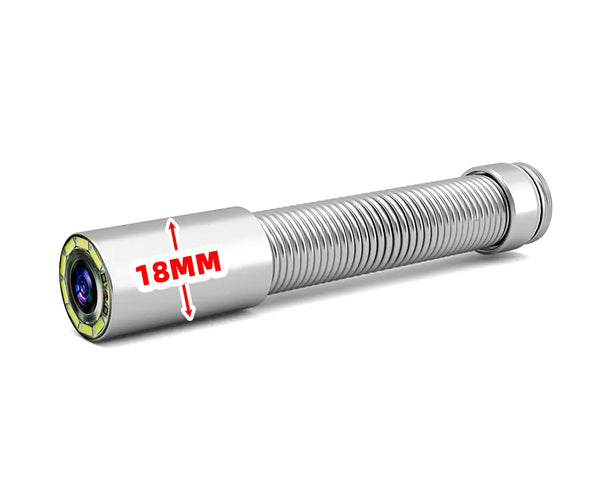
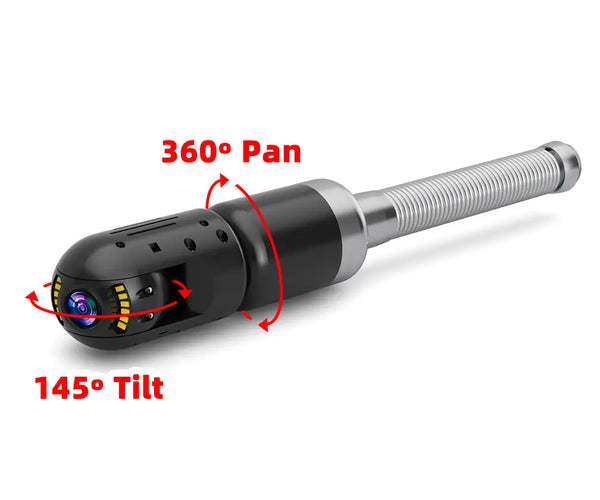
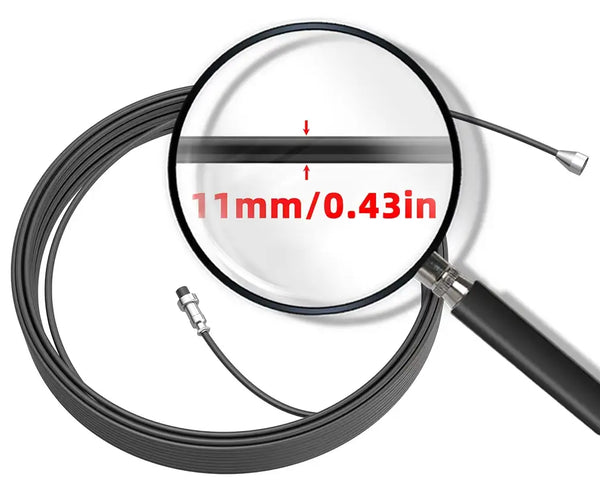
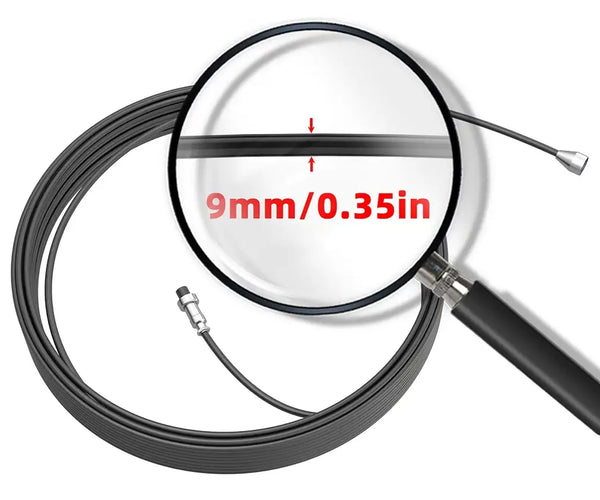
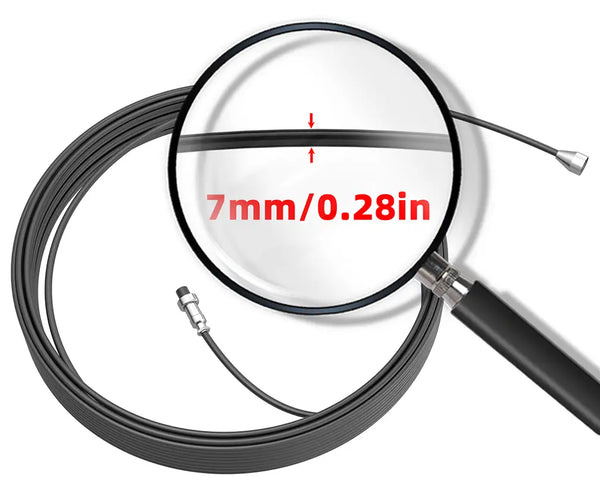
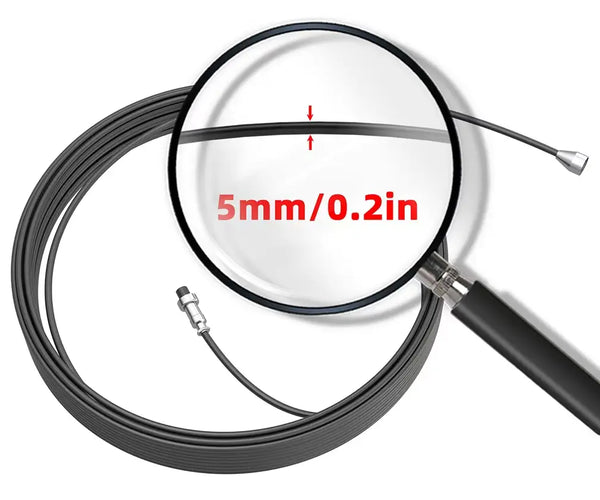
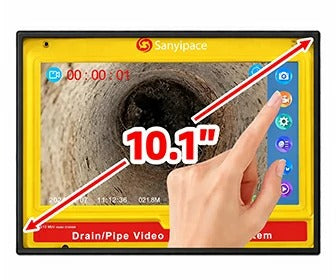
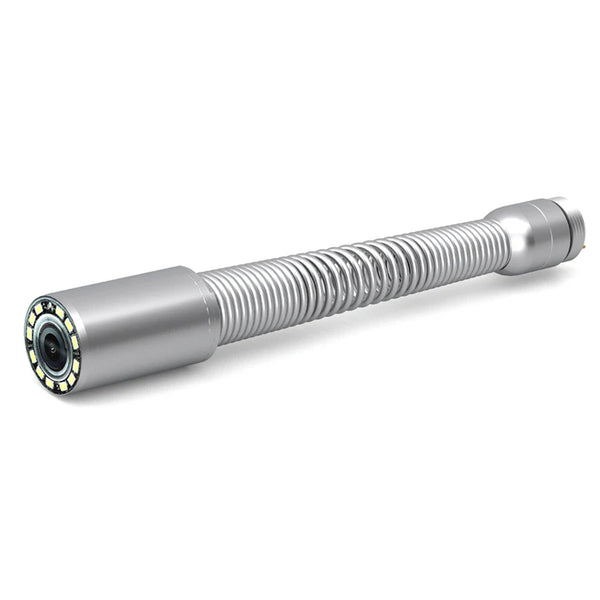
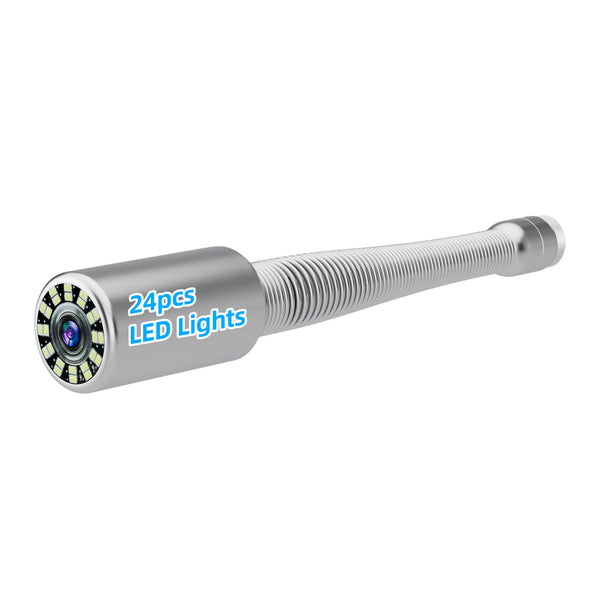
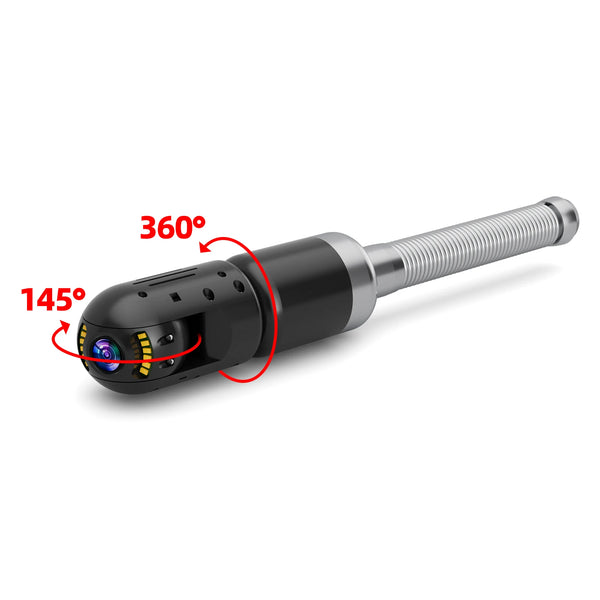
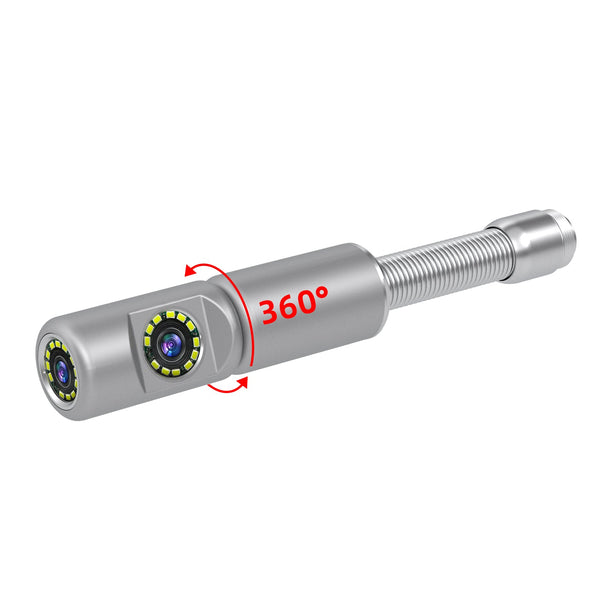
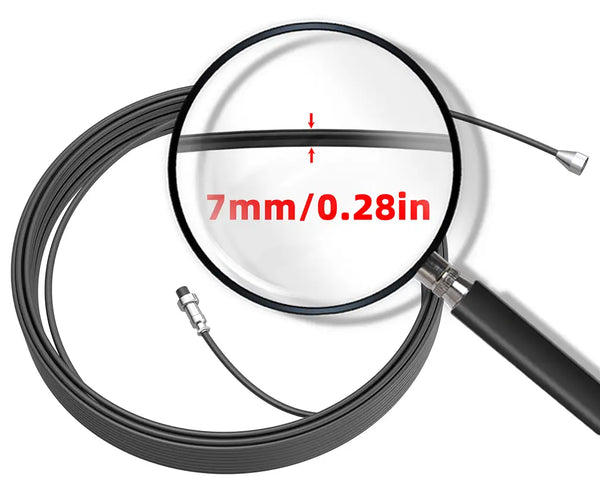
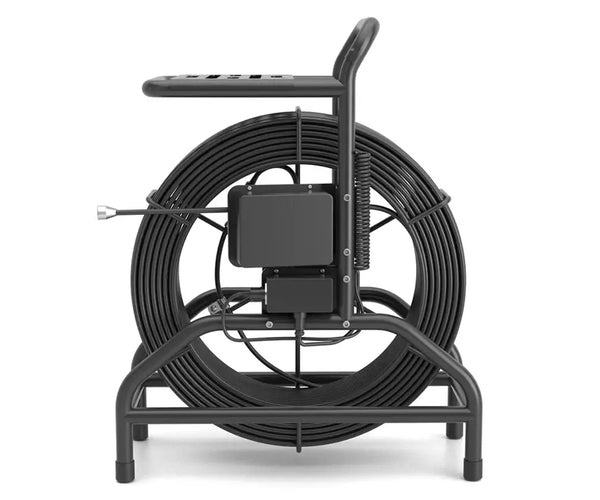
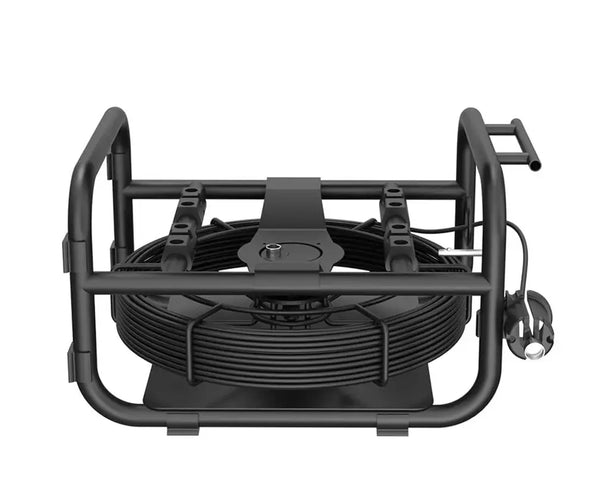
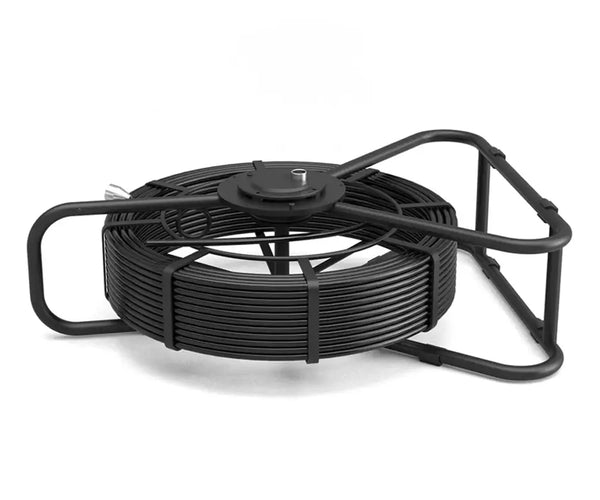
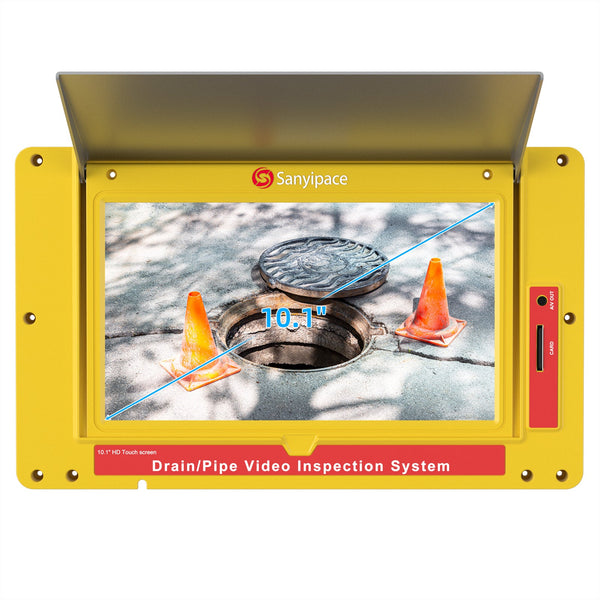
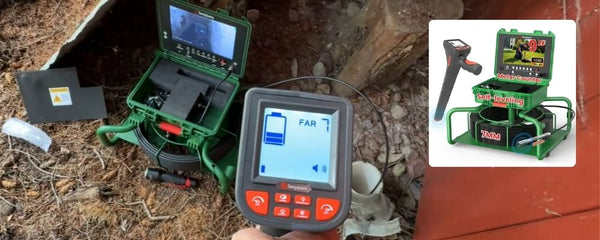
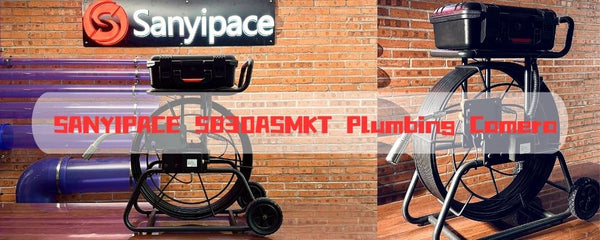
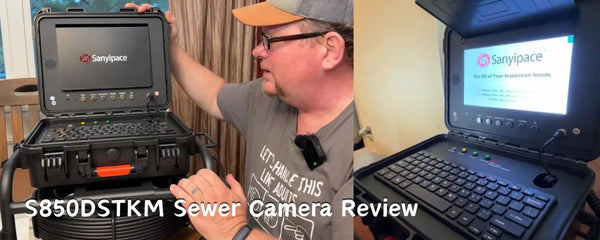
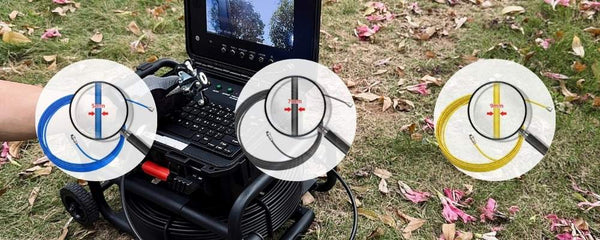
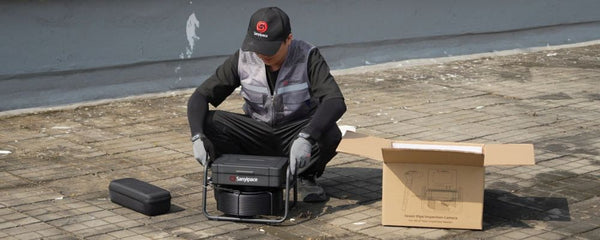
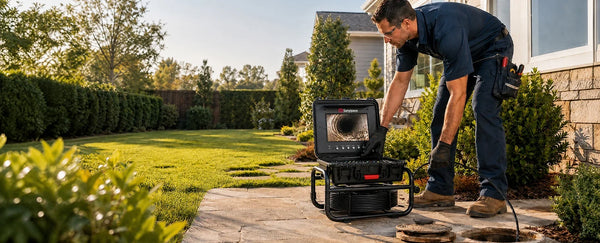
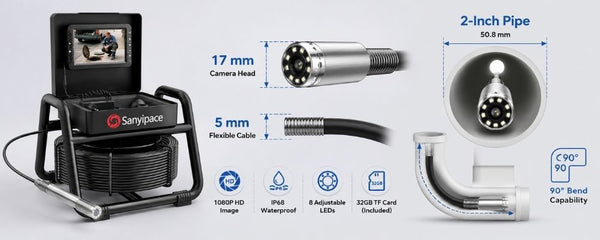
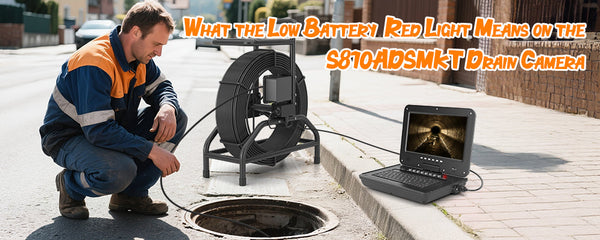
A gully camera is a waterproof video inspection camera attached to a long, flexible cable (usually on a reel). A plumber or inspector inserts a gully camera into a drain or sewer line while monitoring a live video feed on a screen.
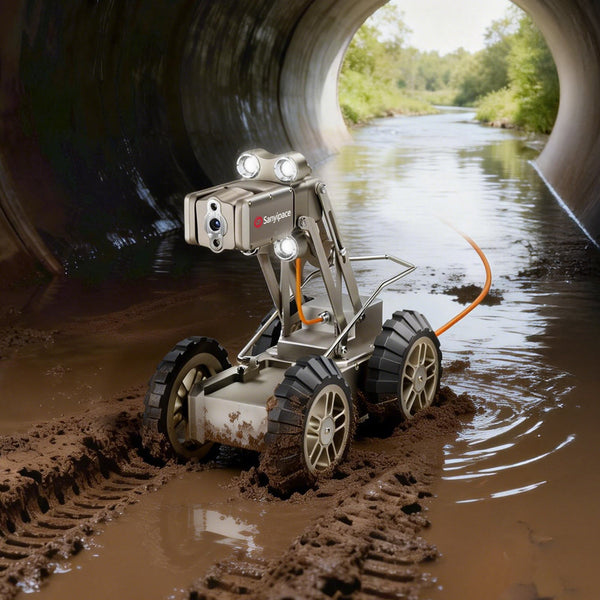
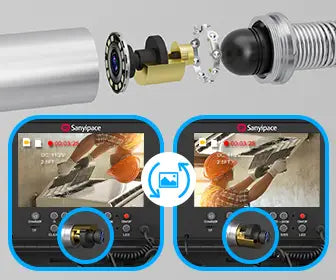
Built-in lights illuminate the inside of the pipe, allowing the camera to reveal common problems such as buildup, cracks, roots, or foreign objects. In the U.S., a gully camera is also commonly referred to as a sewer camera, drain camera, or plumbing camera—all describing the same type of video inspection tool used to diagnose hidden pipe issues.
What Is a Gully Camera Used for?

Homeowners typically use a gully camera inspection for four main reasons:
1) Diagnosing recurring clogs and slow drains
If snaking “works” but the problem keeps coming back, a gully camera can show whether the line is narrowing from grease/scale buildup, snagging debris at a damaged joint, or holding standing water in a sagging section.
2) Finding the tree root intrusion
Tree roots can enter sewer lines through tiny cracks or joints, then expand and trap debris. A gully camera can confirm root intrusion and show how severe it is—critical information for choosing between cutting roots, hydro jetting, or targeted repair.
3) Identifying cracked, offset, or collapsed pipe sections
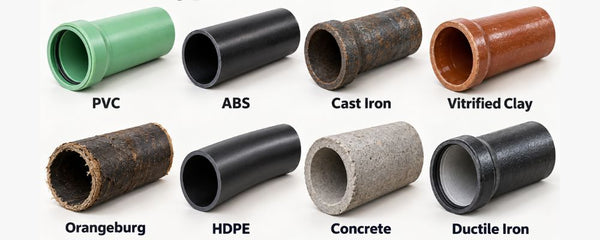
Not every “slow drain” is just a clog. Pipes can crack, shift (offset joints), or collapse—especially in older homes. A gully camera enables verification of whether the pipe itself is failing, which changes the fix from “clean” to “repair.”
4) Pre-purchase peace of mind (sewer line check before buying)
Many buyers add a sewer line video inspection because sewer repairs can be expensive and disruptive. A gully camera inspection can document current conditions and flag major risks before you commit.
What Can a Gully Camera Detect?

A gully camera is used to view the inside of a drain or sewer line in real time, so the cause of a problem is based on visual evidence rather than guesswork. During a typical drainpipe camera inspection, professionals can check for the following:
-
(1) obstructions such as grease buildup, wipes, debris, or foreign objects;
-
(2) tree root intrusion entering through joints or cracks;
-
(3) pipe damage like cracks, breaks, corrosion, or collapsed sections;
-
(4) joint issues such as misalignment or separation; and
-
(5) overall pipe condition, including sagging (a “belly”), rust, or general deterioration.
Once the gully camera footage confirms what’s happening and where it’s occurring, the next step can be chosen more accurately—whether that means snaking, hydro jetting, spot repair, pipe lining, or replacement—because the recommendation is tied to what the camera actually shows.
How Does a Gully Camera Inspection Work?
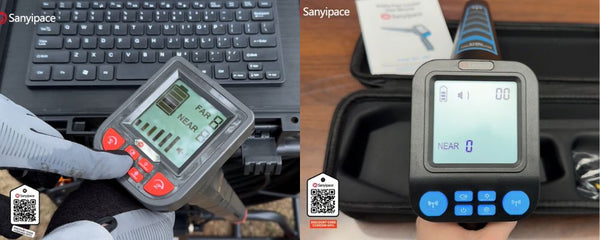
The working principle of a gully camera is simple: first, locate a suitable access point for inspection, then steadily and carefully feed the camera cable into the pipe. As the camera advances, you can watch a live video feed on the monitor to identify the cause of the issue—such as a blockage, damaged joints, cracks, or root intrusion.
Because most gully camera systems can record video, you can review the footage afterward and use it as evidence to plan the appropriate next step—whether that means clearing the line yourself or hiring a professional to handle the repair or cleaning.
When Should You Consider a Gully Camera Inspection?
A gully camera inspection is especially useful if you notice:
-
Multiple drains are slowing down at once
-
Recurring clogs that return after snaking
-
Gurgling sounds, sewer odors, or intermittent backups
-
A history of tree roots near your sewer line
-
You’re buying an older home or a home with large trees
DIY vs. professional gully camera: what to know

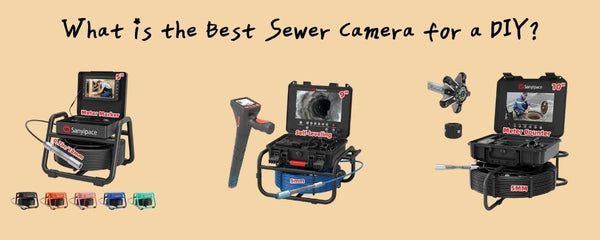
A DIY gully camera can be a smart first step for many homeowners—especially if the goal is to spot obvious clogs, check a line periodically, or confirm whether buildup or a foreign object is causing slow drains. Modern gully camera kits (often called a sewer camera, drain camera, or plumbing camera) usually offer 1080P video and recording, which makes basic inspections more practical than ever.
That said, a longer cable and clearer video don’t guarantee you’ll reach every problem area or interpret every condition correctly. Tight bends, heavy buildup, offset joints, or standing water can stop the camera or make the footage misleading. If the gully camera can’t pass a point, or it shows major root intrusion, cracked/collapsed pipe sections, or significant joint misalignment, it’s usually best to bring in a professional—because the next step may require accurate locating and a repair plan rather than another round of trial-and-error cleaning.
Conclusion
A gully camera makes drain and sewer troubleshooting much more straightforward by showing what’s happening inside the line instead of relying on guesswork. It’s commonly used to pinpoint the cause and location of issues like recurring clogs, slow drainage, odors, or backups, and to check for anything from buildup and foreign objects to roots, joint problems, and pipe wear.
Whether it’s used as a quick check when symptoms appear or as part of routine prevention, a gully camera helps homeowners make clearer decisions and take action before small problems turn into expensive repairs.
Gully Camera FAQ

Is a gully camera the same as drain cleaning?
No. A gully camera is for diagnosis (video inspection). Drain cleaning is the treatment (snaking/jetting). Camera inspections are often used before or after cleaning to confirm results.
Can a gully camera find the exact location of the problem?
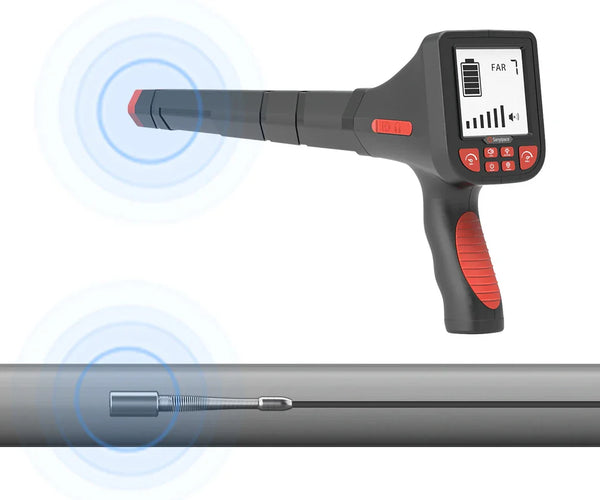
Often yes. Technicians track how far the camera travels and can estimate where the issue sits along the line; many services also document findings with video and notes.
What’s the biggest red flag a gully camera can reveal?
A severely offset or collapsed section usually means cleaning won’t solve it long-term, and repair is likely needed.
Related reading: The 7 Best Sewer Cameras in 2026


Leave a comment