




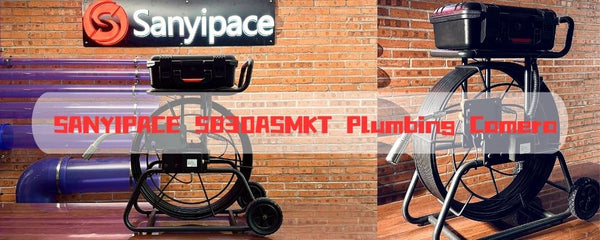
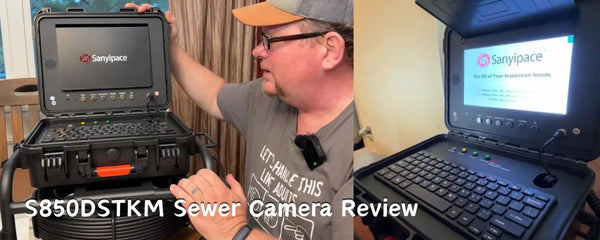
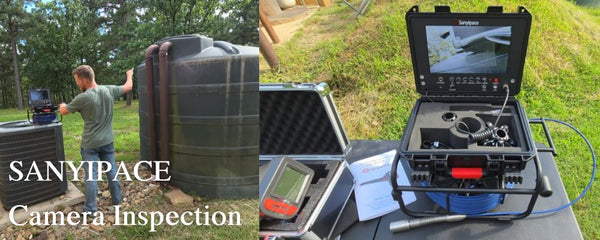

What is Sewer Video Inspection?
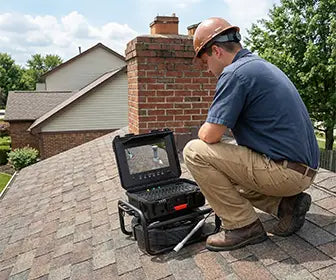
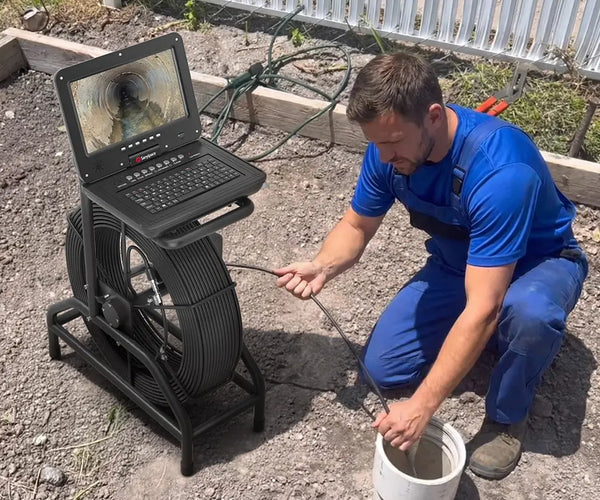
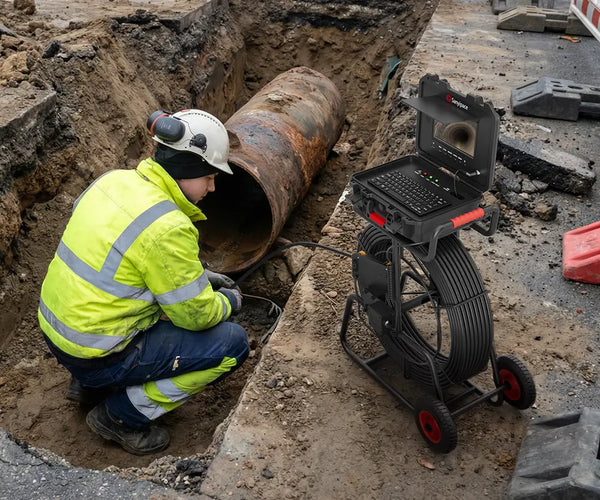
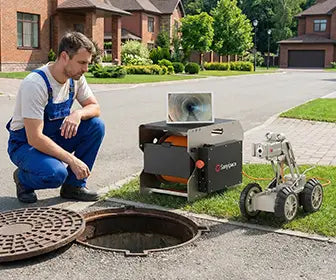
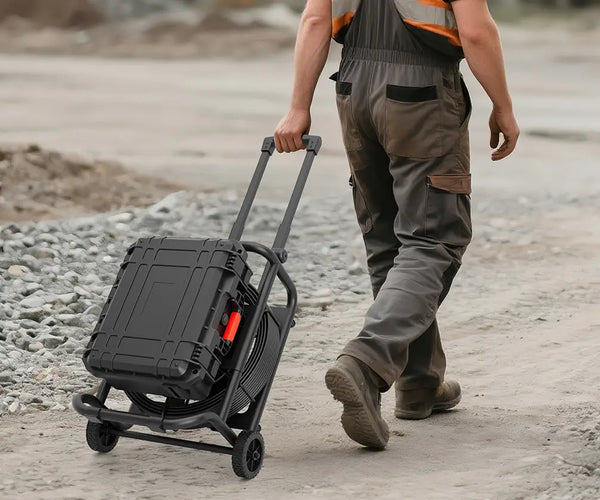
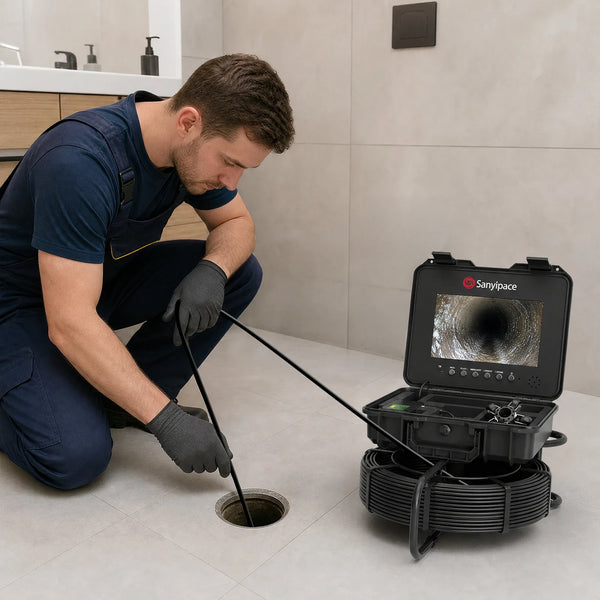
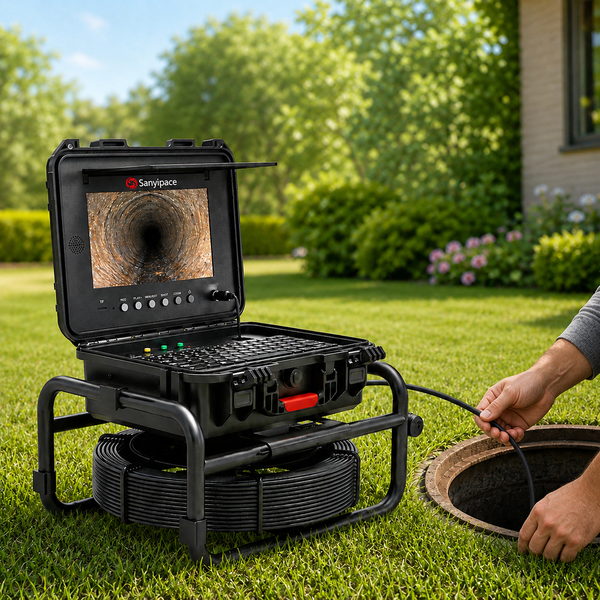
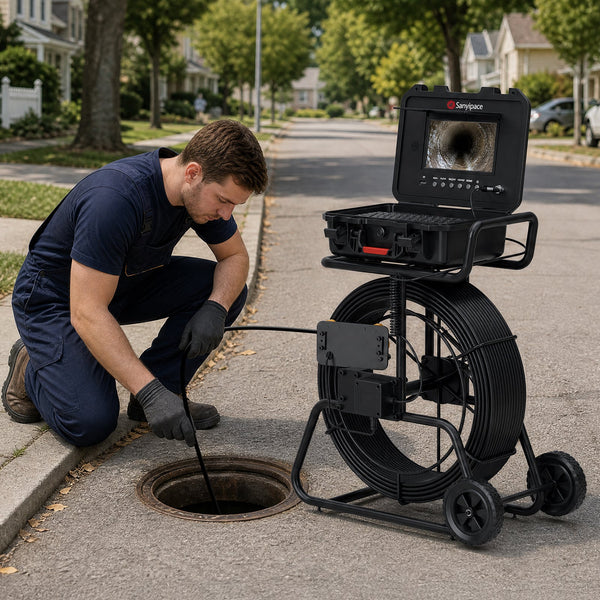
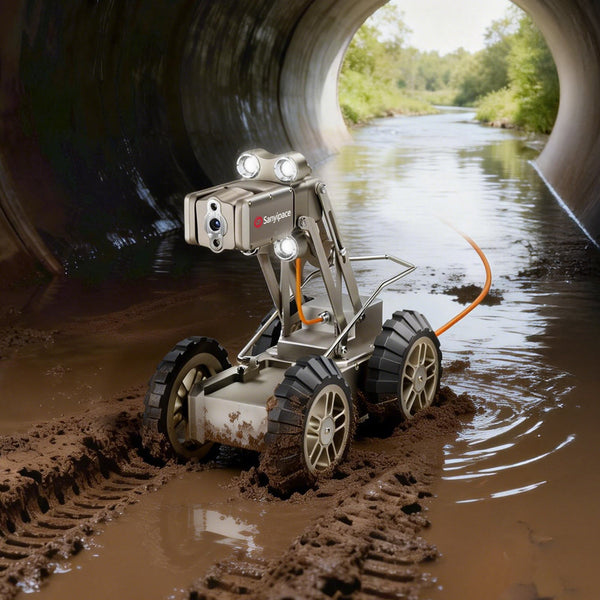
Sewer video inspection uses a camera attached to a flexible cable to travel through a pipe while transmitting live footage to a monitor. It is a convenient and effective inspection method specifically designed to examine narrow, dark, and otherwise inaccessible spaces. This process helps identify what problem exists inside the pipe, where the problem is located, and approximately how much excavation may be required to reach and repair it.
In this article, we'll take an in-depth look at sewer video inspection, including what it is, how it works, how much it costs, how long an inspection typically takes, and the types of pipe problems it can help detect.
What is Sewer Video Inspection?

Sewer video inspection is a non-invasive pipe inspection method that uses a specialized camera attached to a flexible cable to inspect the interior condition of sewer and drain lines. As the camera travels through the pipe, it transmits live video footage to a monitor, allowing inspectors to identify blockages, cracks, root intrusion, corrosion, collapsed sections, and other hidden issues without excavation.
The inspection provides a clear view of the pipe's condition, helping determine the location, severity, and cause of problems so that repairs can be planned more accurately and efficiently.
How Does a Sewer Video Inspection Work?
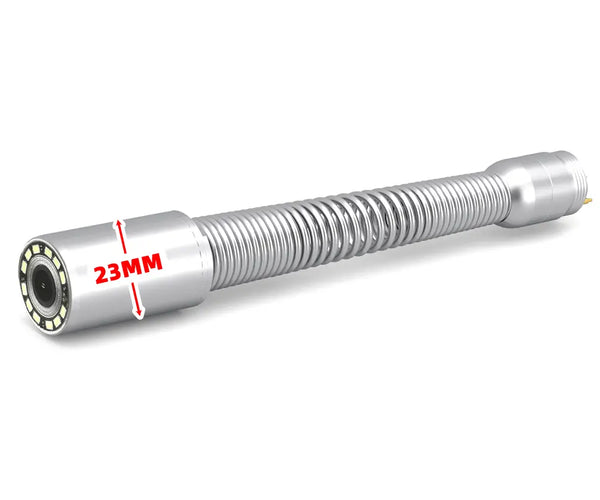
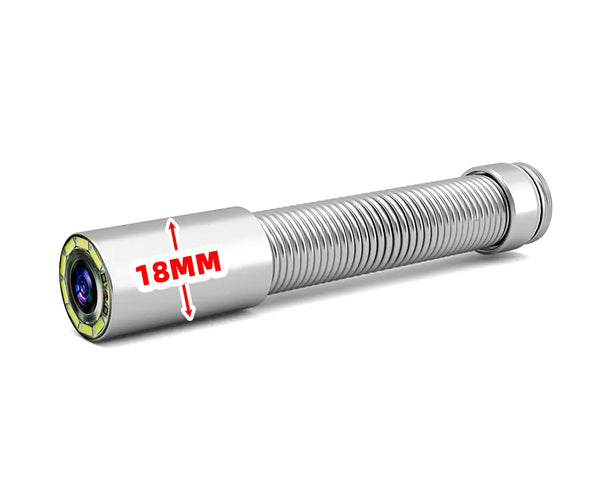
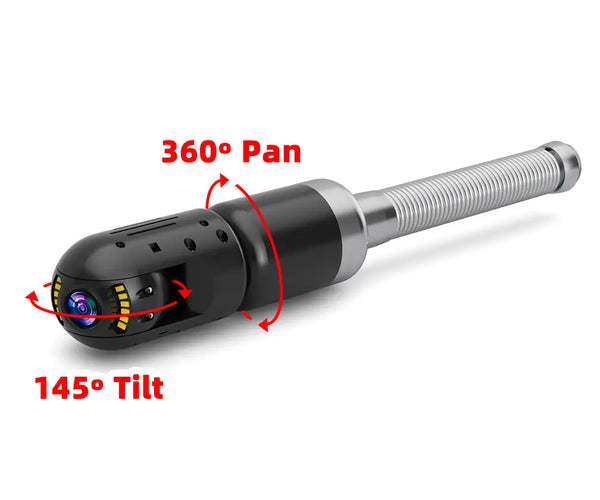
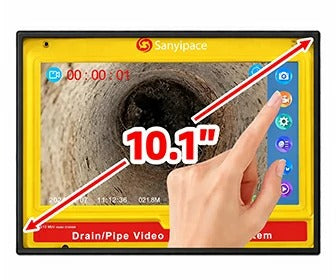
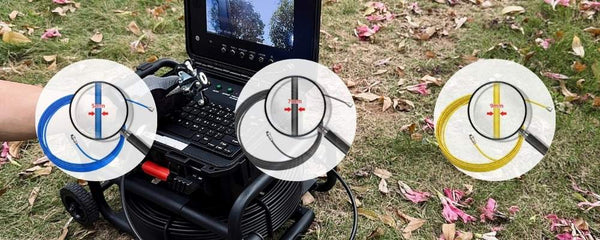
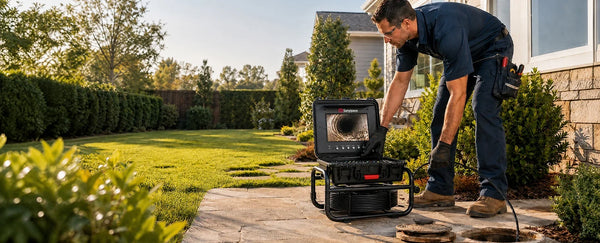
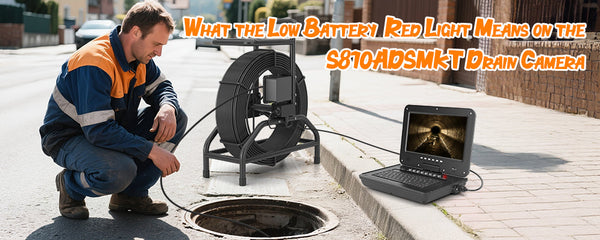
A sewer video inspection works by inserting a waterproof camera attached to a flexible push cable into a sewer or drain line through an existing access point, such as a cleanout. As the camera moves through the pipe, it captures real-time video footage and transmits it to a monitor above ground.
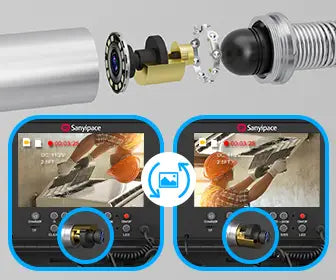
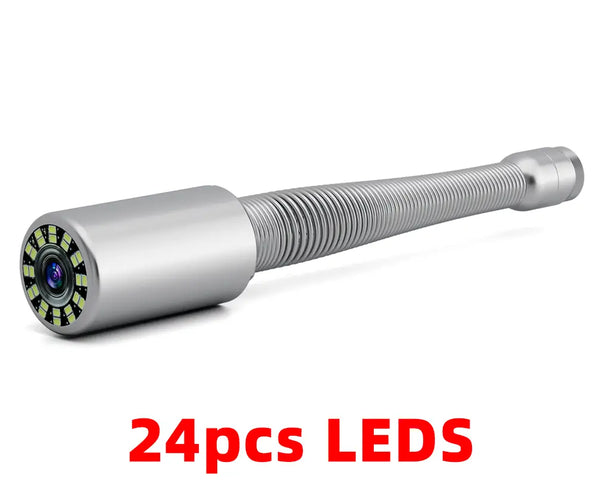
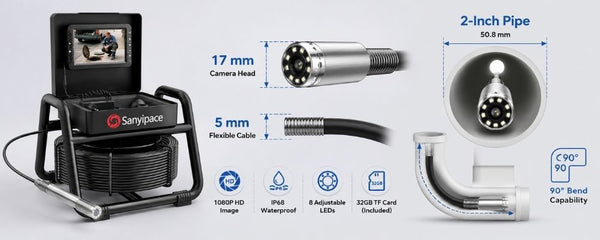
The camera is equipped with built-in LED lights that illuminate the pipe's dark interior, allowing the operator to view its condition clearly. During the inspection, the technician can identify issues such as blockages, grease buildup, root intrusion, cracks, corrosion, misaligned joints, or collapsed pipe sections.

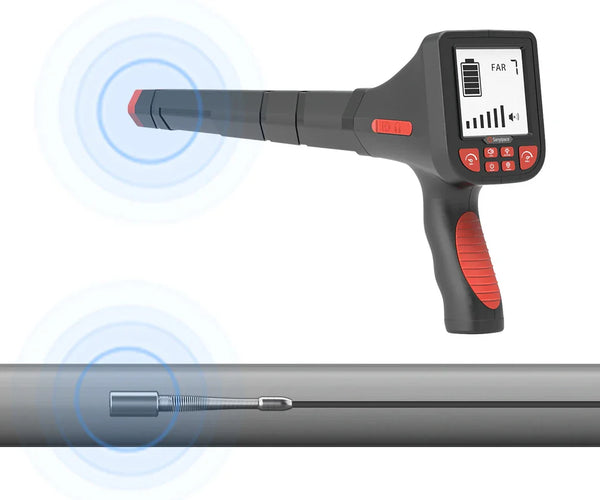
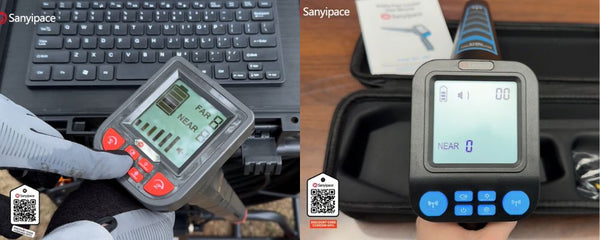
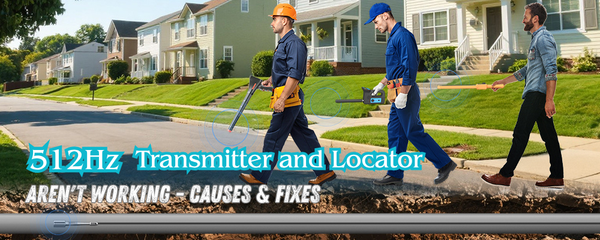
Many sewer cameras also include a locator transmitter, which allows the operator to pinpoint the exact location and depth of a problem from the surface. This helps determine where repairs are needed and minimizes unnecessary excavation.
The entire process is non-invasive, provides immediate results, and is often completed within an hour, depending on the length and condition of the pipe being inspected.
What Problems Can a Sewer Video Inspection Detect?
A sewer video inspection can detect a wide range of pipe and drainage problems that are often impossible to identify from the surface. By providing a real-time view inside the pipe, the camera helps pinpoint both the cause and location of the issue.
Blockages and Clogs
Blockages are often the reason a sewer inspection is requested in the first place. Grease buildup, wipes, paper products, sediment, and other debris can gradually restrict water flow, leading to slow drains or recurring backups. By following the obstruction through the live video feed, inspectors can determine not only what's causing the blockage but also exactly where it sits within the line.
Tree Root Intrusion
Tree roots are naturally attracted to the moisture inside sewer pipes. What begins as a tiny root entering through a loose joint or hairline crack can eventually develop into a dense root mass that obstructs the entire pipe.
A video inspection makes it possible to see how far the roots have spread and identify the point where they entered the line, which is often difficult to determine from surface symptoms alone.

Cracked or Broken Pipes
Small cracks rarely cause immediate failure, but they often worsen over time as water escapes and surrounding soil shifts. During an inspection, even minor fractures, separated joints, and broken pipe sections can be documented before they develop into larger structural problems. Recorded footage also provides a useful reference when deciding whether a repair or full replacement is the better option.
Collapsed Sewer Lines
A collapsed sewer line can restrict flow long before a complete blockage occurs. In some cases, the pipe may sag, deform, or partially cave in, creating a bottleneck that repeatedly traps debris. A sewer camera allows inspectors to assess the extent of the damage and accurately trace its location before excavation begins.
Standing Water and Pipe Bellies
Water should move continuously through a properly installed sewer line. When a section of pipe settles and creates a low spot, water can remain trapped and gradually collect debris. These "pipe bellies" are easy to overlook without an internal inspection, yet they are a common source of recurring drainage issues.
Corrosion and Pipe Deterioration
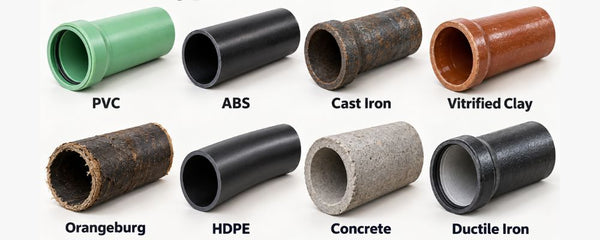
Older cast iron and metal pipes often deteriorate from the inside out. Corrosion, scaling, and material loss may not be visible from the surface, but they can significantly reduce pipe capacity and increase the risk of failure. Video inspections provide a clear view of the pipe wall condition, helping property owners understand whether maintenance, lining, or replacement should be considered.
Lost or Foreign Objects
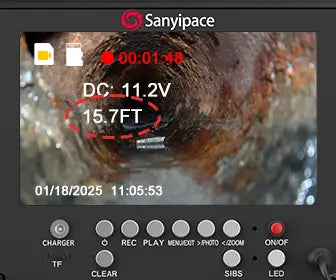
Not every sewer problem is caused by pipe damage. Rings, tools, toys, and other objects occasionally find their way into a drain and become lodged somewhere within the system. Because most inspection systems include distance tracking, locating an object is often much faster and more precise than relying on guesswork.
What Are the Signs That You May Need a Sewer Inspection?

It’s not that you need to inspect your home’s sewer system frequently. But regular inspections can be very helpful for your plumbing, especially if you notice any of the following issues:
- Recurring drain clogs
- Slow drainage in multiple drains
- Frequent sewer backups
- Foul sewer odors
- Gurgling sounds from drains or the toilet
- Unexplained damp spots in your yard
- Rodent or pest activity
- You’re buying or selling a home
If left unaddressed, these issues can escalate into major repair projects, which will not only cost more money but also require more time and effort.
A sewer camera inspection can provide a clearer picture of the condition of your pipes, and detecting problems early can save you a lot of trouble.
Can Homeowners Perform a Sewer Video Inspection Themselves?
Yes, homeowners can inspect their plumbing on their own.
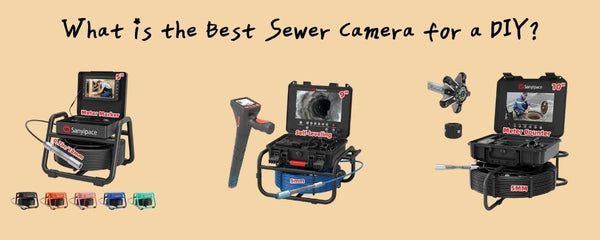
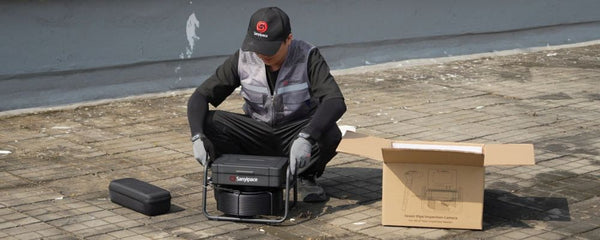
For example, take the S5517DC sewer camera available on the Sanyipace website. This is a new product launched at the end of 2025. Compact, lightweight, and equipped with audio and video recording capabilities as well as a high-definition camera, it’s ideal for homeowners to use on their own. It’s simple to operate and not complicated at all.
Of course, if you need to inspect the sewer systems for large-scale projects, you’ll still need professional sewer video camera equipment.

Is a Sewer Video Inspection Worth the Cost?
I think it’s worth it, especially for older homes or households that frequently experience clogs, slow drainage, or even sewage backups.
Whether you buy a sewer camera to inspect the pipes yourself or hire a plumber to come to your home, catching problems early is always much more cost-effective than waiting until the pipes are completely damaged. Often, if a minor issue is left unaddressed for too long, the cost and hassle can end up multiplying several times over.
Moreover, the price of many pipe inspection cameras these days is actually comparable to the cost of a single on-site inspection. For households that frequently experience drainage problems, buying one for personal use may well be a worthwhile investment. In the long run, it can save you a significant amount of time, effort, and repair costs.
|
Potential Benefit |
Why It Matters |
|
Accurate Diagnosis |
Reduces guesswork |
|
Precise Problem Location |
Minimizes excavation |
|
Early Issue Detection |
Helps prevent larger repairs |
|
Visual Documentation |
Supports repair decisions |
|
Home Purchase Protection |
Reveals hidden sewer problems |
Final Thoughts
Sewer video inspection has become one of the most effective methods for assessing the condition of underground sewers and drainage pipes. This method is widely used by technicians, plumbers, homeowners, and DIY enthusiasts.
This technology provides real-time images of the interior of pipes, allowing for the identification of blockages, tree root intrusion, cracks, collapses, and other hidden defects without the need for destructive excavation.
Related reading: The 7 Best Sewer Cameras in 2026


發表評論