



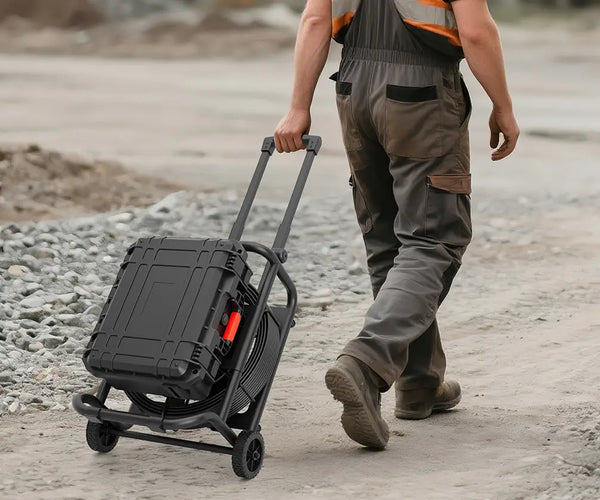
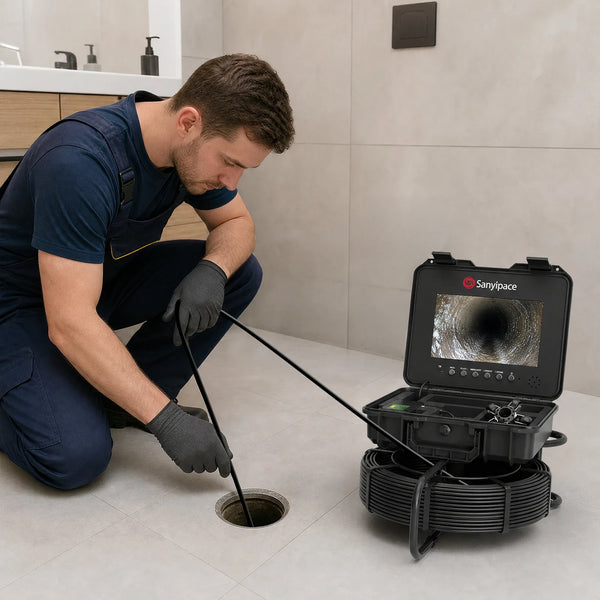
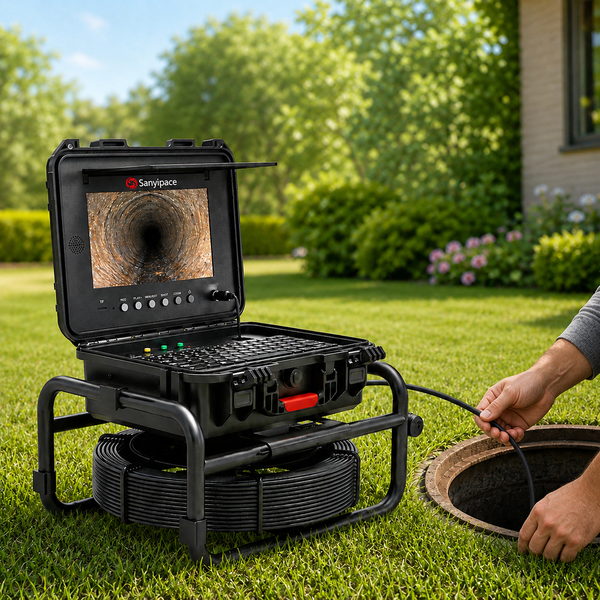
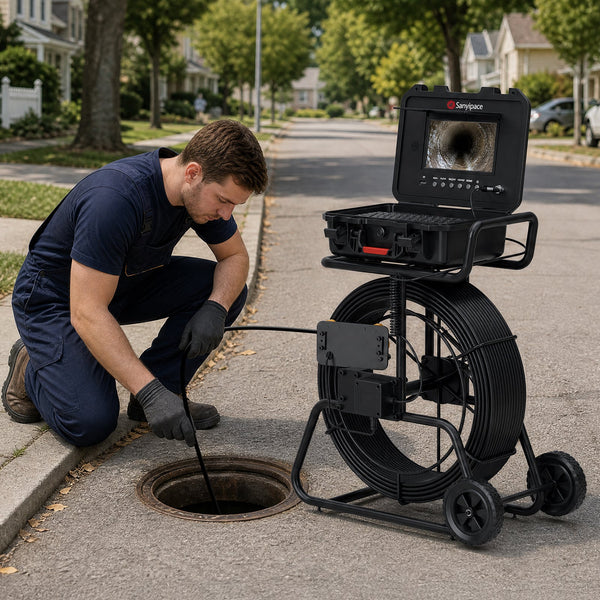


What is a 512 Hz Locator & How to Use?
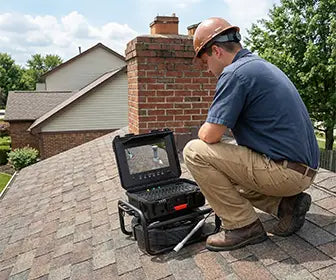
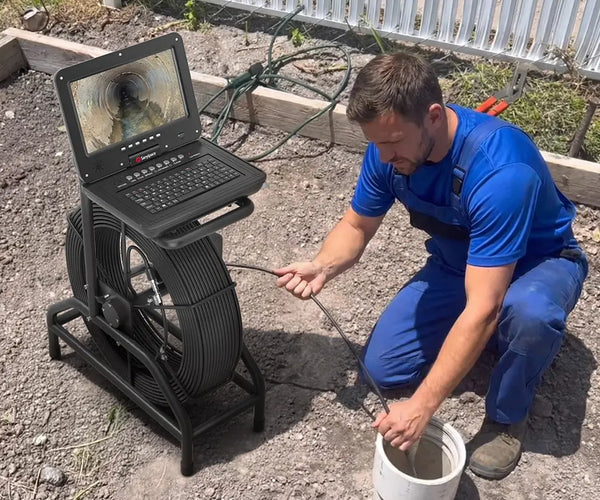
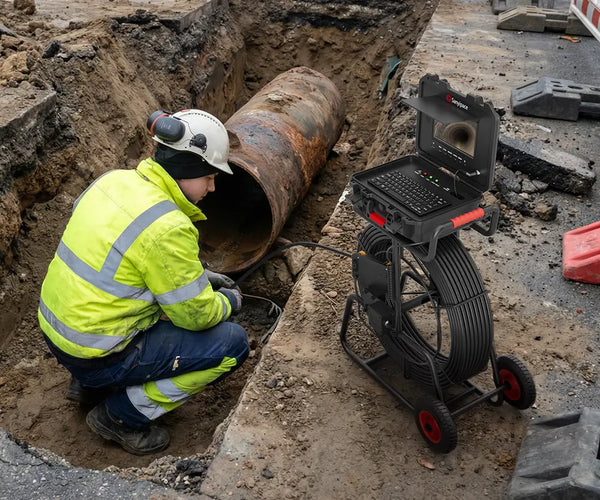
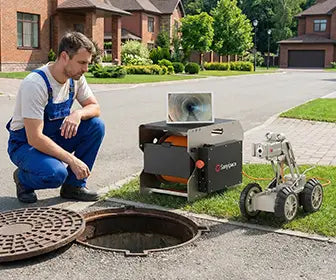
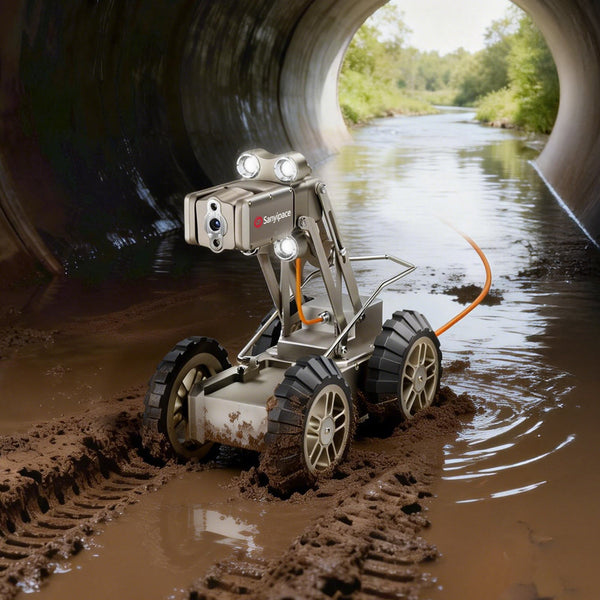
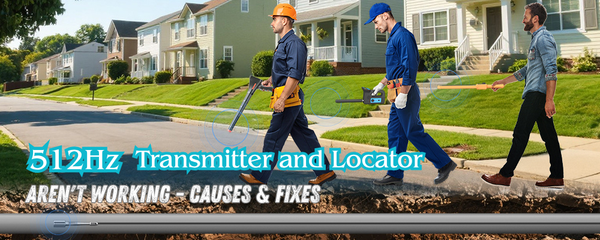
A 512 Hz locator is an underground positioning device used in conjunction with a pipe camera carrying a 512 Hz transmitter (sondes). These 512 Hz locators can help us accurately pinpoint the exact location of pipes, underground structures, and walls, allowing us to locate incidents more quickly.
Please continue reading for more information about 512 Hz locators.
What is a 512 Hz Locator?

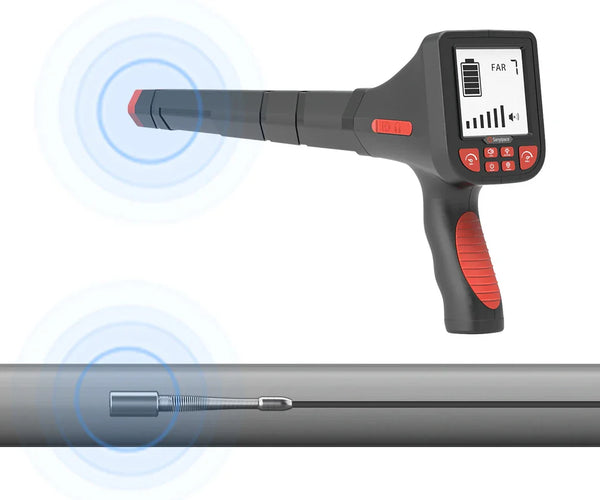
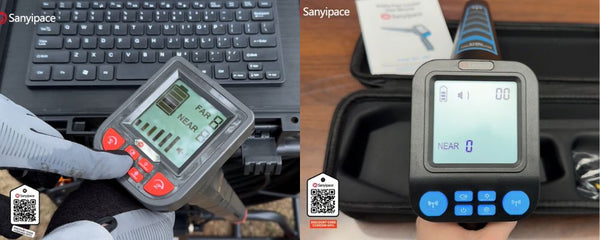
The 512 Hz locator, also known as a sewer camera locator/Underground Pipe Locator/pipe locator, is a handheld device used for precise positioning, typically used in conjunction with a pipe camera.
The Sanyipace pipe locator, for example, can detect pipe locations 3-9 meters (9.8-19.7 FT), effectively helping us avoid unnecessary digging and wasting money and effort. It is suitable for professional plumbers, repairmen, and DIY enthusiasts.
Why Use a 512 Hz Locator?

As mentioned earlier, the best advantage of a 512 Hz Locator is its ability to achieve precise positioning. But what are the specific benefits? Let’s take a closer look:
-
Accurate Positioning: It can be used together with a 512 Hz transmitter or signal source to locate the exact position.
-
Efficient and Time-Saving: Instead of relying on manual searching or guesswork, the locator helps you quickly identify the correct direction and location. This significantly reduces the time needed for inspection and troubleshooting.
-
Wide Compatibility: Many universal 512 Hz receivers can be used with different pipeline inspection cameras equipped with 512 Hz transmitters.
-
Eliminates Costs of Blind Excavation: Compared with blind digging, using a locator allows you to excavate precisely at the problem point, saving significant repair costs, time, and manpower.
-
Suitable for Various Complex Environments: This technology is commonly used in drain pipeline inspection cameras and is ideal for underground or in-wall pipe detection in industries such as industrial equipment maintenance, HVAC/R, construction, and automotive applications.
-
Portable: Most pipe locators are small in size, space-saving, and easy to carry and store.
In conclusion, a 512 Hz Locator can turn blind pipeline detection into visualized, precise positioning, making it an efficient and cost-effective maintenance tool.
How to Achieve Precise Positioning Using a 512 Hz Locator?

Using a 512 Hz Locator is quite simple. I will use the Sanyipace S58R 512 Hz Locator as an example to introduce the specific operating steps:
First, we need to understand that the S58R 512 Hz Locator has two modes:
-
Far Mode: Maximum detection distance approx. 6 m (19.7 ft)
-
Near Mode: Maximum detection distance approx. 3 m (9.8 ft)
Tip: Press the sensitivity button. A full signal (7 bars) on the screen indicates the maximum value, and 1 bar indicates the minimum value. Use this to determine the transmitter's location. The signal strength is strongest when the distance to the target is less than 0.8 meters (2.6 feet).
Step 1: Long-Range Detection (Far Mode)

The purpose of this stage is not to immediately find the exact location, but to narrow down the area and determine the approximate direction and region of the transmitter.
1. Press and hold the power button—after turning on the locator, switch the mode to Far.
2. Set the sensitivity to maximum by pressing SEN+ and adjusting it to 7 bars. Sound will then be emitted from the speaker. (You can press the "SOUND" button to adjust or mute the volume.)
3. Slowly scan the area – Hold the receiver and slowly scan left and right, back and forth in the area you suspect the target might be.
4. Observe signal changes – As you move towards the transmitter, the signal will gradually strengthen; conversely, the signal will weaken. This change helps you determine the general direction.
5. Gradually decrease the sensitivity – When the screen signal is close to full bars, continue pressing SEN- to decrease the sensitivity slowly. This helps narrow down the search area and prevents the signal from being too strong to pinpoint the location.
6. Continue moving closer to the target area – Keep the receiver parallel to the ground and slowly move to the location with the strongest signal.
Finally, when the sensitivity has dropped to 1 bar, but the signal remains full bars, you are very close to the target and can switch to Near Mode to proceed to the next step.
Step 2: Switch to Near Mode for Precise Positioning

Once you enter Near Mode, the goal is no longer to find the general area, but to pinpoint the exact location of the transmitter. Instructions:
1. Switch to Near Mode—In the approximate area you identified earlier, switch the device to Near Mode.
2. Set sensitivity to maximum—Press SEN+ to adjust the sensitivity to level 7.
3. Sweep within a small area—Hold the receiver and slowly move it side to side within the small area identified in the previous step. You will notice that the closer you are to the actual transmitter location, the stronger the signal becomes.
4. Locate the strongest signal point—When you find a spot where the signal is strongest, don’t make a quick judgment. Slightly adjust your position to confirm the exact point where the signal peaks.
5. Gradually reduce sensitivity—Press SEN- to slowly lower the sensitivity. When sensitivity is reduced to level 1, and the signal remains at its strongest, you are very close to the target.
6. Final confirmation—At this point, hold the locator with its handle as vertical to the ground as possible, and confirm the location where the signal is strongest.
The device can typically pinpoint the transmitter within approximately 0.8 m (2.6 ft) of that spot.
📍 Recommended 512 Hz Locators

1. SANYIPACE S58R 512Hz Locator: A versatile 512 Hz transmitter + locator combo that’s great for accurately tracking pipe routes and pinpointing blockages. Ideal for home use and light professional inspection.
2. SANYIPACE S68R Pipe Locator: A dedicated 512 Hz locator with adjustable sensitivity and a clear display. Works well with compatible 512 Hz sondes for detecting underground sewer lines and drains.
3. VEVOR 512Hz Sonde Rigid Drain Locator: A simple, budget‑friendly 512 Hz sonde designed for pipe locating. Features a strong 512 Hz signal and interchangeable adapters for different cables or equipment.
4. RIDGID NaviTrack Scout Locator: A professional‑grade locator that uses multi‑directional signal technology and automatic depth readout to make demanding sonde locates easier and more accurate.
💡 Tip: If you already have a 512 Hz transmitter (or camera with a 512 Hz sonde), pairing it with a compatible locator like the S68R or NaviTrack Scout will help you find exact pipe routes and blockage points quickly and accurately.
Fnally
In summary, the essential purpose of a 512 Hz pipe locator is to help us quickly pinpoint the location of a pipe accident, avoiding the waste of time and money caused by blind guessing and incorrect excavation.
Therefore, this type of pipe locator is suitable for any user requiring precise location, with prices ranging from approximately $200 to $1000. The SANYIPACE 512Hz pipe locator is relatively affordable, with two currently available models priced between $300 and $400. You can check them out and purchase them.
FAQ
1. Is the Pipe Locator Easy to Use?
Yes, the pipe locator is designed to be user-friendly. With a basic understanding of the operating steps, users can quickly get started.
2. Can the SANYIPACE Locator Work with Other 512 Hz Transmitters?
Yes, the SANYIPACE 512 Hz locator is compatible with any sewer inspection camera equipped with a 512 Hz transmitter. Likewise, the built-in 512 Hz transmitter in SANYIPACE pipe cameras can work with any locator that supports the 512 Hz frequency.
This ensures seamless integration and flexibility, regardless of the brand you are currently using.
3. What Factors Can Affect Locating Performance?
In practical use, locating accuracy and signal stability may be influenced by environmental conditions and underground factors. Understanding these variables can help users achieve more accurate results and optimize operations.
Factors that may affect performance include:
-
Interference from metal objects
-
Underground electrical cables
-
Soil moisture and density
-
Structural obstructions
4. What Applications Is the Locator Suitable For?
The pipe locator is highly versatile and adaptable, making it an essential tool for underground inspection and construction work across various industries.
It is widely used for:
-
Sewer inspection
-
Pipe blockage locating
-
Underground utility detection
-
Construction and maintenance projects
Related reading: Drain Camera Buyer’s Checklist


Laisser un commentaire