





Drain Camera Buyer’s Checklist: 12 Questions to Ask Before You Buy (2026)
Buying a drain camera (also called a sewer camera or pipe inspection camera) is easy to do wrong—and expensive to fix later. Most “bad purchases” happen for one reason: people buy based on a single spec (like cable length) and miss the real match: pipe size, bends, features, and how you’ll actually use it.
This checklist helps homeowners and pros choose faster, avoid common traps, and end up with a camera that fits their jobs.
Quick Summary
- If you need stable, readable footage → prioritize self-leveling models.
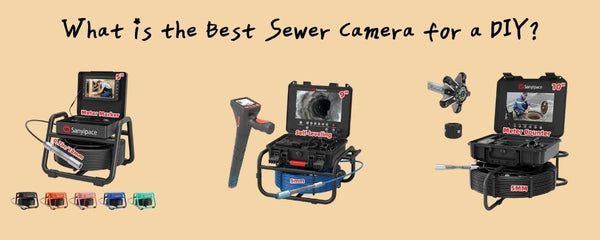
- If you need to know how far the issue is → prioritize a distance counter (meter/foot counter).
- If you need to pinpoint where to dig → prioritize sonde/locator-ready cameras.
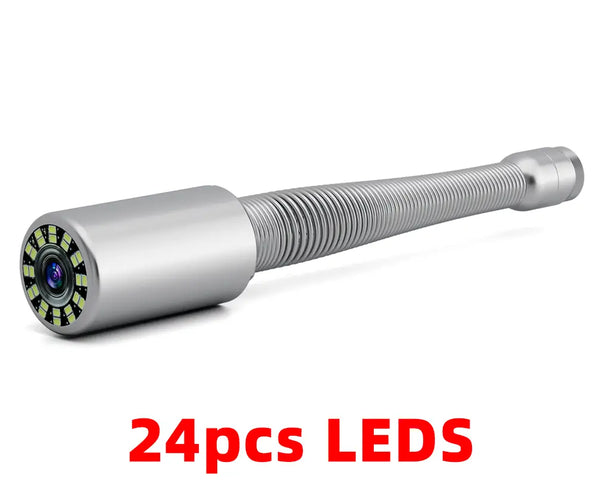
- If you deal with dark pipes, cloudy water, or grime → stronger lighting (e.g., 24-LED camera heads) helps.
- If you want the simplest setup (especially for homeowners) → choose an all-in-one system.
Start here: Shop Sewer Cameras
The 12-Question Buyer’s Checklist
1) Who are you buying for: homeowner or pro?
Be honest about frequency.
- Homeowners: occasional use, fast setup, portability, clear screen, simple controls.
- Pros: durability, longer cable options, better locating workflow, repairable parts, and accessory ecosystem.
Tip: If you’ll use it only a few times a year, spend on ease-of-use, not exotic add-ons.
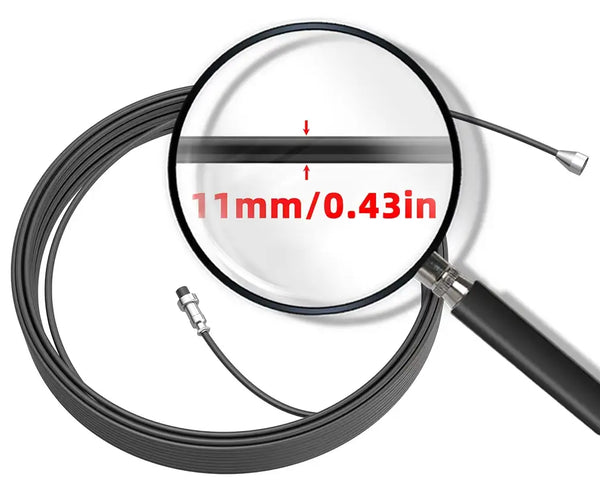
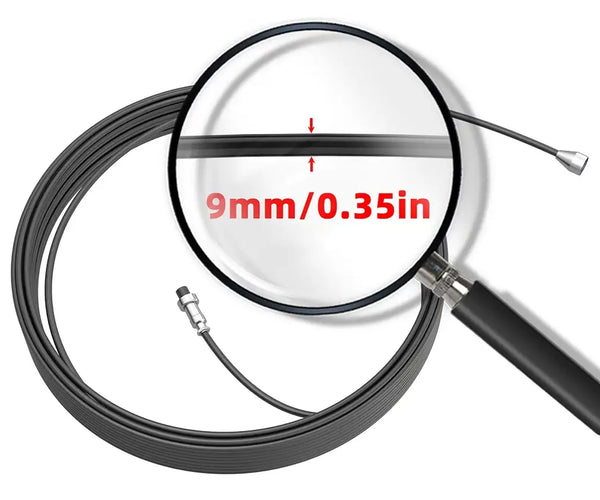
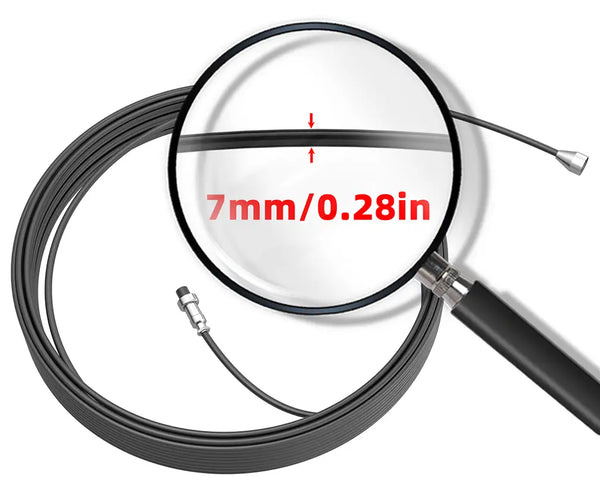
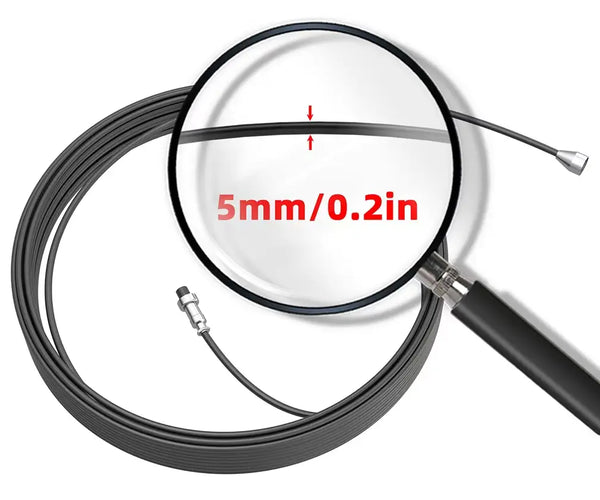
2) What pipe sizes will you inspect most often?

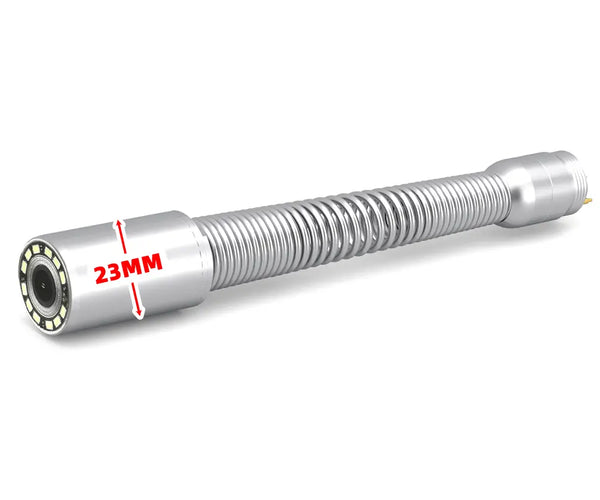
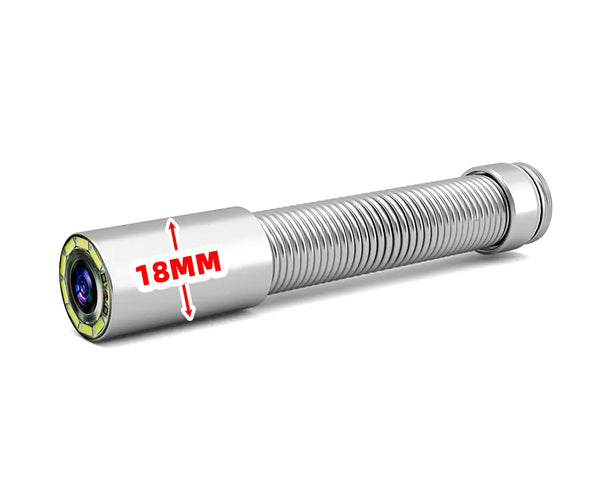
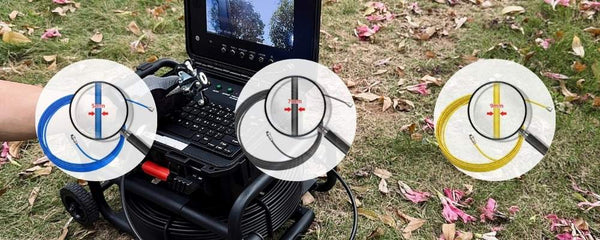
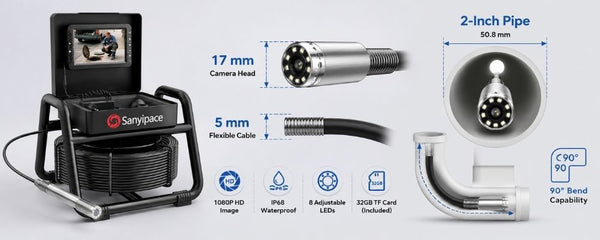
Pipe diameter determines camera head size and how smoothly you can navigate bends.
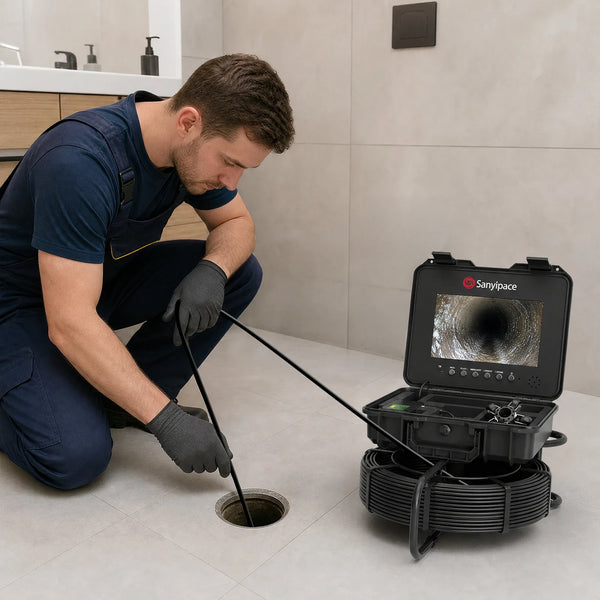
- Mostly small indoor lines (sinks, showers): prioritize a smaller head + flexible push cable.
- Mostly main lines: you can tolerate larger heads and stiffer cables.
Therefore, when purchasing, you should have a general understanding of the pipe diameter range you need to inspect, which will help you choose a more suitable product model and probe size.
3) How bendy is your environment (P-traps, elbows, offsets)?
A long cable means nothing if you can’t get past a P-trap or tight elbow. Look for smaller head options and manageable cable stiffness.
4) What cable length do you actually need?
Choose length based on typical runs—not the rare worst-case. Longer cables add weight, stiffness, and handling effort.
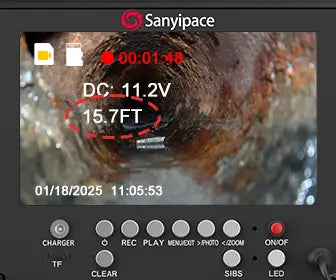
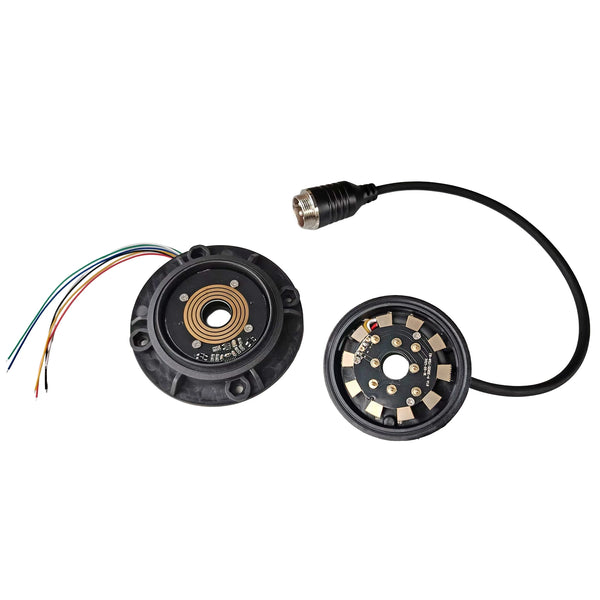
5) Do you need a distance counter (meter/foot counter)?

If any of the following situations apply, it is highly recommended to use the distance counting function:
-
You need to know how many meters (or feet) the blockage is from the cleanout or drain.
-
You need to provide inspection results to others (such as a landlord, maintenance worker, or client) and accurately describe the problem location.
-
You plan to conduct before-and-after comparative re-inspections (for example, comparing records before and after unclogging).
If you wish to monitor the camera’s progress in real time and pinpoint exactly where the issue occurs, a distance counter will be very useful. It can help you:
-
Measure the exact distance from the entry point to the blockage.
-
Record the start and end positions of the blockage.
-
Facilitate subsequent re-inspection of the same pipeline.
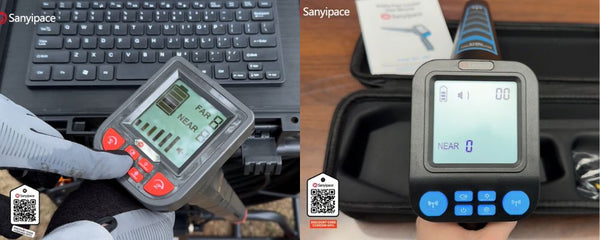
When used together with a locator, you can more quickly and clearly understand the scope and specific location of the problem, making detection and communication more efficient.
Shop sewer cameras with distance counter →
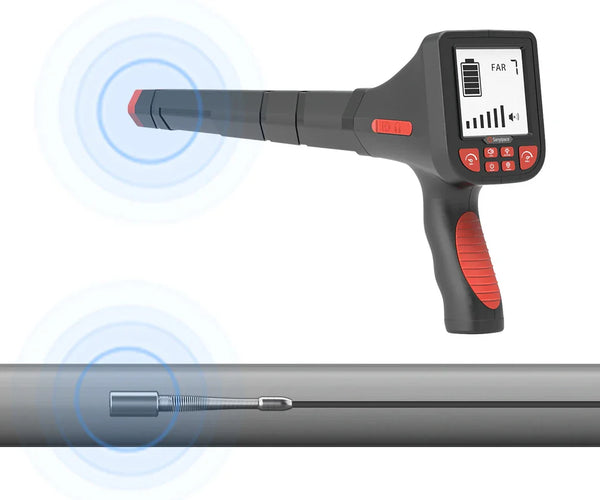
6) Do you need a locating (sonde/locator)?

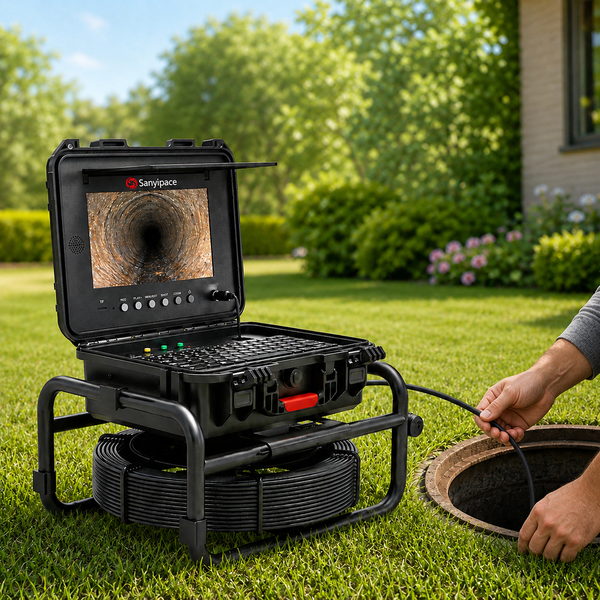
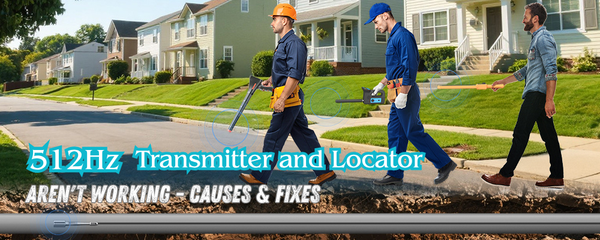
If you might dig, cut concrete, or pinpoint a line outdoors, you want sonde/locator-ready equipment.
- Most valuable for main line issues and outdoor runs
- Helps reduce guesswork and unnecessary digging
Shop sewer cameras with sonde/locator (transmitter) →
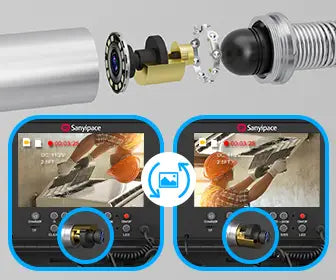
7) Is self-leveling important for you?

Self-leveling keeps the image “upright” as the camera rotates—improving readability, especially for beginners and longer inspections.
Choose self-leveling if:
-
You’re new to inspections
-
You want a faster interpretation of what you’re seeing
-
You do longer runs where orientation gets confusing
✅ If you’re mainly doing quick checks in short straight lines, you might skip it.
Shop self-leveling sewer cameras →
8) How important is lighting (e.g., upgraded 24 LEDs)?

Inside a pipe, lighting is everything—especially if there’s residue, cloudy water, or dark materials.
Stronger lighting (like 24 LEDs) can help:
-
Reveal cracks, joints, and texture detail
-
Improve visibility in larger pipes
-
Make footage more usable for records
✅ But more light isn’t always better: glare and “backscatter” can happen in standing water. Ideally, you want adjustable brightness.
Browse 24-LED camera head options →
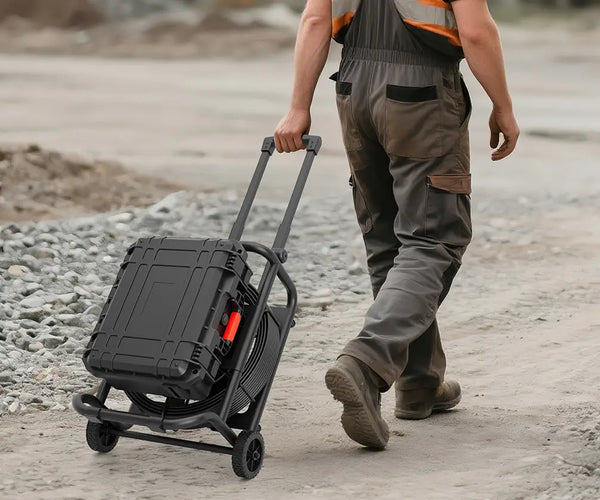
9) Do you want an all-in-one system or a modular style?

All-in-one (monitor + reel + camera together):
-
✅ easiest setup (great for homeowners)
-
✅ portable and quick to deploy
-
⚠️ fewer upgrade paths; repairs may be more centralized
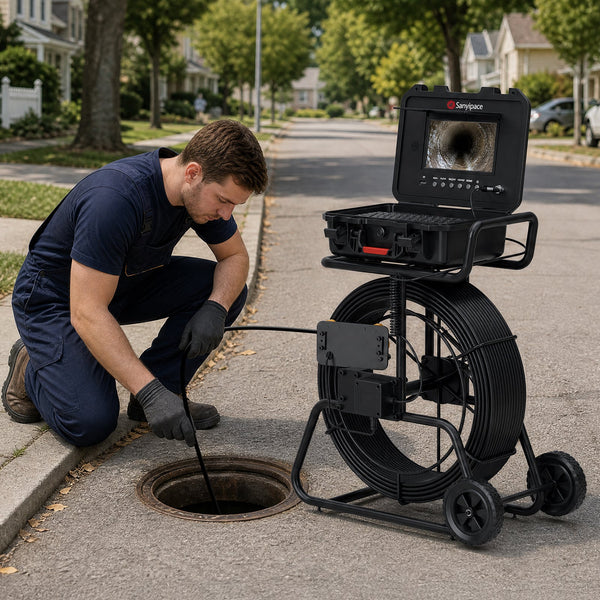
Modular styles (reel/cart/handheld):
-
✅ more flexible for pros and specialized jobs
-
✅ easier to mix-and-match components
-
⚠️ can be more complex to set up
👉 Start simple: All-in-One sewer camera
👉 Explore styles: By Style sewer camera
10) Will you record video/photos (proof, documentation, resale)?
If you plan to share results with a contractor/tenant, keep before/after evidence, or build a workflow around inspections, choose a setup that makes recording and exporting simple. If exporting is annoying, you won’t do it—and you lose the “proof” advantage.
11) How rough is your environment (durability & maintenance)?

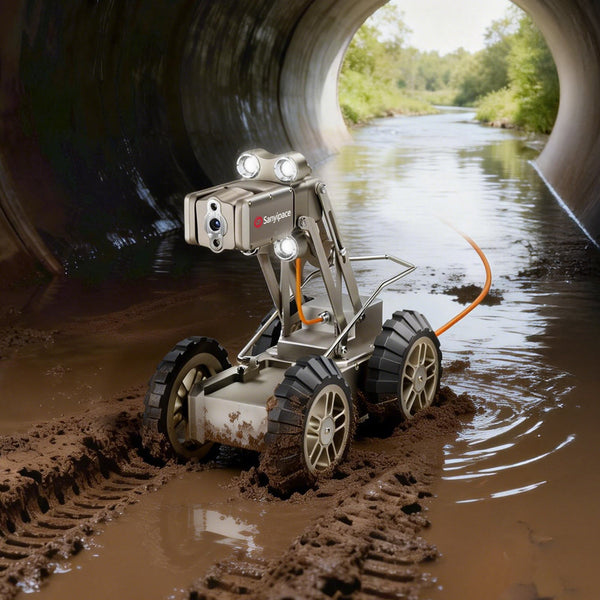
Dirty, rough wiring requires better protection and proper cleaning/storage procedures. You need to consider in advance whether it will frequently operate in dirty, abrasive tubing. Even a high-performing camera will feel "bad" if it's difficult to clean, store, or maintain.
Maintenance guide: Drain Camera Maintenance
12) Warranty, returns, and spare parts—what’s your safety net?
Before purchasing, please confirm the warranty coverage, return policy (especially after use), availability of replacement parts, and support response speed. It is best to choose a brand or vendor with a warranty period of more than one year.
Mini Decision Table: What Should You Buy?
If you’re a homeowner doing occasional checks
- Pick: All-in-one system + strong lighting
- Nice-to-have: Self-leveling
- Optional: Distance counter
If you need to mark the problem location for repair
- Pick: Distance counter + Sonde/locator-ready (best combo)
If you want the clearest footage and easiest interpretation
- Pick: Self-leveling + upgraded lighting (24-LED)
Avoid These Traps (Common Buyer Mistakes)
- Buying a long cable, then realizing it’s too stiff for tight bends
- Skipping distance counter / locating, then having no idea where the issue is
- Buying only based on price, then struggling with dim lighting and unusable footage
- Forgetting workflow (recording/export/cleaning), then never using it again
Fnally
The best drain camera is the one you’ll actually use—and that comes down to confidence. When the footage is readable, the location is measurable, and the setup is simple, inspections become routine instead of frustrating. That’s why this checklist matters: it turns “spec shopping” into a clear decision.
Save or bookmark this page, and the next time you’re comparing models, walk through the questions in order. You’ll know exactly what to prioritize, what to skip, and how to buy a camera that fits your home or your work—without paying for features you don’t need.
FAQs

1. Do I really need self-leveling?
If you want faster inspections and clearer interpretation—especially as a beginner—self-leveling is usually worth it.
2. Is a distance counter accurate?
It’s “accurate enough” for most use cases, but real-world factors can introduce small errors. It’s still far better than guessing.
3. Do homeowners need a locator?
Not always. But if you may dig, cut, or plan repairs outdoors, sonde/locator-ready gear can pay for itself by avoiding unnecessary digging.
4. Is 24 LEDs always better?
More light often helps, especially in larger lines and darker environments. Adjustable brightness matters most.
Related reading: Best 5 Sewer Camera Brands


Laisser un commentaire