





Can a Sewer Camera Detect Pipe Leaks?
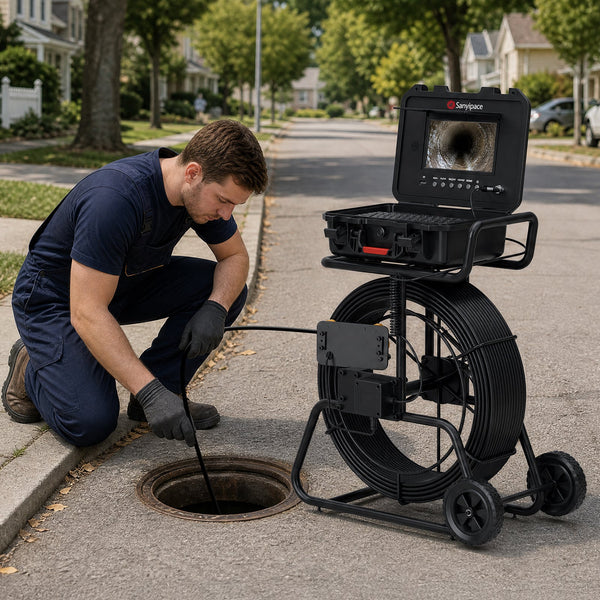
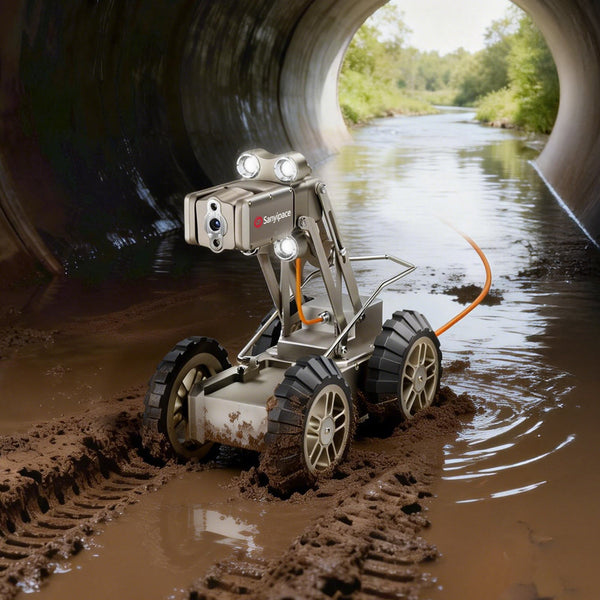
The most accurate answer to whether a sewer camera can detect leaks is: it can precisely locate the “physical damage” causing the leak, but it typically cannot directly observe water flowing out of the pipe (into the soil). A sewer camera functions like an “X-ray machine” for plumbers, serving as the primary diagnostic tool for assessing system health.
According to the U.S. Environmental Protection Agency (EPA), the average American household wastes up to 10,000 gallons annually due to various hidden leaks. Timely detection and repair of underground pipe leaks not only conserve water resources but also prevent damage to home foundations.
Below is a detailed analysis of the functions, limitations, and data-driven insights of pipe endoscopes in leak detection.
What a Sewer Camera Can Detect?

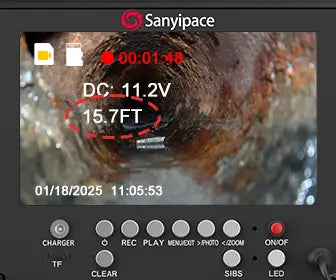
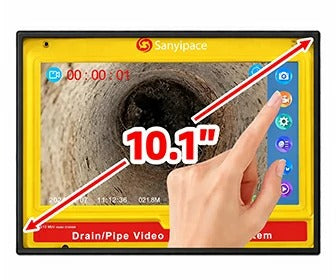
The pipeline camera provides a high-definition video feed of the pipe’s interior. It "detects" leaks by identifying the physical damage that allows water to escape:
-
Tree Root Intrusion: Roots instinctively grow toward moisture. If roots are visible in the pipe, it indicates a breach in the pipe wall and active leakage. Data shows that over 50% of main sewer blockages and leaks in homes over 40 years old are caused by tree root intrusion.
-
Cracks and Breaks: The camera clearly reveals stress cracks in PVC pipes or structural fractures in clay pipes.
-
Separated/Offset Joints: Ground settlement loosens pipe joints, creating the most common pathway for water infiltration into the soil.
-
Channeling: Cast iron pipes typically last 50 to 75 years. In older homes, years of water flow can completely erode the pipe's base, allowing water to drain directly into the soil.
Technical Limitations

Despite the clear visuals, an inspection camera alone is sometimes insufficient for a definitive "leak" diagnosis for the following reasons:
-
The "Inside-Out" Problem: A drain camera stays inside the pipe. It cannot see if water is currently saturating the soil outside unless the pipe is so damaged that soil is visibly falling into the line.
-
Buildup Obscuration: Grease, scale (calcium buildup), and sludge can cover up small cracks or pinholes, making them invisible to the lens.
-
Water Level: If the pipe is full of standing water or murky sewage, the camera's visibility is severely limited.
-
Small Leaks: A tiny "pinhole" leak might not be visible on a monitor, even though it is losing significant water over time.
Industry Standard: How to Perform a 100% Accurate Leak Diagnosis?
To compensate for the blind spots of sewer cameras, professional plumbing companies typically use a dual-verification approach: “visual + physical” testing.
|
Inspection Method |
How It Works |
Main Purpose |
|
Pipe Inspection Camera |
A high-definition camera is inserted into the pipe to perform an internal visual inspection. |
Identify the location and cause of damage. |
|
Hydrostatic Test |
Both ends of the pipe are sealed, the pipe is filled with water, and the water level/pressure is monitored to see if it drops. |
Confirm whether the system is leaking (if it cannot hold pressure, a leak exists). |
|
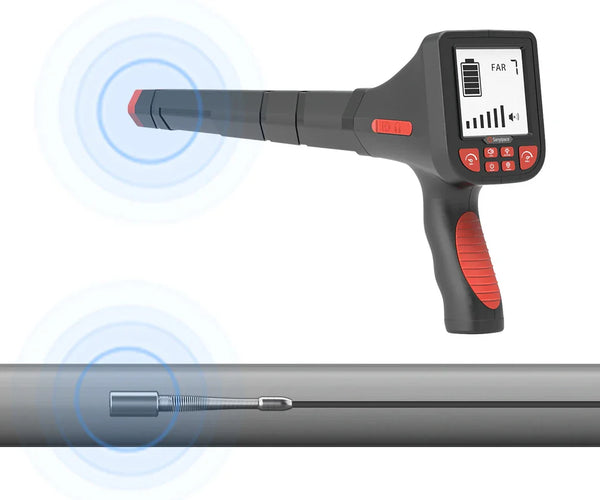
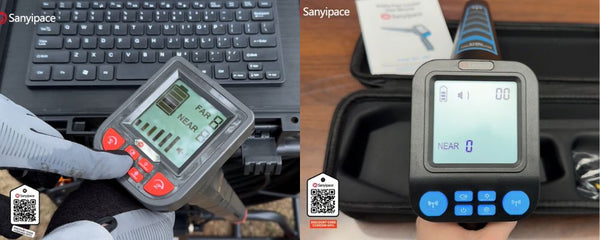
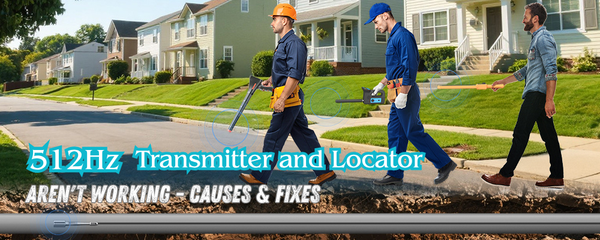
Sonde Signal Locating (512 Hz Sonde/512 Hz Locator) |
The camera head emits a radio signal that is detected by a receiver on the ground. |
Precisely mark the location of blockages or pipe sections, typically within a few inches of accuracy. |
Expert Tip: If you suspect a “slab leak” beneath your home’s foundation, make sure the plumber performs a hydrostatic pressure test in addition to the plumbing camera inspection. This combination provides a more reliable diagnosis.
When Should You Get a Plumbing Camera Inspection?

You should consider a camera inspection if you notice any of the following "red flags":
-
Sewer Odors: Smelling "rotten eggs" inside or outside the home.
-
Foundation Issues: Cracks in your slab or walls could be caused by water leaking under the house.
-
Lush Patches of Grass: Extra green, fast-growing grass in one area of the yard often indicates a localized fertilizer (sewage) leak.
-
Persistent Clogs: If you have to snake your drains more than once a year, there is likely a structural break or root issue.
-
Buying a Home: Most standard home inspections do not include the sewer line. A separate "sewer scope" is highly recommended for older homes.
Cost-Benefit Analysis: Inspection Fees vs. Repair Costs

Many homeowners hesitate about spending money on a sewer camera inspection. Let's examine its return on investment (ROI) using HomeAdvisor's national average cost data for sewer repairs:
-
Average cost of an inspection: $150 - $350 (may be lower if included in a home inspection / many homeowners purchase sewer cameras for DIY troubleshooting).
-
Localized pipe repair cost: $1,000 - $3,000.
-
Cost of complete main sewer line replacement: $3,000 - $25,000+ (especially when requiring driveway demolition or extensive foundation excavation).
In summary, spending a few hundred dollars on a thorough camera inspection allows for extremely precise problem localization. This enables targeted “spot repairs” instead of blindly digging up your yard or breaking innocent tiles, saving you thousands or even tens of thousands of dollars in unnecessary expenses. For buyers planning to purchase a pre-owned home (especially those over 20 years old), this inspection is essential.
Conclusion
A sewer camera is the best tool for locating leak points, while a hydrostatic test is the most reliable method for verifying the presence of a leak. Most reputable plumbing companies will employ both methods to ensure a 100% accurate diagnosis.
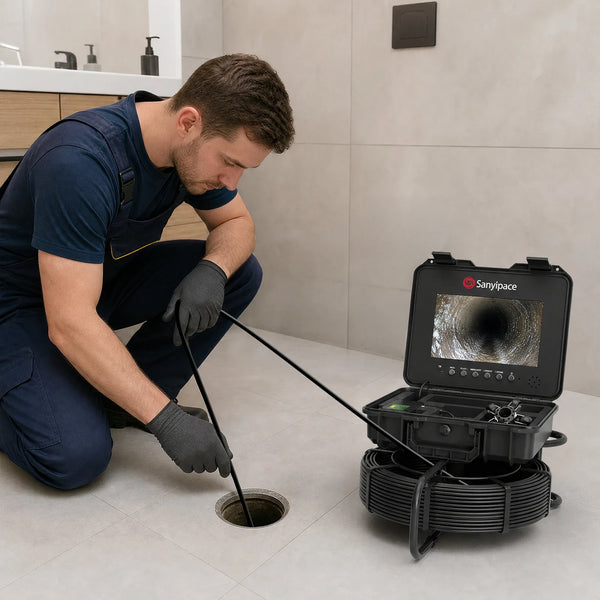
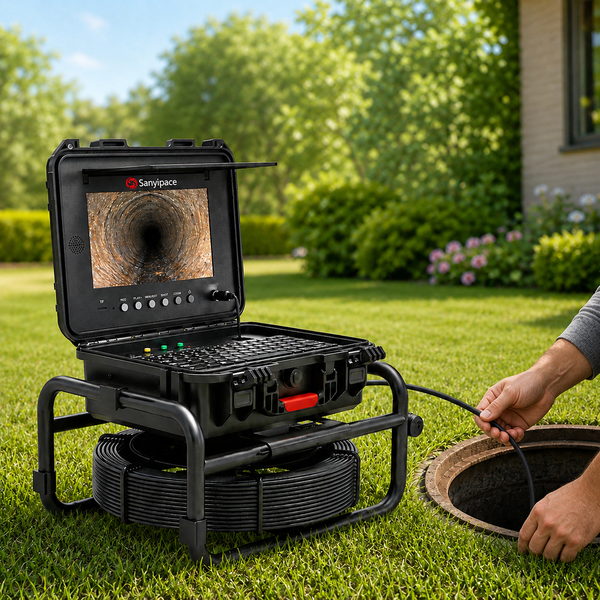
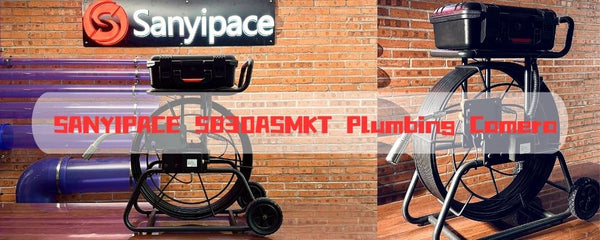
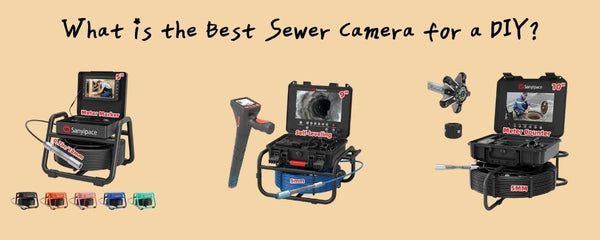
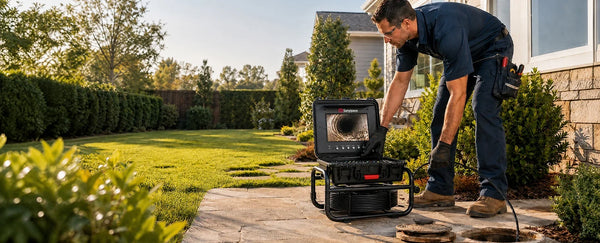
Many homeowners purchase a DIY sewer camera for home use. Whenever minor drainage issues arise, they can conduct preliminary inspections themselves. If the problem can be resolved independently, they address it on their own; otherwise, they can contact professionals for further investigation. This approach saves multiple inspection fees when minor issues are detected early.
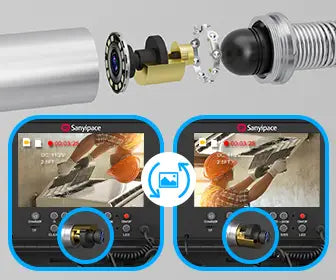
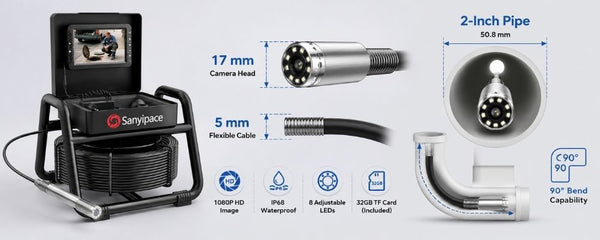
Modern DIY sewer cameras feature recording capabilities and high-definition lenses. Compact and user-friendly, they are well-suited for beginners.
Related reading: Rental Vs Buy Sewer Camera: Which Is Better Value?


Deja un comentario