






Do I Need a Sewer Inspection When Buying a House? (The ROI-Driven Guide)
Buying a house comes with a long checklist. Most buyers obsess over the roof, foundation, and HVAC system while completely ignoring the underground infrastructure.
Do you actually need a plumbing camera inspection before closing? Yes. Skipping it is one of the most devastating financial gambles a homebuyer can take.
A standard home inspector will not check your sewer line. They only run indoor faucets to look for surface-level leaks under the sink; they lack the equipment to inspect underground pipes.
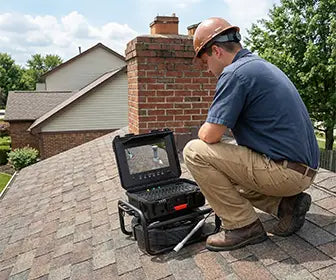
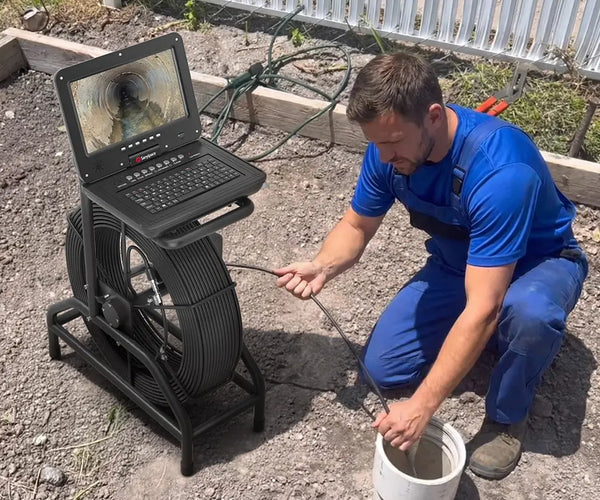
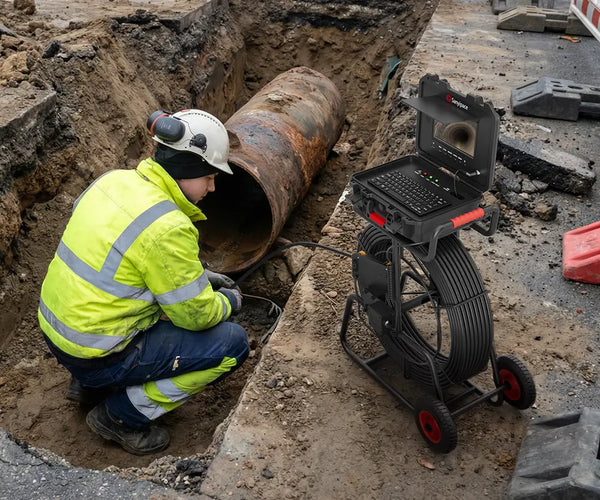
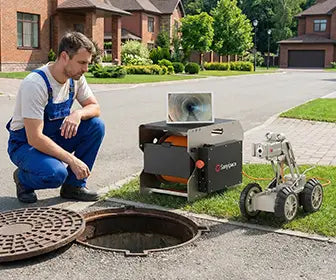
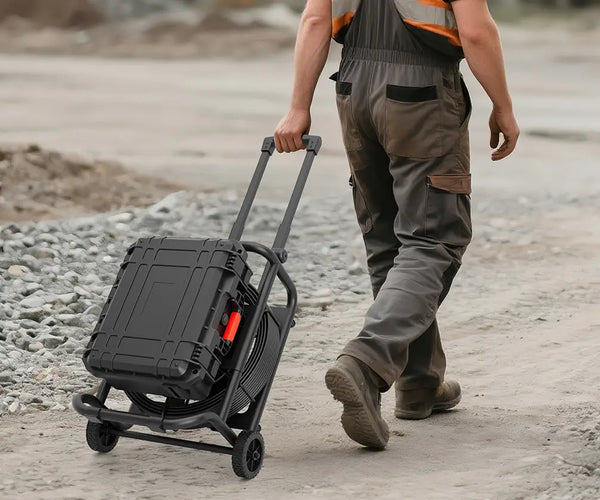
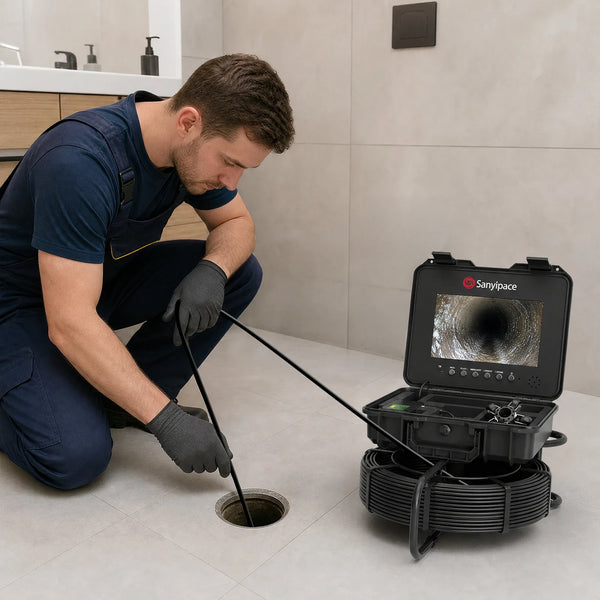
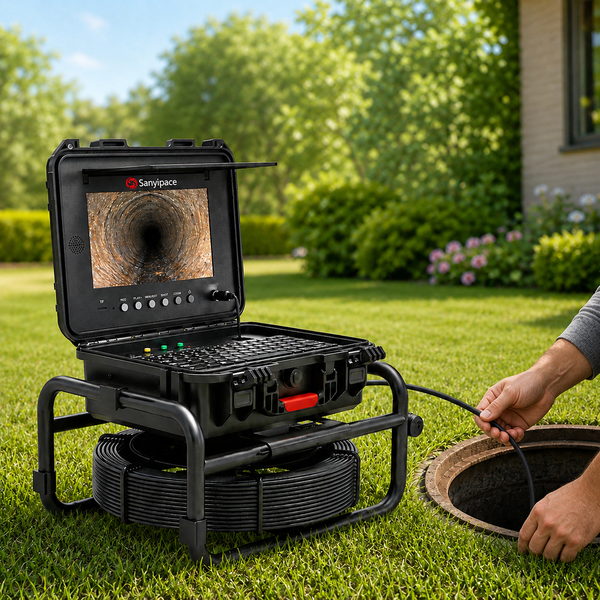
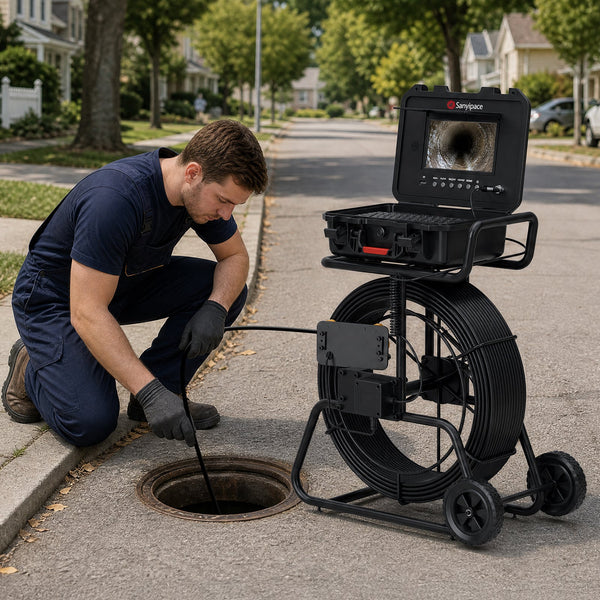
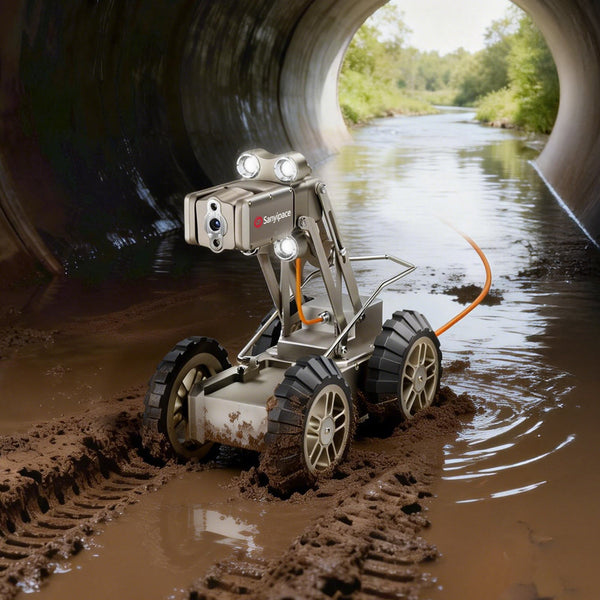
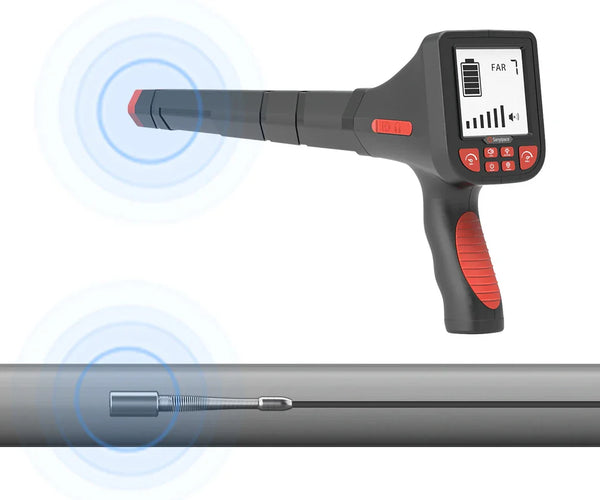
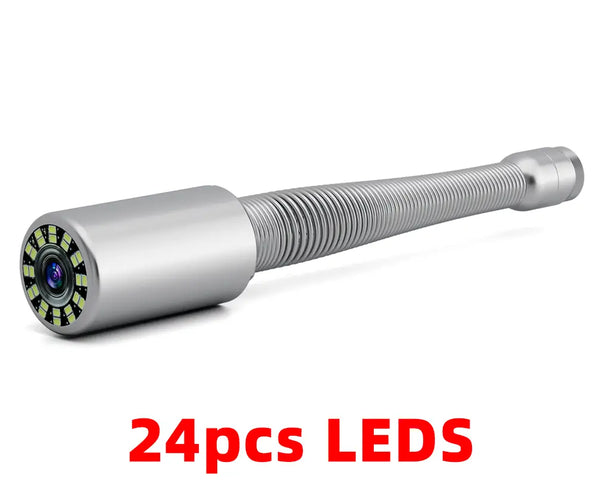
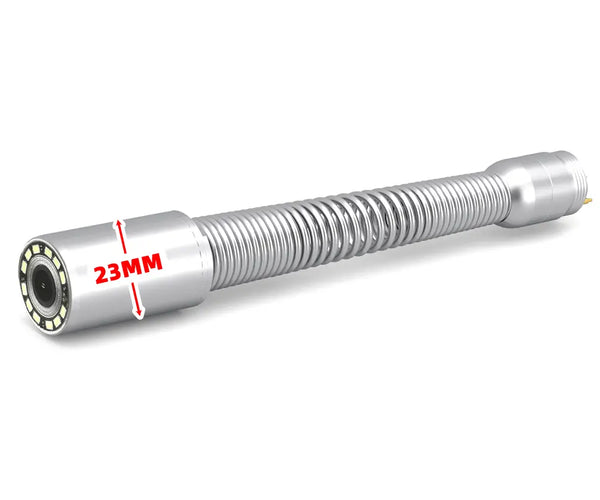
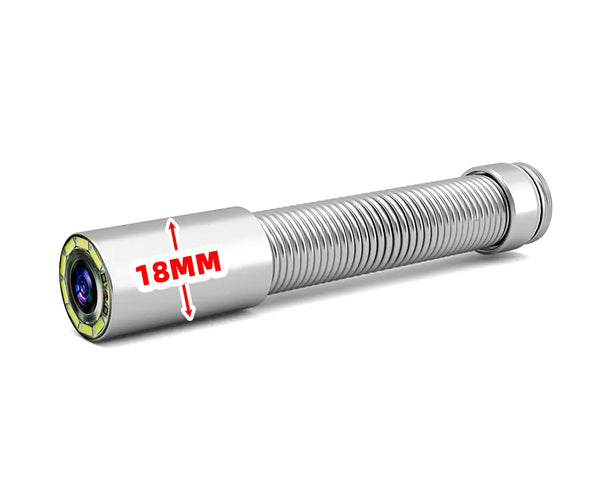
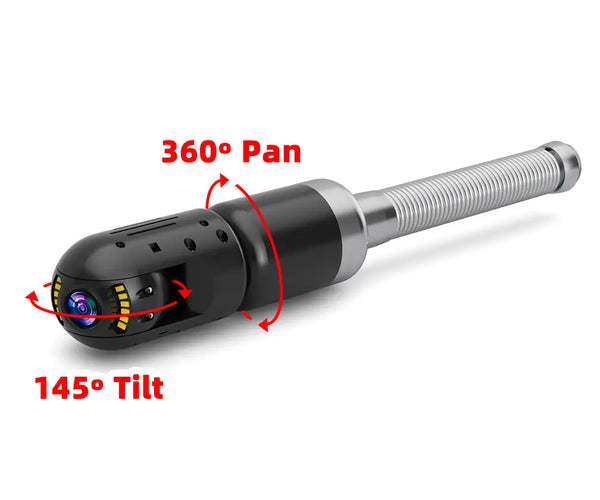
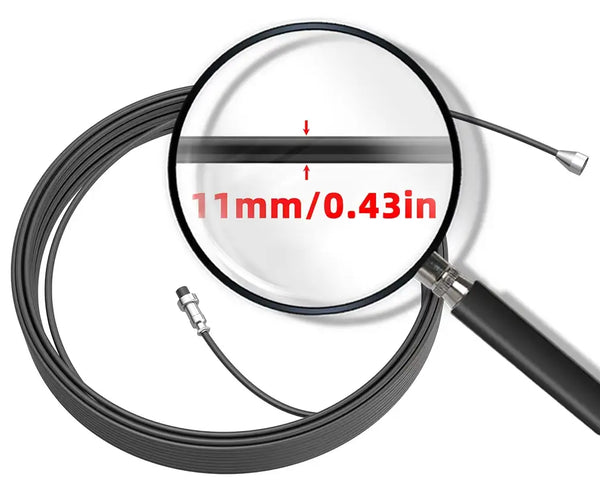
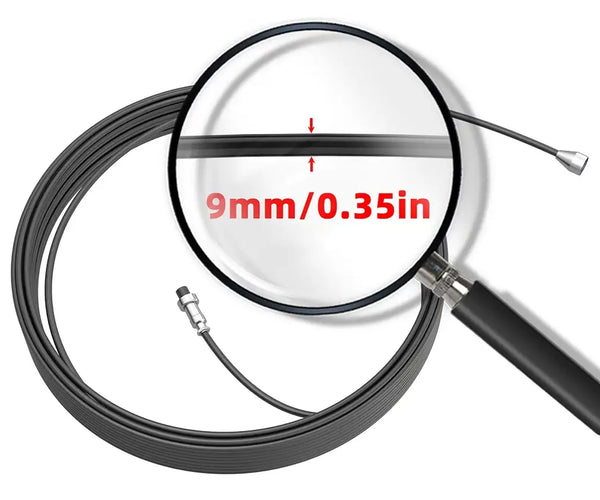
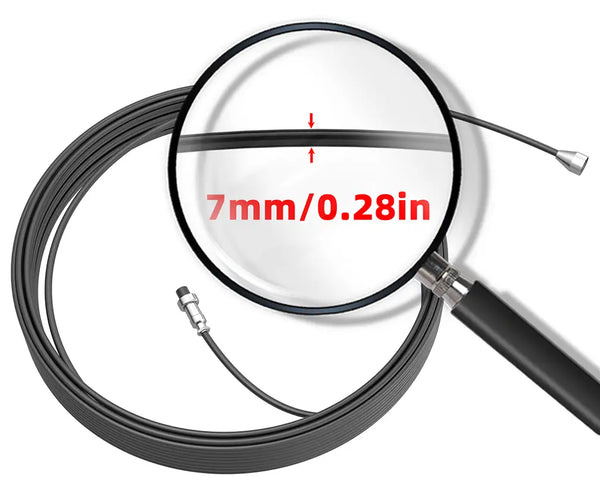
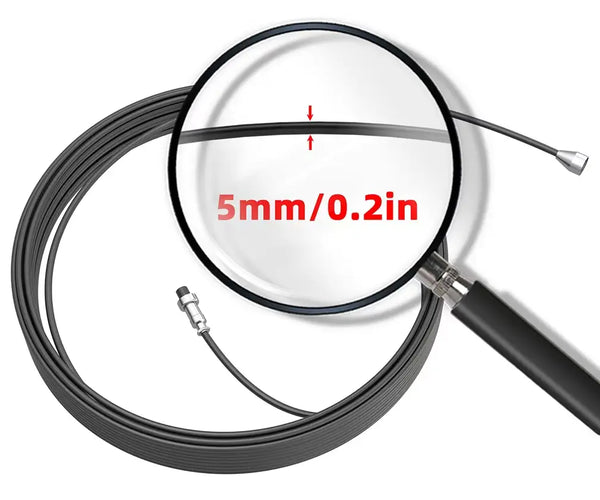
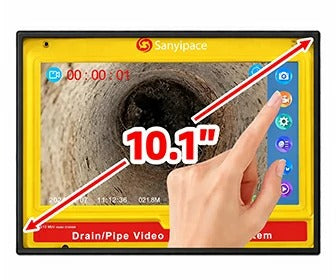
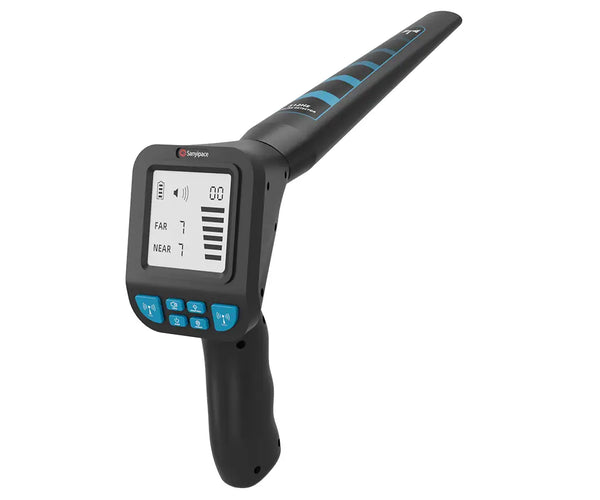
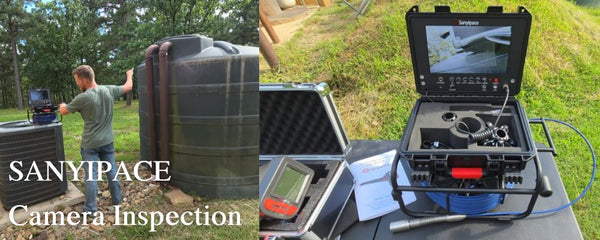
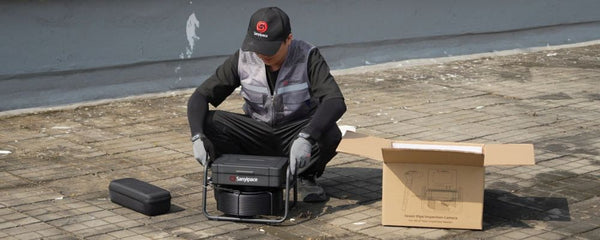
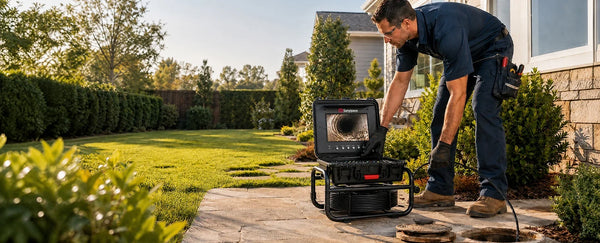
To protect your investment, you must perform a dedicated "sewer camera scope" before your inspection period ends. While you can hire a plumbing professional for this, many people also purchase a pipe camera with video recording capabilities to perform their own inspections. Either way, running a specialized camera through the main drainpipe is the only way to know if you are buying a safe home or blindly inheriting a $10,000+ excavation nightmare.
The Hard Math: Inspection Costs vs. Replacement Disasters

Let’s look at the actual numbers. Hiring a certified professional to run a camera down the main sewer line typically costs between $250 and $400.
Compare that upfront fee to the catastrophic cost of an emergency excavation. Replacing a collapsed main line easily ranges from $7,000 to over $25,000, depending on how much concrete or landscaping needs to be torn up.
Finding a compromised pipe before you sign the closing documents gives you immense negotiation leverage. You can demand the seller fix the issue before moving in, or request a cash credit at closing to cover the future repair. This dynamic makes a simple camera scope the highest ROI investment of your entire home-buying journey.
4 Major Red Flags That Make an Inspection Non-Negotiable

While every prospective home should be scoped, certain property features elevate the risk from a mere possibility to a high probability.
1. Homes Built Before the 1980s
Older infrastructure is a ticking time bomb. Houses built decades ago rely on clay, cast iron, or highly fragile Orangeburg (essentially compressed tar paper) pipes. These materials have naturally reached the end of their lifespan, becoming brittle and highly prone to collapsing.
2. Mature Trees on the Property
Those beautiful oak trees in the front yard are actively seeking water. Tree roots possess a biological drive to find moisture and nutrients, making the tiny seams and hairline cracks in older sewer lines their primary target. In fact, aggressive roots cause over 50% of all severe pipe blockages.
3. Unusually Lush Patches of Grass
A random, overly green, and extra-soft patch of grass in the yard is not a sign of great landscaping. Raw sewage acts as a highly effective underground fertilizer. That lush spot usually sits directly above a leaking pipe that is actively draining waste into the surrounding soil.
4. "Flipped" Homes with Shiny New Plumbing
Do not let brand-new PEX or copper pipes inside the house fool you. House flippers frequently upgrade the visible indoor plumbing to boost aesthetic appeal, but they almost always ignore the aging, original underground line connecting the house to the municipal sewer system.
What Exactly Does a Sewer Camera Reveal?

Running a scope takes the guesswork out of the equation. Getting a visual on the underground system allows you to accurately assess the property's health:
-
Pipe Material & Lifespan: Identifying exactly what your pipes are made of helps predict future maintenance requirements and total lifespan.
-
Structural Failures: The pipe camera clearly exposes cracks, complete collapses, or "bellies" (sagging sections of the pipe) where wastewater pools instead of draining.
-
Hidden Intrusions: You get a crystal-clear visual of dense grease buildup, massive root nets, or foreign objects before they trigger a sewage backup into the living room.
Pro Inspection vs. DIY: The Smart Homebuyer's Strategy

Your approach to sewer inspections should adapt depending on where you are in the real estate transaction.
During the Buying Process: Always hire a certified professional before closing. Real estate negotiations require an official, unbiased report to legally request repair credits or price reductions from the seller. A DIY video usually will not hold up at the negotiation table.
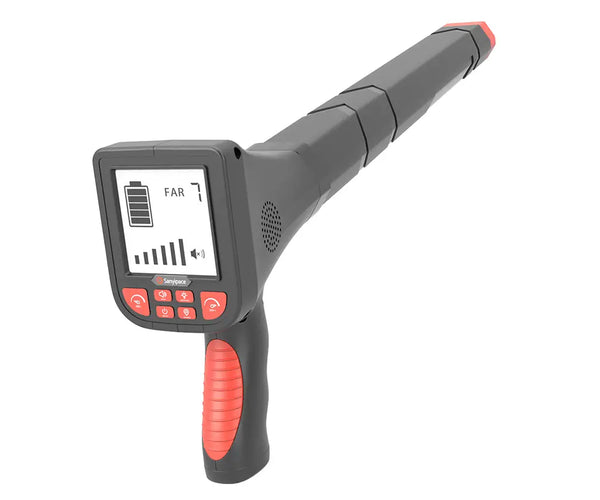
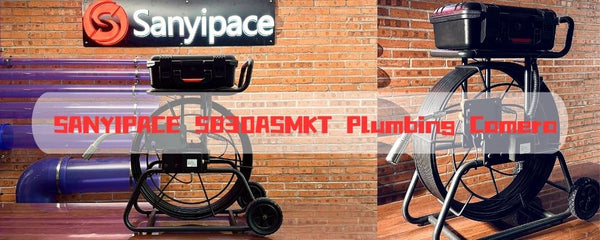
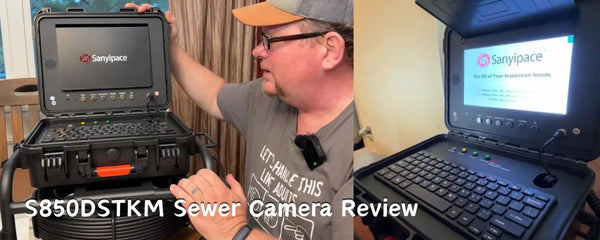
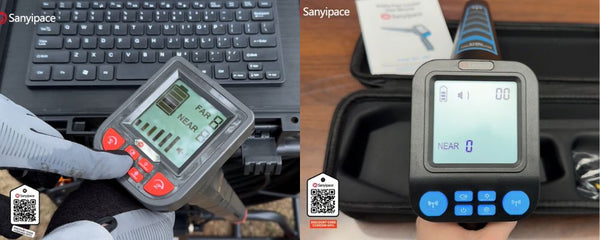
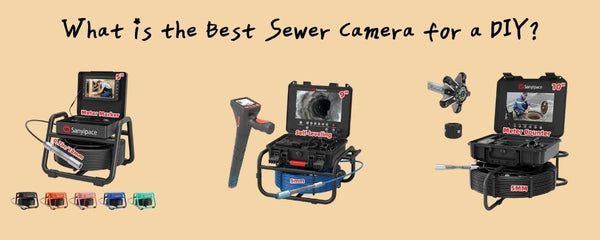
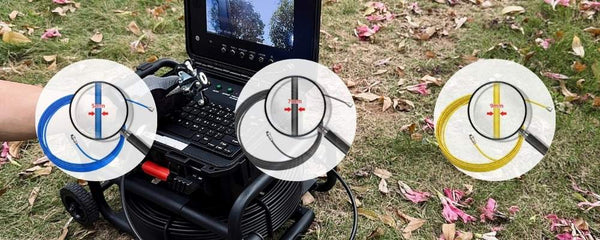
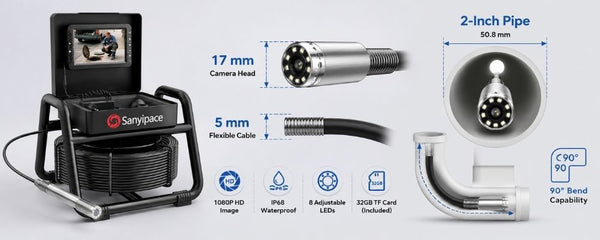
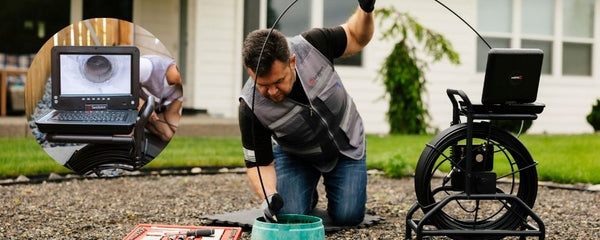
After You Move In: Once the house is yours, paying a plumber $300 every year just to "check on things" is a massive waste of money. This is where owning a personal sewer camera makes perfect financial sense. By investing around $200 in a DIY-friendly sewer camera—like the highly rated models from Sanyipace—you gain permanent, free "X-ray" vision for your plumbing. You can run routine checks every spring to spot aggressive root growth early, keeping you entirely in control of your home maintenance.

Secure Your Investment
Protecting a six-figure real estate investment requires looking below the surface. Spending a few hundred dollars during your due diligence period guarantees you won't inherit someone else's plumbing nightmare. Schedule a scope before your inspection window closes, and equip yourself with the right DIY tools to maintain your new home's health for decades to come.
Frequently Asked Questions

Q: Who Pays for the Sewer Inspection, the Buyer Or the Seller?
A: The buyer. Just like a standard home inspection, you pay for the sewer scope out of pocket during your due diligence period. However, if the inspection reveals a broken line, you can use the official report to negotiate a price reduction or closing credit, ultimately shifting the repair financial burden to the seller.
Q: How Long Does a Sewer Camera Inspection Actually Take?
A: Very little time. A professional inspector can typically complete the entire scope, evaluate the footage, and provide you with a verbal assessment in 30 to 60 minutes.
Q: If the Pipe Is Damaged, is the Seller Legally Obligated to Fix It?
A: No. Sellers are not legally required to repair a damaged line. However, a collapsed sewer is a material defect. If you walk away from the deal, the seller must typically disclose this known defect to all future buyers. This reality gives you massive leverage to negotiate a favorable compromise.
Related reading: What is the Best Sewer Camera for a DIY?


Hinterlassen Sie einen Kommentar