

















What Are the Types of Sewer Pipes? Materials and Common Problems
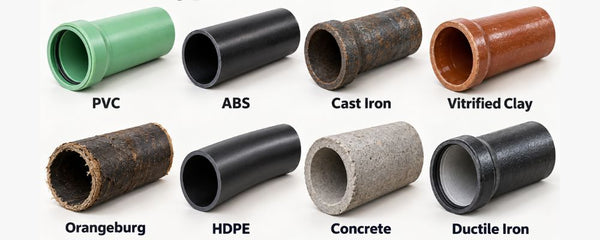
Sewer pipe materials include PVC, ABS, cast iron, vitrified clay, Orangeburg, HDPE, concrete, and ductile iron. Among these, concrete, vitrified clay, and cast iron pipes were once commonly used in sewer systems, but today plumbers increasingly prefer modern materials such as PVC, PP, HDPE, or ABS because they offer a long service life, are lightweight, provide excellent hydraulic performance, and are corrosion-resistant.
Understanding pipe materials helps in analyzing potential issues inside the pipes. Rough cast-iron inner walls, misaligned vitrified clay pipe joints, and deformed Orangeburg pipes can all cause different problems. This guide will cover the main types of sewer pipes, how to identify them, and what to focus on during inspections.
What Are the Main Types of Sewer Pipes?
Sewer pipes are primarily divided into 8 types. You can refer to our table to learn about the characteristics of each material.
| Pipe material | Where you may encounter it | Main characteristic |
|---|---|---|
| PVC | Residential sewer lines and replacement sections | Lightweight plastic with a smooth interior |
| ABS | Residential drain, waste, and vent systems | Usually black plastic |
| Cast iron | Older sewer lines and building drainage systems | Heavy, rigid metal |
| Vitrified clay | Older residential laterals and municipal sewers | Fired ceramic material |
| Orangeburg | Some older underground residential lines | Bituminous fiber material |
| HDPE | Sewer replacement projects and pressure systems | Flexible polyethylene pipe |
| Concrete | Larger municipal sewer lines | Rigid pipe designed for substantial loads |
| Ductile iron | Pressure sewer lines and other demanding applications | Strong metal with greater ductility than traditional cast iron |

1. PVC Sewer Pipes
PVC, or polyvinyl chloride, is widely used in sewer and drainage systems. It is lightweight, corrosion-resistant, and has a smooth interior that helps wastewater flow.
However, a smooth plastic pipe can still have drainage problems. Poor support, ground movement, or damaged connections may leave a line cracked, displaced, or holding water. During inspection, the joints and the shape of the pipe matter as much as the material itself.
2. ABS Sewer Pipes
ABS stands for acrylonitrile butadiene styrene. It is another lightweight plastic used in drainage systems and is usually black, while residential PVC drainage pipe is often white.
Both materials resist rust, but color alone is not enough to identify an underground line. Pipe markings and installation records provide better evidence, especially when the interior is covered by deposits. The EPA lists PVC, ABS, and polyethylene among plastics used in wastewater piping.
3. Cast Iron Sewer Pipes
Cast iron is a heavy, rigid material found in many older drainage systems. It also remains in use in modern buildings, so finding cast iron does not automatically mean the pipe needs replacement.
In a deteriorating line, corrosion and internal buildup can make the walls rough and reduce the available opening. An inspection should distinguish surface deposits from visible cracks or material loss rather than treating every rusty-looking section as a failed pipe.
4. Vitrified Clay Sewer Pipes
Vitrified clay pipe is made by shaping and firing clay at high temperatures. It resists corrosion and remains a sewer pipe material in use today.
For an older clay line, the connections between sections deserve close attention. Cracked sections, displaced joints, or deteriorated connections can create openings for roots and groundwater. Root intrusion is not exclusive to clay; it can affect other pipe materials when an entry point develops.
5. Orangeburg Sewer Pipes
Orangeburg is a name commonly used for bituminous fiber pipe, a legacy material found in some older homes. Unlike clay or metal, it consists of fiber material bound with bitumen.
As it deteriorates, the pipe may flatten, lose its round shape, or develop deformation along the bottom. Ann Arbor’s municipal guidance notes that the interior can deteriorate even while the outside remains circular. Camera footage may reveal these patterns, although further investigation may be needed to confirm the material.
6. HDPE Sewer Pipes
HDPE, or high-density polyethylene, is a flexible plastic used in sewer systems and replacement projects. Sections can be joined through heat fusion, creating a continuous pipe when the work is performed correctly.
HDPE is frequently used in pipe bursting, where replacement pipe is pulled through the route of an existing line. Its flexibility and joining method make it different from rigid pipes assembled in shorter sections.
7. Concrete Sewer Pipes
Concrete pipe is more relevant to larger municipal systems than to typical household drains. Reinforced concrete pipe is used in gravity sewers, while other concrete pipe designs serve pressure applications.
Inspection focuses on the condition of the wall and joints, including visible cracks, displaced connections, and surface deterioration. A large diameter does not necessarily mean the pipe is clear or easy to inspect.
8. Ductile Iron Sewer Pipes
Ductile iron is stronger and more able to deform without cracking than traditional cast iron. It is used where pressure and mechanical strength are important.
Protective coatings or linings help manage corrosion, but performance still depends on the surrounding conditions and installation. Ductile iron and cast iron should therefore be treated as distinct materials when reviewing pipe records or inspection findings.
How Can You Identify Your Sewer Pipe Material?
Start with the information already available about the property, then compare it with what can be seen in accessible pipe sections or inspection footage. The age of a house can suggest which materials might be present, but repairs and extensions often leave a sewer line with more than one type of pipe.
1. Check Plumbing and Repair Records

Previous inspection reports, installation records, and sewer replacement invoices may identify the material and show which sections were replaced. A record of PVC replacement work, for example, does not necessarily mean the entire line is now PVC.
For properties with older drainage systems, our guide to sewer inspections in older homes explains why checking the remaining original sections can be useful.
2. Look for Markings on Accessible Pipe Sections
Exposed pipes may carry a manufacturer’s name, material designation, or size marking. These details are more reliable than color alone.
White plastic may suggest PVC, while black plastic could be ABS or polyethylene. Likewise, the material visible at a cleanout may differ from the pipe farther underground. Treat that visible section as one piece of evidence rather than proof of what the whole line contains.
3. Compare the Records with Camera Footage

A sewer camera can reveal changes in surface texture, joint design, and pipe shape along the route. These clues may help an experienced inspector recognize a material transition or identify a likely pipe type.
However, deposits, standing water, and repair linings can hide the original surface. Ann Arbor’s guidance on Orangeburg piping notes that video inspection may provide identification clues, including characteristic damage patterns, rather than definitive confirmation in every case.
If the material remains uncertain, record it as uncertain. A repair decision should not depend on a guess based on one frame of video.
What Problems Should You Look for in Different Sewer Pipes?
Once the likely material is known, the next step is to examine its condition. Pay attention to whether the opening is restricted, the joints remain aligned, and the pipe wall shows visible damage.
The following observations can help organize an inspection:
| Pipe material | Visible issues to check | Details worth recording |
|---|---|---|
| PVC and ABS | Cracks, displaced connections, deformation, or standing water | Whether the problem is isolated or continues along the line |
| Cast iron | Heavy deposits, rough surfaces, visible cracks, or material loss | How much of the opening is restricted and whether the underlying wall is visible |
| Vitrified clay | Cracked sections, offset joints, or roots entering at connections | The affected joint and whether similar defects appear elsewhere |
| Orangeburg | Flattening, an uneven bottom, or inward deformation | Changes in the pipe’s shape and usable opening |
| HDPE | Deformation, damaged connections, or obstructions | Whether the restriction occurs at a connection or within a pipe section |
| Concrete and ductile iron | Visible wall deterioration, cracks, joint defects, or lining damage where present | The location and extent of the affected area |
These issues are not exclusive to a particular material. Grease and debris can obstruct different pipe types, while roots may enter wherever a suitable opening develops.
It also helps to separate an observation from its possible cause. Standing water may suggest a low section, but it can also result from a downstream restriction. Roots show an entry point exists; they do not, by themselves, reveal the full extent of damage outside the pipe.
Record the footage, the distance from the access point, and any limits to visibility. If buildup hides the wall, further assessment or appropriate cleaning may be needed before its condition can be judged.
How Can a Sewer Camera Help Inspect Different Pipe Materials?

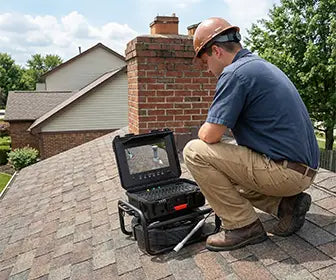
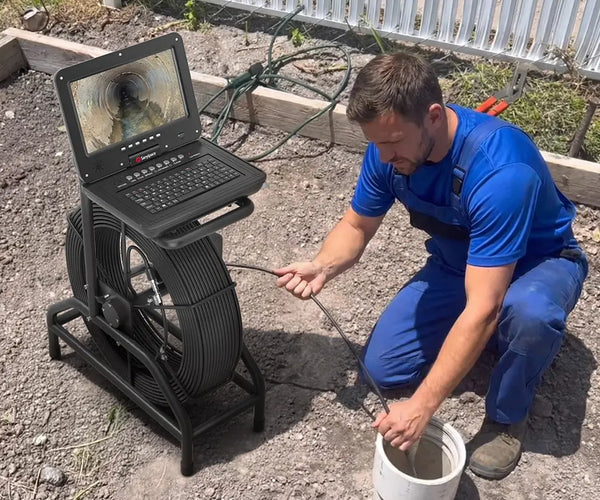
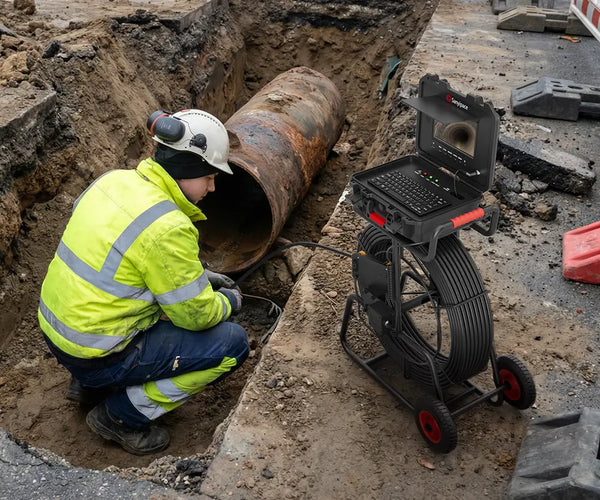
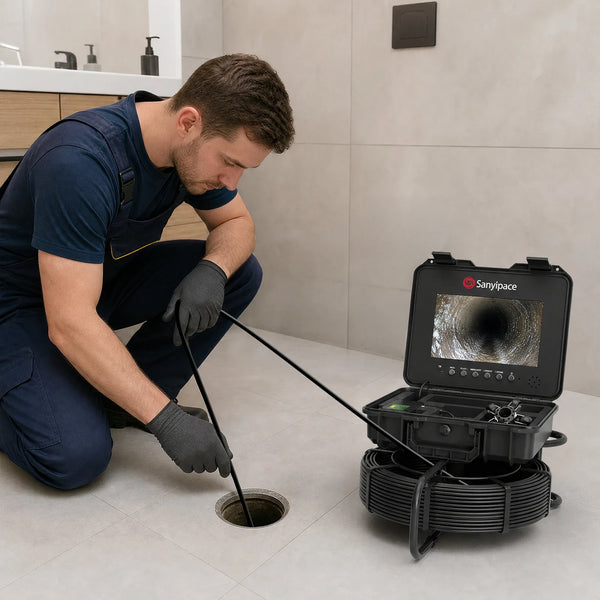
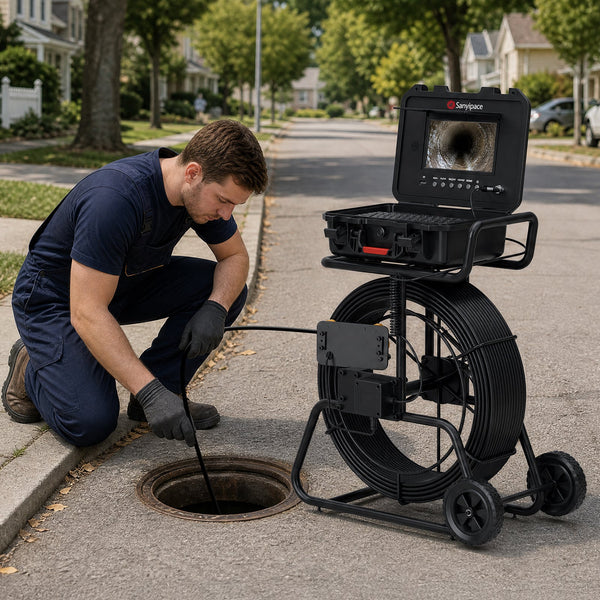
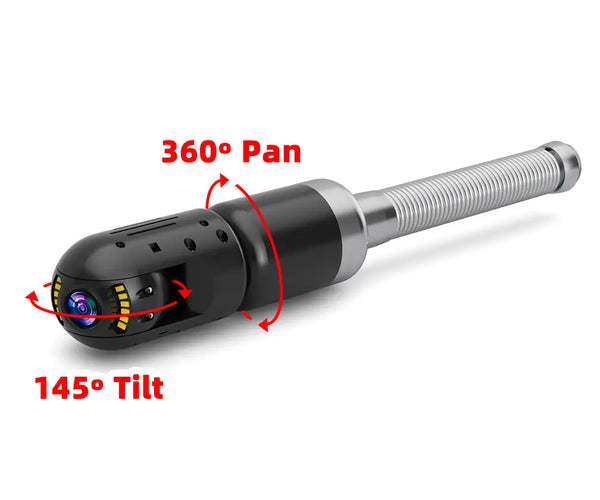
A sewer camera provides a view inside an accessible line without first exposing the entire pipe. It can help show whether a drainage problem involves deposits, roots, damaged joints, or a visibly deformed section.
Its usefulness depends on both the equipment and the conditions inside the pipe.
1. Match the Camera to the Inspection Route
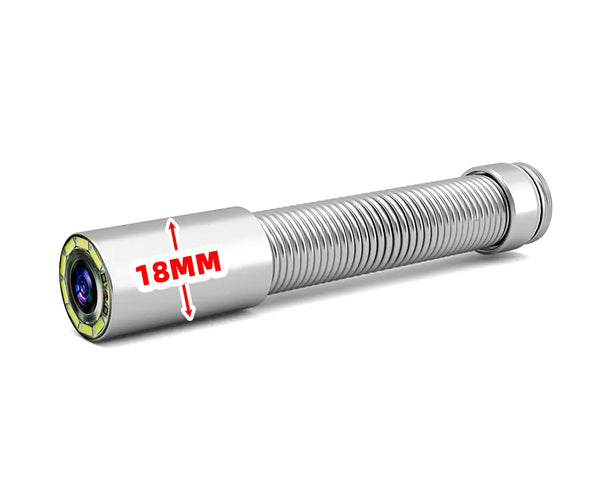
Pipe material affects how a camera moves, but it is only one part of equipment selection. The smallest clear opening, bends, access point, and inspection distance also matter.
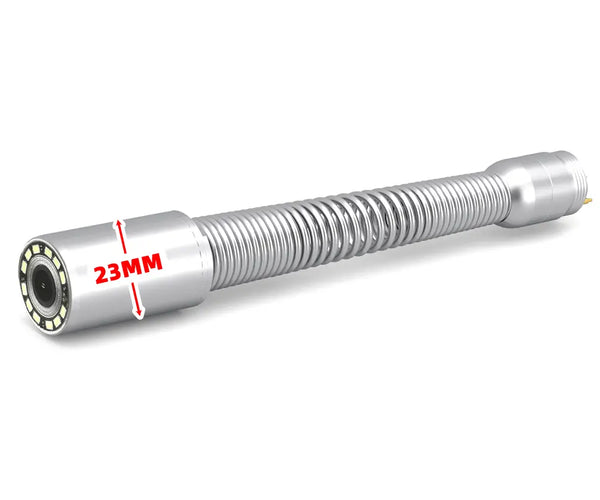
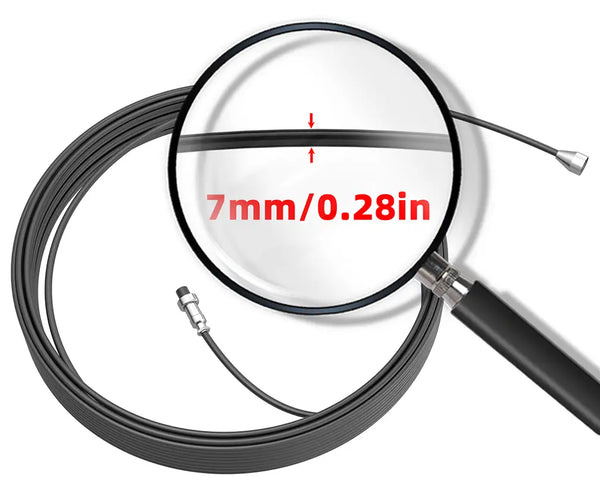
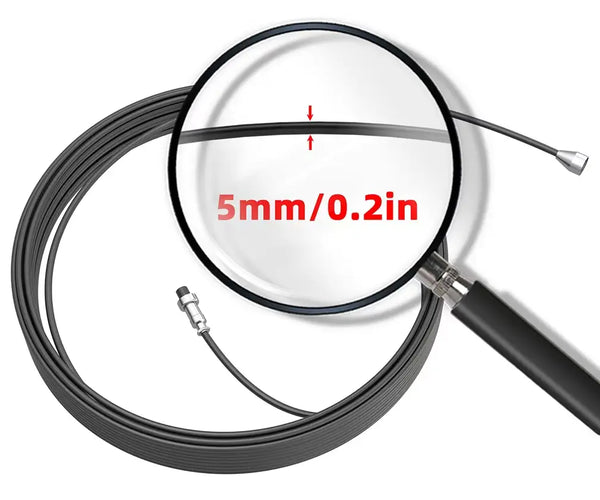
A camera that travels easily through an open plastic line may struggle in a pipe of the same nominal size when deposits or displaced joints reduce the clearance. Check the complete camera assembly, including any protective guide, rather than the bare head diameter alone.
Our sewer camera size guide explains how head size, cable flexibility, and pipe layout affect the choice.
2. Capture a Useful Inspection Record
Move slowly enough to examine joints and changes in the wall. When something unusual appears, pause and record both a close view and the surrounding section.
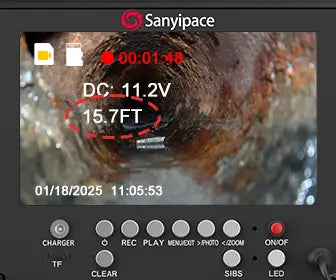
A meter counter, where fitted, provides a reference distance from the entry point. Note where it was zeroed and save the footage so the finding can be reviewed later. This gives a plumber more useful information than a description such as “there seems to be a crack somewhere.”

3. Understand What the Footage Cannot Confirm
A standard visual inspection shows exposed internal surfaces. It does not measure the remaining wall thickness or reveal the supporting soil outside the pipe. Dirty water, deposits, and obstructions may also prevent parts of the line from being assessed. The EPA distinguishes these visual observations from the additional methods needed to evaluate pipe-wall integrity and surrounding conditions.
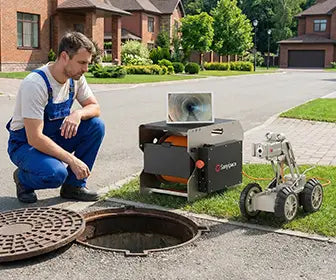
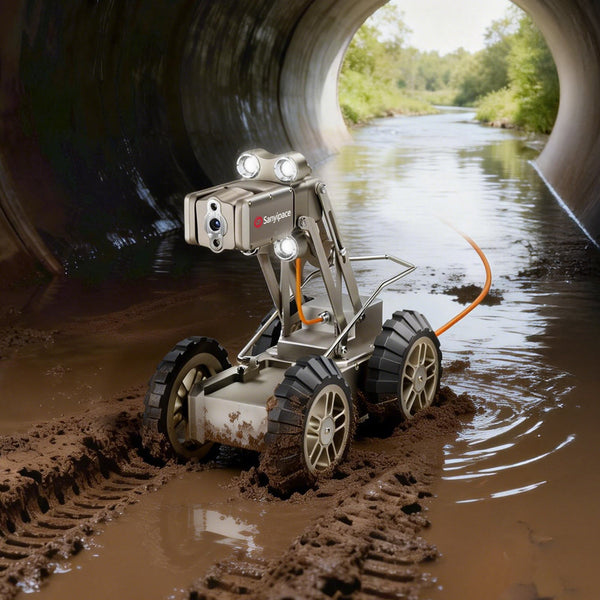
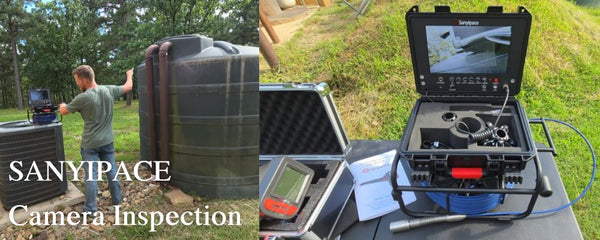
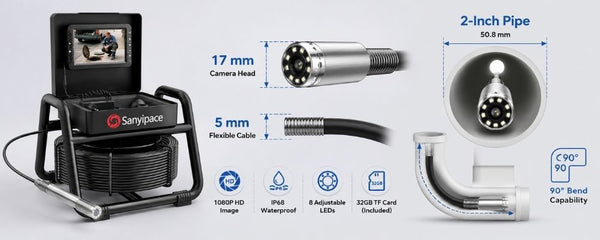
For homeowners and plumbers choosing equipment, the SANYIPACE sewer camera range offers different configurations to match the access, bends, and distance involved. Knowing the likely pipe material helps narrow the choice; checking the actual route determines whether a system is suitable.
 Conclusion
Understanding sewer pipe materials helps you make sense of inspection findings, but the material alone does not tell you whether a line needs repair. Its condition, connections, and ability to carry wastewater matter too.
Start with the available records, compare them with visible pipe sections, and use pipe camera footage to investigate areas of concern. Where the view is incomplete, or the material remains uncertain, further assessment can help establish what needs attention before choosing a repair method.
FAQs
1. How Long Do Sewer Pipes Last?
Many sewer pipes have an estimated lifespan of 50–100 years, depending on the material, installation quality, soil conditions, wastewater exposure, and previous damage. Some fail sooner, while others remain in service longer. This range cannot tell you how many years a particular line has left; inspection findings provide a better basis for assessing its current condition.
2. Are Sanitary Sewer Pipes and Storm Drain Pipes the Same?
They serve different purposes. Sanitary sewer pipes carry wastewater from toilets, sinks, showers, and other plumbing fixtures to a wastewater treatment system. Storm drain pipes collect runoff from roofs, streets, and paved areas; in separate municipal systems, that water commonly flows to local waterways.
Some communities use combined sewers, where wastewater and stormwater share the same pipes. Heavy rainfall can overwhelm these systems and cause combined sewer overflows. Pipe material alone does not identify the system: check drainage plans, connection records, or local utility information.
3. Can an Old Sewer Pipe Be Lined Instead of Replaced?
Yes, when its condition and layout allow it. Cured-in-place pipe lining, or CIPP, places a resin-impregnated liner inside the existing pipe and cures it into a new internal pipe. Many CIPP systems use a 50-year design life, although this is a design target rather than a guarantee for every installation.
Lining may be suitable for cracks and leaking joints, but it generally follows the existing pipe’s route. It does not correct a significant sag or restore the slope of a settled line. Severe deformation, major joint offsets, or collapsed sections may require repair or replacement before lining can proceed. A contractor should inspect and measure the line, assess cleaning and access requirements, and confirm that the proposed liner suits the defects found.
Related reading: What is the Purpose of a Drain Cleanout?


Deixe um comentário