




One Tool, Two Cameras: A Professional Review of the SANYIPACE S820TSMKTR
After years of running sewer inspections, one thing is clear: most traditional camera systems are built for only one type of job.
Small indoor drain lines need thin, flexible cameras that can pass tight bends.
Main sewer lines need rigid push rods, long range, and locating capability.
With a single-camera system, you are always forced to compromise. Either the camera is small enough for tight pipes but can’t push far, or it can go long distances but can’t get through small plumbing.
That’s why many plumbers end up owning two completely different camera systems — one for drains and one for sewers.
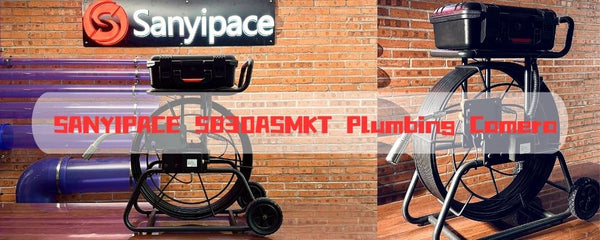
The SANYIPACE S820TSMKTR sewer camera was designed to eliminate that problem by combining both tools into one machine.
What Makes the S820TSMKTR Different From Standard Sewer Cameras
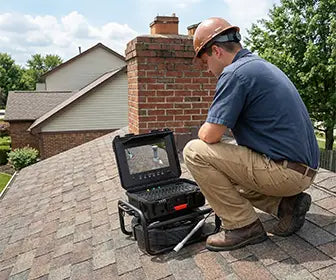
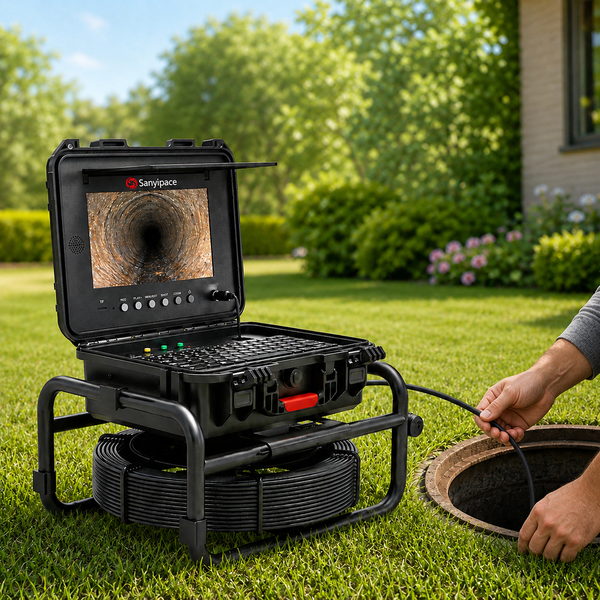
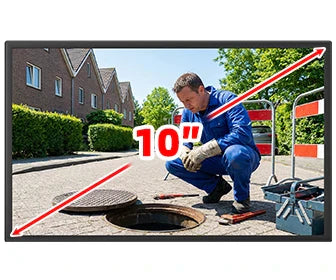
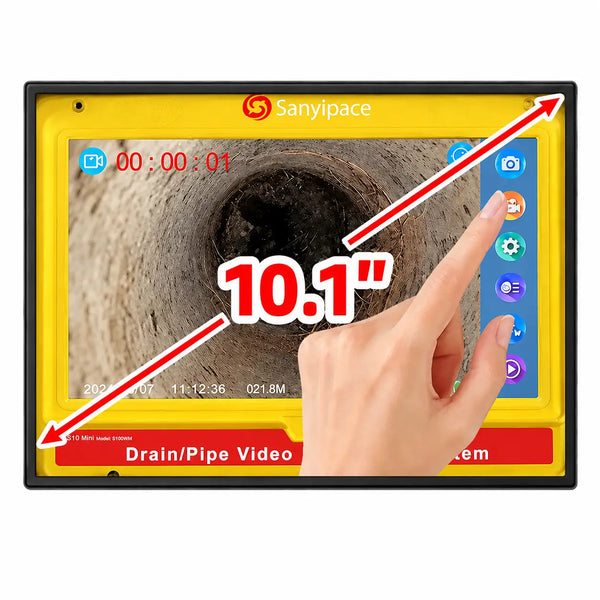
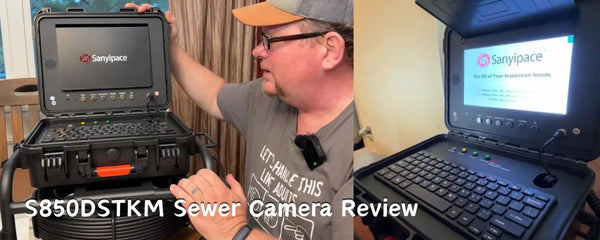
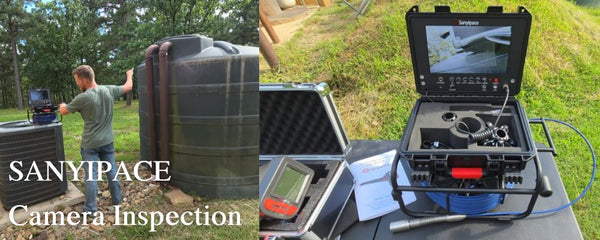
At a glance, the S820TSMKTR looks like a typical professional sewer camera system, with a rugged housing and a large 10-inch IPS HD monitor capable of displaying 1080p video.
But the real innovation is inside.
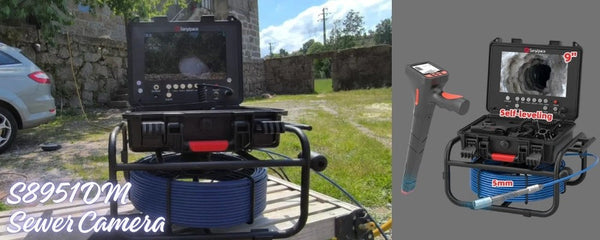
This system uses a dual-reel architecture, which means you are not locked into a single type of camera or cable. Instead, you get:
-
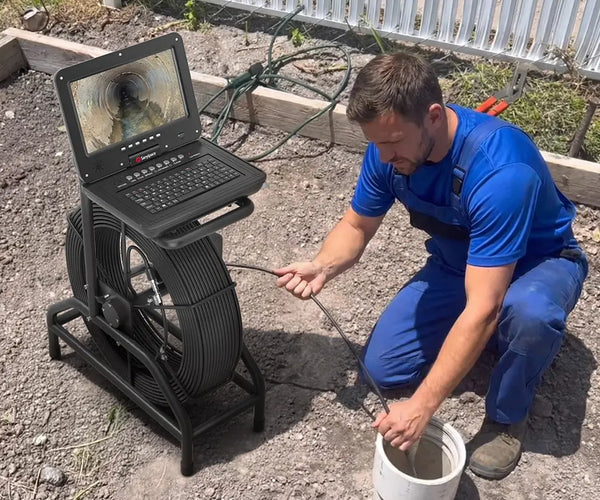
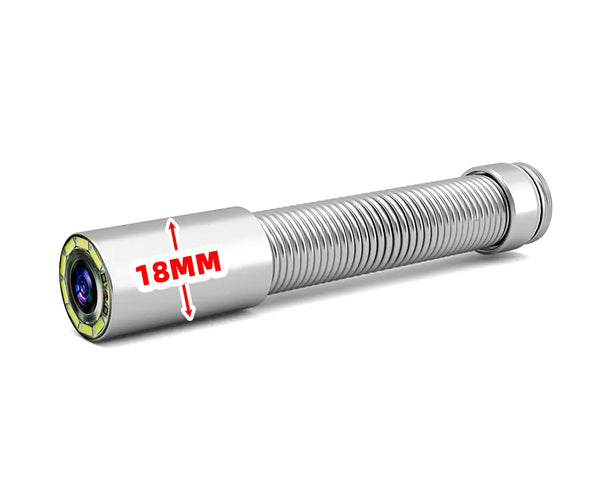
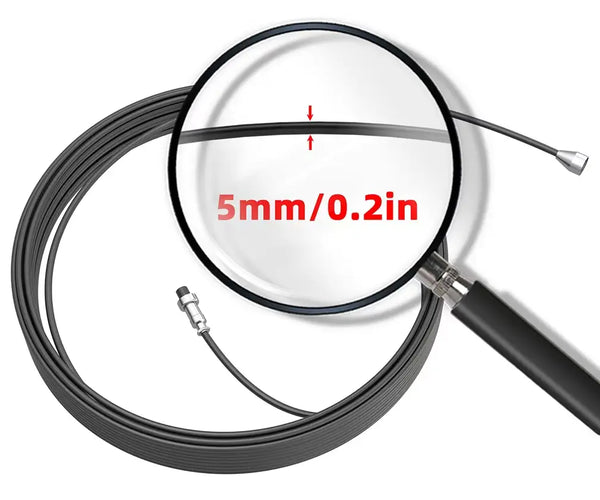
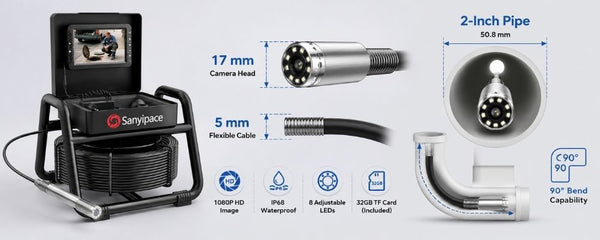
A 5 mm ultra-flexible cable with a 17 mm micro camera
-
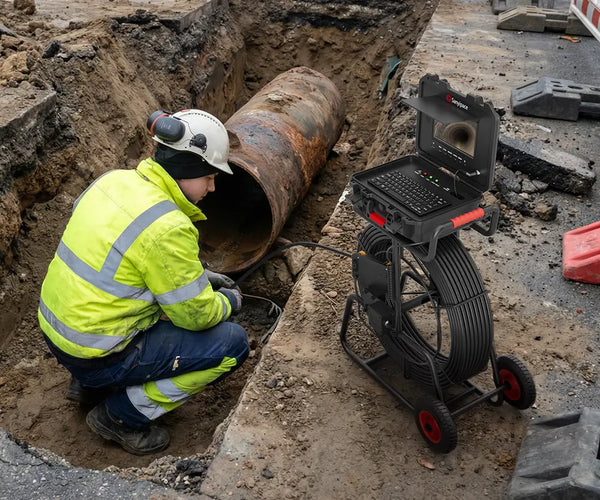
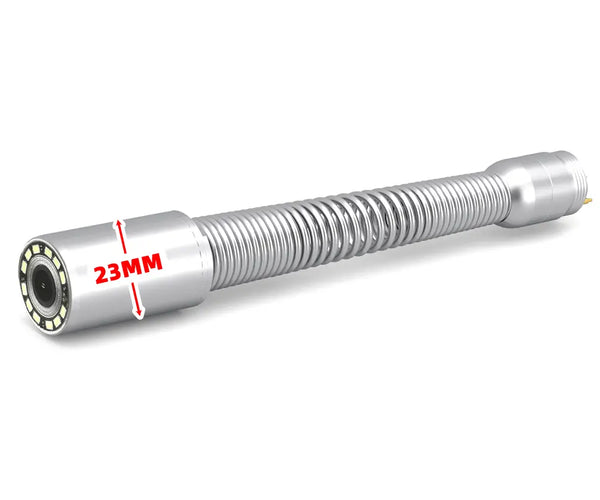
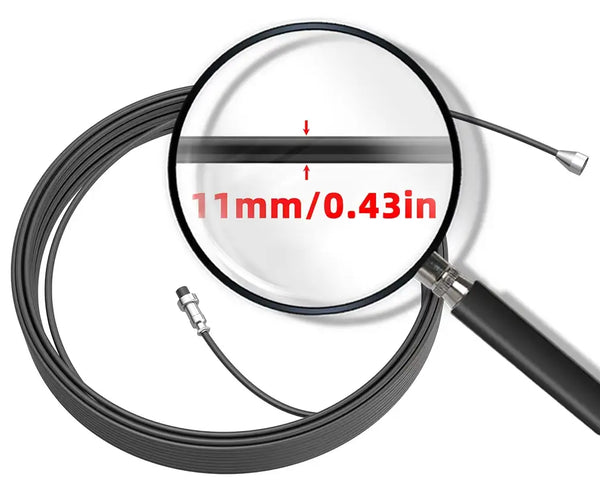
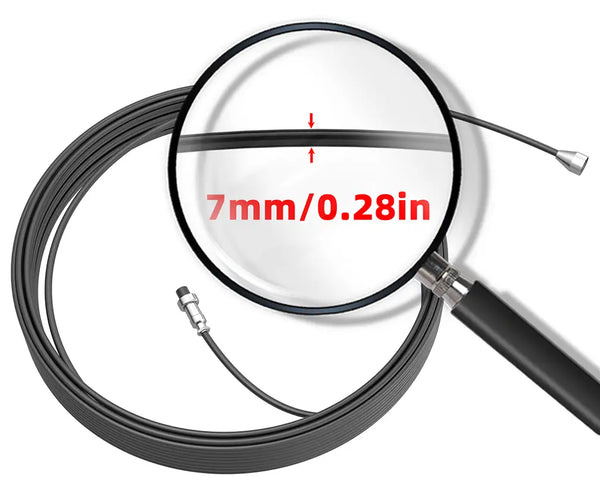
A 7 mm reinforced push cable with a 23 mm professional inspection camera
Both reels are permanently built into the same unit. With a single button press (F3), you can instantly switch between them.
In practice, this means:
-
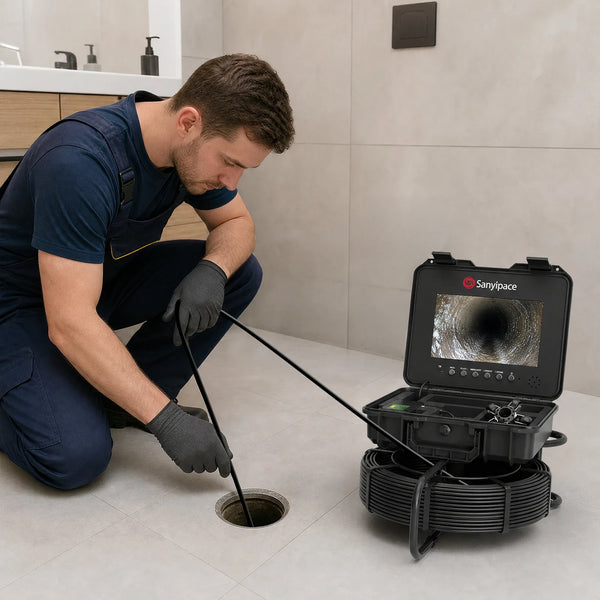
You can inspect a kitchen drain, bathroom line, or P-trap using the micro camera
-
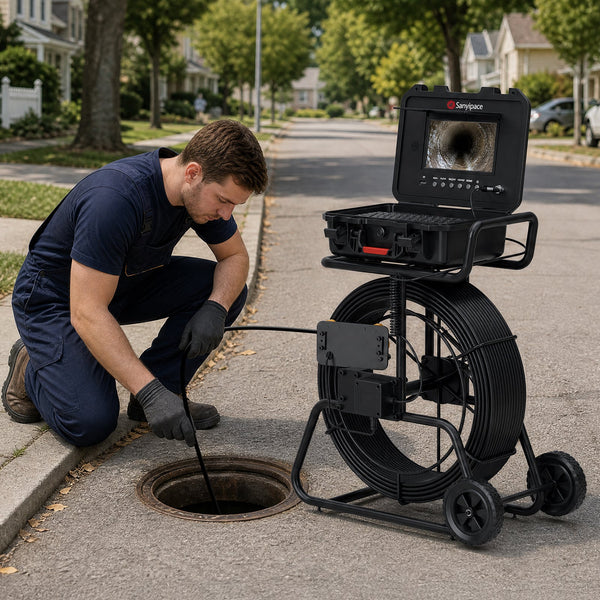
Then immediately switch to the push camera for the underground sewer line
-
Without changing machines, cables, or monitors
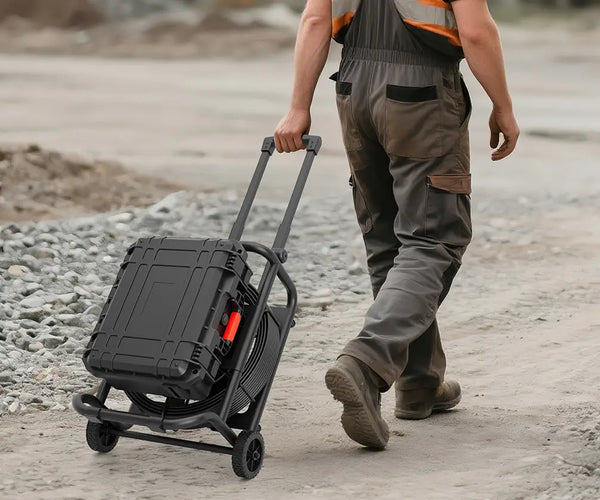
This design eliminates downtime, simplifies your workflow, and removes the need to carry multiple inspection kits.
How the Dual-Camera Setup Works in Real Inspections

The two cameras are not duplicates—they are purpose-built tools for different environments.
Micro Camera (Top Reel)
The 17 mm micro camera is designed for tight, complex plumbing systems.
It passes smoothly through:
-
90-degree elbows
-
multiple bends
-
narrow residential drain lines
It works in pipes as small as 2 inches (50 mm), making it ideal for:
-
sink drains
-
shower and tub lines
-
toilet connections
-
interior building plumbing
In my experience, this kind of flexibility is exactly what standard sewer cameras lack.
Standard Push Camera (Bottom Reel)
The 23 mm push camera is built for long-distance and underground inspection.
It includes:
-
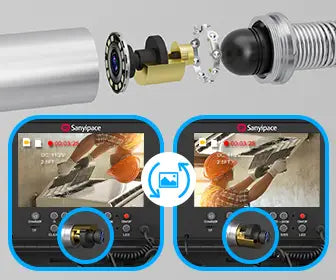
a self-leveling lens so the image always stays upright
-
a scratch-resistant sapphire-grade cover
-
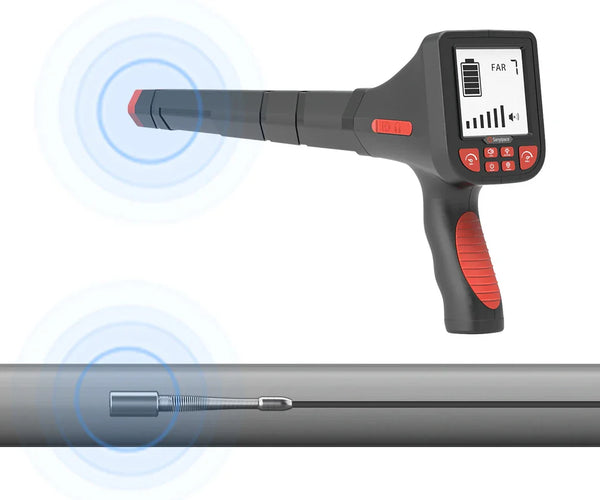
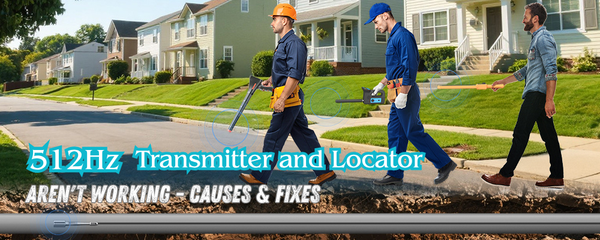
a built-in 512 Hz transmitter for precise locating
This camera is designed for:
-
main sewer laterals
-
outdoor drainage systems
-
municipal or commercial pipes
-
long straight runs that require a strong push force
Instead of trying to make one camera do everything poorly, SANYIPACE gives you two cameras that each excel at what they are supposed to do.
What Really Matters on the Job: Image, Lighting, and Self-Leveling

When you’re standing next to a cleanout with wastewater on the ground and a customer watching over your shoulder, you don’t care about marketing—you care about whether you can see the problem clearly and fast.
That’s where this system actually surprised me.
Both cameras on the S820TSMKTR give you clean, sharp 1080p video on a big 10-inch IPS screen, which is a big deal. You’re not squinting at a tiny monitor trying to guess whether that’s a crack, a root, or just a shadow.
The lighting is also dialed in:
-
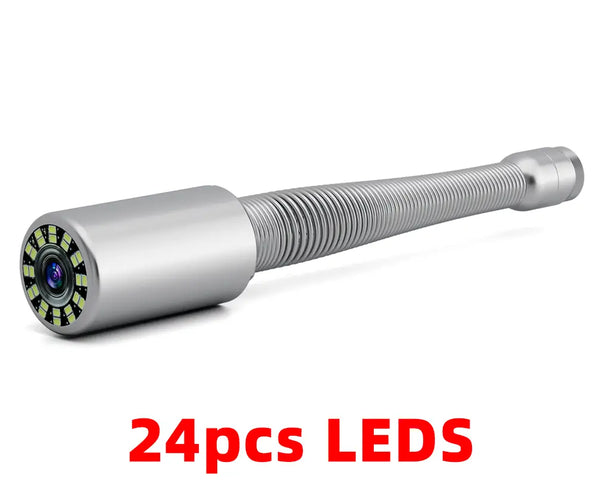
The small camera uses 8 LEDs
-
The main push camera uses 12 LEDs
-
Both give you five brightness levels
That means you can turn the lights down in reflective PVC or crank them up inside old clay or cast iron.
The self-leveling on the main camera is something I don’t work without anymore. When you’re pushing 50 or 100 feet into a sewer line, a camera that keeps rolling makes inspections slow and confusing. This one stays upright, so what you’re looking at on screen matches what’s really happening underground.
That saves time, and time is money.
Locating and Measuring: Where This System Really Pays for Itself

Finding the blockage is only half the job. The other half is telling the homeowner exactly where it is, so you don’t start jackhammering in the wrong place.
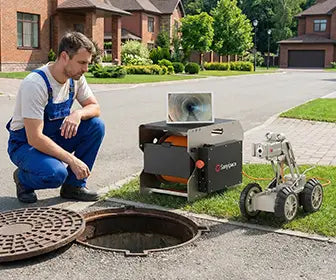
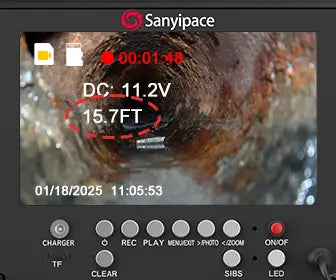
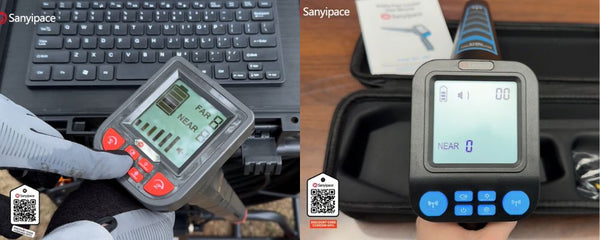
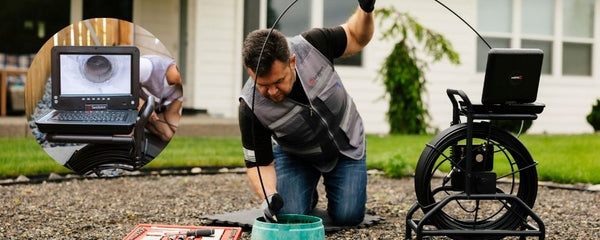
The built-in distance counter tracks how much cable you’ve pushed, which already gives you a good idea. But when you combine that with the 512 Hz transmitter and locator, that’s when it becomes a real professional tool.
You can:
-
Push the camera to the problem
-
Walk outside with the locator
-
Pinpoint where that camera head is underground
-
Mark the ground with paint
-
And dig once, not three times
That’s how you avoid turning a $500 job into a $5,000 mistake.
I’ve been on jobs where we didn’t have a locator, and it’s basically controlled guessing. With this system, you’re working with real data.
Recording and Showing Customers: A Huge Advantage

This is something homeowners don’t think about, but plumbers do.
This system records:
-
Video
-
Audio
-
Photos
-
Text notes
-
Distance
All tied together.
That means when I show a customer what’s wrong with their sewer line, I’m not just pointing at a screen—I’m giving them proof. Roots, cracks, offsets, bellies, collapsed sections—they can see it for themselves.
That does two things:
-
It builds trust
-
It makes approvals much easier
When customers can see the problem, they stop arguing about whether the repair is really needed.
Daily Use, Cleaning, and How It Holds Up in Real Work?

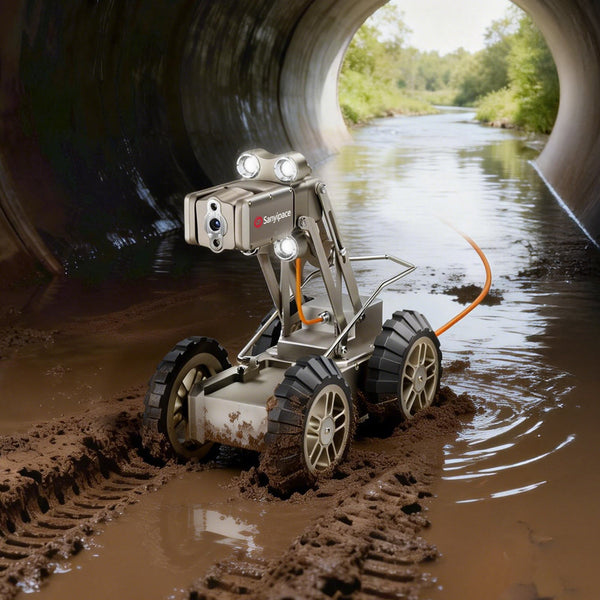
On real jobs, sewer cameras don’t live in clean studios — they live in mud, sewage, roots, and gravel.
What I like about the S820TSMKTR is that it’s built to be used hard.
After a job, cleanup is simple:
-
Pull the camera back
-
Remove the wheels
-
Rinse the camera and cable with clean water
-
Wipe the lens with a soft cloth
-
Let it dry and put it back in the case
That sounds basic, but a lot of cheaper cameras are a nightmare to clean. This one doesn’t trap dirt inside the reels, and the cables are thick enough that they don’t kink or twist after a few jobs.
That matters if you’re running inspections every week.
How Does This Compare to Other Sewer Camera Setups?
Most plumbers today fall into one of two setups:
Option 1: Cheap single-camera systems
They’re usually:
-
One cable
-
One camera
-
No self-leveling
-
No locator
-
Weak push rods
They’re okay for very basic drain checks, but useless for real sewer work.
Option 2: High-end pro systems (Ridgid, Milwaukee, etc.)
These systems are powerful, but:
-
They cost $6,000–$12,000
-
You often still need multiple camera heads
-
Accessories get expensive fast
The S820TSMKTR sewer camera sits right in the middle:
-
You get two cameras
-
Self-leveling
-
Locator support
-
Professional recording
-
At a fraction of the price
For small shops, solo plumbers, and even mid-size companies, this kind of setup makes a lot of financial sense.
Who This System Is Really For?
I wouldn’t recommend this to someone who only checks a sink drain once a year.
But if you are:
-
A working plumber
-
A drain cleaning company
-
A property maintenance crew
-
A sewer and inspection service
This system fits perfectly.
You can inspect:
-
Bathroom and kitchen drains
-
Building laterals
-
Main sewer lines
-
Outdoor drainage systems
All with one machine.
Final Verdict — Would I Use This on My Own Truck?

Yes. The dual-camera design solves a real problem that plumbers deal with every day. Instead of choosing between small-pipe access and long-distance push power, you get both.
-
The image quality is good.
-
The lighting works.
-
The locator makes digging safer.
-
The recording makes selling jobs easier.
And most importantly, it saves time. If a tool helps you diagnose faster, dig less, and avoid mistakes, it pays for itself quickly. That’s exactly what this system does
Related reading: Gate City's Real-World Review of Sanyipace Sewer Cameras


發表評論