





FAQS About Drain/Sewer/Plumbing Cameras (Answered)
A sewer inspection camera is a visual diagnostic tool that allows for direct observation of the root cause of issues. It is an essential piece of equipment for professional plumbers, commonly used in everything from residential pipe inspections to industrial assessments.
In this article, we have compiled frequently asked questions about pipe inspection cameras. You will find a comprehensive and practical guide covering topics from its working principles and core functions to selecting the right equipment based on your needs; from detailed operational steps and professional techniques to daily maintenance and troubleshooting.
If you have any further questions during your reading, you can also contact our professionals online for answers and support!
What Is a Sewer Camera?

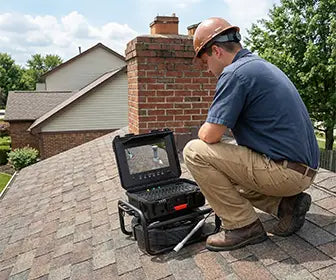
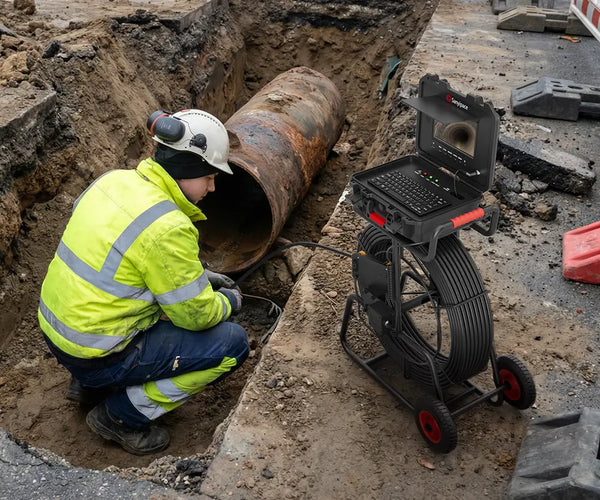
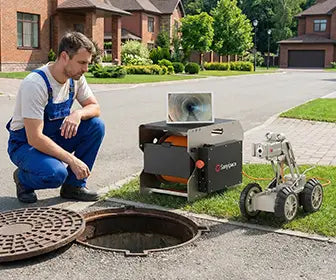
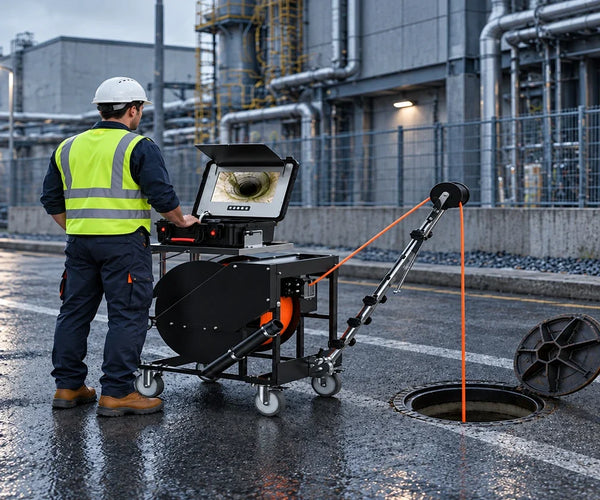
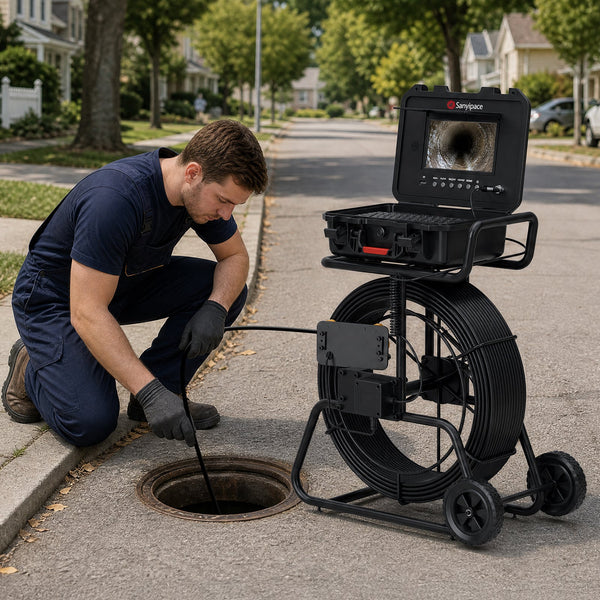
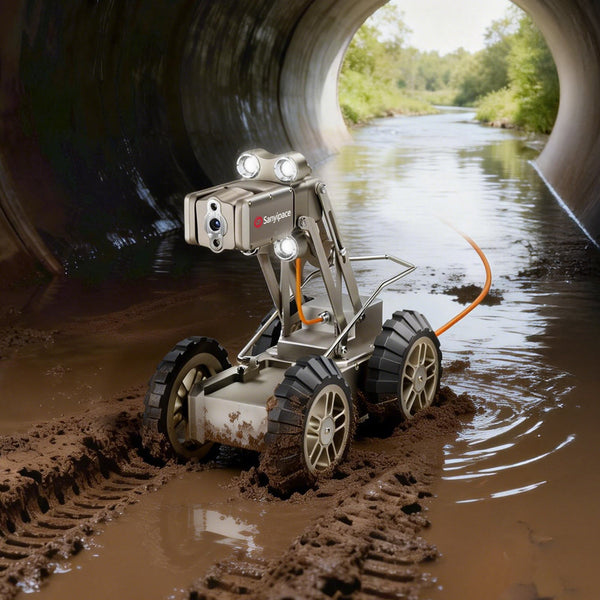
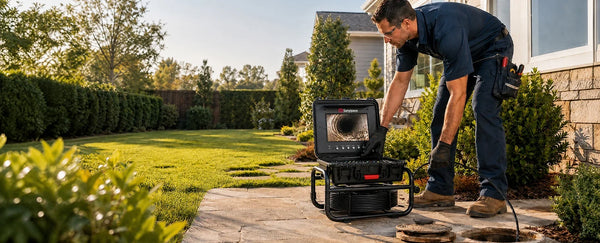
A sewer camera helps you see inside tight, hard-to-reach areas you normally can’t access. It’s waterproof, practical, and built for real-world inspections. In the U.S., it’s commonly called a plumbing camera, drain camera, or pipe inspection camera. These cameras are widely used for home plumbing checks as well as industrial and municipal pipe inspections.
If you’ve ever noticed roadwork near storm drains or sewer lines, there’s a good chance you’ve seen this type of equipment on-site.
What Exactly Can a Sewer Camera See?
The biggest advantage of a sewer camera is that it lets you inspect places your eyes simply can’t reach. It provides a clear, real-time look at the condition of sewer lines and drain pipes. Specifically, it can reveal:
-
Root intrusion: One of the leading causes of clogs in older pipes.
-
Collapsed or cracked pipes: Often caused by soil shifting or aging infrastructure.
-
Grease and sludge buildup: Soft blockages that slow down drainage over time.
-
Foreign objects: Toys, jewelry, or construction debris flushed or dropped into the line.
-
Misaligned joints: Areas where pipe sections have separated or shifted out of place.
How Does a Sewer Camera Work?

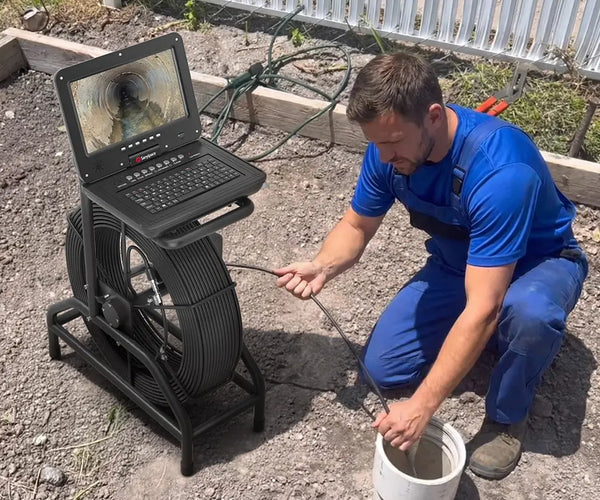
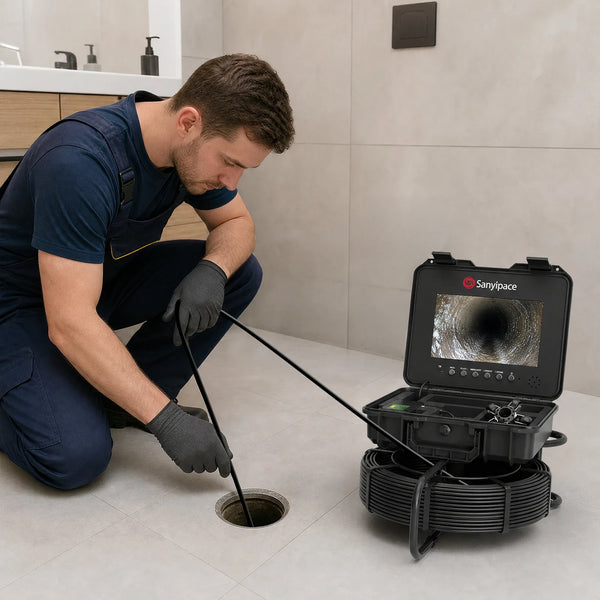
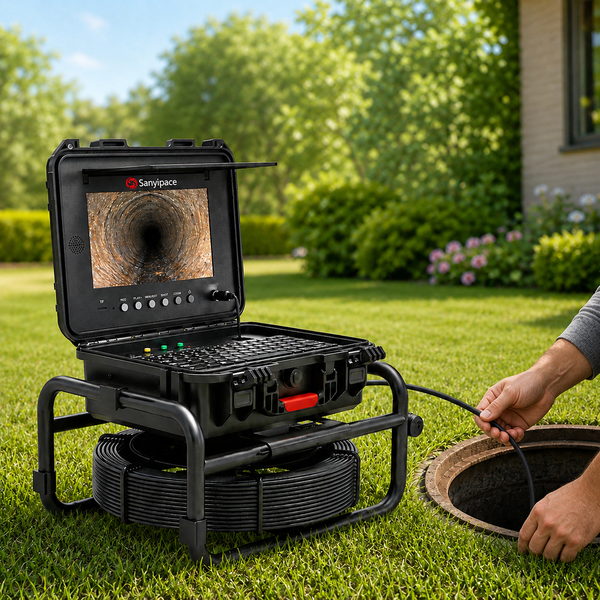
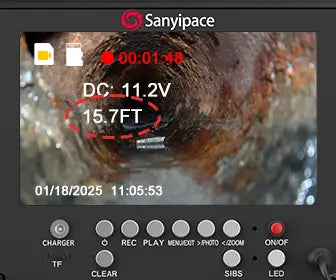
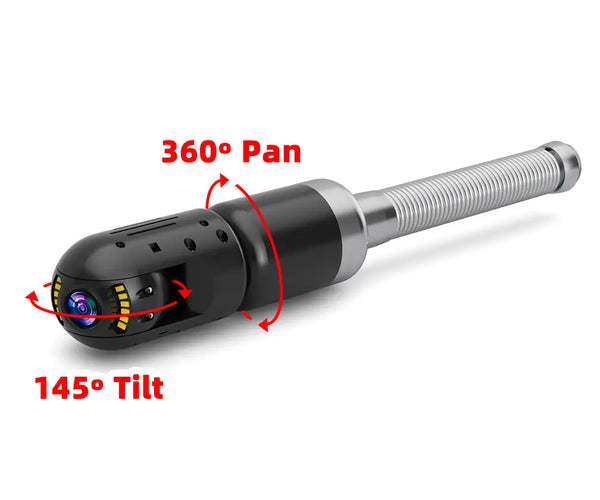
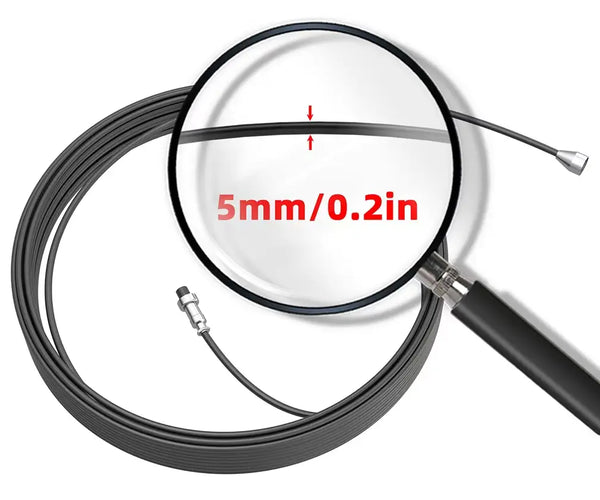
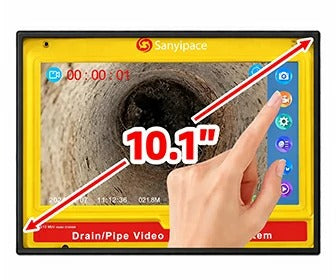
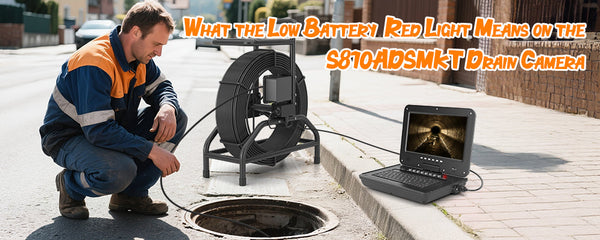
A sewer camera works by pushing a probe equipped with a mini waterproof camera and LED lights into the pipe using a flexible push rod (cable). The adjustable LEDs illuminate the dark interior of the line while the camera captures live video or images. The signal is transmitted through the cable to a surface monitor, allowing the operator to spot issues like cracks, clogs, and obstructions in real time.
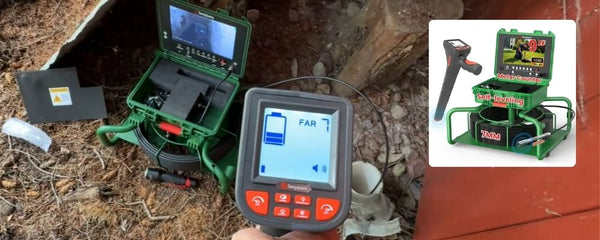
Some higher-end models also include features like sonde locating, video recording, and self-leveling (auto image rotation), making diagnosis more accurate and repairs easier to plan.
How Far Can These Cameras Go?

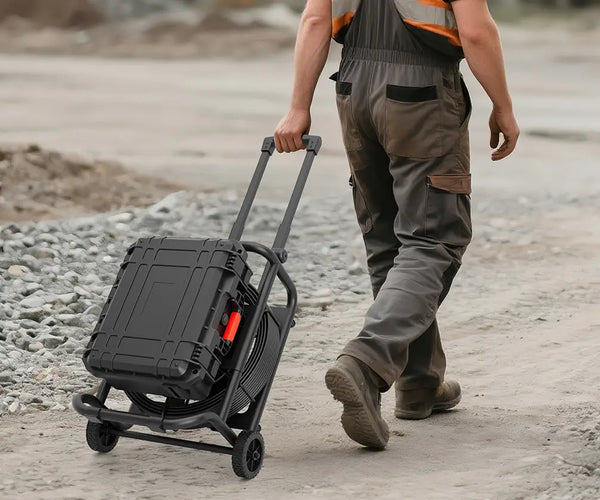
Inspection distance depends on the product you choose and what you need. Most sewer/drain camera systems support 65 ft to 525 ft of reach—sometimes even longer. You can pick the right cable length based on your typical job sites:
-
Residential use: usually 65 ft to 165 ft
-
Commercial/municipal use: usually 165 ft to 525 ft
Tip: The longer the cable (push rod), the heavier the system tends to be. It’s best to buy the length you actually need—unless you’re a professional plumber who regularly handles long runs and doesn’t mind the extra weight.
For more details, please refer to:How Far Can a Sewer Camera Go?
What is a "512Hz Sonde" and why is it important?
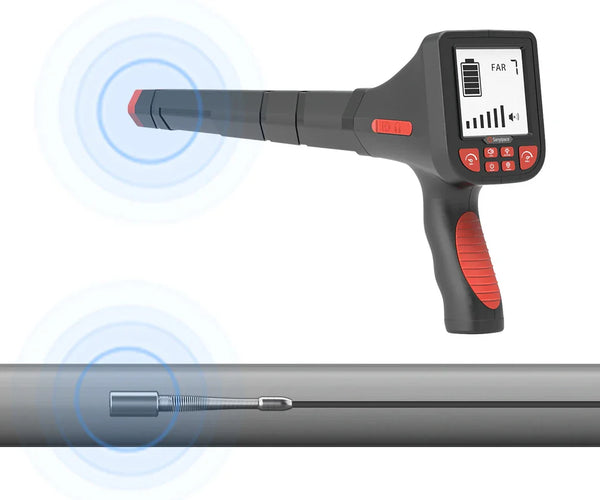
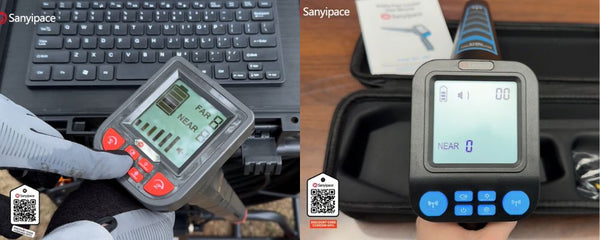
This is one of the most critical features for professionals. A camera shows you what the problem is, but a Sonde (transmitter) tells you where it is.
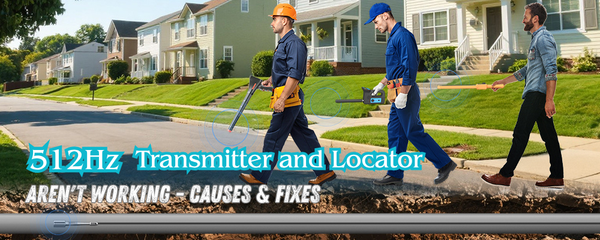
The pipe camera Sonde is a small transmitter built into the camera head that emits a 512Hz frequency signal. Using a receiver (512 hz locator) above ground, you can pinpoint the exact location and depth of the camera head. This saves hours of digging and prevents unnecessary damage to the lawn or flooring.

Do I need a "Self-Leveling" camera head?
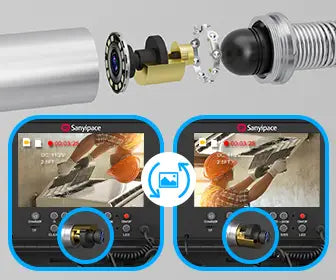
Have you ever watched a video where the image spins upside down as the camera moves? It can be disorienting. A self-leveling sewer camera features a weighted bearing mechanism that ensures the image remains upright on your monitor.
-
Is it necessary? No, you can inspect without it.
-
Is it recommended? Yes. It makes it much easier to identify if a crack is on the top, bottom, or side of the pipe, which is crucial for diagnosis.

What is the Difference Between 17mm, 23mm, and 28mm Camera Heads?
Size matters! Different camera sizes determine which pipes you can work in. Here are some reference values:
-
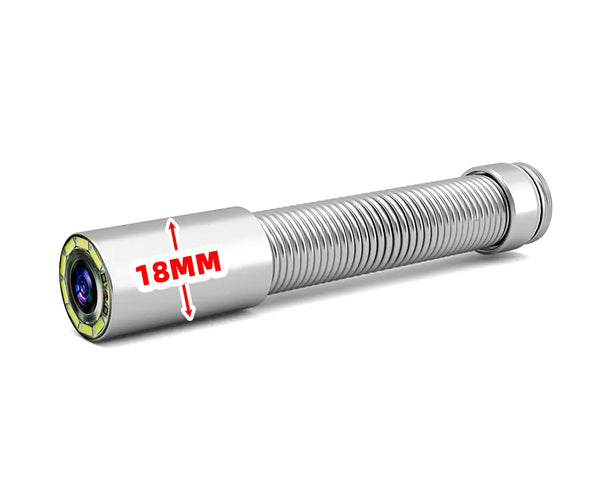
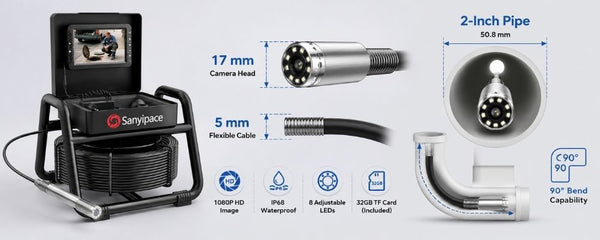
Small Heads (14mm - 17mm): Best for small drains (1.5" - 2" pipes), like kitchen sinks or shower drains. They negotiate tight 90-degree bends easily.
-
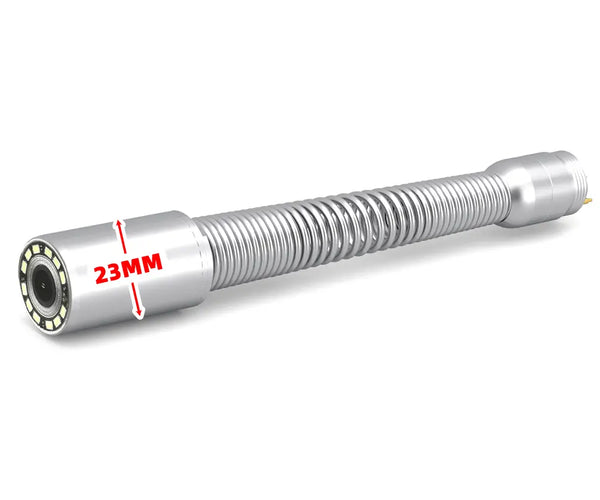
Standard Heads (23mm): The "all-rounder." Great for 3" - 6" main sewer lines.
-
Large Heads (28mm+): Used for larger municipal pipes where more light and durability are needed.
For detailed information on selecting the appropriate camera diameter, please refer to: 17mm, 23mm, 31mm, and 50mm Sealer Camera Head Diameter: Which Is Best for You?

Can the Camera Go Through 90-Degree Bends?
Yes, but with caution. Most modern push rods are designed to navigate 90-degree turns (P-traps). However, it depends on the pipe diameter.
-
In a wide 4-inch pipe, a standard camera passes easily.
-
In a narrow 2-inch pipe, you might need a specialized mini-camera head to make the turn.
Tip: Run some water while pushing. The water acts as a lubricant and helps the camera slide through bends.
What If the Camera Gets Stuck?
Getting stuck is every operator's nightmare, but do not panic and do not yank the cable hard.
-
Run Water: Flush water down the line to reduce friction.
-
Twist & Pull: Gently rotate the push rod while applying light backward pressure.
-
Use the Sonde: Locate exactly where the head is stuck. If you have to dig, at least you know where to dig.
Is the Whole Unit Waterproof?

No. This is a common misconception.
-
The Camera Head and Push Rod are rated IP68 waterproof and can be fully submerged in water.
-
The Control Box/Monitor is usually splash-proof but not waterproof. Never leave the monitor out in heavy rain or submerge it.
How Do I Maintain My Sewer Camera?

-
Clean after every use: Wipe the push rod with a rag and mild detergent as you reel it back in. This prevents bacteria buildup and keeps the cable smooth.
-
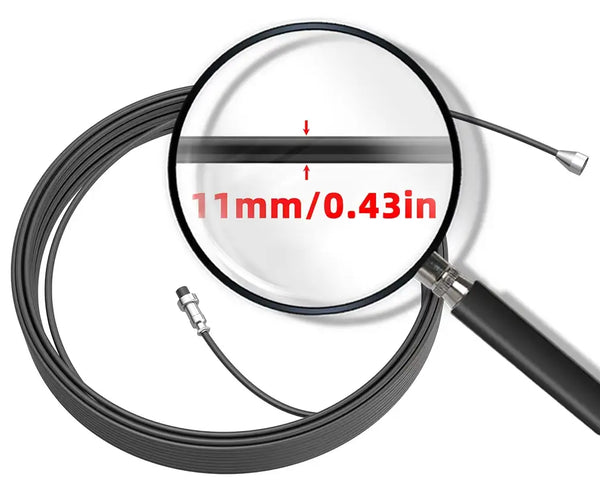
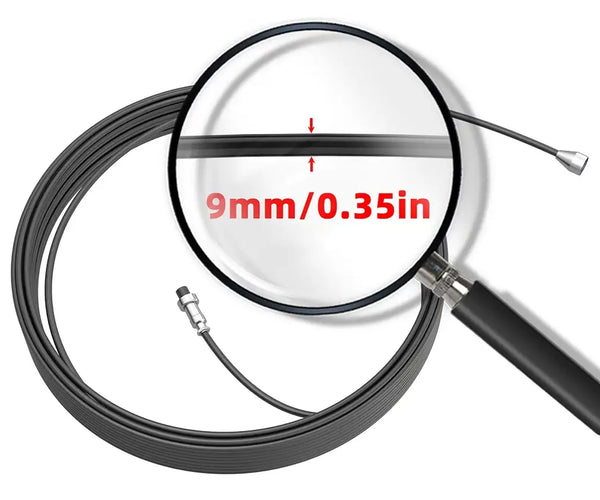
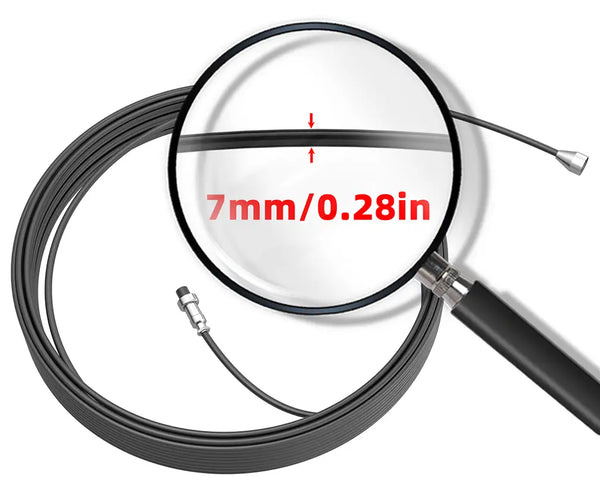
Protect the lens: The sapphire glass is strong, but not invincible. Use a skid (centering guide) to keep the camera head off the bottom of the rough pipe.
-
Don't kink the cable: Never force the rod into a sharp angle outside the pipe.
Tip: Before cleaning, make sure the camera head/probe you purchased is fully waterproof. If the probe gets very dirty—like on a Sanyipace sewer camera—you can rinse it with clean water first, then disinfect it as needed.

What Should You Consider When Buying a Sewer Camera?
Choosing the right sewer camera depends on your use case, the features you need (such as sonde locating, self-leveling, distance counter, and video/audio recording), your budget, and the manufacturer’s warranty policy.
Here are a few quick guidelines:
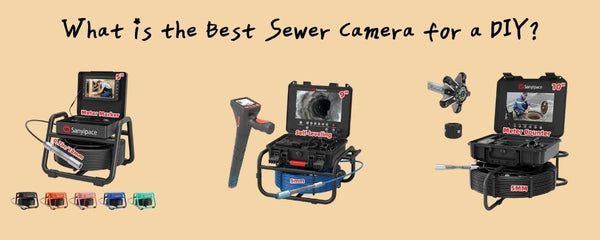
If You’re a Homeowner (DIY use)
For basic at-home inspections, a standard sewer/drain camera is usually enough. You don’t need a ton of advanced features—just make sure the image is clear enough to get a general view of what’s going on inside the pipe.
If You’re a Professional Plumber
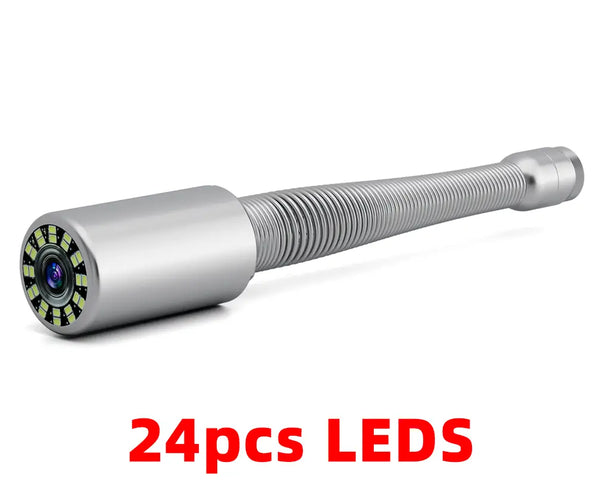
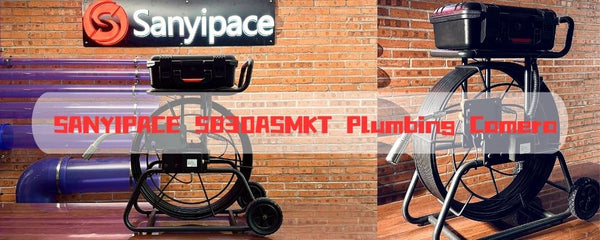
If you use a camera regularly on jobs, it’s worth investing in an all-in-one system with locating, self-leveling, footage/distance counting, and video + audio recording. For example, the Sanyipace S830ASMKT sewer camera includes all of these features and also upgrades the LED lighting from 12 LEDs to 24 LEDs, with adjustable brightness for better visibility in dark lines.
Topics you might be interested in:DIY vs. Professional Plumbing Inspections: Which Is Best for Your Home?

Conclusion
Investing in a sewer camera—or hiring a pro who uses one—eliminates the guesswork from plumbing repairs. Whether you need the precision of a 512Hz Sonde, the clarity of HD recording, or the ease of a Self-Leveling image, understanding these FAQs will help you make the right choice.
Ready to see what you've been missing? Browse our collection of Professional Sewer Cameras or contact our support team if you have a question we didn't answer above!


Deja un comentario