





19 Best Plumbing Tools: A List of Essentials in 2026
In pipeline inspection and repair work, specialized tools are critical to ensuring construction quality and efficiency. The right equipment not only streamlines operational processes but also effectively reduces the risk of rework.
This article curates and compiles a list of 19 essential, cost-effective tools commonly used by plumbers—ranging from basic wrenches to advanced accessories like power tools and pipeline cameras—to help plumbers quickly build a comprehensive tool kit.
I. The Wrench Family (The Core Essentials)

You cannot do plumbing without wrenches. These are the extensions of your hands, designed to provide the leverage needed to turn stubborn pipes and lock nuts into place.
1. Pipe Wrench
Estimated Price: $15 – $60
$15 for heavy iron models; $50+ for lightweight aluminum pro models. This is the most iconic tool in the trade. Designed with serrated teeth that grip into the metal, the pipe wrench is used for heavy-duty work on iron and steel pipes.
Why you need it: It tightens and loosens threaded pipes where a smooth-jawed wrench would slip.
Pro Tip: You usually need two—one to hold the pipe steady and the other to turn the fitting.
2. Adjustable Wrench (Crescent Wrench)
Estimated Price: $15 – $45
While the pipe wrench is for brute force, the adjustable wrench is for finesse. It has smooth jaws, making it perfect for tightening compression nuts, supply lines, and chrome-plated fixtures without marring the finish.
Best feature: The "all-in-one" sizing means you don't need a full metric and SAE socket set for basic repairs.
3. Basin Wrench
Estimated Price: $15 – $35
If you have ever tried to tighten a faucet nut directly under a sink, you know it is nearly impossible to reach with a standard wrench. The basin wrench has a long shaft and a swiveling jaw specifically designed to reach up into that dark, cramped space behind the sink bowl.
Key use: Swapping out kitchen or bathroom faucets.
II. Cutting and Processing Tools

A plumbing job is only as good as the preparation. Clean cuts ensure tight seals and prevent leaks later on.
4. Pipe Cutter (Tubing Cutter)
Estimated Price: $20 – $60
For copper piping, this tool is superior to a saw. It clamps onto the pipe and rotates around it, using a sharp wheel to slice through the metal.
Result: A perfectly square, burr-free cut that slides easily into fittings.
5. Hacksaw
Estimated Price: $10 – $30
The "Swiss Army Knife" of cutting tools. A hacksaw can cut through metal pipes, rusted bolts, nuts, and plastic.
When to use it: When the pipe is too thick for a cutter, or you are demolishing old plumbing and precision matters less than speed.
6. PVC Cutter
Estimated Price: $15 – $45
In 2026, PVC and PEX are standard for most residential drainage and water lines. These ratcheting cutters slice through plastic pipe like butter.
Benefit: Unlike a saw, it leaves no plastic shavings (swarf) inside the pipe that could cause clogs later.
III. Sealing and Connection Tools

Once the pipes are cut and fitted, you need to ensure they are watertight. These consumables and tools are the difference between a dry cabinet and a flooded floor.
7. Teflon Tape (Thread Seal Tape)
Estimated Price: $2 – $5 per roll
Also known as PTFE tape, this is wrapped around the threads of pipes and fittings before connection. It lubricates the threads for a deeper seat and acts as a filler to prevent leaks.
Rule of thumb: Always wrap the tape in a clockwise direction so it doesn't unravel when you screw the pipe in.
8. Pipe Dope (Thread Sealant)
Estimated Price: $5 – $15
A chemical paste that does the same job as Teflon tape, but in liquid form.
Pro Application: For gas lines or high-pressure water joints, plumbers often apply tape and then a layer of pipe dope over it for the ultimate seal.
9. Clamps & Crimping Tools
Estimated Price: $50 – $150
Manual tools are cheaper; battery-powered crimpers can run $500+. Modern plumbing relies heavily on PEX tubing. To secure PEX to fittings, you need specific crimping tools or clamp tools to compress the metal rings that hold the joint together.
IV. Unclogging and Drainage Tools
This is the "dirty work" section. When water stops flowing, these are the first tools you grab.
10. Plunger
Estimated Price: $10 – $25
Every home needs two: a Cup Plunger for flat surfaces (sinks/tubs) and a Flange Plunger (which has an extended rubber flap) for toilets.
Function: Uses suction and pressure to dislodge minor clogs near the drain opening.
11. Hand Auger (Drain Snake)
Estimated Price: $25 – $60
When the plunger fails, the snake comes out. This is a retractable steel cable (usually 25 ft) that you feed into the drain. By cranking the handle, the tip spins and breaks up hair, grease, or soap scum deep in the pipe.
12. Toilet Auger (Closet Auger)
Estimated Price: $40 – $80
A specialized version of the snake designed specifically for toilets. It features a rubber guard to protect the porcelain bowl from scratches and a rigid tube to guide the cable through the toilet's S-trap.
V. Measuring and Diagnostic Tools

Plumbing is basically math and physics. Measuring correctly prevents waste and ensures proper flow.
13. Tape Measure
Estimated Price: $15 – $35
You cannot rough-in a bathroom without one. Accurate measurements are vital for ensuring pipes fit between studs and line up with fixtures.
14. Torpedo Level
Estimated Price: $15 – $30
Water doesn't run uphill. A small "torpedo" level fits in tight spaces and is essential for ensuring drain pipes have the correct "pitch" (slope) so gravity can do its job.
15. Pressure Gauge
Estimated Price: $10 – $25
A simple tool that screws onto a hose bib or washing machine valve. It tells you the PSI (Pounds per Square Inch) of the water entering the building.
Why it matters: Pressure that is too high (>80 PSI) can blow out appliance seals; pressure that is too low indicates a leak or supply line issue.
VI. Electric and Advanced Tools
For the pro or the serious renovator, these power tools save time and solve complex problems.
16. Power Drill (Driver Kit)

Estimated Price: $100 – $250
Essential for drilling holes in studs to route pipe (using hole saws) or fastening pipe straps to walls. A cordless impact driver is the standard in 2026.
17. Pipe Threading Machine
Estimated Price: $150 – $800+
Handheld ratcheting dies are cheaper; electric power drives are expensive. A heavy-duty tool used to cut threads into the ends of black iron or galvanized steel pipes. While mostly for commercial or gas line work, it is a must-have for custom pipe fitting.
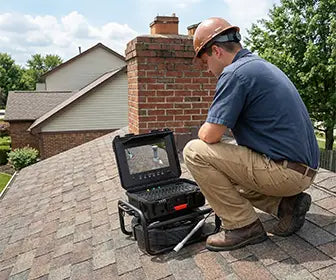
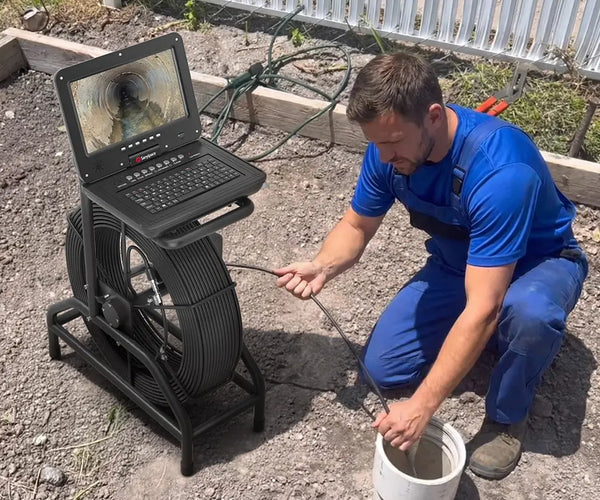
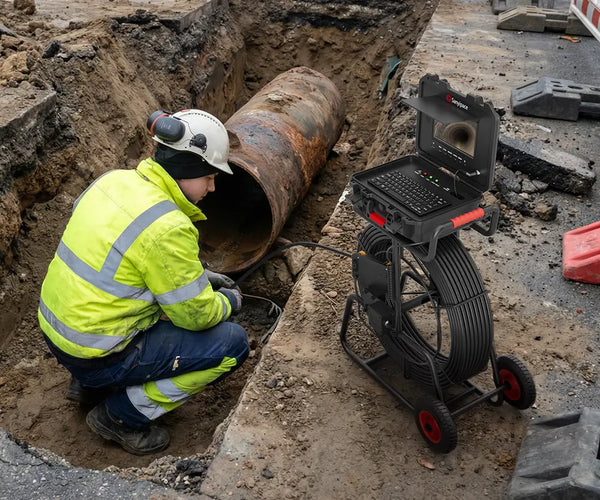
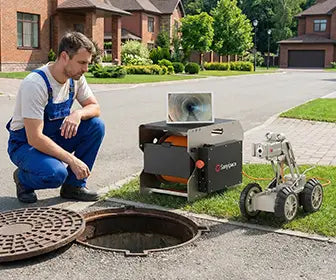
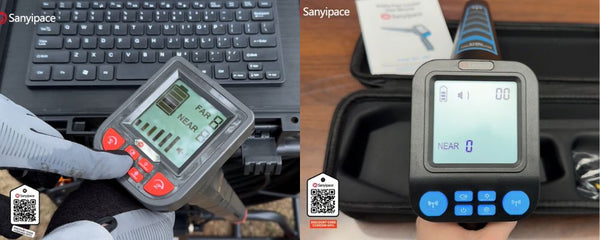
18. Plumbing Inspection Camera

Estimated Price: $200 – $2000
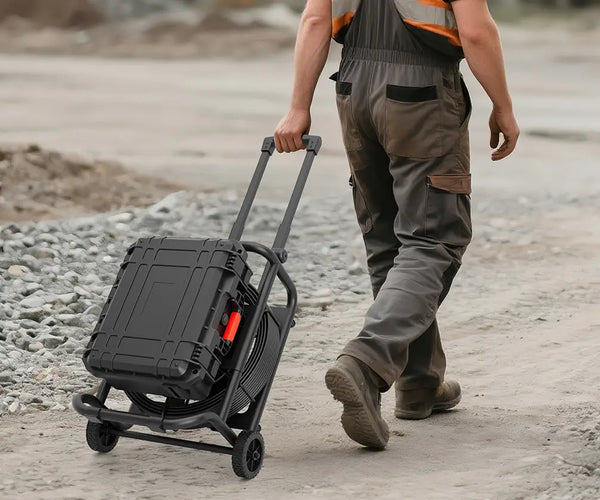
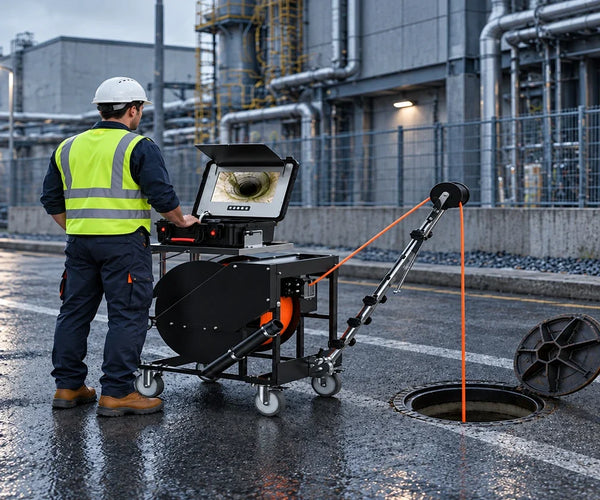
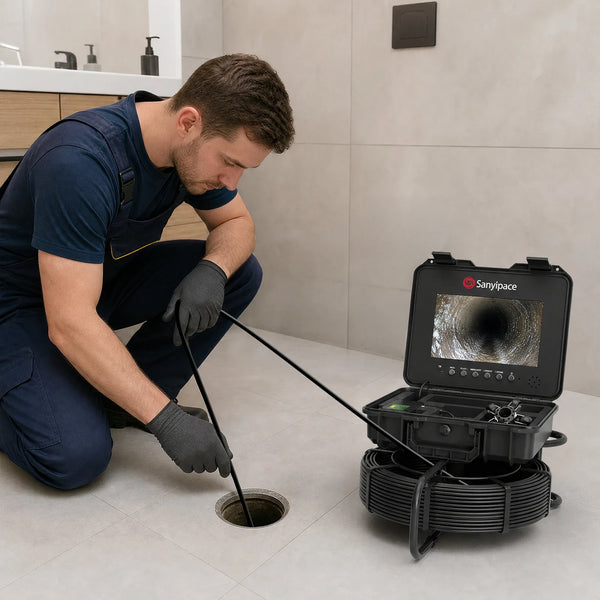
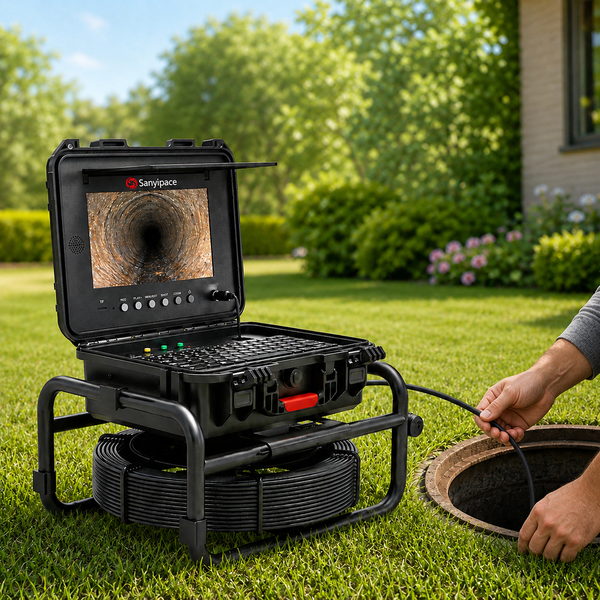
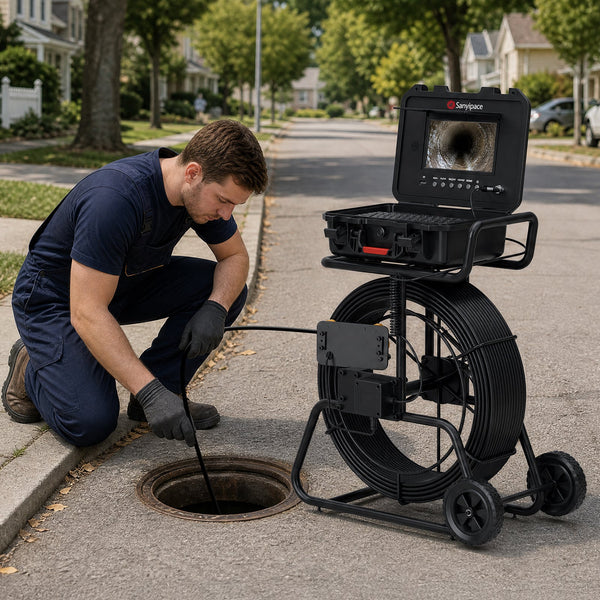
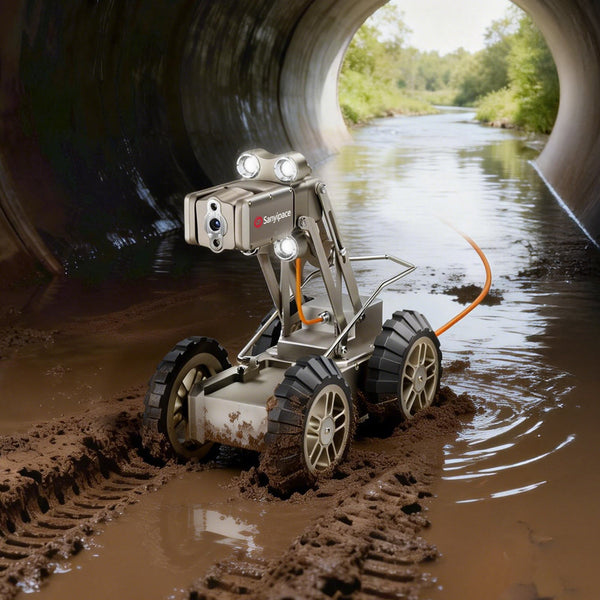
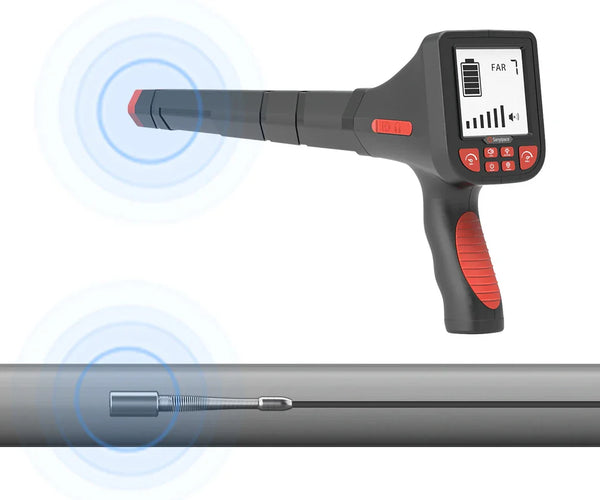
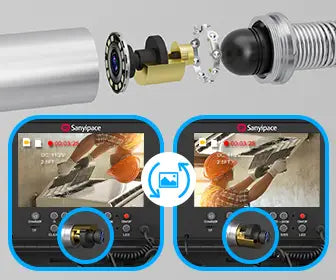
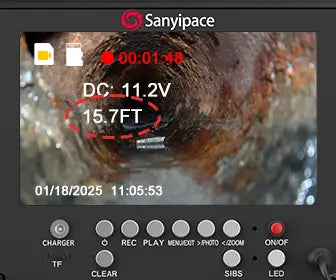
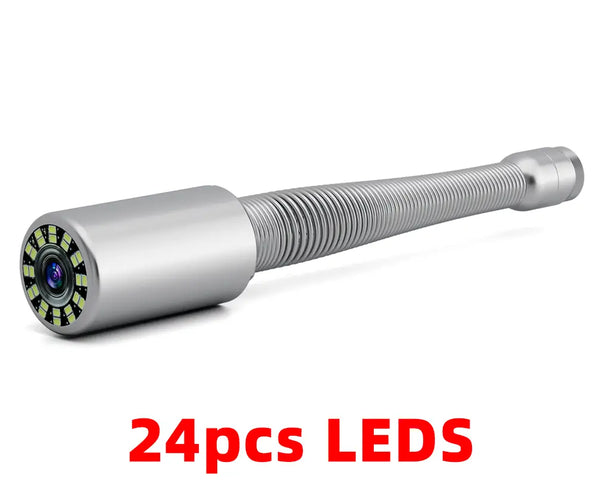
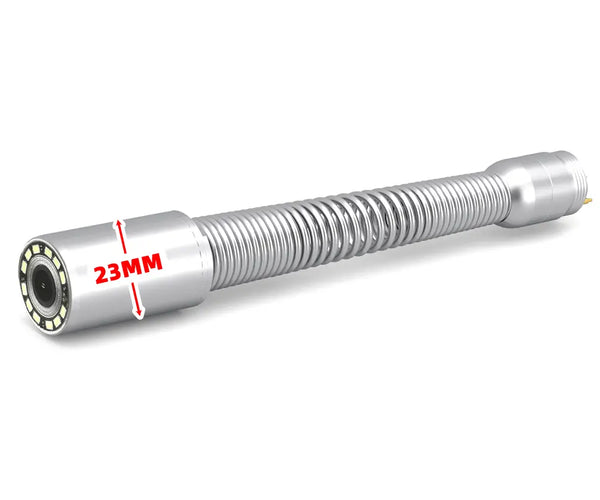
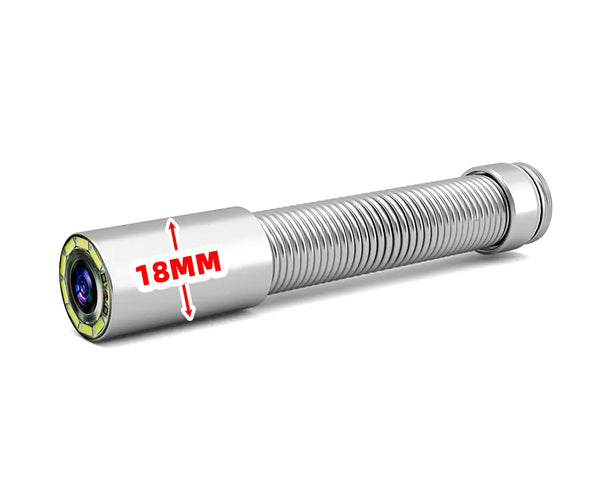
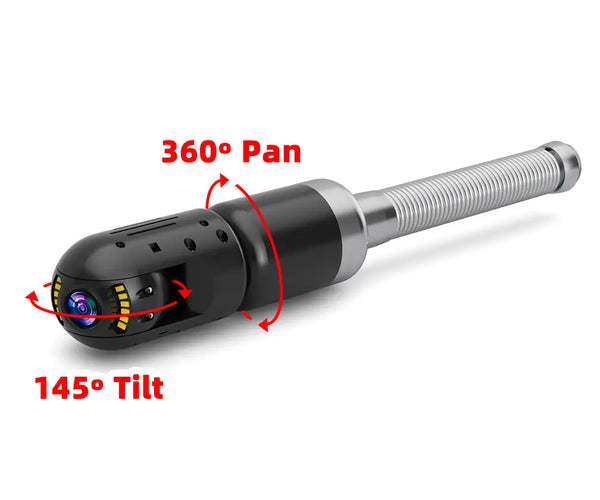
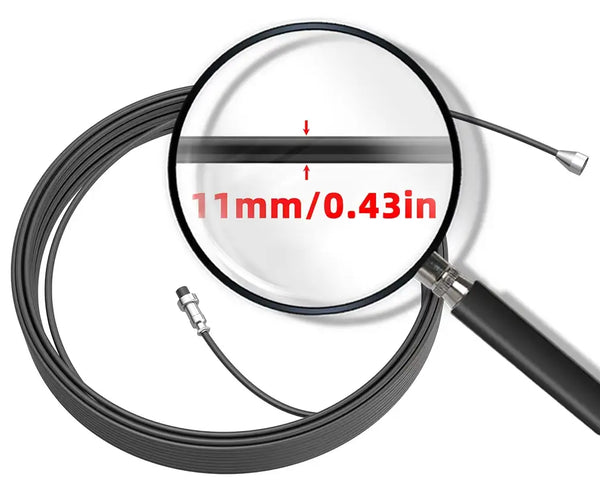
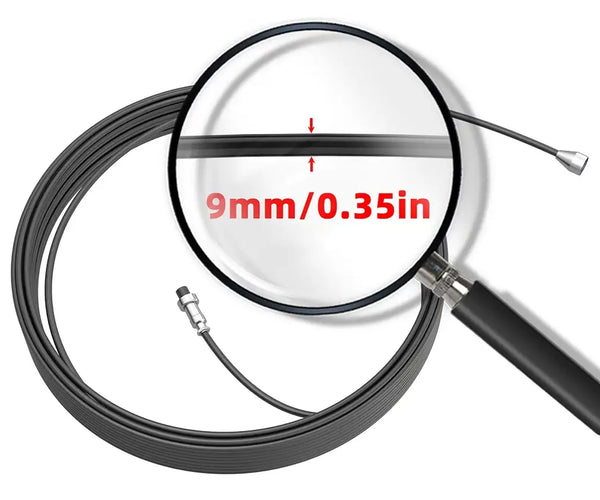
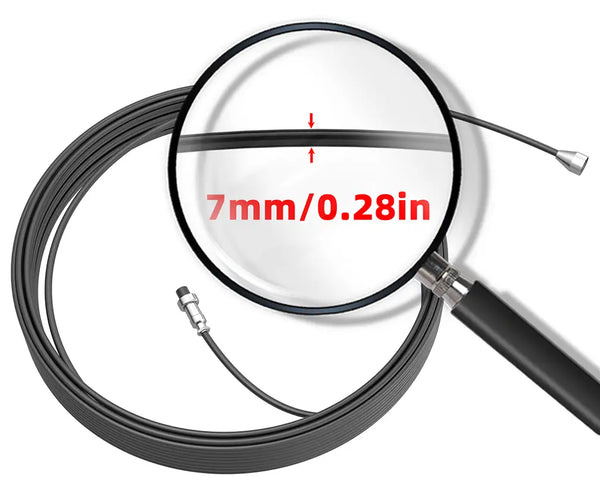
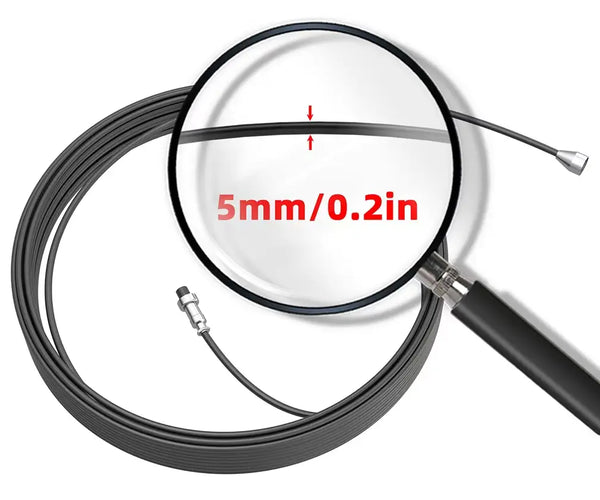
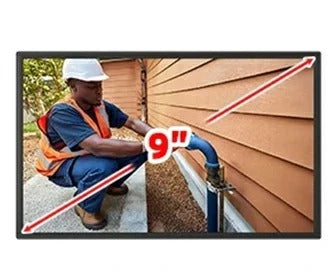
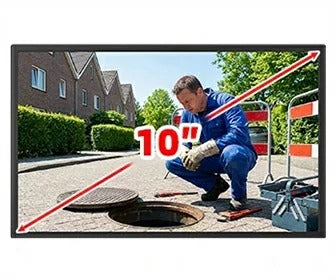
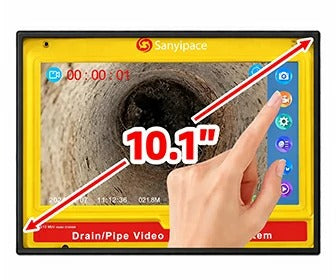
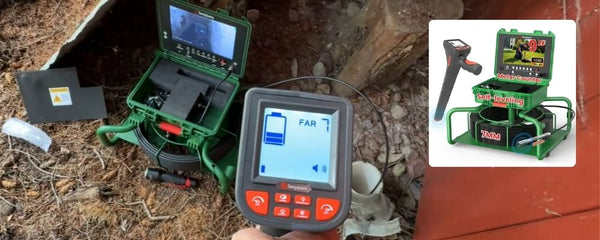
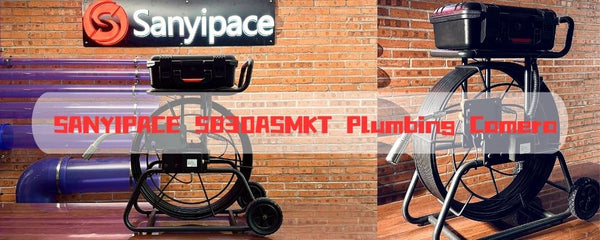
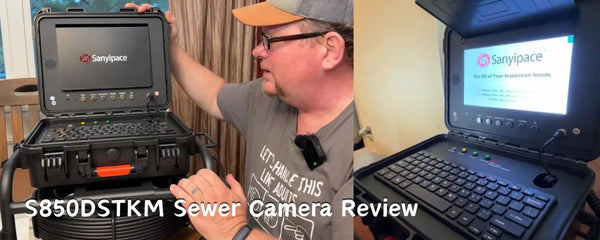
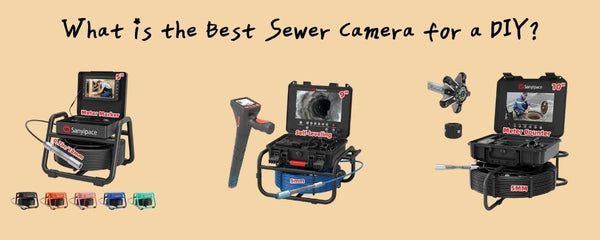
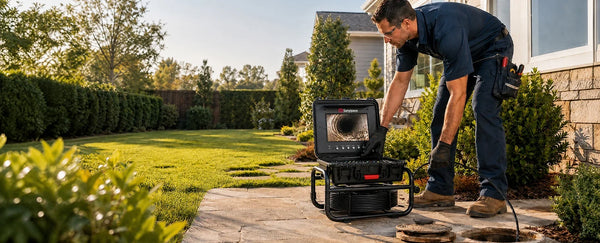
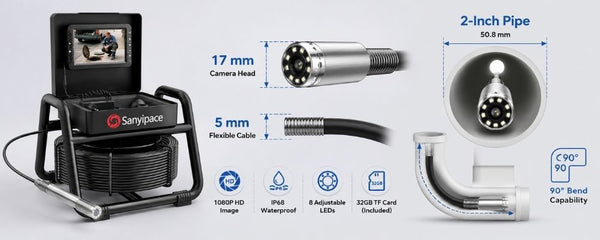
Pipe/drain inspection cameras feature high-definition cameras mounted on long cables that can be inserted into pipes or walls, transmitting real-time footage to a display screen. Their purpose is to quickly and clearly identify internal pipe issues such as blockages, tree root intrusion, damage, collapses, or lost items (e.g., wedding rings).
Available in various models, these inspection cameras assist plumbers in identifying numerous detailed issues and resolving them efficiently. Suitable models can be selected for both everyday DIY projects and professional applications.
19. Hydro Jetter
Estimated Price: $200 – $2,000+
Pressure washer attachments are cheap; dedicated commercial machines are expensive. The nuclear option for drain cleaning. Unlike a snake that pokes a hole in the clog, a hydro jet uses high-pressure water to scour the inside of the pipe, removing years of grease and sludge buildup.
Final Thoughts
You don't need to buy all 19 of these tools at once. Start with the Core Essentials (Wrenches) and Unclogging Tools. As you tackle more complex DIY projects or advance in your plumbing career, you can gradually invest in the advanced cutting and diagnostic gear.
Related reading: The 4 Best Sewer Cameras under $1000


Deja un comentario