





Is the SANYIPACE S850DSTKM Worth It? Our Hands-On Review
Accurately identifying a sewer problem takes more than a clear camera image. A professional inspection system also needs enough cable to reach the problem, a way to measure how far the camera has traveled, and reliable tools for documenting and locating the defect.
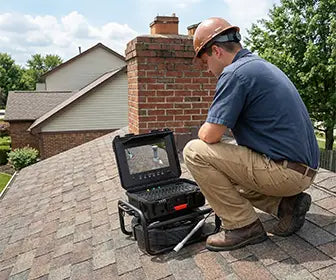
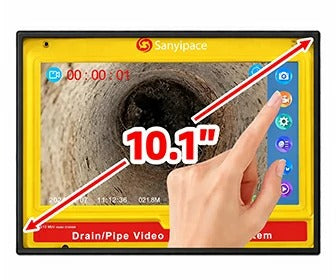
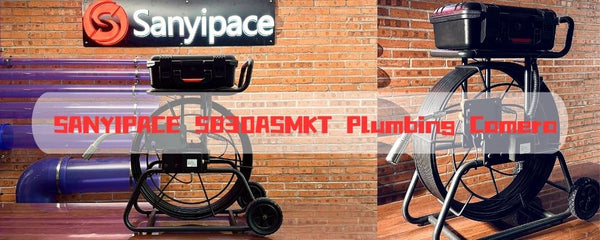
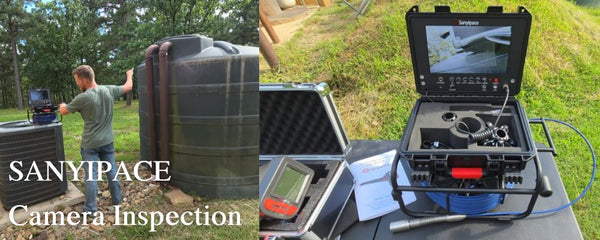
The SANYIPACE S850DSTKM combines a 10-inch display, a self-leveling 1080P camera, a real-time distance counter, and a built-in 512Hz sonde in one portable inspection system. It is available with a 100-foot or 165-foot push cable, placing it well above compact drain cameras intended only for short household lines.
We tested its core inspection, recording, and positioning functions to determine where the S850DSTKM performs well—and where its limitations begin.
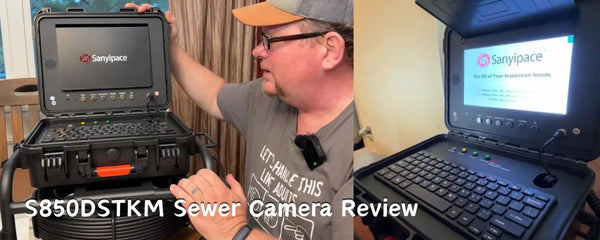
Watch the full hands-on demonstration
SANYIPACE S850DSTKM Specifications
| Feature | Specification |
|---|---|
| Display | 10-inch IPS |
| Camera resolution | FHD 1080P |
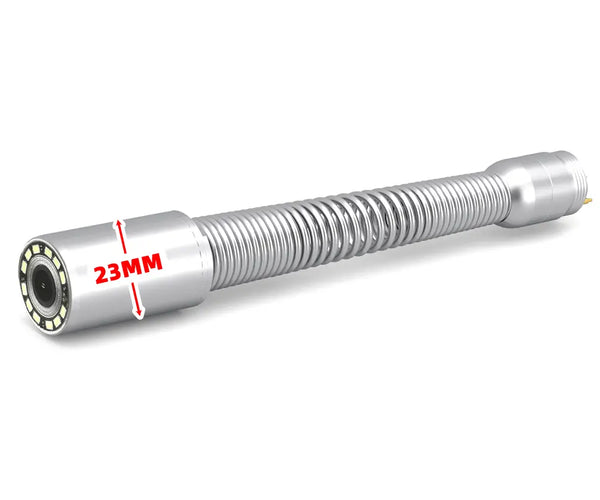
| Camera head diameter | 23 mm |
| Viewing angle | 145° |
| Self-leveling | Yes |
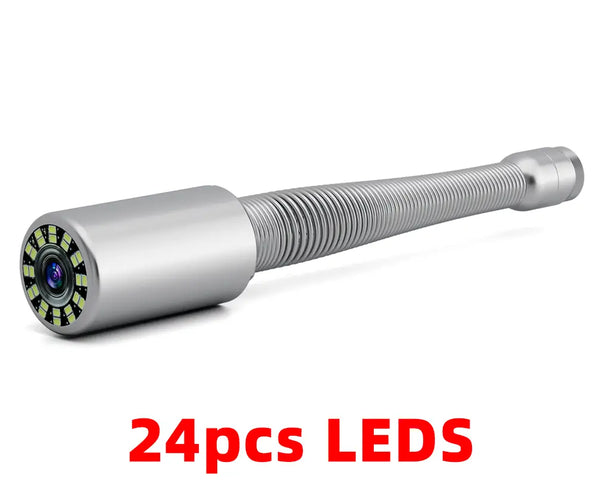
| Lighting | 12 LEDs with five brightness levels |
| Camera head rating | IP68 |
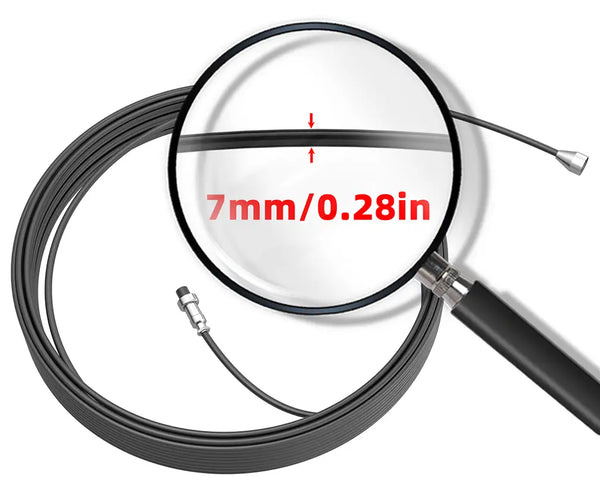
| Push cable | 7 mm fiberglass |
| Cable length | 100 ft/30 m or 165 ft/50 m |
| Distance tracking | Electronic meter/feet counter |
| Sonde | Built-in 512Hz transmitter |
| Locator | Optional S58R or S68R |
| Recording | Photo, video, and audio |
| Digital zoom | Up to 5× |
| Storage | 32GB card included; up to 128GB supported |
| Recommended pipe size | Larger than 1.5 in/38 mm |
SANYIPACE S850DSTKM Sewer Camera Build and Setup
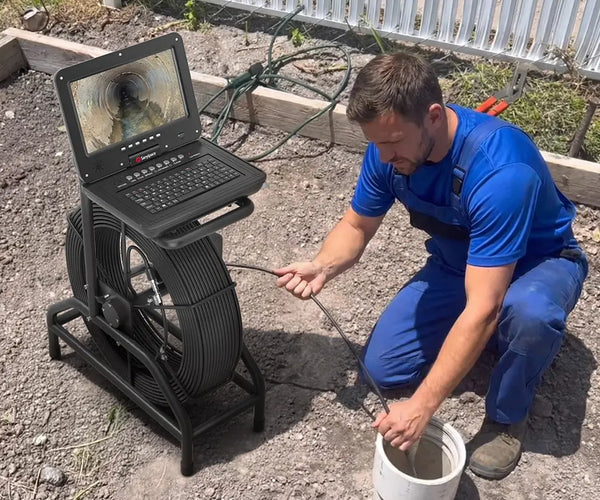
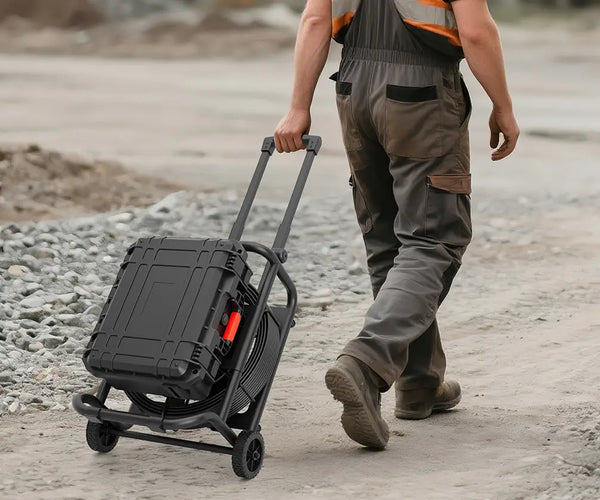
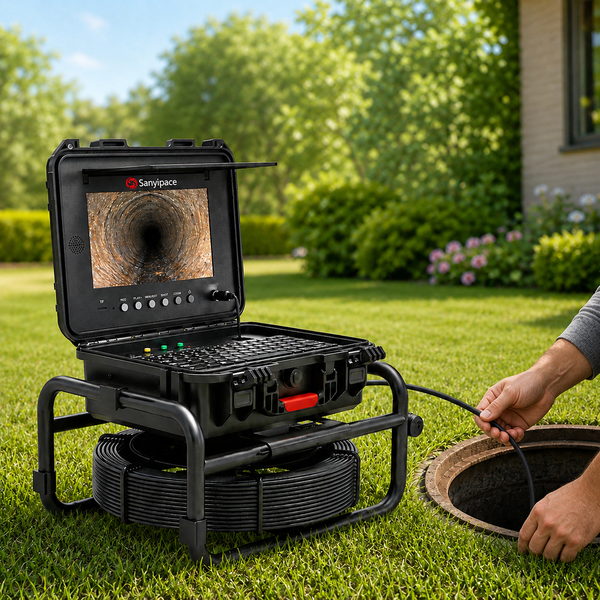
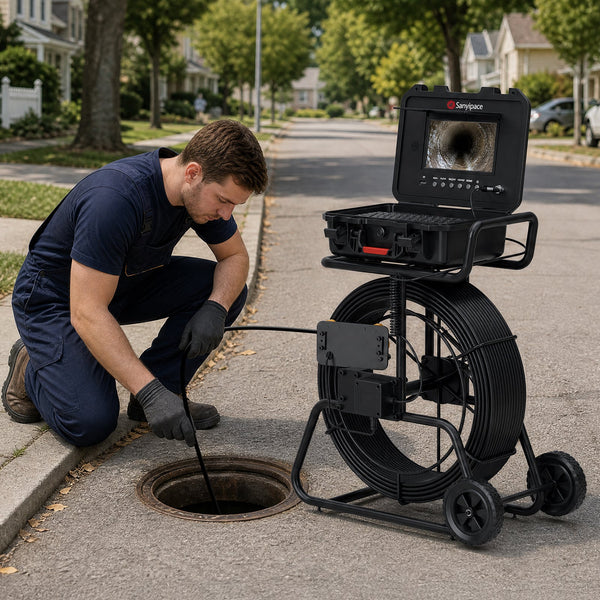
The S850DSTKM uses an all-in-one layout that combines the monitor, control box, cable reel, and battery in a single case. A folding cover protects the display during transport, while the cable stays organized on the integrated reel.

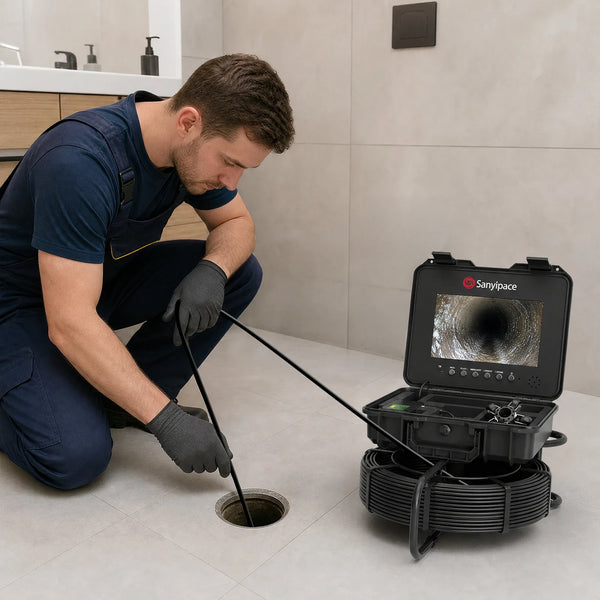
Setup is straightforward. After connecting the sewer camera system and switching on the main power, the live image appears on the monitor without requiring a phone, computer, or separate viewing device.
The package includes:
- 10-inch DVR monitor
- 23 mm self-leveling camera head
- 7 mm fiberglass push cable
- 32GB memory card
- 38 mm protective camera cover
- 99 mm guide wheel
- Charger
- Screwdriver
- User manual
You can also remove the control box from the frame using three mounting screws. That makes routine maintenance and component replacement easier than on a completely sealed unit.
Image Quality in Dark and Wet Pipes
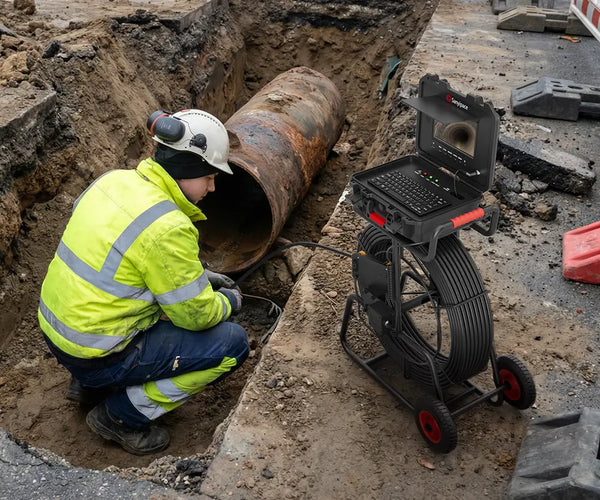
The S850DSTKM uses a 1080P camera with a 145-degree viewing angle. In practical use, the image provides enough definition to distinguish common sewer defects such as cracks, corrosion, root intrusion, buildup, displaced joints, and standing water.

Resolution is only part of the picture, however. Sewer lines often contain water, reflective surfaces, and suspended debris that can interfere with visibility. The twelve LEDs surrounding the camera head can be adjusted through five brightness levels, allowing the lighting to be matched to the condition of the pipe.
Lower settings worked better on wet or reflective surfaces, where excessive light could wash out the center of the image. Higher settings provided the necessary illumination in larger or completely dark pipe sections.
The 145-degree lens gives a broad view of the pipe wall without forcing the operator to move the camera repeatedly to inspect each side. Fine details can also be enlarged using the 5× digital zoom. Because this is digital rather than optical magnification, it is most useful for reviewing an area that is already visible—it cannot recover detail that the camera did not originally capture.
Self-Leveling Makes the Image Easier to Interpret
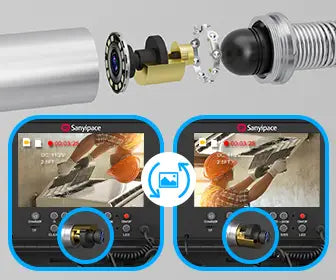
A push camera naturally rotates as it travels through bends. With a standard camera head, that movement can leave the image sideways or upside down, making it harder to determine where a defect sits within the pipe.
The S850DSTKM’s self-leveling mechanism keeps the displayed image upright as the head rotates. This was one of the most useful features during testing.

An upright image makes it easier to determine whether corrosion, a crack, or an offset joint is located at the top, bottom, or side of the line. That matters when planning excavation, explaining the problem to a customer, or comparing footage from separate inspections.
Self-leveling does not change how easily the camera passes through a bend, but it makes the resulting footage much faster to understand.
How the 7 mm Push Cable Performs
The current S850DSTKM is equipped with a 7 mm fiberglass push cable in either a 100-foot or 165-foot length.

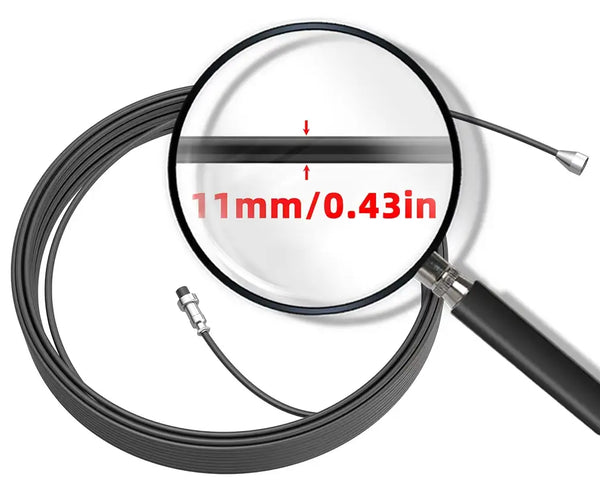
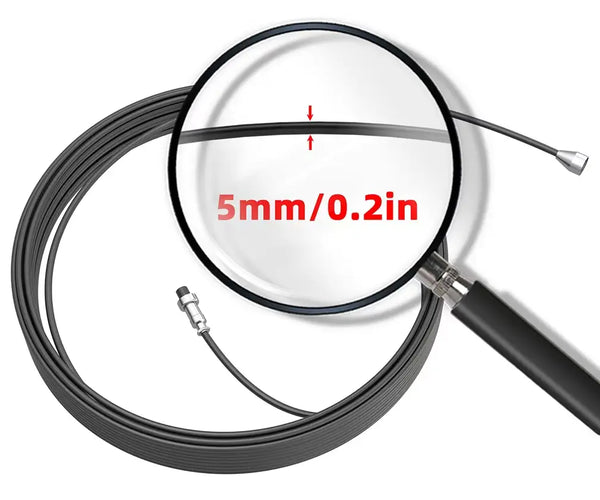
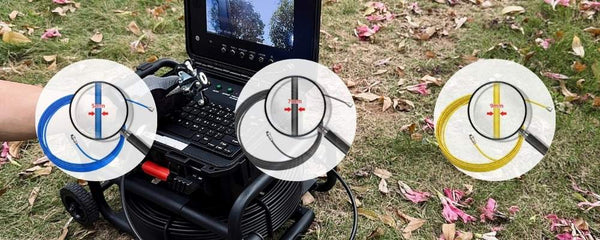
Compared with a thinner 5 mm cable, the 7 mm cable provides more pushing force over longer distances. This makes it better suited to sewer laterals, main household lines, yard drains, and commercial pipe runs where a highly flexible cable may begin to coil or lose forward pressure.
The tradeoff is reduced flexibility in very tight bends. Whether the head can pass through a particular elbow depends on several factors:
- Pipe diameter
- Bend radius
- Condition of the pipe
- Amount of buildup
- Type of access point
- Whether the guide wheel is installed
The 23 mm camera head is intended for pipes larger than 1.5 inches or 38 mm. When the 99 mm guide wheel is attached, SANYIPACE recommends using it in straight pipes larger than approximately 4.1 inches or 105 mm.
The guide wheel helps center the camera in wider lines and keeps the lens away from sludge or standing water. For smaller openings or pipes with tighter transitions, the compact protective cover is the more practical choice.
Real-Time Distance Counter
The electronic distance counter is a major advantage over inspection systems that rely only on printed cable markings.

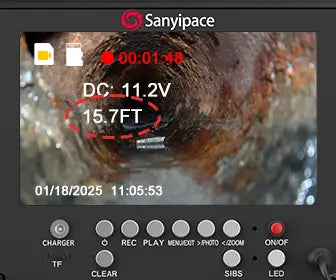
As the cable moves through the pipe, the monitor displays the approximate distance traveled in feet or meters. The operator can switch between units and reset the counter when beginning a new inspection.
This has several practical benefits:
- It provides a repeatable reference point for defects.
- It helps compare findings from later inspections.
- It improves repair and excavation planning.
- It makes inspection reports more useful to customers.
For example, documenting a crack as “approximately 42 feet from the cleanout” is far more actionable than saving an image without any indication of where it was captured.
The distance counter identifies how far the cable has traveled along the pipe. It should not be confused with the straight-line underground distance between the camera and the access point.
Locating the Camera with the 512Hz Sonde

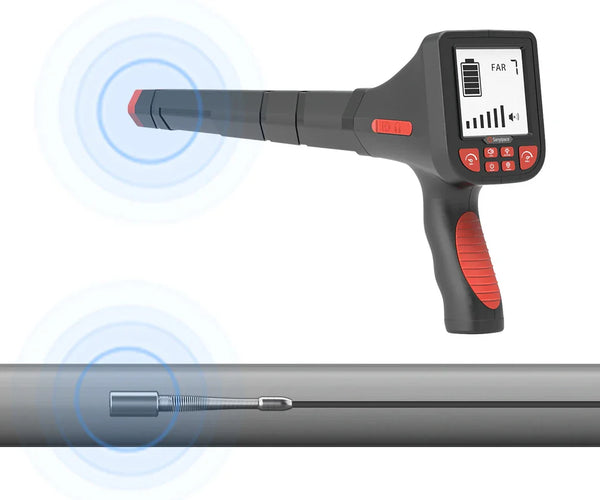
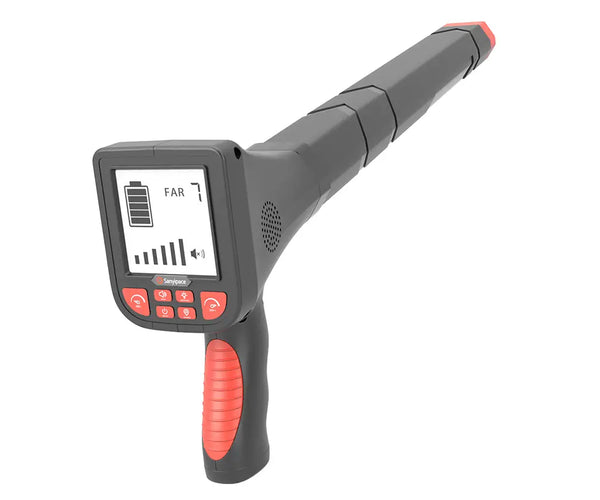
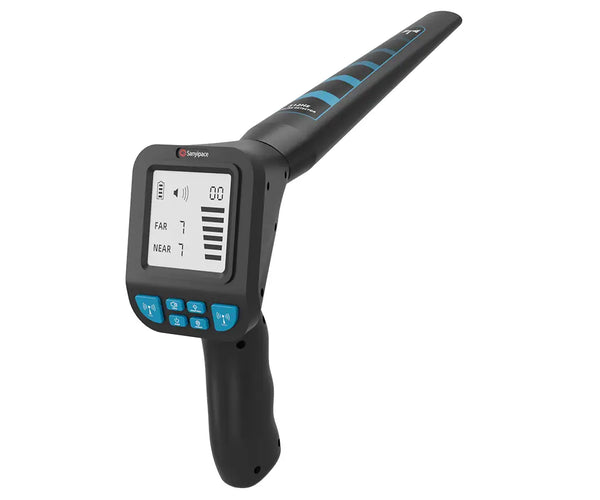
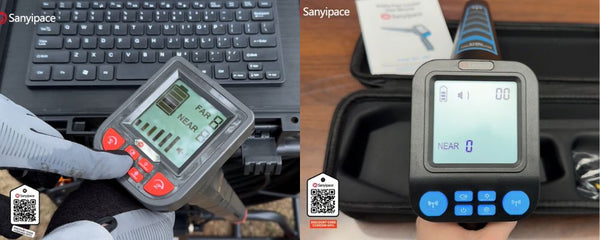
The camera head contains a 512Hz transmitter that sends a signal while the system is operating. When paired with a compatible locator, the signal can be detected from above ground.
This complements the electronic distance counter:
- The counter estimates how far the camera traveled inside the pipe.
- The locator helps identify the corresponding area at the surface.
Used together, these functions can reduce the amount of guesswork involved in planning a repair. Instead of opening a large section of floor or ground, the operator can narrow the search to the strongest signal area.
The base camera can be purchased without a locator or bundled with an S58R or S68R receiver. Buyers should check the selected configuration rather than assume a locator is included.
Actual detection performance depends on depth, soil conditions, pipe material, nearby electrical interference, and the operator’s sensitivity settings. A 512Hz receiver should therefore be treated as a positioning tool, not as a guarantee of exact location under every site condition.
Recording, Notes, and On-Site Review
The S850DSTKM sewer camera can capture photos, videos, and audio comments directly to the included 32GB memory card. Storage can be expanded to 128GB for users who need to retain longer inspection files.
During an inspection, the operator can capture a defect immediately rather than attempting to record the monitor with a phone. Voice comments can be added to explain what is visible and why the area requires attention.
The system also supports text entry through a wireless keyboard. Notes such as the property name, inspection point, or defect location can be entered during the job. This is useful when multiple clips are recorded during the same visit.

Saved media can be reviewed directly on the monitor. For plumbers and inspection professionals, on-site playback makes it easier to explain findings to a customer before packing up the equipment.
The recording functions are particularly useful for:
- Customer reports
- Before-and-after comparisons
- Repair estimates
- Property inspections
- Maintenance records
- Evidence of root intrusion or structural damage
Cleaning and Maintenance
Only the camera head carries the IP68 waterproof rating. The display, connectors, keyboard, and other electronic components should not be submerged or cleaned with running water.

After each inspection, the camera head and cable should be rinsed or wiped clean before being returned to the reel. The lens should be dried with a soft cloth to prevent residue from affecting the next inspection.
It is also important to avoid pulling the cable sharply around the edge of a cleanout. Repeated kinking or excessive bending can weaken a fiberglass push rod, particularly close to the camera connector.
Strengths and Limitations
What We Like
- Clear 1080P image on a large 10-inch display
- Self-leveling sewer camera keeps footage upright
- 7 mm cable provides useful pushing strength
- 100-foot and 165-foot cable options
- Electronic distance counter in feet or meters
- Built-in 512Hz sonde
- Photo, video, and audio recording
- Wireless keyboard support for inspection notes
- Guide wheel and protective cover included
- No phone or computer required during inspection
What Could Be Better
- The 7 mm cable is less flexible than a 5 mm cable in tight household bends
- The 23 mm camera head is not intended for very small drain openings
- The locator is optional rather than included with every configuration
- Digital zoom does not increase the camera’s actual resolution
- The system is larger and heavier than a compact inspection camera
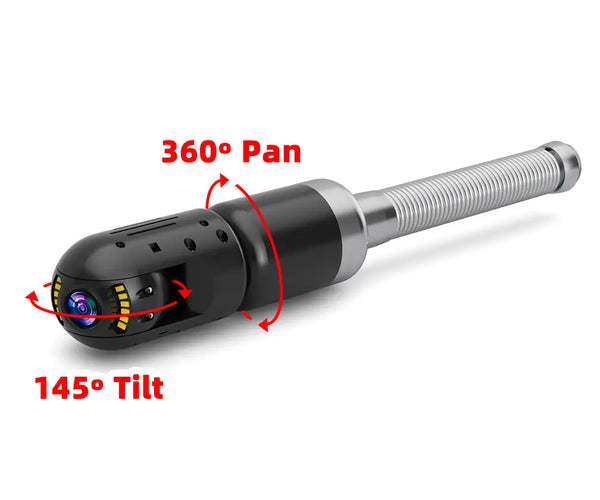
- It does not have a pan-and-tilt camera head
- Only the camera head is IP68 waterproof
Who Is the S850DSTKM Best For?

1. Plumbing and Drain-Cleaning Contractors
The S850DSTKM is best suited to professionals who need to inspect longer drain and sewer lines while documenting the location and condition of each defect. The combination of a distance counter, 512Hz sonde, and recording tools supports both diagnosis and repair planning.
2. Property Inspectors
The ability to save footage, add notes, and review results on-site makes the system useful for sewer scope inspections during property evaluations.
3. Maintenance Teams and Property Managers
Facilities with recurring drain problems can use the camera to identify buildup, root intrusion, or pipe damage before authorizing excavation or replacement work.
4. Small Plumbing Businesses
The system provides many of the functions expected from a professional sewer camera without moving into the pricing range of some premium inspection platforms. The 30-meter version may be sufficient for residential service, while the 50-meter model offers more reach for longer laterals.
5. Advanced DIY Users
Experienced homeowners may find the system valuable for maintaining multiple properties or diagnosing recurring sewer problems. For a single short sink or shower drain, however, its cable length and feature set may be more than necessary.
Who Should Consider a Different Camera?
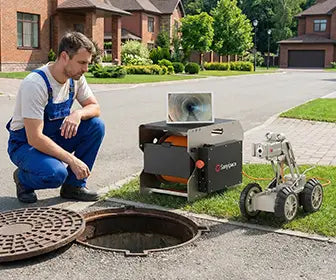
The S850DSTKM is not the best match for every inspection. A smaller camera head and thinner cable may be better for narrow drains with repeated tight bends. For large municipal sewers or runs beyond 165 feet, a longer cable or crawler system would be more appropriate. Users who need to inspect the sidewalls of large pipes in detail may also benefit from a true pan-and-tilt camera rather than a forward-facing self-leveling head.
Our Verdict
The SANYIPACE S850DSTKM is a capable sewer inspection system for users who need more than a basic view inside a pipe.

Its strongest feature is the way it combines visual inspection, distance tracking, surface locating, and job documentation. The self-leveling camera makes footage easier to interpret, while the 7 mm push cable provides enough stiffness for longer residential and light-commercial lines. The electronic counter and 512Hz sonde make identified defects far easier to translate into an actual repair location.
There are trade-offs. The cable is less agile than a thinner 5 mm option, the 23 mm head requires sufficient pipe clearance, and a locator is not included with every package. It also lacks the directional control of a pan-and-tilt camera.
For plumbers, drain-cleaning contractors, inspectors, and maintenance teams working in pipes larger than 1.5 inches and at distances up to 165 feet, the S850DSTKM offers a practical balance of reach, image quality, positioning, and documentation.
Related reading: Best Commercial Sewer Cameras for Professional Inspections


Efterlad en kommentar